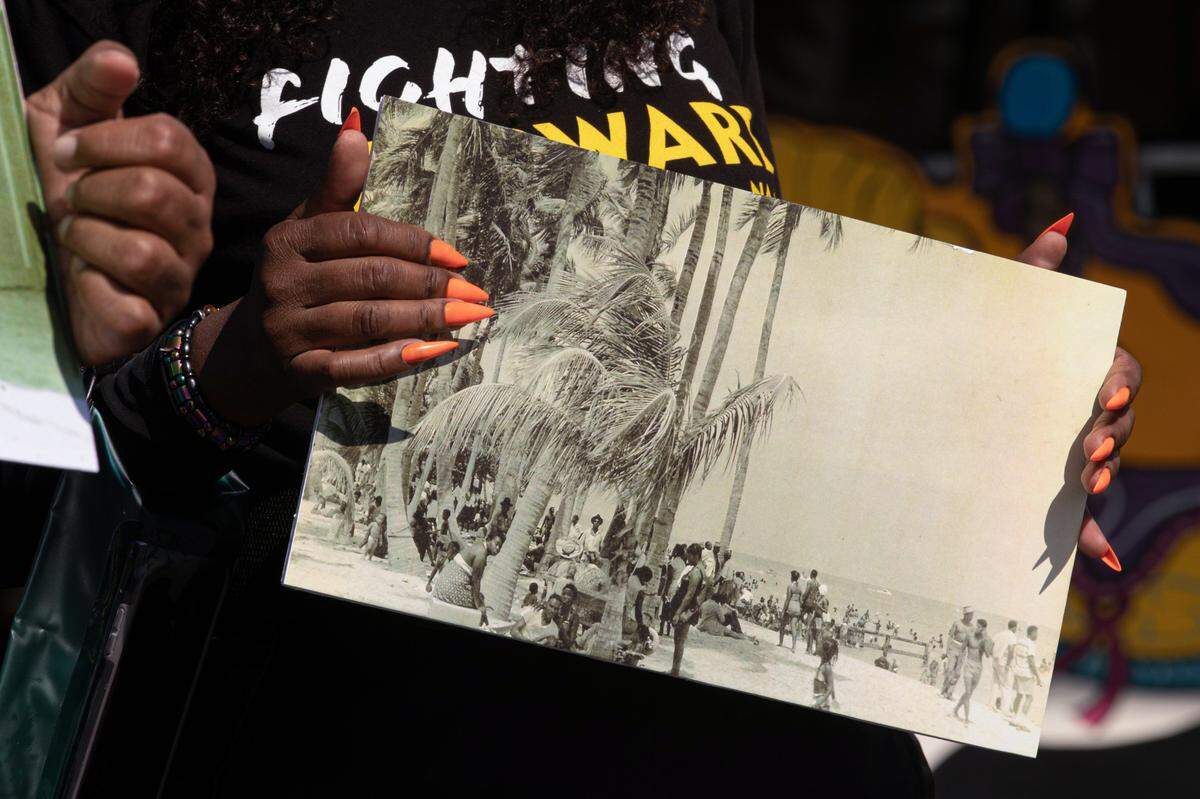
It started as a Blacks-only beach. A lot of Miami history has been made on Virginia Key
1835 and 1838: Hurricanes created Narrows Cut (now Norris Cut), dividing a previous single barrier island into present-day Virginia Key and Fisher Island.
1838: First recorded activity on current site of Virginia Key Beach Park was an attack on a Seminole camp by U.S. Navy forces during the Second Seminole War.
1945: During the segregation era in Miami, when the Ku Klux Klan had a prominent office and regularly marched through city streets, Black people could not lawfully enter bay waters anywhere in Dade County. In a protest organized by the NAACP and attorney Lawson Thomas, 10 Black Miamians staged a Wade-In at Haulover Beach. They were not arrested, although Thomas brought $800 in bail money in case they were.
The protest spurred Dade County commissioners to designate a “Colored-Only” beach on Virginia Key, formerly known as Bear Cut Beach. It was accessible only by boat or ferry until a causeway was built to Key Biscayne in 1947.
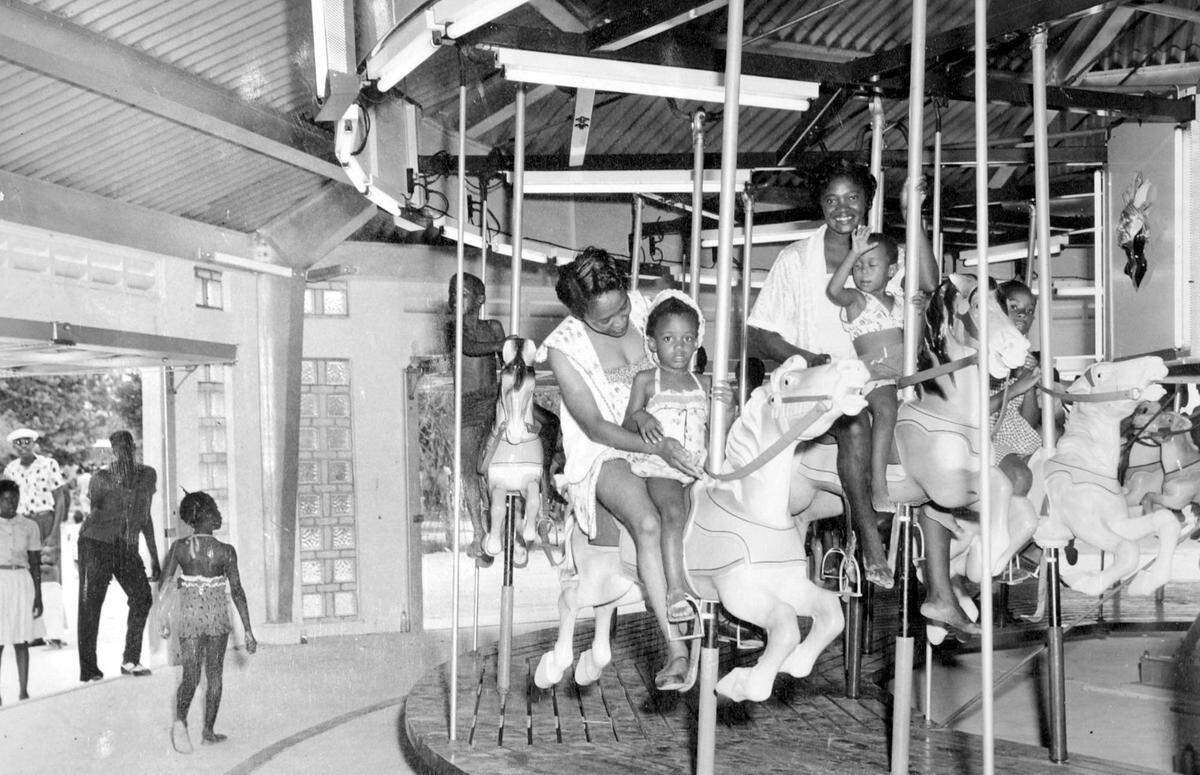
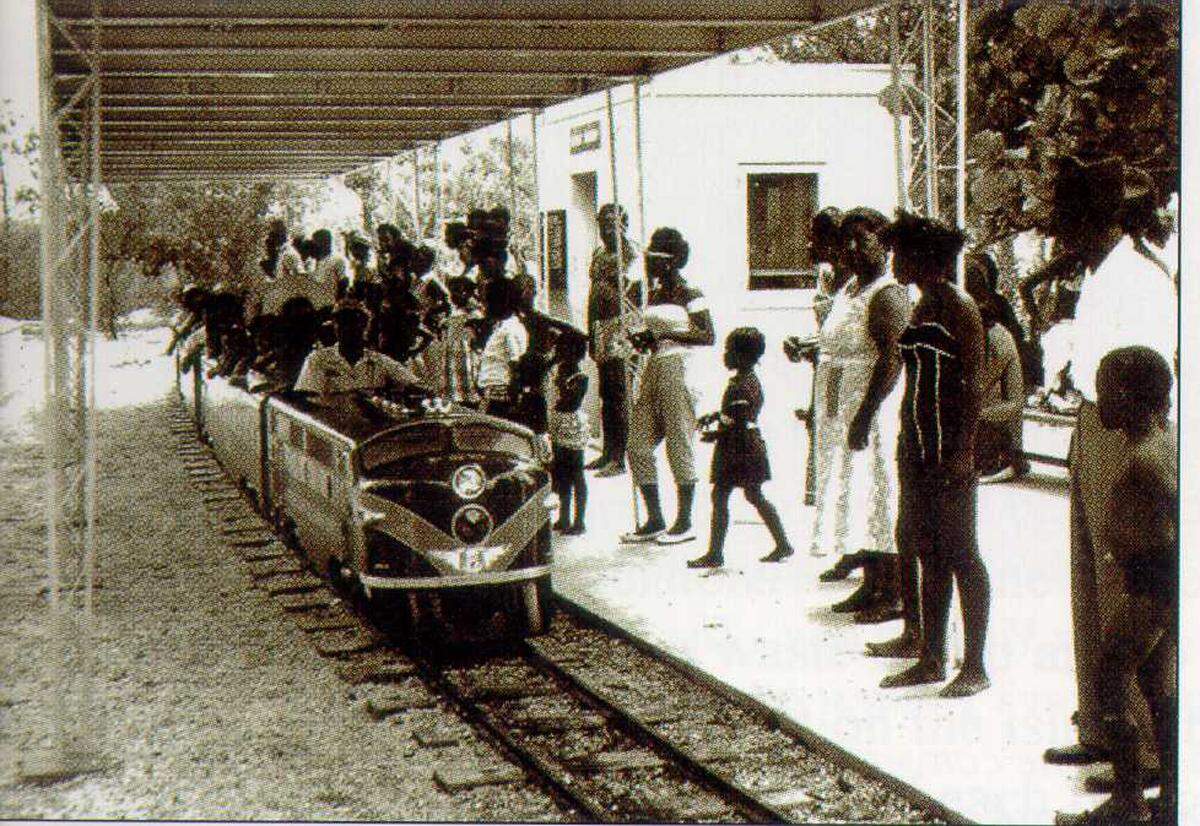
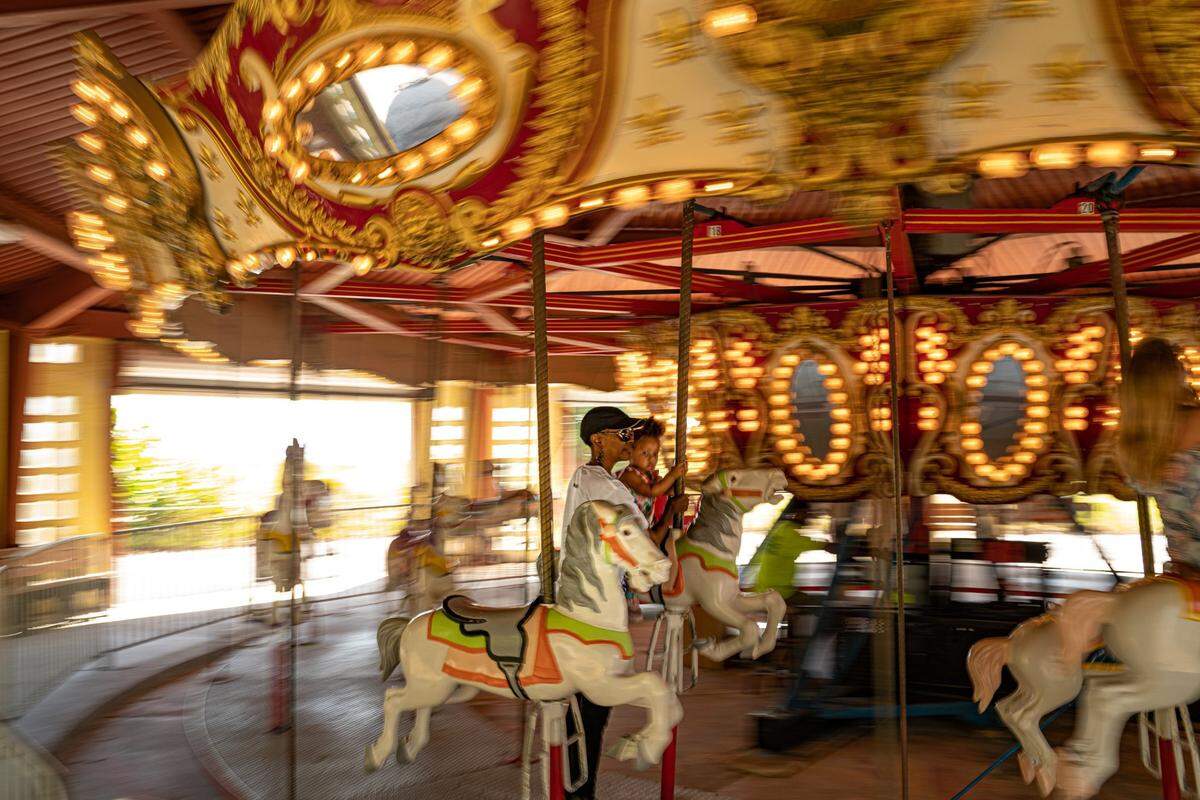
The park was popular for swimming, picnics, family gatherings, “Splashdown” parties, and had a concession stand famous for its corn dogs. It also had pavilions, an ornate carousel and mini-train rides for kids.
1959: Another Wade-In was held, at Crandon Park on Key Biscayne, as a rally for the desegregation of all beaches.
1964: U.S. Congress passed the Civil Rights Act of 1964, which prohibited discrimination based on race, color, religion, sex or national origin.
1979: Dade County transferred ownership of the park to the city of Miami.
1982: The city, citing high maintenance costs, closed the park, a closure that lasted 26 years.
1987: A master plan for Virginia Key was developed by the city with citizen input.
1998: The city, facing a fiscal crisis, considered private development at Virginia Key Beach Park.
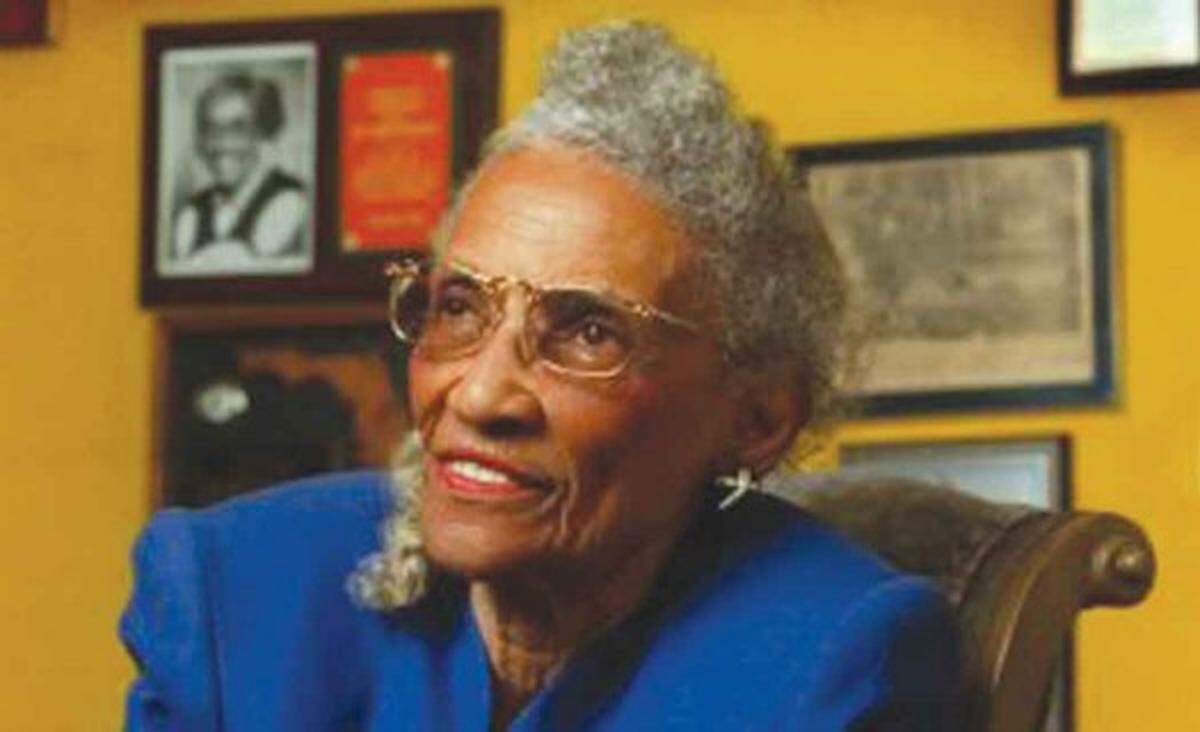
1999: In response to opposition to private development of public land and support for a civil rights museum at the park, the city established the Virginia Key Beach Park Civil Rights Task Force.
2000, January: A two-day community planning charrette was held and from it came goals for the revival of the neglected park to its “former splendor” and for an indoor-outdoor civil rights museum that would tell the social, cultural and environmental history of the park and Miami’s Black community.
2000, December: Miami city commission established the Virginia Key Beach Park Trust.
2001: Miami-Dade County approved $5 million in funding for improvements to the park and construction of museum.
2002: Virginia Key Beach Park placed on the National Register of Historic Places.
2003: The park trust started its master plan process and nine months later groundbreaking for phase one of restoration and shoreline renourishment occurred.
.JPG "13SLAVESHIPCLO_CPJ (2).JPG")
2004: Voters approved the county’s $2.9 billion Building Better Communities bond program to pay for 300 projects, and from those funds the city was awarded a $15.5 million grant to build the museum.
2005: The county’s kickoff celebration of the bond program was held at Virginia Key Beach Park. Sanitary sewer project and U.S. Army Corps of Engineers shoreline stabilization project completed. The trust selected Lord Cultural Resources and Management to plan the museum.
2006: Phase two of restoration (circulation roads and parking lot) began. City approved master plan completed by firms Wallace, Roberts and Todd and Judson and Partners for restoration and museum project. BEA International selected as a designer.
2007: YMCA Junior Marine Biology Summer Camp held. First phase of exotic vegetation removal and native vegetation planting completed.
2008: The park reopened after years of restoration, volunteer support and a campaign led by former city commissioner Athalie Range, who had warned that the city was floating a plan to turn the park over to developers. City funds combined with income from donations, parking, festivals and rentals paid for a staff of 15 to run the park. Mini train and railroad reopened, followed by reopening of carousel. Haley Sharpe selected to design outdoor interpretative exhibits.
2009: The Great Recession and city budget crisis halted funding to the park and the city encouraged the Trust to explore a partnership with developers to build a hotel or other profit-making ventures.
2010: A buoy line was installed in Bear Cut designating the entire length of beach as a non-motorized watercraft zone.
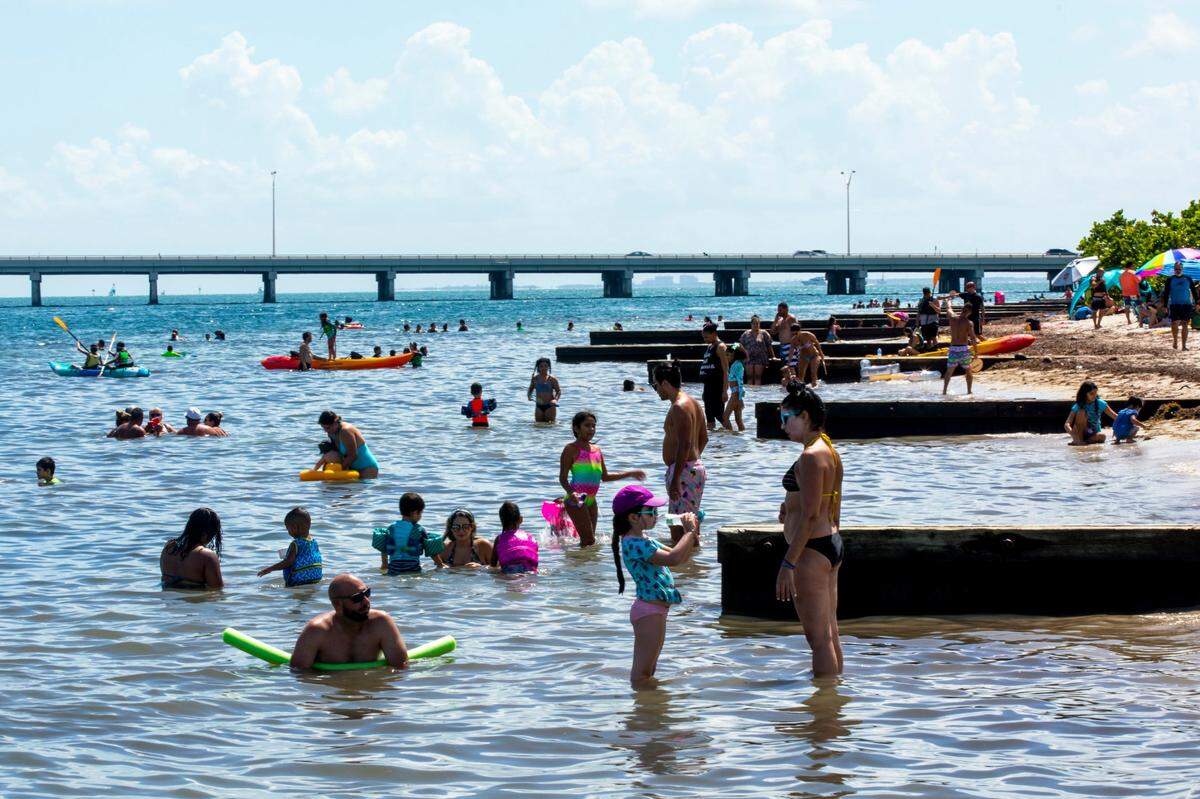
2013: U.S. Army Corps of Engineers ecosystem restoration project completed.
2014: A wedding pavilion, tea house and three wood cabins built by volunteers from the Virginia Key Grassroots Festival. One thousand plants and trees planted by 150 volunteers in 17-acre hardwood hammock.
2015: Virginia Key Beach Park named “Best Beach” by Miami New Times.
2016: Consulting firm Lord Cultural Resources released a business plan stating the museum would need operating support from the government and private sources, estimating estimating and operating budget of about $2 million per year for the first three years. Start of construction projected for 2021.
2017: Trust completes American Association of Museums (AAM) Museum Assessment Program.
2018: Park named “Best Live Music Venue” by Miami New Times.
2019: Miami Mayor Francis Suarez signed resolution creating the Historic Virginia Key Beach Park Museum Fund to help pay for operation for first 10 years. The resolution was supposed to unlock $20.5 million in county funds that were allotted for the museum in 2001 and 2004.
“This museum is long overdue,” Suarez said. “As our community’s first African-American beach, this treasure represents both pain and progress. We’re accepting the county funds. We’ve done everything the county asked. So there’s no more excuses.”
Said City Manager Emilio Gonzalez: “We can’t just let this money sit there for decades. This is an untapped jewel.”
2020: On 75th anniversary, Historic Virginia Key Beach Park Day proclaimed by city.
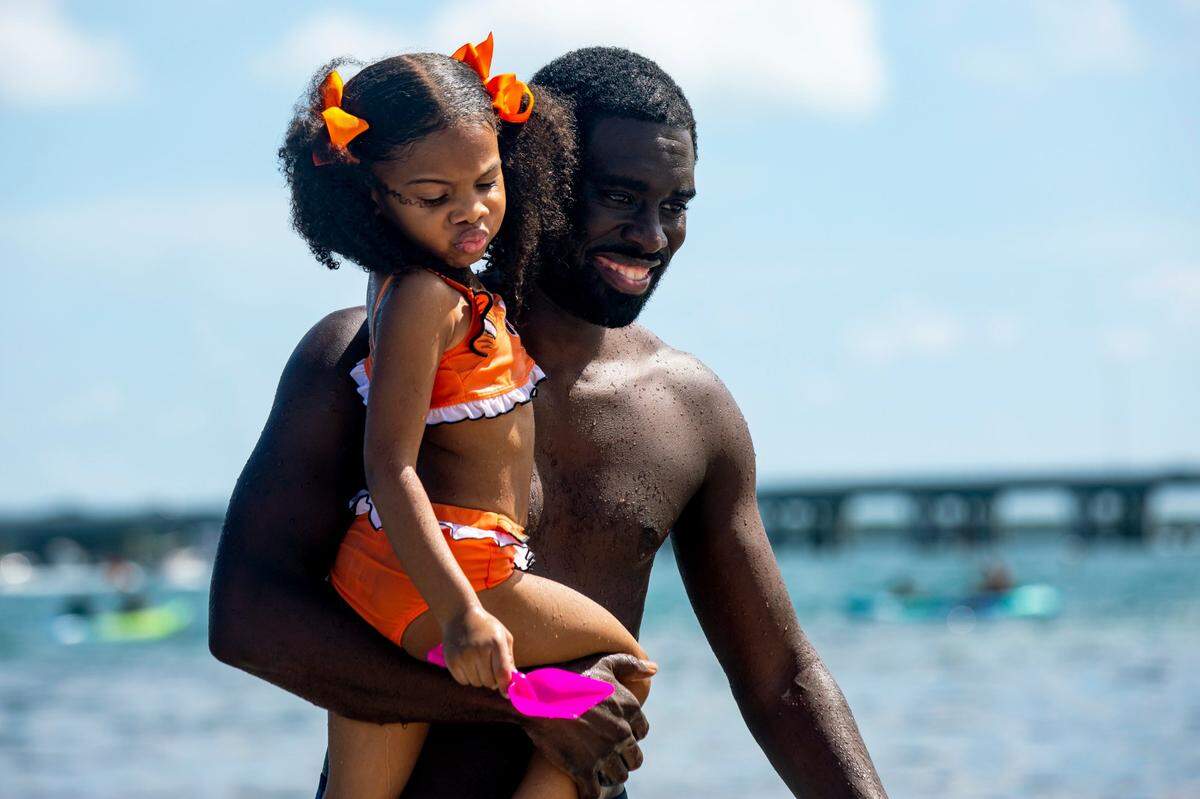
2022: Miami city commissioners voted to disband the park trust and place themselves in charge. They will occupy five seats and authorized commission chair Christine King to appoint two additional members.