Hialeah ends 43-year senior care partnership with Little Havana non-profit, forces it out
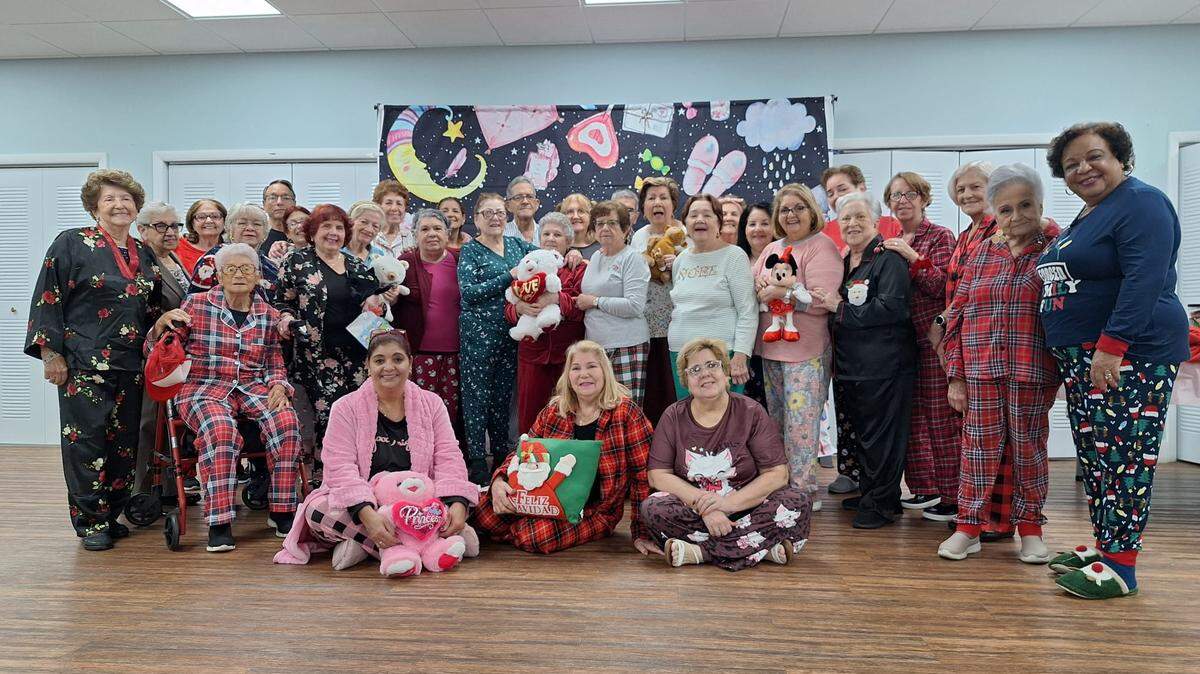
After more than four decades of uninterrupted senior services at a city-owned building in Goodlet Park, the Little Havana Activities & Nutrition Centers is being forced to shut down its Hialeah program, following the city’s decision to end a longstanding, unwritten agreement that had allowed the operation to continue.
Hialeah Mayor Bryan Calvo notified the non-profit in an April 27 letter that it had 30 days to vacate the facility, which was built in the 1980s with the original intent of providing senior services through the non-profit for the city’s elderly residents under former Mayor Raúl Martínez.
The verbal understanding, which lasted 43 years across six city administrations, is ending in May as city officials raised concerns about service levels, record-keeping and financial oversight.
However, people familiar with the directive say the decision reflects the city’s effort to gain greater control over what has long been Hialeah’s largest senior “comedor,” or dining room — a program historically operated by an outside nonprofit rather than the city itself.
The Little Havana agency serves hundreds of seniors countywide daily through a range of programs, including hot meals in center dining rooms, home-delivered meals, and nutrition services for people at high risk, along with adult day care.
Costs, liability and oversight
In Calvo’s letter, he said the city “deeply values the intent” behind the program but cited concerns about the number of residents being served and what he described as a lack of “clear, consistent data” identifying meal recipients.
Calvo told the Miami Herald the lack of a formal agreement creates a “huge liability” for the city in case of an accident at the building. He also said maintaining the facility costs the city about $700,000 a year.
However, revoking the non-profit’s access would not eliminate the city’s maintenance costs or the expenses associated with operating the senior facility. Calvo said a new operator won’t pay rent either.
Calvo questioned whether the number of seniors being served by the Little Havana non-profit aligns with the level of state funding the agency receives.
“If they’re receiving state funding based on serving nearly 200 people, but the actual number is much lower, that’s a problem,” he said. “We’re calling for greater transparency.”
But the situation described by Calvo differs sharply from what Little Havana officials say actually occurred.
Manny Fernandez, director of operations for the agency, said the dispute stemmed in part from the city’s request for detailed participant information that the non-profit was unable to provide because of the health privacy laws known as HIPAA.
“Since there was no data-sharing agreement or contractual mechanism in place, we did not want to violate any HIPAA laws,” Fernandez said. “We offered to provide aggregate, de-identified data, and the city said they would send an agreement since one could not be found. Instead, we received the revocation letter six days later.”
He added that his agency has provided senior services in Miami-Dade for 53 years. Fernandez also pushed back on the city’s financial assumptions.
“We don’t make money off these programs. They essentially pay for themselves,” Fernandez said. “None of our other centers pay rent. Paying rent would make the program unsustainable.”
The Little Havana Activities & Nutrition Centers has other 12 facilities for seniors across Miami-Dade that don’t charge the agency rental fees.
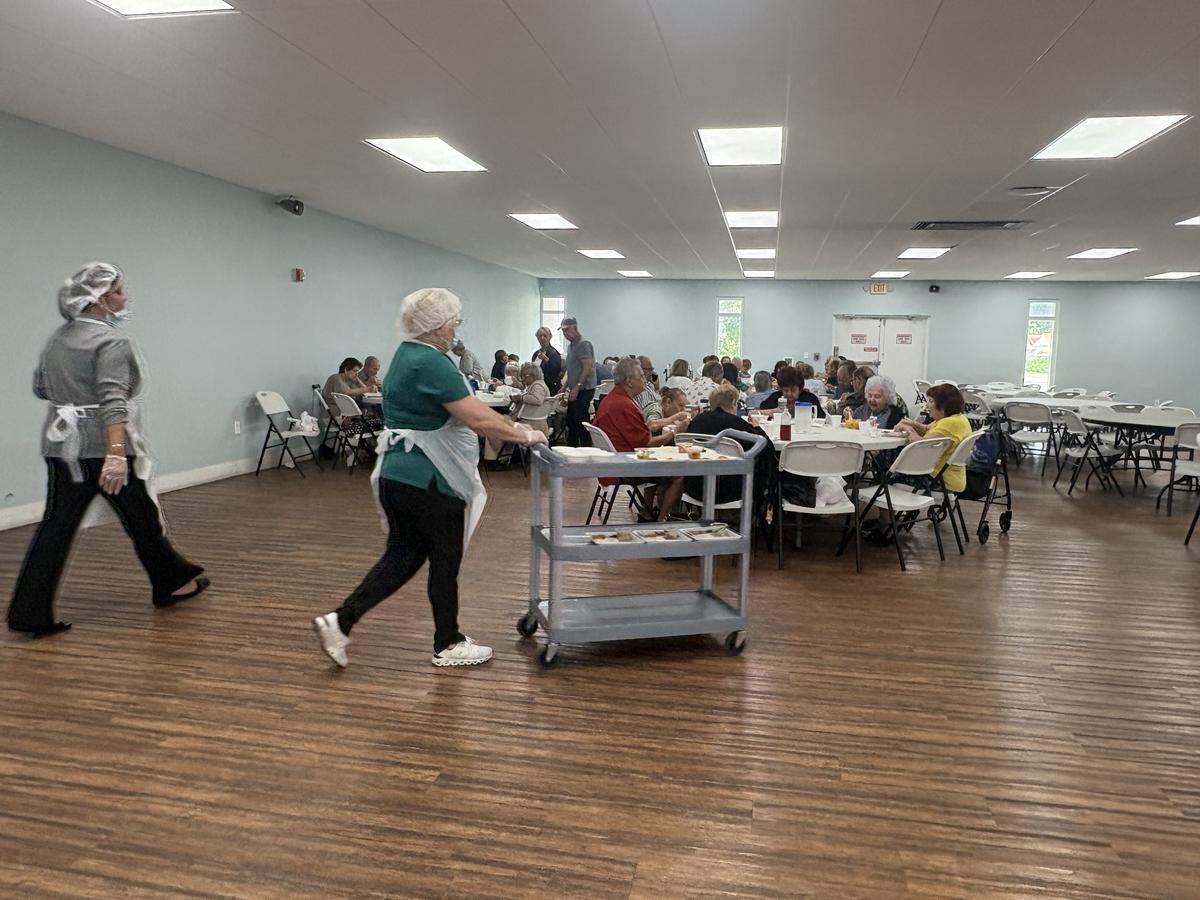
On its final day the agency provided services in Hialeah, the Herald spoke with seniors who have received assistance from the Little Havana agency for more than a decade. They said the dining hall serves more than 100 seniors from Monday to Thursday, while attendance drops to about half that number on Fridays, and that the city has not informed them what will change.
Cristina De Toro, 83, a beneficiary of the meal services at Goodlet Park since 2006, said she was unhappy with the transition. “I don’t agree with the mayor’s decision to change agencies. I’ve known these people for 20 years; they are like family,” De Toro said. “I’ll have to get used to new people and a new system, but at 83, that will be difficult.”
De Toro also said that the Little Havana agency provides seven days of boxed meals for dinner, including weekends, something she said the Hialeah Housing Authority does not offer.
De Toro added that it is not true that the city is only now considering renting the facility for other venues, saying the room has already been rented for more than a year and a half on weekends for weddings, baby showers and other celebrations.
Politicians rejects decision
Martínez, the former mayor who crafted the idea of creating Hialeah’s first meal program with the Little Havana agency, criticized Calvo’s decision, saying it is “destroying the program” and arguing the services should not be evaluated solely on cost.
“As the government, you can’t simply look at the cost without also analyzing the human impact,” he said. “You take a person who is living in your city, who has nothing to eat, and you’re providing them with food.”
Calvo argued that much has changed in the city since the program began. “I need to protect the city and have some kind of agreement in place,” he said. “They were unwilling to reach an agreement, and the property belongs to the city.”
Martínez is not the only political figure criticizing the decision.
Miami-Dade County Commissioner René Garcia, who represents parts of Hialeah on the commission, called it “a travesty.”
Garcia told the Herald he does not believe maintaining Goodlet Park’s facility costs Hialeah $700,000, considering the building already belongs to the city.
“What exactly are they going to do with that center?” Garcia said. “I think what they’re trying to do is squeeze more money out of that center by attempting to privatize it. Closing it down shows a complete lack of respect toward the seniors who built this city — this center has been the heart of the community for so many years.”
The city will provide meals, according to Calvo, through the Hialeah Housing Authority, a state agency that receives funding from the U.S. Department of Housing and Urban Development and operates 16 dining halls across the city.
The plan, Calvo said, is that the agency eventually would use a smaller portion of the building to help reduce costs, with the city potentially renting out the remaining space.
Controlling a political hub
The Hialeah Housing Authority, which is deeply embedded in Hialeah’s political landscape, feeds about 1,300 people a day and serves more than 400 homebound residents who receive meals delivered directly to their homes.
“This is just going to be another site that we will be operating, and everything will go smoothly,” said Julio Ponce, director of the housing authority.
The facility at Goodlet Park has been a strong political hub since Martínez was mayor, with that legacy continuing under García. García and Calvo have had a strained relationship since both attempted to run for office in the city, although García eventually withdrew from the race.
“René stepped into a ‘godfather’ role of the center when I left the mayor’s office. René grew up with it. Everyone grew up with it,” Martínez said. “This is a personal war that Calvo wants to wage against René because of Calvo’s political aspirations.”
Garcia disagreed with Martínez, saying he did not view Calvo’s decision as politically motivated or a personal attack against him.
“I believe this stems from vested interests or ties they may have with other private organizations in the city. That’s what is driving this.” Garcia said. “I don’t view it as a personal attack against me. My connection has always been with the seniors in our community.”
The center, known as the largest dining hall in Hialeah and a frequent campaign stop for politicians, has at times reported difficulties allowing access to some elected officials trying to visit.
But Calvo’s chief of staff, José Torres, told the Herald that the nonprofit “would shut down the doors to politicians who would come to visit and greet the very residents they represent.” While he did not specifically refer to Calvo, he said the issue has affected multiple council members and that elected officials should have access to the facility.
“For a company, with which the city doesn’t even have a formal agreement, to deny elected officials the opportunity to visit and interact with residents is wrong.” Torres said. “Now the city will have control of the center.”
Garcia said the statement from Calvo’s office is not accurate, adding that the center allows access to every elected officials.
Impact on seniors
Countywide, the Little Havana agency serves about 1,400 seniors daily through a range of programs, including hot meals in the centers, home-delivered meals, and high-risk nutrition services, along with adult day care and in-home care. The non-profit also helps seniors navigate federal assistance programs such as SNAP and Social Security benefits.
Fernandez, the non-profit agency’s director, said the revocation could affect more than 140 Hialeah seniors, more than half of whom qualify for a high-risk nutrition program that provides frozen meals for home use. He said many seniors who attend the center rely on the program not only for daily hot meals, but also for food security, which allows eligible participants to take home frozen meals for dinner and weekends—an aspect he said the city had not fully considered.
The Hialeah Housing Authority will assume services at the site, providing lunches to 113 participants, according to its director.
“We’ve never done that [high-risk nutrition program] because our residents are not high risk.” Ponce said, “That’s something that we found out [Wednesday], and we are in the process of working on it now.”
He also said the transition should not involve a complete withdrawal of services from the Little Havana agency.
Fernandez said the nonprofit is seeking permission from Hialeah and Miami-Dade to continue providing high-nutrition meals for residents who need additional support, including frozen meals during the transition, since those meals are distributed through the center.
But Calvo said Little Havana’s access has been revoked effective date May 27, meaning seniors who rely on the high-risk nutrition meals may not receive them until the new agency establishes a system to provide that high-risk service.
Fernandez said the last distribution of high-risk frozen meal programs occurred on May 13 and supplies are expected to last through May 24. The non-profit warns the transition could leave vulnerable seniors without immediate access to services.
“Our biggest concern is making sure these seniors continue to be taken care of,” Fernandez said.
This story was originally published May 22, 2026 at 1:23 PM.