No relief in sight: Hialeah residents may not see rebate at all
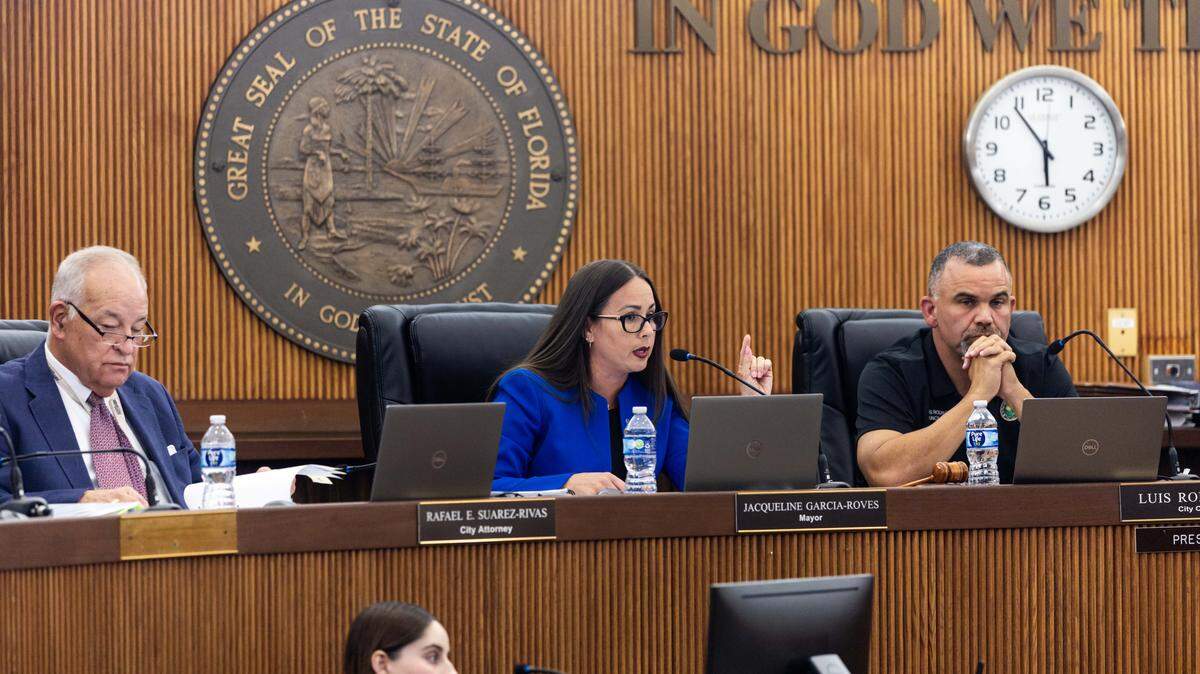
A rebate for Hialeah property owners is off the table for now, and it may not happen at all.
City Council members failed to agree on the amount of a possible rebate, citing concerns that it could jeopardize ongoing projects and the city’s overall quality of life. The debate comes as the city grapples with rising service costs and high living expenses.
Just two days before the second public hearing on the proposed budget for the coming year, the City Council tabled on Tuesday night the ordinance concerning a potential rebate for residents until Oct. 14. Interim Mayor Jacqueline Garcia-Roves had proposed a $200 rebate for the city’s 32,100 eligible homestead property owners. The proposal followed earlier discussions aimed at providing some form of financial relief to residents.
READ MORE: Hialeah in turmoil as city council clashes over tax cuts, deadlocks on budget
However, the plan faced pushback—even from members of Garcia-Roves’ own supporters on the council — after City Finance Director Ruth Rubi said that funding the rebates would require $6.4 million, equivalent to 4.84% of the city’s property tax revenue. To pay for the rebate the city would need to draw $1.8 million from reserves and a reduction of $4.6 million from its general fund related to infrastructure projects.
“We could basically do repairs and then push those projects out further to 2027,” Rubi said to the council. “If it becomes an emergency, we would take it as an emergency item.”
The cuts would affect several key improvements involving 13 projects, including street lighting upgrades, roof replacements at two parks, floor and computer system replacements, installation of hurricane-impact windows, and new air conditioning units, among others.
Councilman Carl Zogby, an ally of Garcia-Roves, expressed concern about the long-term impact of having the city subsidize continuing costs.
“What happens next year after we give this discount now?” Zogby asked. “We’re already subsidizing water. We’re talking about giving these rebates. What happens next if we can’t keep subsidizing and water rates go up another 10%? This is a shell game. It’s like putting on a Band-Aid.”
Calling the $200 rebate “a little aggressive,” Zogby added, “We still have a city to run, and we promised our citizens quality service. This will definitely affect that promise.”
Council members expressed frustration. Councilman Luis Rodriguez, who is running for reelection, called the proposed project cuts a “huge setback.”
READ MORE: Hialeah councilman files for bankruptcy amid reelection bid, debt lawsuits
Councilwoman Melinda De La Vega, an interim member running for a permanent seat, questioned the administration's shift in position. “What changed?” she asked. “At the last meeting, the administration stood here and said that the city could not go over $120.”
Rubi, the finance director, stood by the numbers, calling Hialeah a “poor city with very limited resources.” She stressed that if the council wants to offer a rebate, it must decide between cutting capital projects or dipping deeper into reserves.
Pulling $1.8 million from reserves would leave the city with a $42 million balance—barely enough to cover two months of expenses, given the city’s $20 million monthly operating cost.
“We have a lot of emergencies, and we have many things planned for the future,” Rubi said. “However, you all need to make that decision: What is a priority for you?”
$300 rebate push
Councilman Jesus Tundidor, who is running against Garcia-Roves for mayor, argued that the proposed rebate doesn’t go far enough.
“People need help, and we’re going to give them help,” he said at the meeting. Tundidor also accused the administration of inconsistency, recalling how it warned during an earlier budget hearing that the city couldn’t afford even a 1% reduction in the property tax rate.
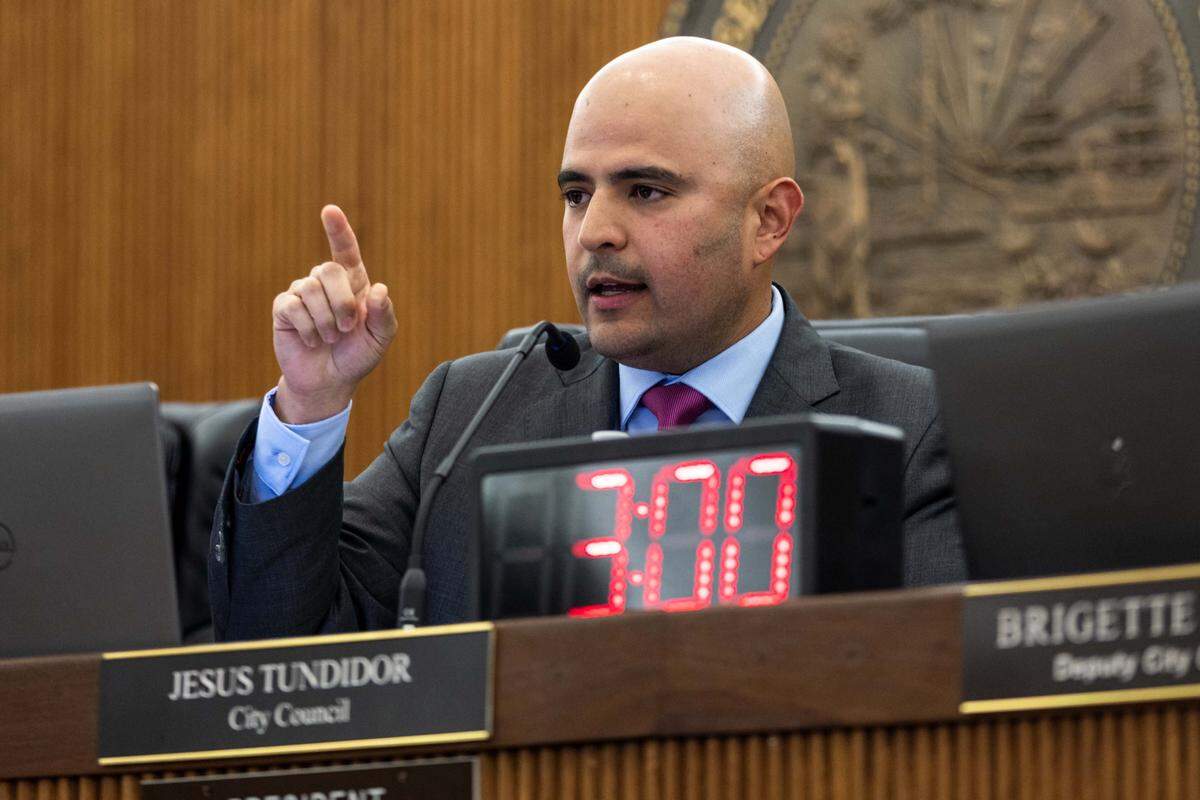
“Today we’re looking at five times that original amount,” he said. “It’s bothersome. I tried to speak with the mayor to put something together. Then we [the city] found a couple of things—which leads me to believe: what else could we find if we looked a little further?”
Tundidor told the Miami Herald that he supports a $300 rebate, a move that would cost the city more than $9 million and is unlikely to secure the five votes needed from the six-member council to override a potential mayoral veto.
The absence of a tie-breaking vote has left the council deadlocked on key issues since Garcia-Roves assumed the role of interim mayor following the resignation of Esteban “Steve” Bovo, who stepped down to become a lobbyist.
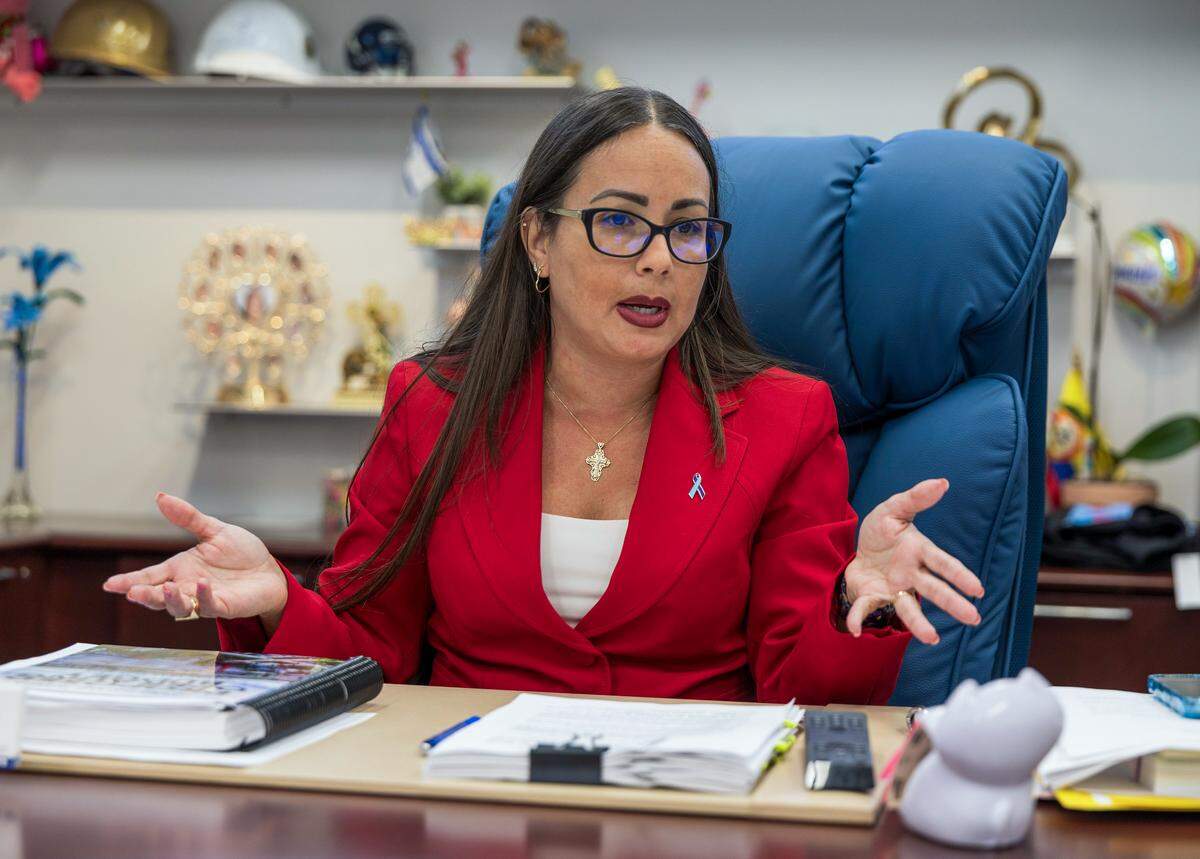
Garcia-Roves was unable to secure enough support to appoint an interim council member to fill her vacant seat, leaving the six-member council frequently split 3–3 on important matters. The ongoing deadlock led to three separate meetings before the council could agree on the approval of the first budget hearing, and it now threatens to jeopardize the final budget vote.
Vacant positions, unused funds
Councilwoman Monica Perez requested data on vacant city positions, hoping to identify unused salary funds that could potentially be redirected toward a rebate for residents.
According to the city’s Human Resources Department, 129 full-time and 74 part-time positions are currently vacant. The proposed budget includes funding for 1,295 total positions, but doesn’t specify which ones are unfilled or for how long they’ve been vacant.
Pedro De Faria, the city’s Budget and Finance Director, said about 10% of city positions are typically vacant at any given time, but admitted he could not provide detailed information on the current vacancies.
Garcia-Roves told the Herald that she plans to explore whether funds allocated for vacant positions can be redirected to provide a rebate for residents, without cutting projects. However, she acknowledged that she does not yet have those figures.
The City Council voted to table the rebate ordinance until its Oct. 14 meeting, citing the need for more information. But whether the council can come to an agreement on how much relief to offer, if any, remains to be seen.
This story was originally published September 24, 2025 at 2:31 PM.