Will these renters be forced out of their homes? The city of Hialeah has stepped in
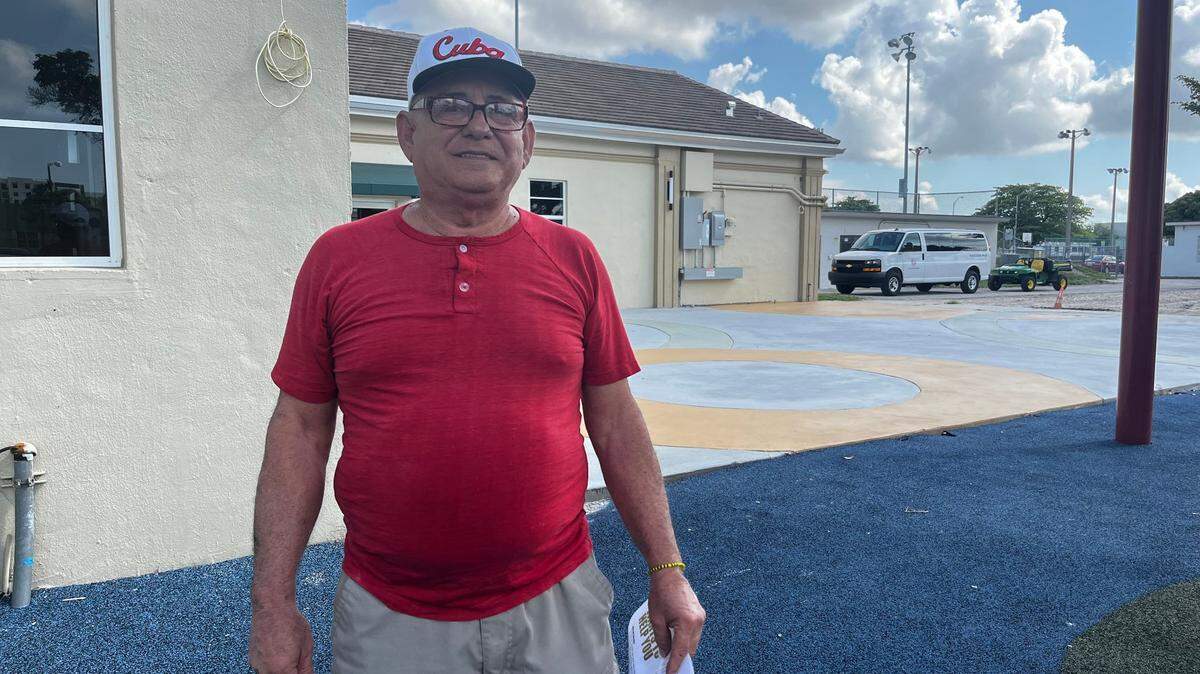
Leonardo Suárez, 73, has lived in Hialeah for eight years with his 69-year-old wife. Both are retired. They each receive a monthly check for $685 to pay for their home at 321 E. Sixth St.
The $1,370 the couple gets isn’t enough to cover the cost of their home. The rent increase has forced them, for the first time, to ask for help.
Suárez, who was born in Cuba, explained to el Nuevo Herald that until 2022, the apartment’s rent was $1,050. Now they pay $1,475, and they were informed that the rent will rise to $1,550 in May, an increase that they say they can’t afford.
“Without help I don’t know how we’ll be able to pay that rent. We both have chronic diabetes, and my wife wakes up every morning with severe muscle pain. We can’t go out looking for a job. We are old,” he said.
Although the couple have two children, they rule out the possibility of asking them for money to cover the difference or moving in with one of them.
How affordable is housing in Hialeah?
Hialeah is the second largest city in Miami-Dade but has one of the lowest incomes at $43,181, according to the Census. The reality is that housing in the West Miami-Dade municipality is no longer affordable for the majority of residents.
Median rent in Hialeah is $2,950, about $200 less than in March but $100 more than in April 2022, according to Zillow statistics.
Average rents in the city is $800 above the national average, Zillow says.
The city is aware. And that’s why the Department of Grants, in charge of managing state and federal funds, is reaching out to people on how to request aid.
Suárez will benefit from that, at a Babcock Park even where employees explained how to help pay the rent.
City employees informed him that due to his family circumstance, the couple can get a monthly check for $275 to help them cover the rent increase. That will allow them to continue living in their home for at least a year. But not all cases are so simple.
Being the city with the largest Hispanic population in the country, 95.82% of its total population, Hialeah requires by federal law that these funds be delivered to people with permanent residence. Many people who live in the city don’t have legal status.
That’s the case of Gladys Jérez, 42. The Salvadoran woman has lived in the United States for 18 years. Her two children, ages 9 and 13, were born in the US, but she hasn’t been able to adjust her status.
She has lived for two years with her partner and her children in a motel on Okeechobee Road, and the family pays $450 a week. They were evicted from a house that had been sold and haven’t been able to find a stable place to call home.
Because of Jérez’s immigration situation, the city of Hialeah cannot give her federal funds to look for an apartment. Jérez’s partner, of Cuban origin and a permanent resident, could seek to rent an apartment, and the city could provide help for three months.
$11 million to help pay rent
The Treasury Department has provided the city a second allocation of funds of about $4.1 million from the Emergency Rental Assistance Program. That money allowed Hialeah to help 178 families through April 12, delivering a total of $562,756.
The program, created in March 2021 to help the most vulnerable during the pandemic, provided the city with $7 million. With that, Hialeah assisted with rent and utilities for 756 families, Maria Ruiz, director of grants for the city, told el Nevo Herald.
Ruiz said that in Hialeah “there is more need to cover rents than what residents are asking the city for. We see $400 or $500 rent increases from one month to the next. People are paying more than 50% of their income on housing alone.”
For this reason, her department’s mission is to search for those who are most vulnerable. They live mainly in the eastern and southeastern sections of the city and in areas close to industrial centers, where rents are lower, but salaries have not matched the increase.
“Our goal is to visit the neighborhoods and give advice to the most economically vulnerable residents in the community. We hope to hold events in different neighborhoods of the city as a way to reach out to residents who may be disenfranchised,” Ruiz said.
The event at Babcock Park this month allowed a dozen residents to learn about the process, eligibility and alternative options to pay their home rent, including a program to help them buy their first property.
In Hialeah there are 78,718 homes, and 50.4% of them are multi-unit structures or buildings with two or more apartments, like the one where Suárez lives. The majority of residences in the city, 53%, are occupied by renters, a fact that is far away from the American dream of owning a property.