‘Unfair and inhumane.’ Opa-locka Hialeah market vendors desperate after eviction notice

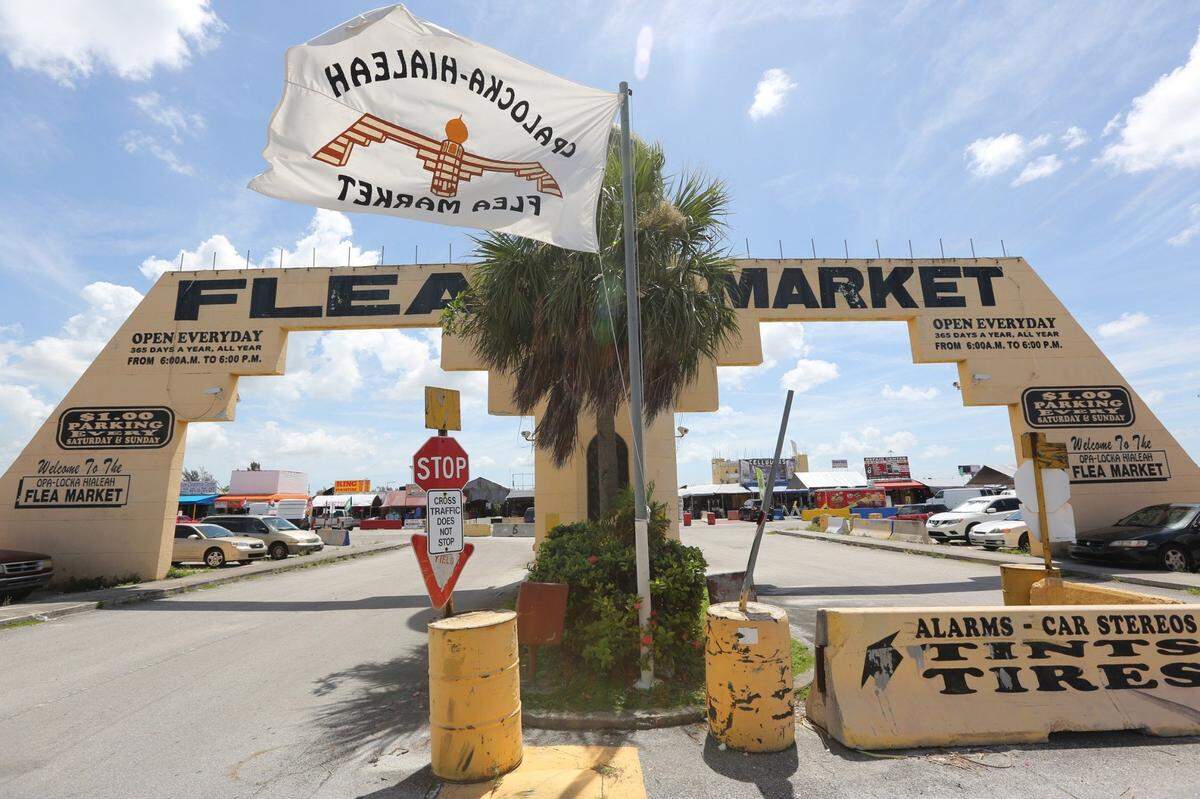
Just a week ago, the management of the famous Opa-locka Hialeah Flea Market informed its tenants that they had to leave the place on June 30, a one month’s notice that the tenants of the stores consider “unfair and inhumane.”
The merchants explained to el Nuevo Herald that although the notice says that the doors will be open until June 30, that does not apply to customers. Starting June 20, only owners and workers will be able to enter to pack, in 10 days, decades of work.
According to people who work in the market, they are requesting an extension of time and a rent exemption to save for a new place to move their businesses.
Most tenants stopped paying their rent, which under the measure is collected every Sunday. The commercial venues fees vary by size and location, ranging from approximately $250 to over $500 per week.
Blanca Marín, a 59-year-old Nicaraguan, has spent 21 years selling personal hygiene products at the flea market. “I don’t want to protest, I’m sure nothing new is going to happen, no extension of time or exemption from rent,” she said when she denounced that the administration will lock the doors of her business to close it permanently if she doesn’t pay the required $450 per week.
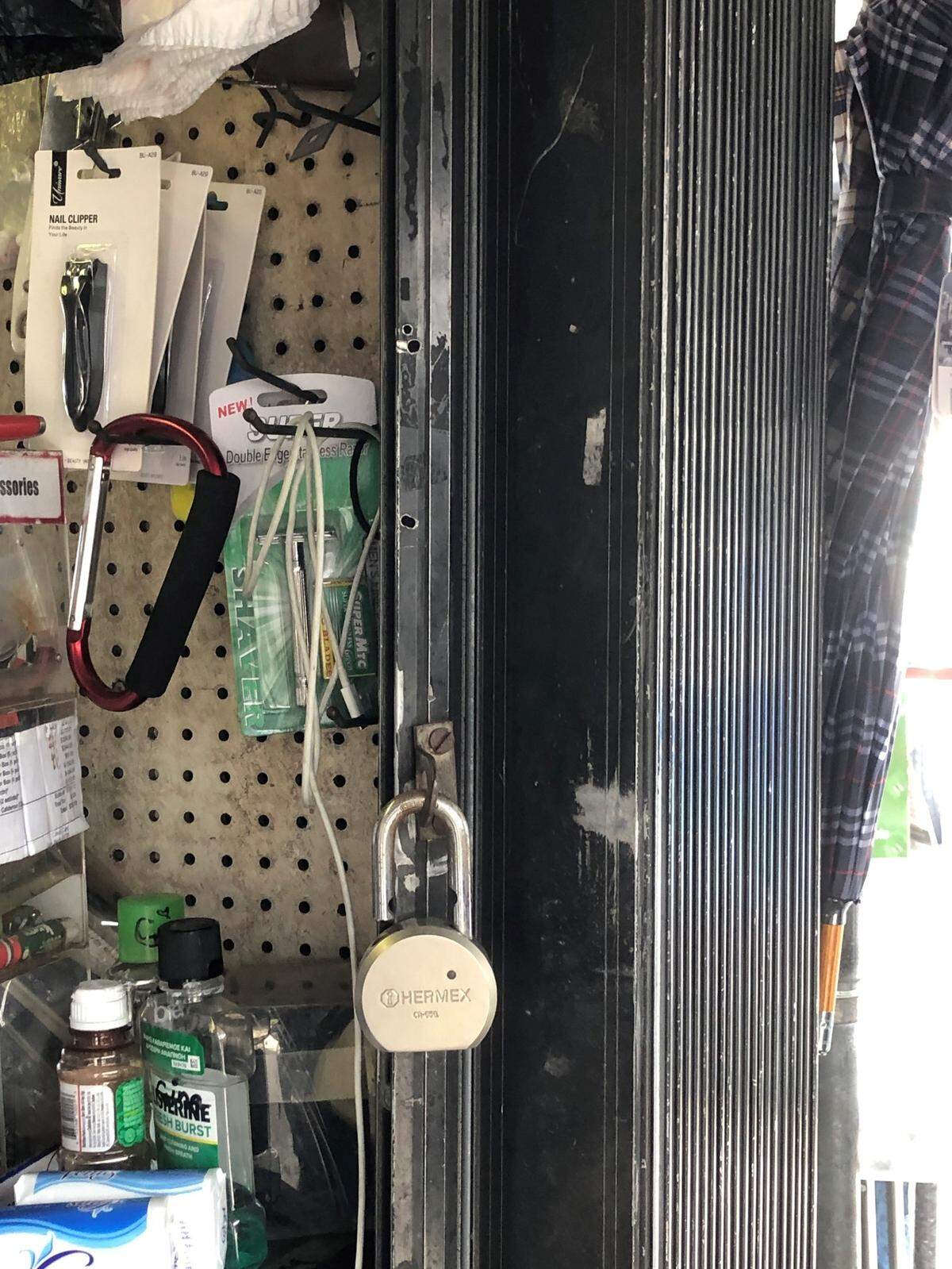
Unlike most merchants, Marín has a place to go. She has another business on Miramar Parkway, where she will take the things that are not sold in the clearance sale she is doing.
El Nuevo Herald tried to obtain the management’s explanation of what happens to stores that don’t want to pay, but they refused to comment to the press.
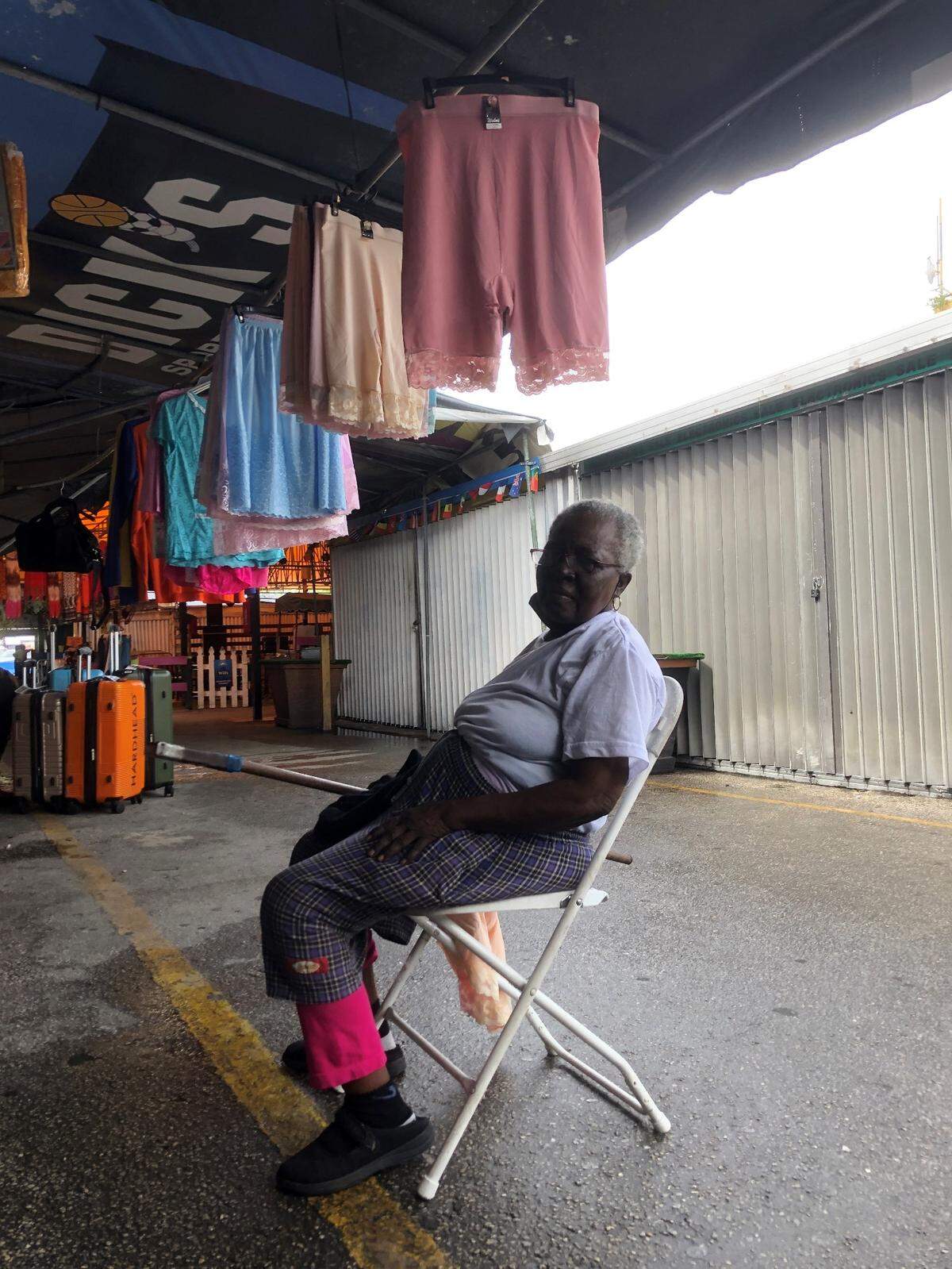
Cilia “Cici” Luis, 78, has been in the Opa-locka Hialeah flea market for 40 years. She has had her craft store open almost as long as she has been living in Miami (52 years) after coming from Haiti. She pays $259 for the place, and when she leaves it, she says she will work from her home, selling what is left of her products.
Another vendor who only would identify himself as Juan, 83, said this means it is time to retire. He once had up to eight stands in this market, but currently he has two, one that he uses as a warehouse and another in which he exhibits men’s sportswear. He plans to go to Cuba two or three times to sell his remaining clothes.
Although he does not have an estimate of how much money he has invested in merchandise, he claims that “they didn’t give us time to move, what they are doing with us is unfair. I have been in this market for 40 years and this is how they pay us.”
“The flea market is Miami heritage. A united people work here. Most of them have been here for 40 years and now they tell us that in 20 days they will close our doors, that we have to leave,” said Claribel Vázquez, a Dominican who has lived in Miami since she was 19 years old and has been selling natural juices in the flea market for two years.
“What can we do with all our products, with all our freezers, with all this equipment? Where do we put them in 20 days? Out there, rent is very expensive. We are humble people. Humble people come here to buy their vegetables, because here everything costs half of what it’s sold in the supermarket,” says Vázquez.
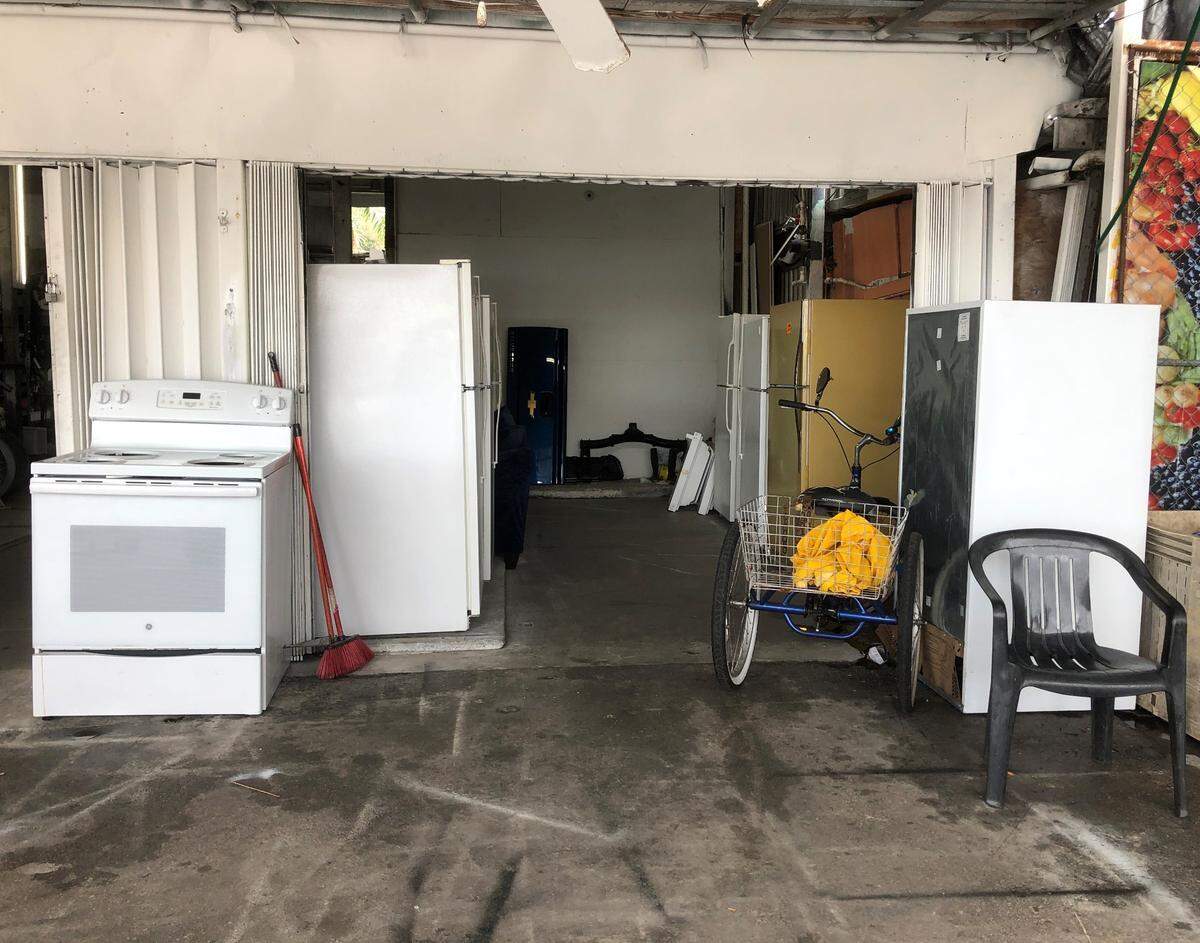
Juan Rivera, a sexagenarian who has been working in the market for 14 years selling appliance, assures that the eviction “is not inhumane, it’s criminal. They should have given people at least six months to move. Most people are not going to find a place to move and with this merchandise, what are they going to do,” he wondered.
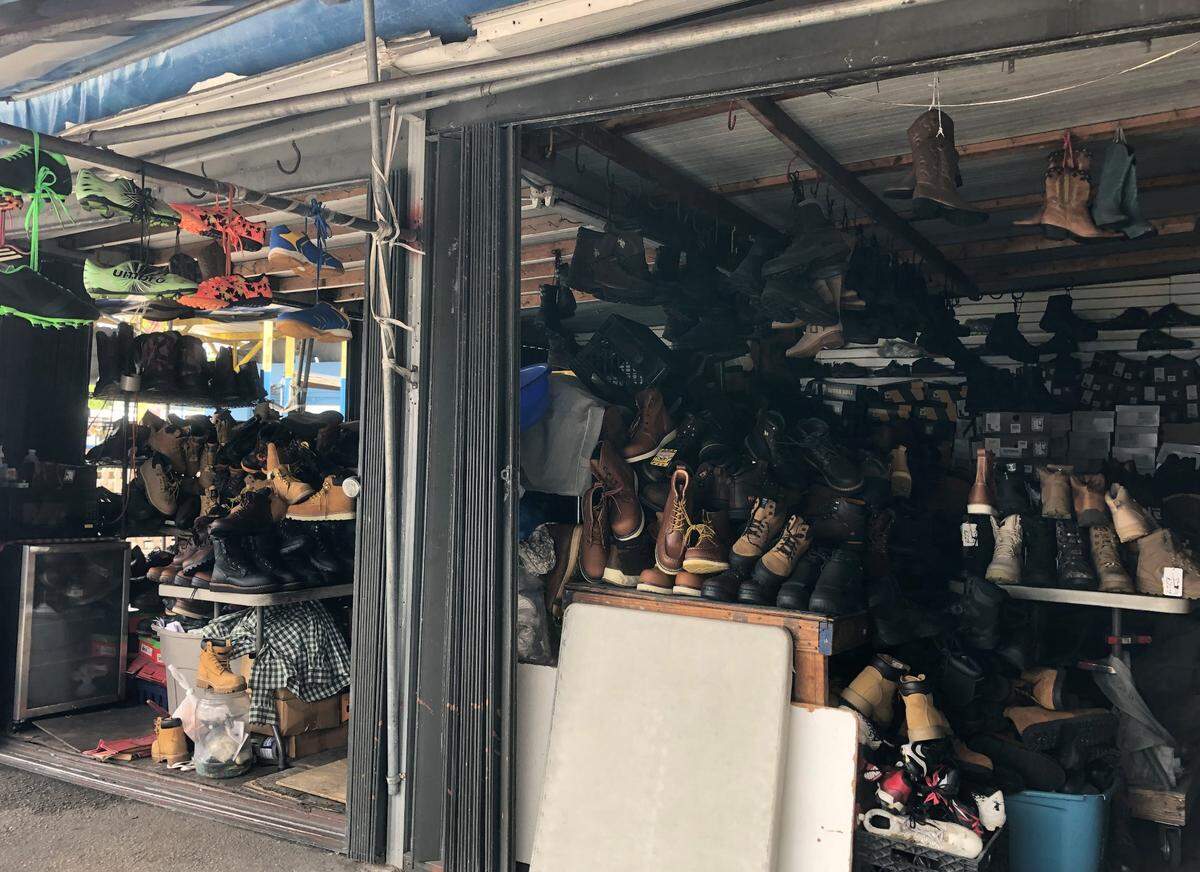
A saleswoman of Haitian origin, who has been in this country for 40 years and preferred not to reveal her name, explained that she has more than 2,000 shoes in inventory. She doesn’t have a place to move and doesn’t know what she will do but for now she is trying to sell as much as possible by June 20, when the market closes to the public.
“Tourism will also be affected. When the schools close, the flea market is filled with tourists. What’s going to happen to those local and regional tourists who come from North Carolina, Georgia, Tampa, Orlando to enjoy our weather. Where are the Miami-Dade commissioners who say nothing about the loss of that tourism?” Vazquez complained.
The flea market was purchased in 2017 by Gramercy Property Trust, in an $80 million acquisition with a plan to renovate the facilities. However, the only measure taken since then is the eviction of its businesses.
The deal includes the 43.8-acre flea market located at 12691 and 12705 Northwest 42nd Avenues and the 28.3-acre Insurance Auto Auctions property at 12700 Northwest Le Jeune Road.
Open 365 days a year for more than 40 years, the Opa-locka Hialeah Flea Market has consistently received more than 30,000 visitors per week, according to its website.
This story was originally published June 2, 2022 at 10:35 AM.