
What did Hialeah used to look like? Here is a peek through the time machine
Welcome to Hialeah.
It’s more than a horse track. More than shopping. It’s more than, ahem, traffic jams.
Hialeah has history.
Hialeah was named by a Seminole Indian named Willie Willie, when pioneer developer James Bright asked him to describe the property. He called it Hi-ale-ah, which means pretty prairie or high prairie. Bright, a cattleman from Missouri, came to Miami in 1909 and bought 640 acres of submerged land northwest of the city. Within a few months, he dug the Miami Canal and drained his land.
He joined with New York developer and aviator Glenn Curtiss to incorporate Hialeah in 1921. Within 10 days, their company sold $1 million in land. Bright built a house and cattle ranch at what is now the corner of Hialeah Drive and East Second Avenue.
Curtiss built an airfield at what eventually became the Deer Park residential section. G.R. Milliard, Hialeah’s first resident, built his home at Okeechobee Road and Hialeah Drive. From his house, he operated the town’s first post office, first real estate office, first general store, first car repair shop and the first headquarters for the bus line to Miami. His daughter was born the year the town was incorporated. He named her Leah. Within two years,
Hialeah had 41 families, a dog track and a race course under construction. As Miami and Miami Beach blossomed in the 1920s into “America’s winter playground,” Hialeah grew up as the working man’s town.
The Hialeah Race Track was first laid out as a dog track by Glenn H. Curtiss, a pioneer aviator and one of the first settlers in the area. It was later converted to a horse track by James Bright, the first white settler of record in Hialeah. Many of the city’s residents worked at the track.
Hialeah boomed during its first year of incorporation. Workers flocked to the area, buying inexpensive parcels of land and building “tent homes,” wood frame houses with canvas roofs. Then, in September 1926, a hurricane struck, destroying much of the city.But the city survived the hurricane and the Depression and finally bounced back during World War II. It’s now the sixth- largest city in Florida with a population of more than 234000.
CHANGING FACE OF BUSINESS
Published Feb. 17, 1992
For years, Hialeah has thrived because of its cheap, abundant space and driven immigrant work force.
The city has attracted established manufacturers as well as entrepreneurs, making it the manufacturing hub of Dade County. A relaxed zoning code has allowed businesses to locate and expand wherever space was available. Major roadways stretched to Hialeah’s front door, giving the city easy access to points north and south, east and west.
Known to many as the home of the historic Hialeah race track, this city in the northwest corner of the county is a prosperous town -- the largest industrial city in Florida. Companies such as Coulter Electronics Corp., Tower Paint Manufacturing Co., Gator Industries and PiBa Industries found Hialeah, settled in and grew. The business owners, the workers and the city all profited.
But recently, the city’s easy existence has been shaken. Increased foreign competition has already changed the structure of the city’s manufacturing base and stolen precious jobs. And after a decade of steady growth, the area-wide recession as well as the turmoil in the banking, retail and airline industries battered Hialeah. The city lost 3,000 jobs last year.
The city’s 11.4 percent unemployment rate is higher than the county’s and the state’s jobless rates. Despite its industrial base, unemployment is a chronic problem in Hialeah because of the constant influx of immigrants to the city. The new immigrants keep the cost of labor down, but they put the onus on the city to create new jobs.
Late last year, Hialeah suffered two body blows. Winn- Dixie, which has had its South Florida distribution facility in Hialeah for years, said it would build a new million-square- foot distribution center in a nearby section of unincorporated Northwest Dade. The Jacksonville-based supermarket chain couldn’t find the room it needed to expand within the city.
Then Coulter, with its 2,500 jobs, announced that it would move out of the city to a 102-acre corporate park in Southwest Dade. At its new site, the biomedical technology firm will consolidate its operations, now spread out in 34 buildings over a 15-mile area in Hialeah.
The departures of Coulter and Winn-Dixie won’t sink Hialeah. But the city’s economic future does hang in the balance. City officials have realized, perhaps belatedly, that they can no longer wait for businesses to seek out Hialeah. They must aggressively court companies and sing the city’s virtues. To compete with industrial parks in other sections of Dade as well as in Broward and Palm Beach counties, the city must offer amenities and resources demanded by manufacturers today.
Hialeah is facing a formidable and urgent task. It must replace the lost jobs and create some 20,000 new jobs in the next decade to provide work for its growing population.
“There’s a ripple effect when you lose your No. 1 employer,” said Fred Rojas, director of Hialeah’s economic development department. “You get scared. To prevent further problems, we’re trying to take some steps now.”
Last Tuesday, Rojas presented the City Council with an ambitious 10-year plan that would extend the city’s boundaries so there’s enough vacant land for a new firm that might need a large site. The plan also calls for revitalizing some of the city’s older industrial areas. Hialeah officials have started working with the Beacon Council and Coulter to promote the city as an incubator for other high-tech companies.
The Winn-Dixie and Coulter decisions to leave Hialeah were needed “to jolt (the city) government into taking more aggressive action. That’s one of the positives to come out of these moves,” said Manuel Lasaga, managing director of IMAC, an international business and economics consulting firm in Miami.
Courting companies to set up operations in Hialeah will be a break from the city’s past. Traditionally, many of the city’s factories have been home-grown and privately held. These companies typify the American dream: entrepreneurs who begin with a handful of employees and a bright idea or local manufacturers seeking a place to expand their fledging operations.
When Muriel Tower decided to turn her hardware and painting supply store into a paint manufacturer, she found a parcel of land in Hialeah that she could afford. In 1960, she built her manufacturing plant on West 27th Street. She’s still there today, pouring out paint formulated to withstand Florida’s extreme heat and humidity.
Two years ago when Emilio Sauma decided to manufacture mojito, a garlicky marinade that’s a staple in Cuban kitchens, he found cheap space in Hialeah. His three-man operation, which included two family members, put Mojito Calle Ocho on supermarket shelves. He sold the company eight months ago to a major Latin food distributor.
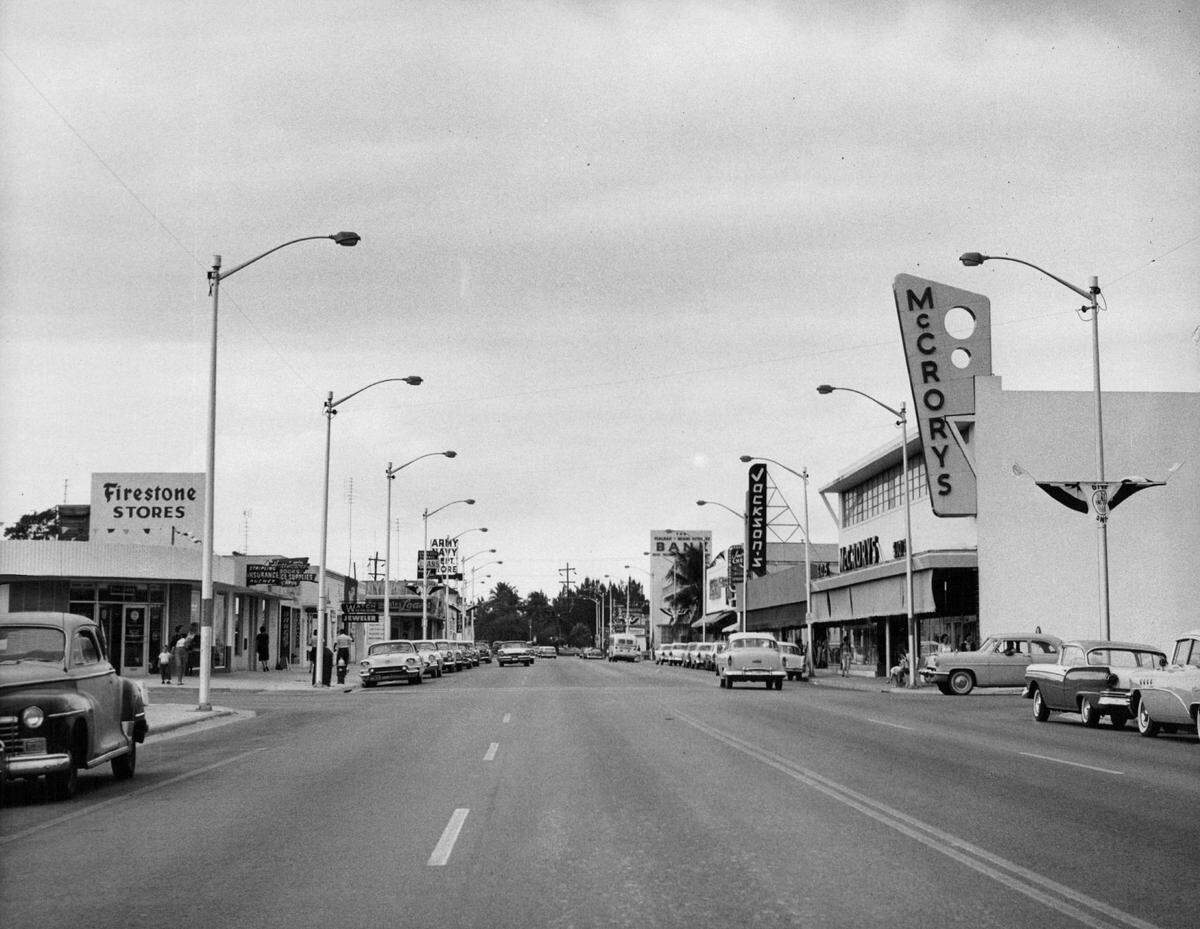
Hialeah wasn’t always a densely populated, gritty industrial center. The city started out in 1909 as a cattle ranch. By 1940, it was still a sleepy Southern hamlet with about 5,000 residents.
The city’s economic boom began after World War II when Henry Milander, who reigned as mayor of Hialeah for more than 30 years, offered companies that settled there a 10-year exemption from local taxes. The plan worked. By the mid-1960s, there were about 2,000 manufacturing operations in the city, up from just 20 in 1945. Everything from dresses to cabinets, shoes to windows carried “made in Hialeah” labels. Milander’s tax exemption was in place for only a few years, but factories continued to open their doors in the “City of Progress.”
Throughout the 1960s, ‘70s and early ‘80s, working-class families fleeing Fidel Castro’s regime in Cuba discovered Hialeah. The housing was inexpensive, and the factories, especially the city’s growing labor-intensive apparel and textile industries, provided work.
The Cuban enclave has attracted other Latins to the city. Today, Nicaraguans, Colombians, Venezuelans and Puerto Ricans work alongside Cubans in Hialeah’s factories. The 1990 census found that Hispanics comprised nearly 88 percent of the city’s 188,000 residents.
This abundant labor pool has become one of Hialeah’s main attractions. It drew Jennelle Inc., which manufactures children’s wear, to the city 14 years ago. “It makes more sense to go where the labor force is, rather than have it come to you,” said Andrew Dubin, who manages the company started by his father in New York City.
Manufacturing remains the base of Hialeah’s economy, but foreign competition has changed how companies operate and even has wiped out some firms in the last 10 years. Companies in labor-intensive industries such as apparel, textile and shoe manufacturing have found that they can’t compete with the inexpensive labor found in the Far East and the Caribbean. The number of Hialeah workers employed by apparel and related textile companies shrank to 4,942 in 1988 from 5,930 in 1977.
For instance, Gator Industries, a shoe manufacturer, was forced to lay off half of its work force in the mid-’80s and begin importing the parts it once made. Gator President Guillermo Miranda Jr. said the company wouldn’t be in business today if it had to make all its shoes from scratch in the United States. Nowadays, Gator makes about 15 percent of its shoes and imports the rest from several Asian countries.
However, in recent years, Hialeah has benefited from its close proximity to the Caribbean and Latin America. Several trade initiatives allow apparel firms to cut garments here, stitch them together abroad and then bring them back to the United States for finishing and distribution to retailers. Apparel manufacturers, which have shifted their manufacturing operations to the Caribbean, have set up shop in Hialeah. Companies that cut and prepare garments for sewing also have found a home in the city.
Since 1988, 59 new apparel and related textile companies have set up shop in Hialeah. Luis Gomez-Dominguez, an economist with Hialeah-Dade Development Inc., said most of these newcomers are companies taking advantage of the Caribbean trade initiatives.
Bend ‘n Stretch Inc., which manufacturers children’s knit sleepwear, has heavily automated its cutting, embroidery and screen-printing facilities at its Hialeah plant. But all of the sewing is done at its factory in the Dominican Republic, president Mano Howard said.
Manufacturing remains the heart of Hialeah’s economic base, but the city’s service sector has also grown in the past 20 years. Retailing, bustling along West 49th Street, and banking, with more than 45 outlets, have thrived.
In 1990, more than 67,000 residents were employed in the service sector; about 20,000 held manufacturing jobs. Gomez- Dominguez estimated that many of the 3,000 jobs lost last year were in the service sector, which has been hurt more severely by the recession.
Coulter’s decision to leave Hialeah isn’t a negative statement about the city. “Coulter has lived happily in Hialeah,” said Anne Lynn Keplar, a company spokeswoman. Coulter’s experience in Hialeah “can serve as an example of how a start-up company can thrive” there, she added.
But Coulter’s and Winn-Dixie’s departures offer glaring evidence that Hialeah isn’t able to compete with more spacious, newly industrialized areas. Much of the city’s abundant warehouse space is in tired, old buildings.
Some empty lots on East 10th Avenue, one of the city’s main industrial corridors, have become junkyards. Crude handmade signs hawk wares and services. Buildings are crowded together with little space for parking or trees, and across from residential areas. When it rains, many areas flood.
Getting to the front gate of Tower Paint is like navigating a maze. Delivery trucks jut out into the narrow roadway at odd angles as they maneuver to reach the loading docks of factories along West 27th Street. Employees’ cars are parked two and three deep in front of each factory. Lunch trucks hog space.
Such settings don’t appeal to today’s burgeoning high-tech firms.
“They want to hear birds singing and see trees when they look out their windows,” said Michael Silver, a broker with CB Commercial Real Estate, who has leased space for several companies in Hialeah.
To remedy some of these conditions, the economic development plan presented last week focuses on annexation. The city is eyeing a 13-square-mile section of vacant land that stretches from Hialeah’s northwestern tip to the Broward County line west of Interstate 75.
Hialeah also wants to annex two square miles east of the city, between Northwest 107th and 127th streets. This site is zoned for industrial use. Much of the area is already developed, but there are some vacant parcels.
Acting Mayor Julio Martinez believes Hialeah is “the most logical choice” to annex these sections of unincorporated county land because the city can easily provide the infrastructure, such as water, sewer and utility lines, needed for development, as well as police and fire protection.
The city “is almost at the point of stagnation if we don’t acquire new land,” Martinez said.
The proposed economic development plan also calls for revitalizing some of the older industrial areas. The city has started a revitalization project along the northern stretch of East 10th Avenue, widening and repaving the roadway, adding shoulders, lighting and drainage.
Another possibility is to “create” an industrial park in an existing section by painting buildings the same color, adding landscaping, lighting, more parking, and clearly marking entrances and access routes. This idea could be tested with some of the buildings that Coulter will vacate along West 20th Street. The company now occupies eight buildings on this street. For this to succeed, the city must get the cooperation of building owners and factories nearby, because these cosmetic touches will cost them some money.
Many aspects of the economic development that the City Council is studying have been presented before. As early as 1984, Rojas, Hialeah’s economic development director, told former Mayor Raul Martinez that the city’s employment base could be severely hurt by foreign competition and the emerging problems in the airline industry.
In the late ‘80s, the city used a $100,000 state grant to map out the development of a productivity improvement center. International Business Machines Corp., the University of Miami, Florida International University and a local architectural and engineering firm worked on the project for two years.
The productivity center was envisioned as an incubator for start-up companies and their support industries. The plan was to tap into the brains at local universities and provide researchers with ready customers from Hialeah’s manufacturers to test new technologies.
The productivity center project, as well as a previous plan for annexation, died because former mayor Martinez wasn’t interested. The City Council, which he dominated, didn’t fight for the project.
This time around, council members are more attuned to the urgency of the city’s economic problems. They were receptive to the economic development plan that the city’s staff is pushing. The council has scheduled public hearings next month that are the first step in the lengthy annexation process.
To fund a portion of this economic development plan, Herman Echevarria, council member and president of Hialeah’s chamber of commerce, believes the city should set aside 30 to 40 percent of the $2 million the city collects annually in occupational licensing fees.
“If we miss this opportunity, we will have passed the point of no return in three to five years,” said Salvatore D’Angelo, council president. “This is our last chance to something for our city.”
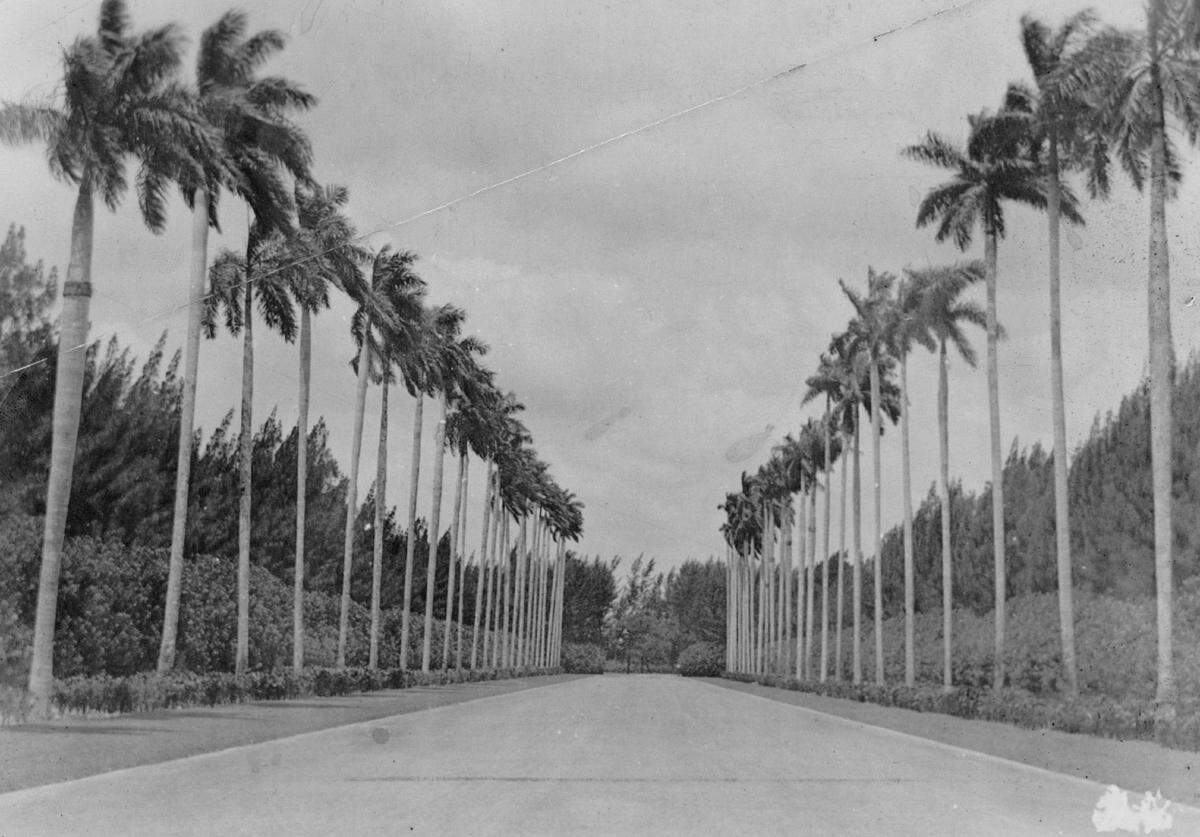
HOW HIALEAH PARK CAME BACK TO LIFE
Published Nov. 11, 1991
Hialeah Park, closed for 23 months, opened its doors Sunday. The world came crashing in.
For one Sunday in November, it was just like it was. For one day, horse racing wasn’t just some asthmatic throwback, gasping for life in the age of instant Lotto and three dozen channels on your cable TV. They lined up outside the gates of Hialeah Park early, the bettors and the lookers and the people who remembered, and in one frightening moment, they began pushing their way in.
“In all the years I’ve been here, I’ve never seen anything like it,” said Angelo Testa, Hialeah Park’s director of operations since 1959. “They were packed up there, spilling all the way across the street, and then they just crashed the grandstand gate, pushed it open. So, we just got out of the way and let them in. We let in a good 5,000 who didn’t even pay.”
And they kept coming. They kept pouring in, all 30,472 of them — more than double what management had projected — to lose some money and watch the flamingos fly. They came back to Hialeah, to this place that was supposedly dead and buried, and for one day made it vital again.
“Why? What do you think would happen if they didn’t have baseball in the Bronx for two years and the Yankees came back?” said Hialeah owner John J. Brunetti, who estimated that 5,000 more than the official number made it into the track Sunday. “It’s a tribute. It’s a welcome.”
But it also was a kind of goodbye, just in case. Because no one knows what will happen next to Hialeah: There’s this 50-date meet and no certainty that the place will open again after that. So, the largest opening-day crowd in Hialeah history came because the weather was perfect and the Dolphins didn’t play till night, but they also came because Hialeah is South Florida’s one good old jewel, and it may never be like this again.
“It’s the oldness of it, like it was 62, 63 years ago,” said Erol Reid, 39, an electrician from Kingston, Jamaica. “The antiquity, the oldness -- I like it. The past tense.”
Reid sat right in the middle of it. While the crowd packed the nearby grandstand, Reid and 15 comrades from the islands commandeered the abandoned stands where black bettors were once shunted to the side. Reid sat in the shade of the rotting stand Sunday, his dreadlocked hair collected in a tam, fully aware of the ghosts of segregation all around.
“Being here, it puts me in the position so I can feel like it was in the old days,” Reid said. “Experience not being able to go over to the clubhouse, seeing the winning post.”
Reid remembered having a big day here back in 1984, when he bet against the favored Devil’s Bag and won $1,500. Sunday, he bet $5 on Rapid Speed, an 8-1 shot, in the fourth race. It didn’t pay off. “That’s five bucks gone, but I’m used to it,” Reid said, crumpling up his ticket and tossing it on the ground. “I’m used to it after all these years.”
On the opposite end of the track, in a glassed-in press box above the grandstand, Sonny Holtzman, chairman of the state Pari-Mutuel Commission, was talking about how Sunday felt like something out of the ‘60s, when opening day at Hialeah was a coming-out party for high society.
“Have you been down to where the cocktail party is?” Holtzman said. “There are a lot of ladies there with all these hats. All the ornaments are out today.”
Down where the cocktail party was, there were plenty of hats, some resembling feathered Frisbees and veiled souffles as much as fashionable headgear. One man wore a bright pink blazer. There was the smell of money in the air, perfumed and thick. “Come on,” said one big man to his companion. “You’ve got to meet a friend of mine here from Boca Raton . . . “
It was that kind of day. This wasn’t a serious betting crowd: There wasn’t that great silence when the starting gate springs open. For much of the jostling many, Sunday was a day to make connections, see who’s in and who’s out, who’s wearing what. Hialeah did not get the prime dates this winter, and it was perfectly fitting that, for the first race here in 23 months, every horse entered was a 2-year old gunning for his first victory.
It was fitting, too, that a horse be chosen and a bet be made in honor of the occasion. So, 30 minutes before the 12:30 p.m. first post, we walked back to the stables of trainer Luis Olivares to see what he had. Current Warfare, a 9-1 shot with just one nervous race to his credit, had an intriguing bloodline: His father, Current Hope, won the Flamingo Stakes here in 1983. He was a gorgeous chestnut with a patch like white paint running down his nose.
His groom, Jose Gonzales, dished ice water onto his forelegs, then sponged down his face. The announcement came: “The second and final call for Race No. 1 was made at 11:58. Bring your horses to the paddock.” Gonzales pressed his face against Current Warfare’s and whispered, “OK, you’ll do all right. You’re looking good, my baby.”
Gonzales walked him through the tree-lined dirt to the paddock. We had heard Gonzales’ soothing words. We knew that Current Warfare was a winner. We ran to the window as the announcer boomed, “Good afternoon, everyone and welcome to Hialeah, the world’s most beautiful racetrack.” We didn’t care about beauty. We had $5. We bet it all.
Current Warfare finished eighth.
Everyone else, though, was a winner. Brunetti, Testa, the city of Hialeah, the men like Gonzales who live off this strange sporting life, Florida racing, everyone who discovered Hialeah’s peaceable splendor -- all came out ahead Sunday.
“Frankly speaking, this has always been one of my favorite tracks,” said Erol Reid. “I’ve been to Gulfstream, but this place is so beautiful. Pink flamingos, you know?”
We know. Hialeah, the only track in America that makes losing feel good, is back. And for one day, it mattered again.
MARKET HISTORY
Published June 26, 1982
“Cows may come and cows may go,” said the sign on the wall, “but the bull around here goes on forever.”
Below the sign, Henry Milander was busy dispensing steaks and ground beef and joking with old friends at Milander’s Meat Market, 215 Palm Ave.
It was a Saturday afternoon in 1970. A few days earlier, Milander, who had been mayor of Hialeah since the mid-1940s, had been found guilty by a jury of three counts of grand larceny and conspiracy.
He had been charged with conspiring to use city money to buy land that was then sold to the city at a $15,000 profit. The charge grew out of an investigation by The Herald.
Sentencing was set for Monday. My editors had sent me to the meat market to do a story on the mayor’s mood as judgment day approached.
I expected to find a nervous man. But instead he laughed and joked as though nothing had happened.
He’s really putting on a front, I thought. But when Monday came I realized that the joke was on me.
The judge put Milander on probation and withheld adjudication of guilt. This meant that technically he had never been convicted. I’m sure Milander knew that was going to happen when he talked to me on Saturday.
This memory of the only time I ever met Henry Milander came back to me as I read the Neighbors story last Sunday about the closing of Milander’s Meat Market, a true Hialeah landmark.
For more than 30 years, until his death from a heart attack in 1974 at the age of 75, Henry Milander was Hialeah.
Hialeah residents loved him. Did your street need repairs? Call Henry. He would send a crew. Did your son need a job? Call Henry. He would help. Did you get a traffic ticket? See Henry. He would take care of it.
The best thing was that he was always available, during the week at City Hall and on Saturdays at the meat market that he first owned and then continued to work at after he sold it.
Grand juries did not love Henry Milander, and vice versa. Over the years, there were any number of grand jury reports criticizing Milander for fixing traffic tickets, using city workers at a cemetery he owned and other apparent abuses of power.
The case involving the sale of land, however, was the only one that ever led to charges being filed.
Despite all the allegations, Hialeah voters continued to elect Milander every two years. Only once, in 1957, was he even forced into a runoff. I have a feeling that if he were alive today he would still be mayor.
But in many ways Hialeah has changed. The city has grown, from a few thousand residents in the 1940s to close to 180,000 now. It was nearly 100 per cent native American in the 1940s. Now it is almost 80 per cent Latin.
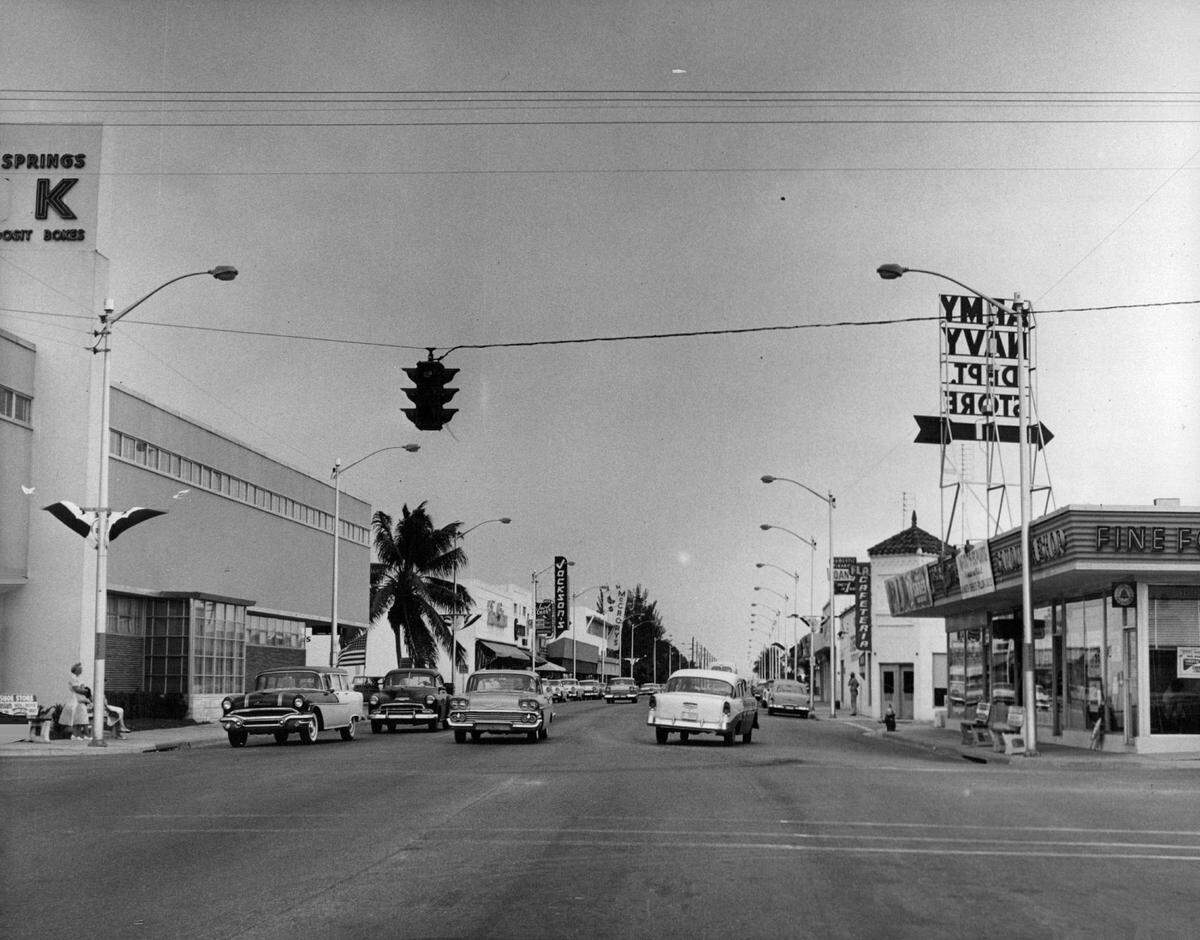
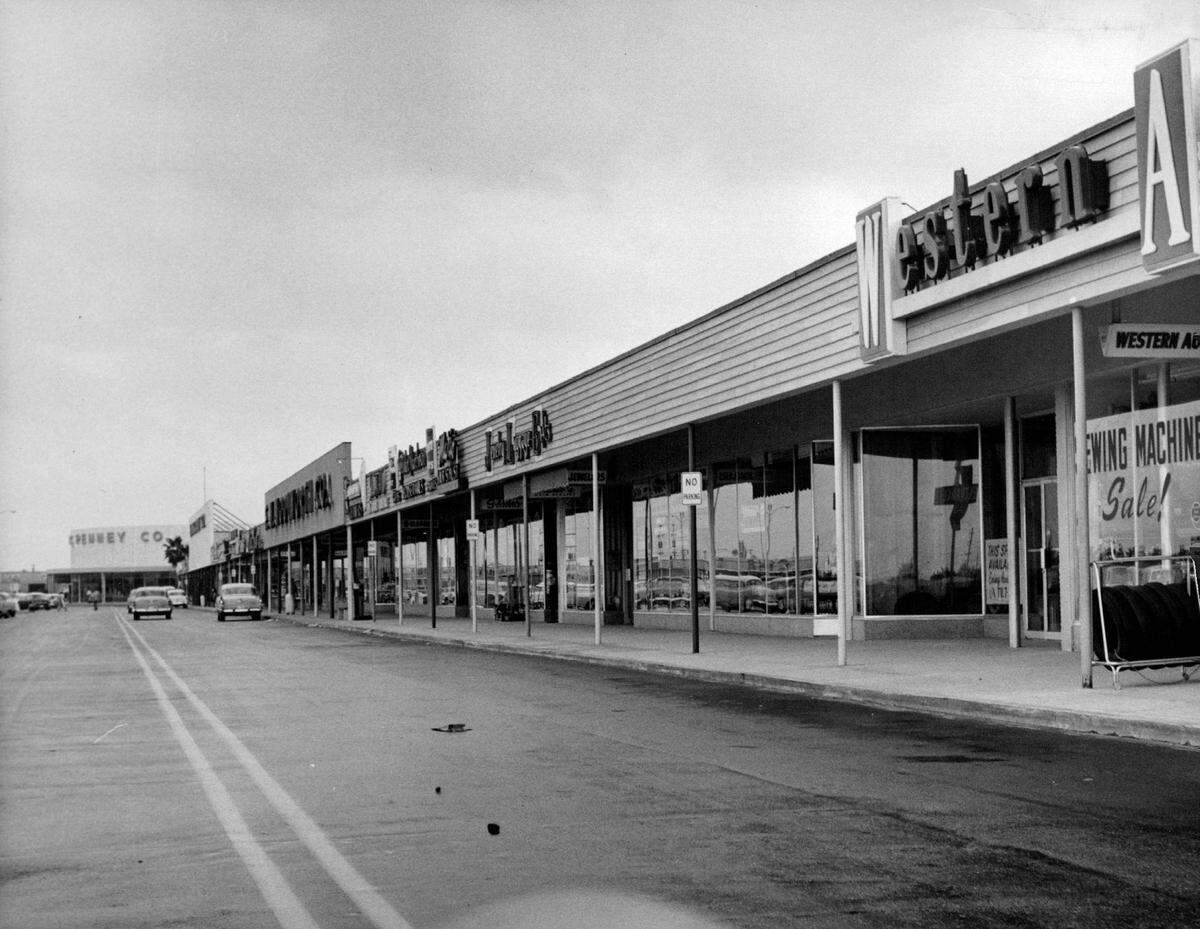
The old downtown area, where Milander had his market, declined after modern shopping centers were built on W. 49th Street in the 1960s and 1970s.
With the attraction of talking to the mayor gone, business at the market declined.
The last time I was there was in 1977. I was doing a mood- of-the-voters story in Miami, Miami Beach and Hialeah, which were having elections.
Where better to talk politics in Hialeah than at Milander’s Meat Market, I thought. I was wrong. The man who operated the market told me hardly anyone came by anymore--to talk politics, buy meat or anything else.
Later, the owner of the building, Mike Manning, turned it over to two Cubans who changed the name to Carniceria Milander. Carniceria means meat market. Manning said he insisted the Milander name remain for old times sake.
A couple of weeks ago, a sign in Spanish appeared on the door. It said the store was closed for demolition. Manning had sold it to the city for $122,000 as part of the city’s Old Town redevelopment project.
The city has big plans for the area, including a major trade center and a hotel. Just what will happen to the old meat market, however, isn’t certain.
Manning hopes it is restored, and even though I may not have approved of Henry Milander’s methods, I do too.
“It’s a historical monument in Hialeah,” Manning said. “I want it to be some kind of museum.”
- SAM JACOBS
HISTORY OF HIALEAH
Published Aug. 21, 1983
The date: April 1, 1925.
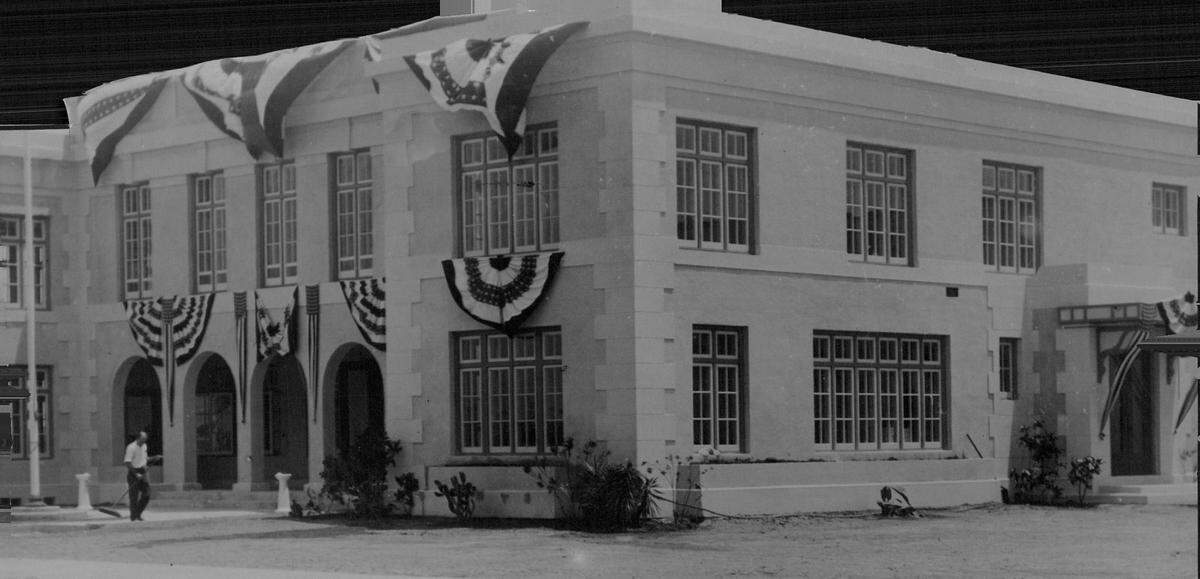
George Keen, a banker, cashed in his assets and left his small town in southern Georgia to seek opportunities in Hialeah.
“Hi-a-le-ah,” as the early settlers wrote it, was little more than what its Seminole name signified: “Pretty Prairie.” It was a frontier where snakes and mosquitoes roamed during the rainy season, and thick smoke poured from moonshine stills year round.
Land was cheap and plentiful, and investors like Keen were taking advantage of it.
“We’d sell you a lot for $10 down, $10 a month,” Keen, who is now 88, recalled. “Real estate was good business.”
As one of the first Realtors and the only insurance agent in the area, Keen played an important part in the history of Hialeah. His recollections, along with those of about 15 other first-generation Hialeans, will soon be recorded in a book tracing the history of the city.
“The people who remember the history are dying off,” said Hialeah Councilwoman Ruby Swezy. “If it isn’t recorded it will never be. And it’s a colorful history.”
Swezy, a long-time resident of Hialeah, initiated the campaign to compile the history. She and members of the Woman’s Club of Hialeah who will anchor the project began gathering information, photographs and relics from the city’s past about two months ago.
Last week, the Hialeah City Council passed a resolution agreeing to help the club with the project.
“I think there is a need to maintain the history of Hialeah,” said Mayor Raul Martinez.
“You want to have it for future generations. You never want to lose your roots, your history or your heritage.”
Incorporated as a city in September 1925, Hialeah’s history is filled with bright tales and tragedy.
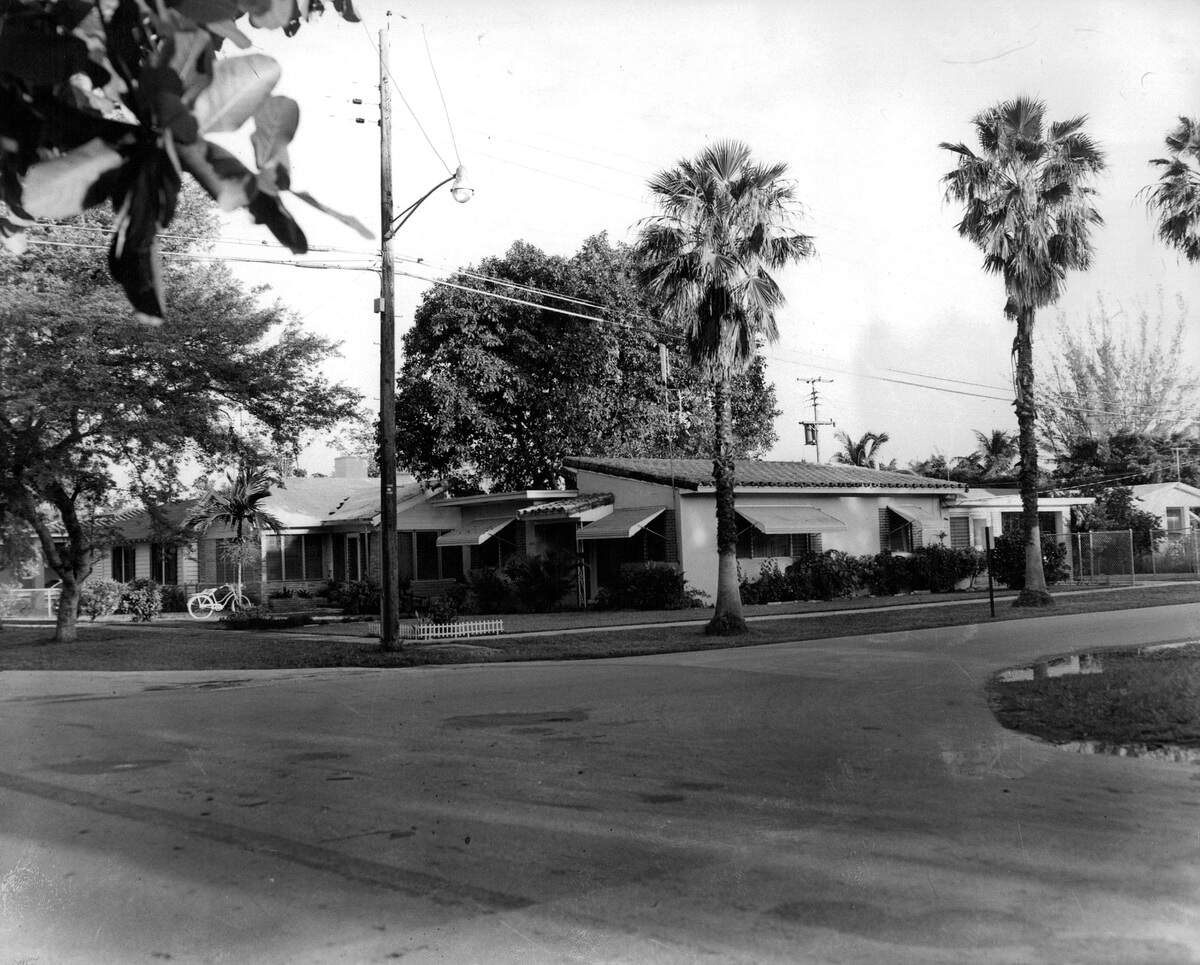
As Miami and Miami Beach blossomed in the 1920s into “America’s winter playground,” Hialeah grew up as the working man’s town.
“The service and the poor people lived in Hialeah,” remembered Swezy, whose family moved to the area in 1925.
“It was the home of bootleggers and houses of ill repute. Hialeah was known as the town without law and order.”
Swezy laughed as she recalled some of the favorite “pastimes” of her childhood.
“There was no recreation until the jockeys came to the race track,” she said. “When they came, the people would beat them up. That was the big sport.”
The Hialeah Race Track was first laid out as a dog track by Glenn H. Curtiss, a pioneer aviator and one of the first settlers in the area. It was later converted to a horse track by James Bright, the first white settler of record in Hialeah. Many of the city’s residents worked at the track.
Hialeah boomed during its first year of incorporation. Workers flocked to the area, buying inexpensive parcels of land and building “tent homes,” wood frame houses with canvas roofs.
Then, in September 1926, a hurricane struck, destroying much of the city.
“It just about wiped Hialeah off the map,” said Keen, whose insurance agency lost nearly half a million dollars in claims.
“Real estate buying stopped immediately,” he said. “You couldn’t give property away. A lot of people moved away and never came back.”
But the city survived the hurricane and the Depression and finally bounced back during World War II. It’s now the sixth- largest city in Florida with a population of more than 145,000, according to the latest census figures.
Swezy hopes to capture the flavor and intrigue of Hialeah’s past in the book. She estimates that it will take a year to compile the information and write the history. Printing the book will cost between $20,000 and $30,000.
“I don’t think we’ll have a lot of problems,” Swezy said. “Everybody is enthusiastic.”
Besides, she added, “It’s my ambition to do it.”
This story was originally published November 4, 2019 at 12:08 PM.