
The FL law to stop local meddling with Trump’s Miami library has a big loophole
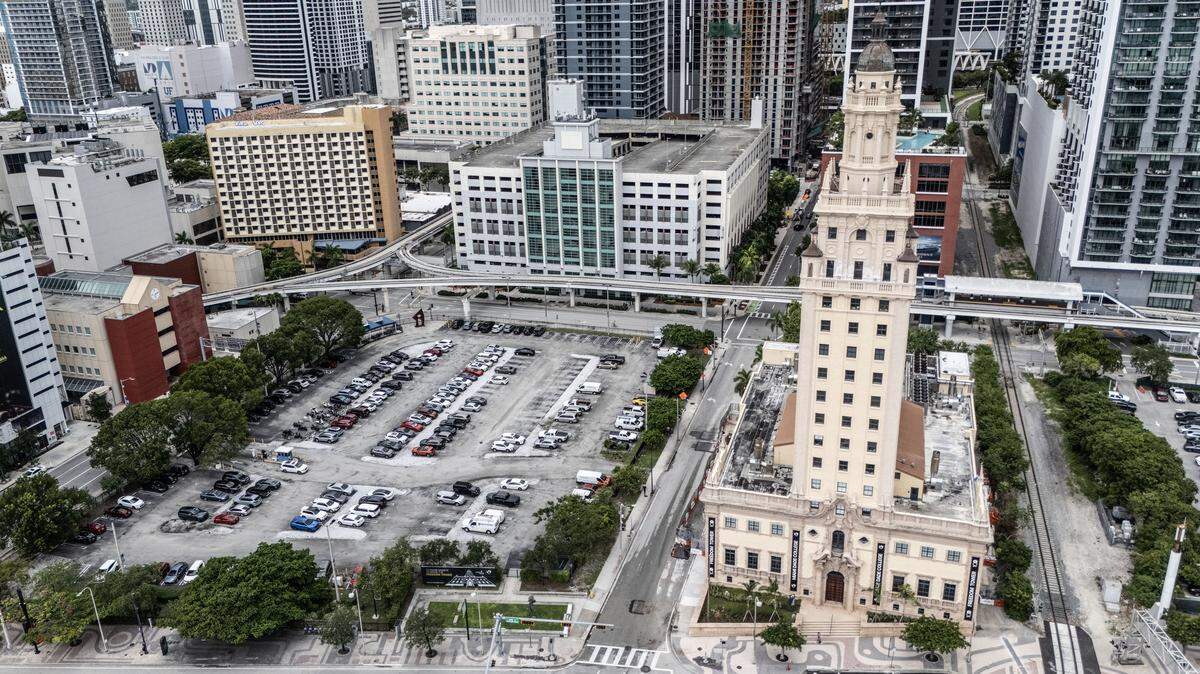
Florida’s Republican lawmakers rolled out the red carpet for Donald Trump when they passed a law last year banning cities from enforcing local rules against presidential libraries, but there’s a catch that could give Miami officials far more power over Trump’s plans than Gov. Ron DeSantis intended.
The state law DeSantis signed last summer bars local governments from enforcing regulations hindering the construction or operation of a presidential library, as defined by the federal Presidential Libraries Act.
But Trump’s plans for a skyscraper presidential museum and potential hotel in Miami don’t appear to meet that definition.
There is already a formal Trump presidential library administered by the National Archives and Records Administration (NARA) holding records from his first administration. It’s a document warehouse in College Park, Maryland.
His planned legacy project in downtown Miami with a replica of the White House rose garden and ballroom, to be funded by $1 billion in tax-exempt donations, would only count as a federally administered presidential library if Trump’s private foundation agreed to partner with NARA.

The Donald J. Trump Presidential Library Foundation, which did not respond to a request for comment, has not indicated plans to do so.
NARA’s requirements include creating an endowment for the federal agency valued at 60% of the total construction cost. That would require Trump’s library foundation to give upwards of $600 million back to the federal government to maintain his presidential records, depending on the cost to build his planned skyscraper.
Benjamin Hufbauer, a professor at the University of Louisville who studies presidential libraries, said it “seems like a flaw or loophole” in a state law intended to force local lawmakers into supporting Trump’s plans.
Trump’s plans are more akin to a presidential museum or center than a presidential library under state and federal law, he said.
“Without the 60% and building the archival facility, it wouldn’t be a NARA library,” according to Hufbauer. “As far as we know it is not going to be a NARA presidential library, just like Obama’s isn’t.”
Barack Obama was the first president to reject the formal partnership with the federal government. His legacy project is called the Obama Presidential Center, after his foundation opted not to build a presidential library.
Unlike the public-private partnerships other presidential foundations have with the federal agency to administer presidential libraries on site, Obama signed an alternative agreement to digitize and display some of his presidential records instead. The federal government maintains the physical records off-site.
Obama’s unique structure set a precedent for Trump to do the same, and to also avoid the steep 60% endowment cost to partner with NARA.
The difference between an official NARA presidential library and private presidential museum is minimal for public visitors — but it could have sweeping legal implications for how and whether Miami can regulate, negotiate and restrict Trump’s plans for the downtown skyline.
“The records themselves are probably going to remain, they’re going to live in the National Archives campus, probably in College Park, Maryland,” presidential history scholar Luke Nichter said of Trump’s plans. “What you’re going to have in Florida is going to be a real estate deal, which is something I think that President Trump is experienced at.”
NARA did not respond to questions about whether there were any ongoing negotiations with Trump’s library foundation.
Real estate negotiations
Miami’s local officials have largely avoided addressing Trump’s skyscraper plans. The land Miami Dade College and the state of Florida gave to Trump’s foundation for the project is favorably zoned for development, and would likely require few, if any, additional zoning changes or approvals to build a skyscraper on site.
But if the state law tying local officials’ hands doesn’t apply to the project, city and county governments could have more options to put up new hurdles. The offices of the mayors of Miami and Miami-Dade County did not comment on Trump’s plans in response to questions from the Miami Herald.
State Rep. Alex Andrade said he drafted the state presidential library law with that possibility in mind. The law came out of joking discussions he had about the potential “wailing and gnashing of teeth” on zoning boards to oppose a Trump presidential library. He was initially imagining the Democratic-leaning Palm Beach County as the place these fights could play out.
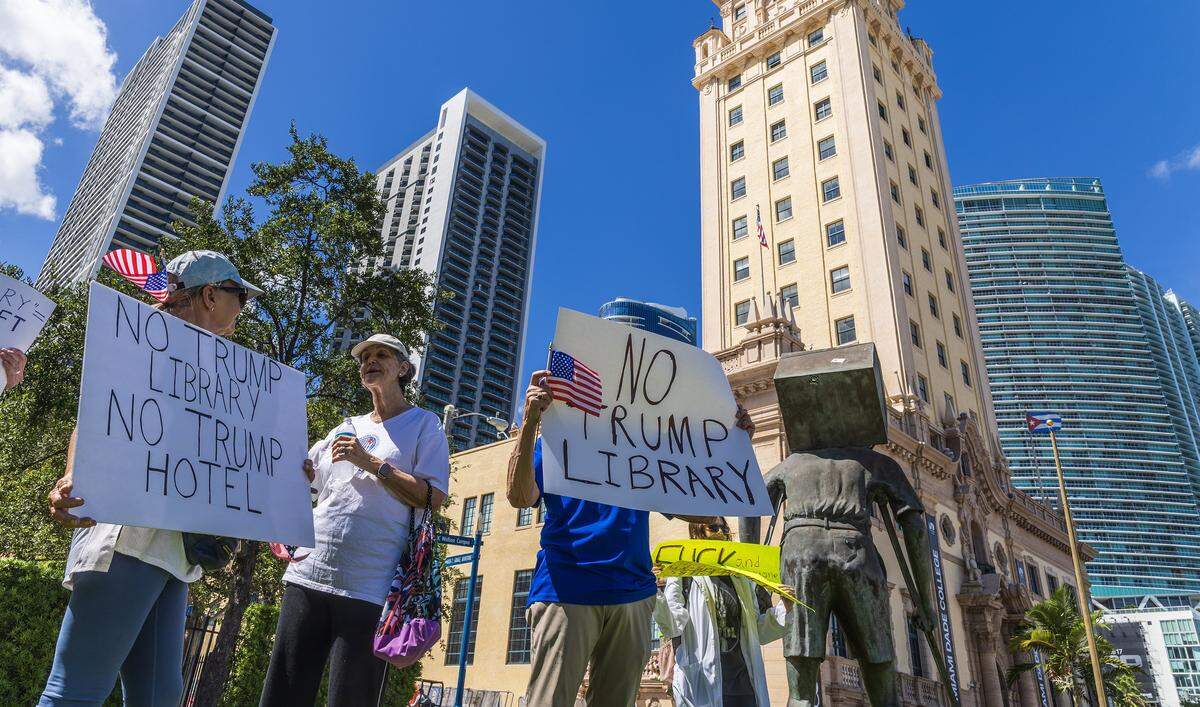
He and the bill’s state Senate sponsor Jason Brodeur told the Herald there wasn’t any discussion about the possibility that Trump’s project wouldn’t fall under the definition of a library “administered” under the Presidential Libraries Act. Attempts by local officials to jump through that loophole could face legal challenges, Andrade said.
“Administered is not defined under the Act, so it would be an argument over the definition of administered,” he said, adding that there’s also the possibility of the legislature amending the law to remove the narrow legal definition of a presidential library.
Legal challenges
Trump’s presidential center could face other legal challenges too.
Trump told reporters in late March the upper levels of his planned downtown skyscraper could become a commercial hotel, after his foundation shared renderings of the building plans in March.
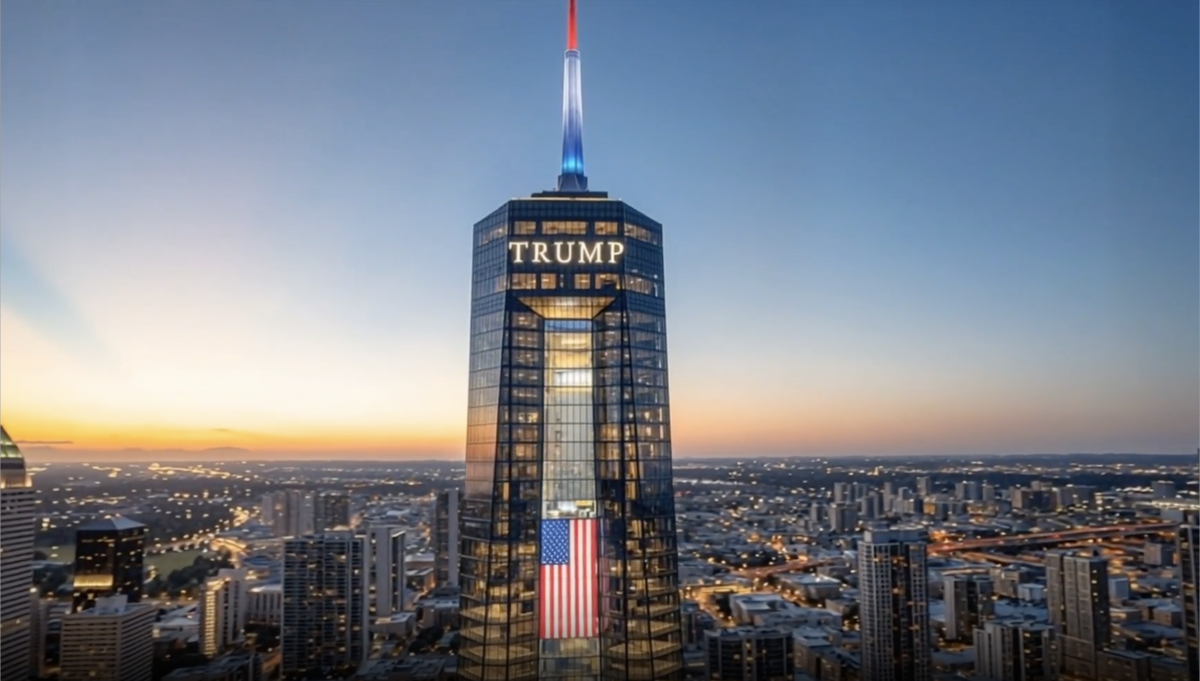
Trump’s foundation is calling the project a presidential library, without signing a public agreement with NARA, and has received nonprofit status from the IRS — as other private presidential foundations do as well.
But a commercial hotel on-site is unprecedented, and could put the foundation’s tax-exempt status at risk if it represents a substantial portion of the foundation’s revenue.
The potential consequences of using tax-exempt dollars to build a for-profit entity could include stripping the foundation’s nonprofit status, or requiring it to pay back taxes on dollars spent to construct a commercial building.
“You would assume that if, in fact, it goes in this direction there would be enough news interest and stuff that somebody at the IRS would wake up and look at this,” said Ben Tesdahl, an attorney who represents nonprofits. “It’s just so unusual.”
Tesdahl pointed to the fact that Trump’s library foundation already got special treatment once from the IRS, when the agency expedited and approved their application for tax-exempt status much faster than usual amid a government shutdown.
“And they got this land for a bargain, so a lot of favors going on. But the law is the law and hopefully if there was something improper that somebody would look into it,” he added. “It may be during the next administration.”
.jpg)