
Tri-Rail has made two recent changes. What to know if you ride the train

South Florida’s commuter train has had added a new route and is also reminding riders to pay up.
In 2024, Tri-Rail rolled out an extension to downtown Miami, which runs from Hialeah to the Brightline station. And without a turnstile and a potential budget crisis, the railway in 2025 has issued reminders on signs, conductor announcements and more random checks on board to buy a ticket to ride.
Here’s what to know:
Tri-Rail to downtown Miami
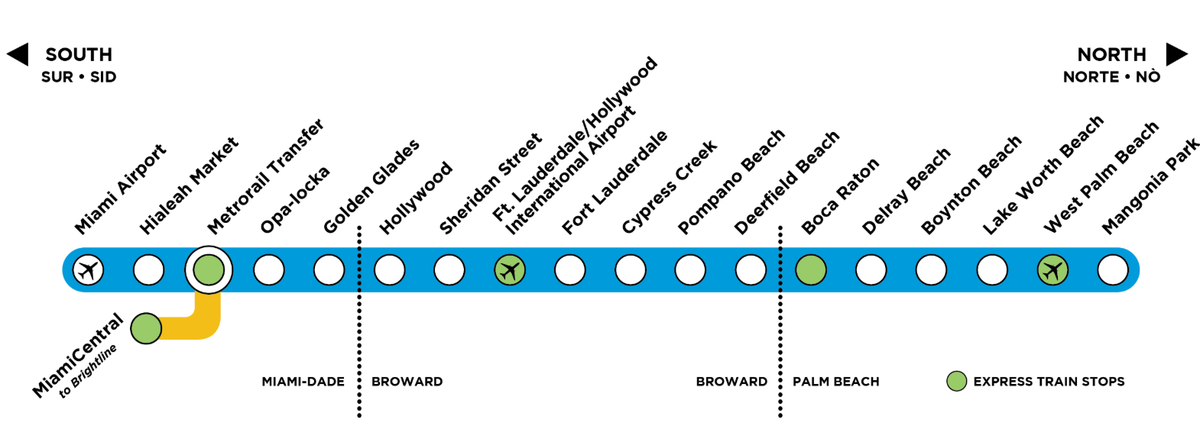
Tri-Rail, which runs mostly along the I-95 corridor from Palm Beach County to Miami International Airport, has rolled out a leg that takes travelers to downtown Miami.
Route extension to downtown: The nine-mile extension runs from the Tri-Rail Metrorail Transfer Station, 2601 E. 11th Ave. in Hialeah, for the trip to downtown Miami. The $70 million taxpayer-funded new leg runs along the FEC railway corridor. The last Tri-Rail route expansion was to Miami International Airport in 2015.
Stations: Tri-Rail trains from Hialeah will stop at MiamiCentral station, 600 NW First Ave. in downtown Miami. Brightline trains run from that station, with stops in Aventura, Fort Lauderdale, Boca Raton, West Palm Beach and Orlando. The downtown Miami station connects with Miami-Dade Transit buses, Metrorail, and Metromover.
MORE: Things to know about riding the rails in Miami
Tri-Rail’s traditional route
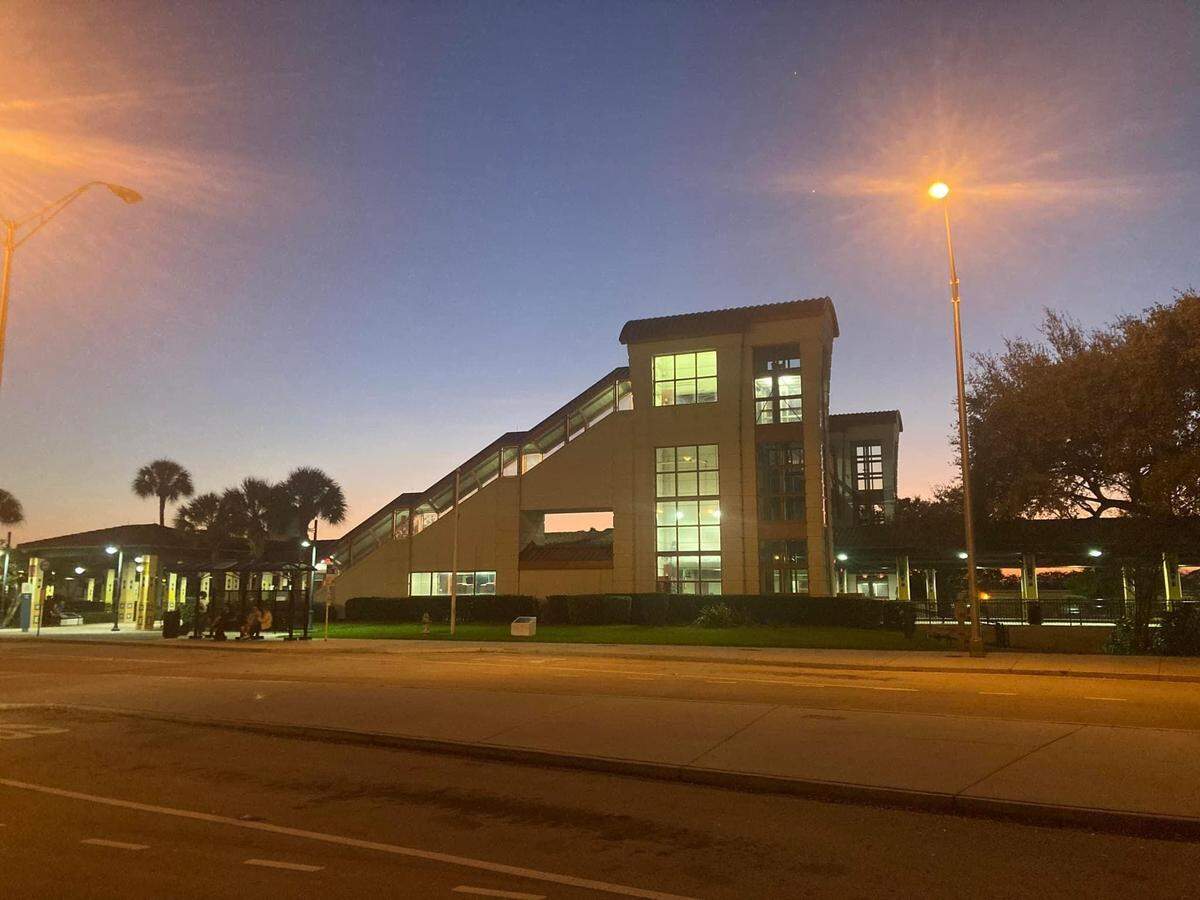
Train service: Tri-Rail service, which started in 1989, stops at 18 stations through Miami-Dade, Broward and Palm Beach counties, from Miami International Airport through Golden Glades in Miami-Dade County, Hollywood through Deerfield Beach in Broward County, and Boca Raton and on to Mangonia Park Palm Beach County.
More information: tri-rail.com
Tri-Rail fare
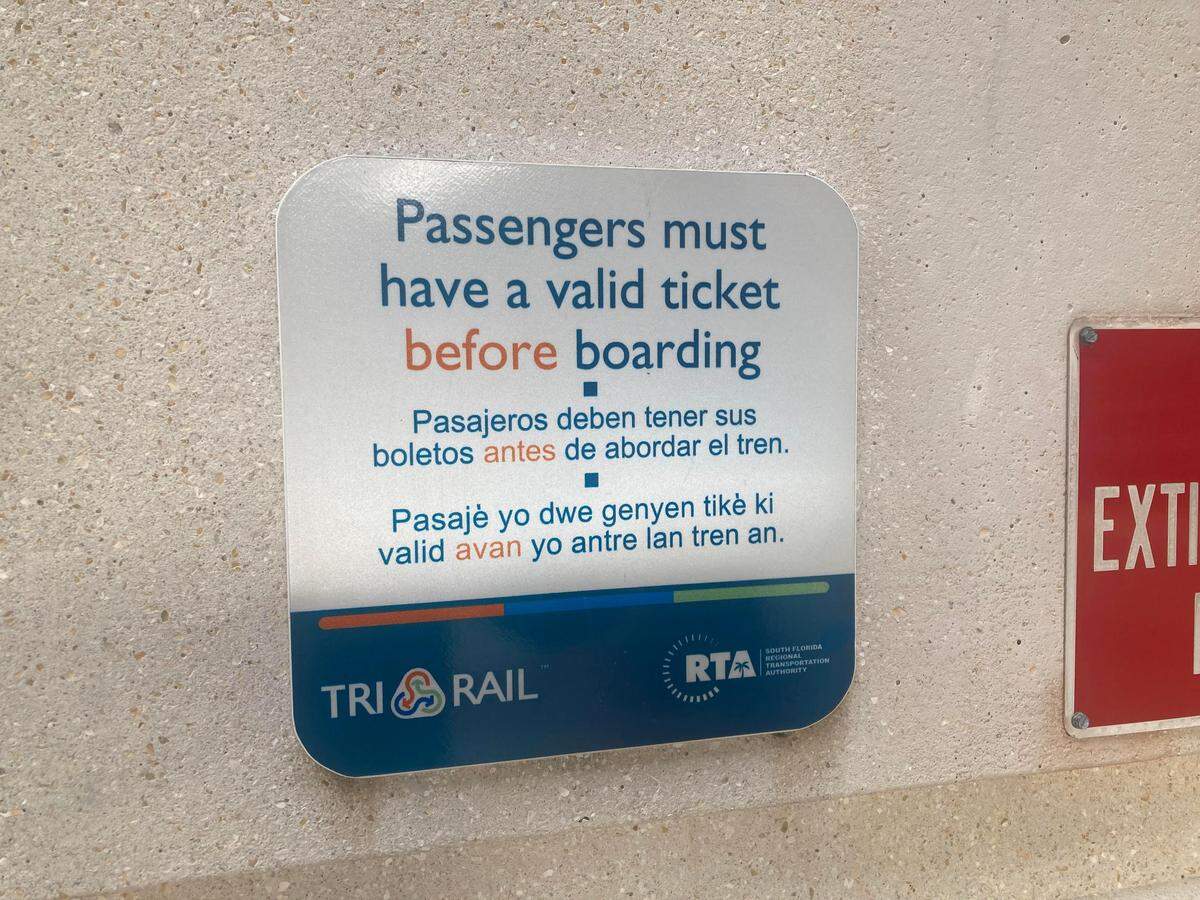
Unlike Metrorail or your favorite theme park, Tri-Rail doesn’t have a ticket turnstile to board.
What to know about paying your fare:
▪ Cards: Monthly paid passengers can tap their card before and after boarding at a station kiosk.
▪ Station: Paper tickets can be purchased at station kiosks.
▪ App: Daily or monthly passes can be purchased electronically on the Tri-Rail app. An electronic wallet holds the passes. Daily electronic passes are valid for four hours from time of purchase.
▪ Cost: Tri-Rail charges by zone ($2.50 to $8.75 one-way depending on trip length) and also offers discounts, including for students, seniors, and for a child or a person with a disability. Frequent riders can buy 12-trip and monthly passes.
Enforcement: Security officers on board make random ticket checks. Conductors also make occasional announcements on having a ticket to ride and signs are posted at stations.
Taking Tri-Rail to South Florida airports
Tri-Rail has stations that serve the Miami and Fort Lauderdale airports:
▪ Miami: If you take Tri-Trail to the Miami airport station, the MIA Mover, an elevated people mover, will take you to the terminals. Several transit options converge at the Miami Airport Tri-Rail station, including Miami-Dade Transit buses, Metro Connect car service and the Metrorail Orange Line.
▪ Fort Lauderdale: Broward airport shuttle: Free, seven-day-a-week shuttle bus service operated by Tri-Rail takes passengers from the Fort Lauderdale Airport station to theterminals at Fort Lauderdale-Hollywood International Airport.
This story was originally published June 11, 2025 at 6:15 AM.