
Jungle Island eco-resort plan gets an OK from Miami commission, but it’s not final
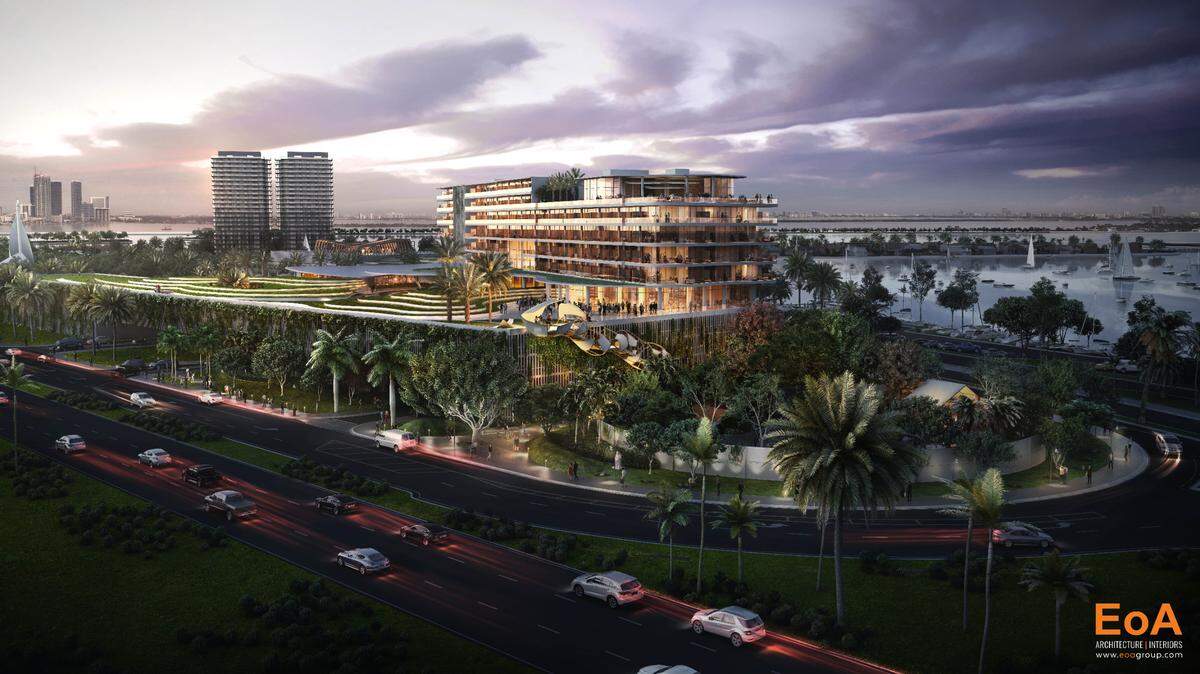
Miami commissioners gave their unanimous initial approval Thursday to the bulk of a complex plan that would transform the long-struggling Jungle Island attraction on city-owned Watson Island into an “eco-adventure” resort with a hotel.
But the 5-0 vote came only after commissioners extracted a promise from Jungle Island owner ESJ Capital Partners to pay $900,000 in overdue rent to the city by the time they hold a second and final public hearing on the application, likely at the end of February.
ESJ partner Elie Mimoun told commissioners his group has been seeking to defer rent payments because the COVID-19 pandemic has forced closure of most of the park for 10 months. Only Jungle Island’s beach club, Joia, is open and ESJ is up to date on rent for that portion, Mimoun said.
Thursday’s vote came with little discussion on a massive package of zoning and land-use changes ESJ is seeking in order to build a voter-approved hotel and install an extensive series of recreational features, including a zip-line course and water slides. The package, which Mimoun told commissioners would cost around $120 million to bring to fruition, received a strong endorsement from the city’s planning and zoning board last month.
The changes commissioners approved on first reading include a Special Area Plan, a sometimes-controversial zoning category that provides developers additional density or planning flexibility. Under a long-term lease agreement with the city, ESJ would be obligated in exchange to make about $1.5 million in contributions to funds for affordable housing and other public benefits.
But the board postponed consideration of two key zoning changes for two weeks after Commissioner Manolo Reyes asked for more time to analyze them.
The changes would do two things: First, reclassify the attraction’s massive parking garage, now oddly designated as park space, for commercial use to allow construction of the hotel on top. The city then also wants to classify the larger Hobie Beach on the south side of the Rickenbacker Causeway as park space.
Through an oversight, the beach was never formally classified as a park. The strategy would allow the city to show an increase in park acreage on paper and allow it to satisfy a vaguely-worded policy calling for no net loss of open green space.
Reyes said he’s concerned with how the strategy on Jungle Island could set a precedent for a controversial voter-approved proposal, which he opposes, to turn the city’s Melreese Golf Course over to the Inter Miami Major League Soccer franchise for redevelopment as a commercial center and stadium. That deal, still in the works, would require Inter Miami’s owners to fully replace the lost green space with new park space somewhere else.
If the commission approves the two postponed park-related rezonings at their next meeting on Feb. 11, the entire Jungle Island plan would go to a second and final vote on Feb. 25.
But commissioners, led by Joe Carollo, made it abundantly clear to Mimoun that passage of the changes will hinge on ESJ’s ability to tap investors to keep current on its rent payments. Carollo and colleagues explicitly cited fears of repeating the experience of a long-stalled plan for a resort hotel and shopping center across the MacArthur Causeway on Watson Island that has yet to break ground 20 years after voters approved it.
The developer of that project, Flagstone, sued and won a $20 million settlement from the city when a judge ruled commissioners improperly tried to kill the deal. Carollo aimed numerous barbs during Thursday’s hearing at veteran lobbyist Brian May, who represents both Flagstone and Jungle Island.
Carollo volubly complained about the $20 million and at one point called May “a tick” who has to be “burned off.” May, who was present at the hearing, did not respond.
This story was originally published January 28, 2021 at 8:40 PM.