
A wealthy family says its land was used without permission. Doral could pay the price.
In January, the city of Doral struck a tentative deal with one of its wealthiest landowners to buy nearly 10 acres of mostly vacant land for over $10.7 million and turn it into a park.
Ten months later, the landowners — including the daughter of the late, prominent developer Lowell Dunn — say the city illegally let contractors onto the site, then tried to back out of the deal after the land became contaminated.
At the heart of the dispute: Who was responsible for the contamination — and when?
A lawsuit filed Thursday in Miami-Dade County Circuit Court puts blame on the city, saying it engaged in a “comprehensive, organized, and unauthorized cover-up” to cause and then conceal the contamination along with three contractors: JVA Engineering, EE&G Environmental Services and BCC Engineering.
The plaintiffs — Dunn’s daughter, Lizbeth Arencibia, her husband, Rene Arencibia and their company Doral 10 LLC — are seeking $30 million in damages. The property in question is between Northwest 102nd Avenue and 104th Avenue just north of 68th Street.
“I can assure you that all of the responsible parties are going to have to make Doral 10 whole and compensate them for the horrible damages they’ve caused their property,” Michael Pizzi, the former mayor of Miami Lakes and an attorney for the landowners, told the Miami Herald.
But city officials say JVA Engineering made an honest mistake when it used the family’s property as a staging area for a roadway extension project, not realizing it had crossed onto the property from an adjacent one. Plus, the city officials claim, the property was already contaminated before the mistake was made.
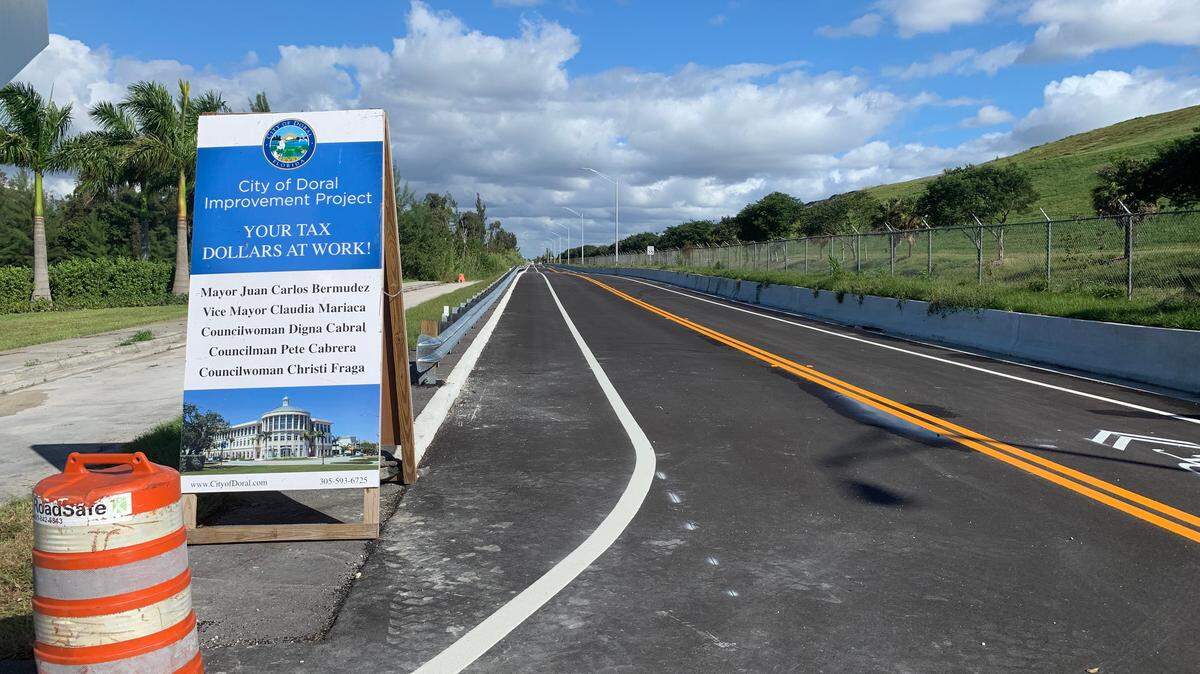
At the same January meeting in which the Doral City Council approved a letter of intent to buy the Doral 10 property, JVA Engineering received an unrelated $2.7 million contract from the city to extend Northwest 102nd Avenue, a road that is the eastern border of the family’s land.
The lawsuit says the city let JVA use the property as a staging area for the road extension project, which resulted in contamination after the company dumped soil onto the property.
But according to documents city officials provided to the Miami Herald, the city received a report from EE&G Environmental Services on Jan. 25 that said naturally occurring arsenic had been found in surface-level soil on the property. In response, the county’s Division of Regulatory and Economic Resources ordered further testing at the site on Feb. 8.
City Attorney Luis Figueredo pointed out that this was all before the city gave JVA a work order to start the roadway extension project on Feb. 13.
Figueredo added that JVA, without the city’s knowledge, made an agreement with the owners of property adjacent to Doral 10’s land to use it as a staging area. JVA didn’t realize when it encroached on Doral 10’s property because there was no barrier between the plots of land, he said.
Exactly when JVA was on the land, and the environmental impact of its presence, is not yet clear. Both the city and the family say they didn’t learn about the encroachment until early May.
The city says it had already backed out of the land deal by then. In order to turn the property into a park, as the city had hoped, it would have cost at least $2.8 million to clear contaminated soil from the site, according to an assessment by the city’s engineering department in April.
The city’s chief of engineering, Eugene Collings-Bonfill, said the arsenic levels at the site were acceptable for commercial use, but not for a park. Figueredo said the city was simply doing its due diligence before committing to the deal.
“One unfortunate mishap has nothing to do with the city’s decision not to move forward with the [sale],” Figueredo said. “It just wasn’t a fit for the city for a park.”
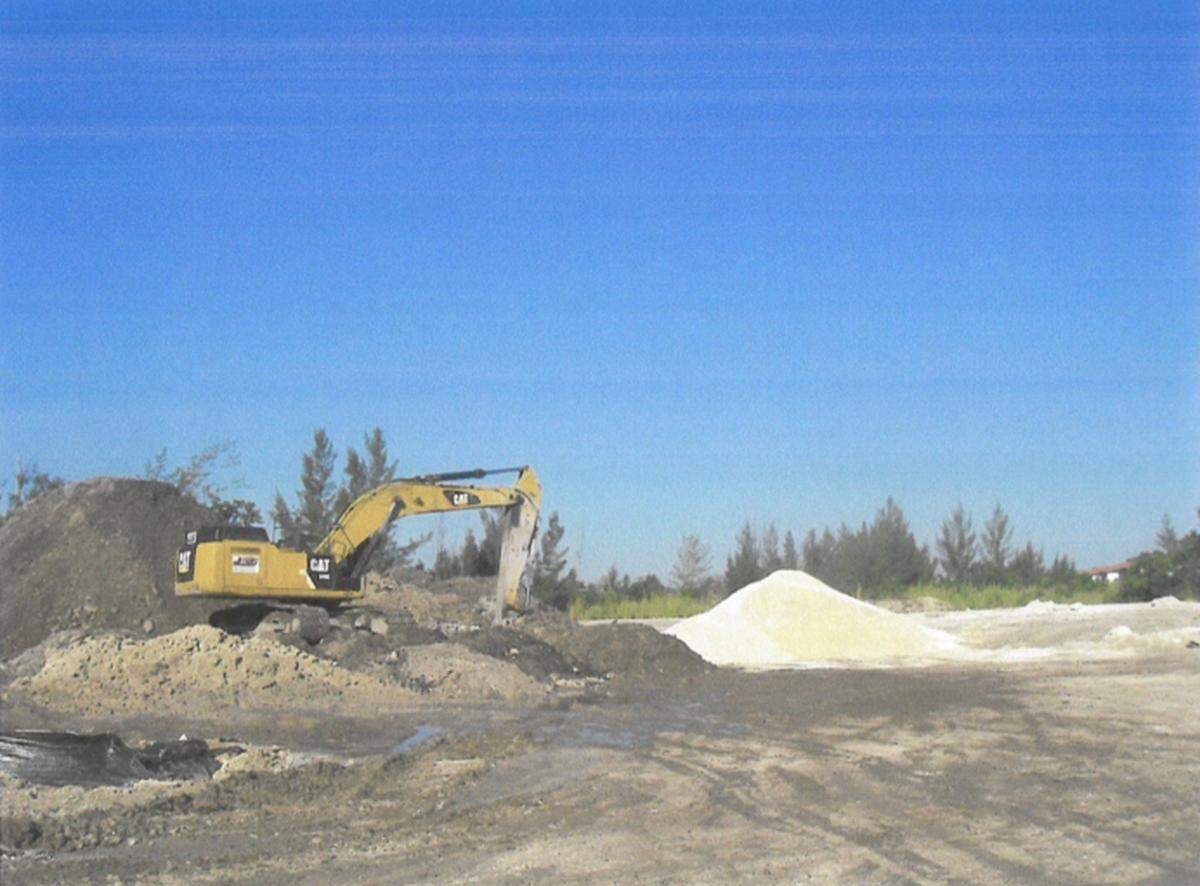
The lawsuit alleges that JVA not only used the property as a staging area but took contaminated soil that it dug up during the roadway project and dumped it onto the property.
The complaint also paints a report that EE&G provided to the city and the county in April as a deliberate attempt to cover up the fact that the contamination had been caused by JVA’s use of the land.
JVA has since acknowledged that it “mistakenly” used the property and deposited about eight piles of soil there consisting of “construction debris, tires, asphalt, and vegetative debris,” according to a September letter that the Division of Environmental Resource Management sent to Doral 10 and JVA.
County officials said in that letter that several debris piles had been found at the site that weren’t there in late 2018, and that the overall condition of the property had “significantly changed” during that time.
Reached for comment Friday, a project manager for JVA, Rafael Ramon, told the Herald the company had not yet been served with the lawsuit but said he believes the situation is a “massive misunderstanding.” He declined to elaborate before reviewing the complaint.
Representatives for EE&G could not be reached for comment. BCC Engineering, a firm the city hired to monitor the roadway project, declined to comment.
Pizzi said county officials are continuing to test the site to assess the conditions there. A spokesperson for the Division of Regulatory and Economic Resources did not immediately respond to questions about the testing timeline.
The family says the property’s value has been destroyed.
“We relied in good faith that the City of Doral intended to purchase our property, only to learn we were defrauded by the City in its unauthorized use of the property for the Roadway Project construction, resulting in contamination and damage to the property,” Lizbeth and Rene Arencibia said in a statement.
The couple added that they intend to “recoup the entire value of [their] investment.”
The roadway project, which is nearly complete and will extend Northwest 102nd Avenue so it connects 66th Street and 74th Street, is one of several ongoing construction efforts in a quiet, sparsely developed area of northern Doral.
In September, Doral 10 filed a lawsuit to compel the city to turn over documents related to the construction project, saying the city was refusing to release internal emails and other records. That case was dismissed last month after the city complied.
The land purchase, meanwhile, represented an opportunity for the city to create a new green space as part of an initiative to ensure that every resident lives within a half-mile walk of a park.
Lizbeth Arencibia helps run the Lowell Dunn Family Corp., a nonprofit with over $34 million in assets, according to public tax filings.
Her father, Lowell Dunn, who died in 2007, was a major developer in Northwest Miami-Dade.
This story was originally published November 12, 2019 at 3:23 PM.