
At 101, this South Florida World War II veteran still leads a life of service
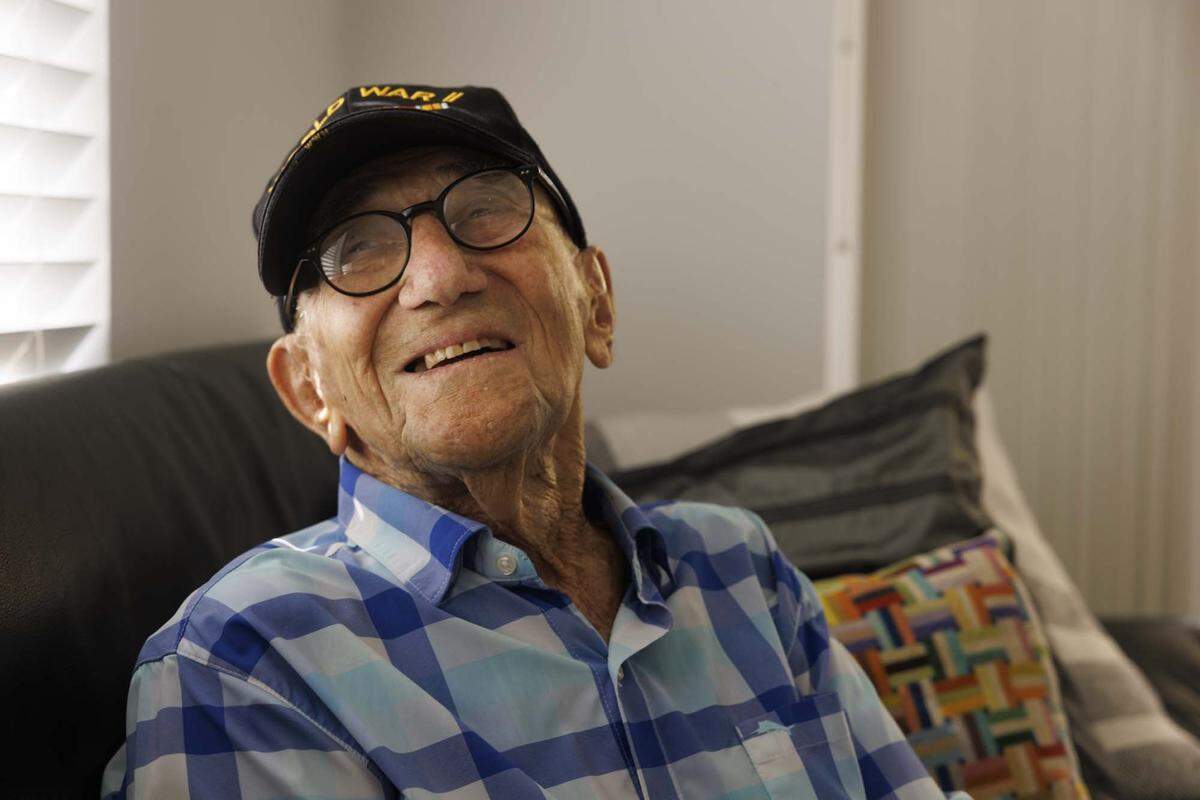
At 101, Hal Silberman likes to keep a busy schedule.
Every morning, he leads an exercise class in the movement room for the residents of The Palace, a senior living facility where he lives in Coral Gables.
Silberman credits daily exercise to his longevity, he said in an interview with the Miami Herald a day before his May 1 birthday. Silberman is one of South Florida’s oldest living World War II veterans, having served as a communications and decoding officer aboard the battleship USS Arkansas in the Pacific.
After the exercise class, which is preceded by breakfast, Silberman goes straight into a game of chess, followed by table tennis and a daily dose of dancing from 4-5 p.m. before dinner. His table-tennis skills earned him the nickname “Killer.”
“Get involved in hobbies that you can remain involved in all your life,” Silberman advises.
But he doesn’t stop there.
After dinner, he goes up to his fifth-floor apartment, which he shares with his wife of nearly 40 years, Susan Silberman, 83. The front door is marked by a Banksy poster. On the walls hang works by Andy Warhol, reflecting his long-standing passion as an art collector. From there, he settles into his role as education director of The Palace.
He researches and arranges lectures, which he started doing around four years ago, with talks about medical innovations inspired by his decades as a doctor. He also serves as editor of the facility’s newspaper, Residents’ Gazette.
“Sometimes, I don’t see him until dinnertime,” Susan said. “He’s that busy.”
Silberman also busies himself as chairman of the welcoming committee.
“Often, people come in, they’re all alone. I go over, I talk to them, and I tell them what they should do in order to establish a good relationship with people here and to get involved,” he said.
He wasn’t always so vocal, he said, but his eight years at The Palace have changed that because the workers prioritize socialization, something that he also says has contributed to his longevity.
“It’s like one huge family,” he said.
A Brooklyn boy
Born into a Jewish family in Brooklyn, he grew up in a small apartment with his parents and older brother David and younger brother Charles.
Space and money were limited. David had a fixed bed, while Hal and Charles shared foldaway beds that they packed up and rolled aside each morning. The brothers couldn’t afford public transportation, often sneaking rides by clinging to the backs of trolleys until conductors forced them off.
Silberman was 12 when he decided he wanted to go into medicine. His cousin, who worked as an OB-GYN, snuck him into a delivery room. He stood still and quiet while dressed in a gown, mask and hat and watched as a baby was born.
“I was so impressed, I wanted to become a physician,” Silberman said.
His father worked as a lifeguard at Coney Island and introduced his sons to the water at a young age. But lifeguarding was not enough to cover the cost of living, so his father went on to start a winery with business partners in Manhattan. Silberman and his brother David worked in the winery and were in charge of corking bottles and placing them into carts.
His father’s business became a success even during Prohibition because the elder Silberman sold kosher wine to churches, synagogues and other religious institutions that were allowed to have wine.
Time in Japan
At 16, Silberman secured a scholarship to Johns Hopkins University in Baltimore, where he joined the ROTC program. Two years later, when it was time to enlist, he chose the Navy, influenced by his father’s strong connection to the sea.
Silberman’s first experience in combat came at Iwo Jima, where he endured more than 30 days of intense fighting. It was there that he was first exposed to kamikaze suicide attacks.
“It was a devastating thing,” Silberman recalled.
According to National Geographic, roughly 3,000 Japanese soldiers died in kamikaze missions, while more than 7,000 American, Australian and British personnel were killed or wounded during the fight for Iwo Jima.
After Iwo Jima, Silberman fought in the Battle of Okinawa, a brutal campaign that was initially expected to last two weeks but stretched to 82 days.
He prepared for a possible invasion of Japan — a plan that became unnecessary after two atomic bombs were dropped.
“As servicemen, everyone was thrilled,” Silberman said in a 2024 interview with the Miami Herald, explaining that he viewed the decision as one intended to prevent a greater loss of life on both sides.
A mother and a father
After the war, Silberman resumed his studies and graduated from medical school at 26. Silberman was able to finish his studies at Johns Hopkins because of the 1944 GI Bill, which transformed access to higher education for veterans by covering tuition and living expenses.
Silberman met his first wife, Ruth, in college, and they went on to have four children. In 1951, the family moved to Miami, where Silberman established a medical career that included pioneering clinical research and founding PrimeCare in Coral Gables. When Ruth fell ill and died after 10 years of marriage, Silberman became a single parent.
“I became the father and mother,” he said. “But what happened was, I enjoyed being with them so much, I didn’t mind it.”
Silberman’s active lifestyle played into his parenting style, introducing his children to his own hobbies such as tennis, chess and water-skiing.
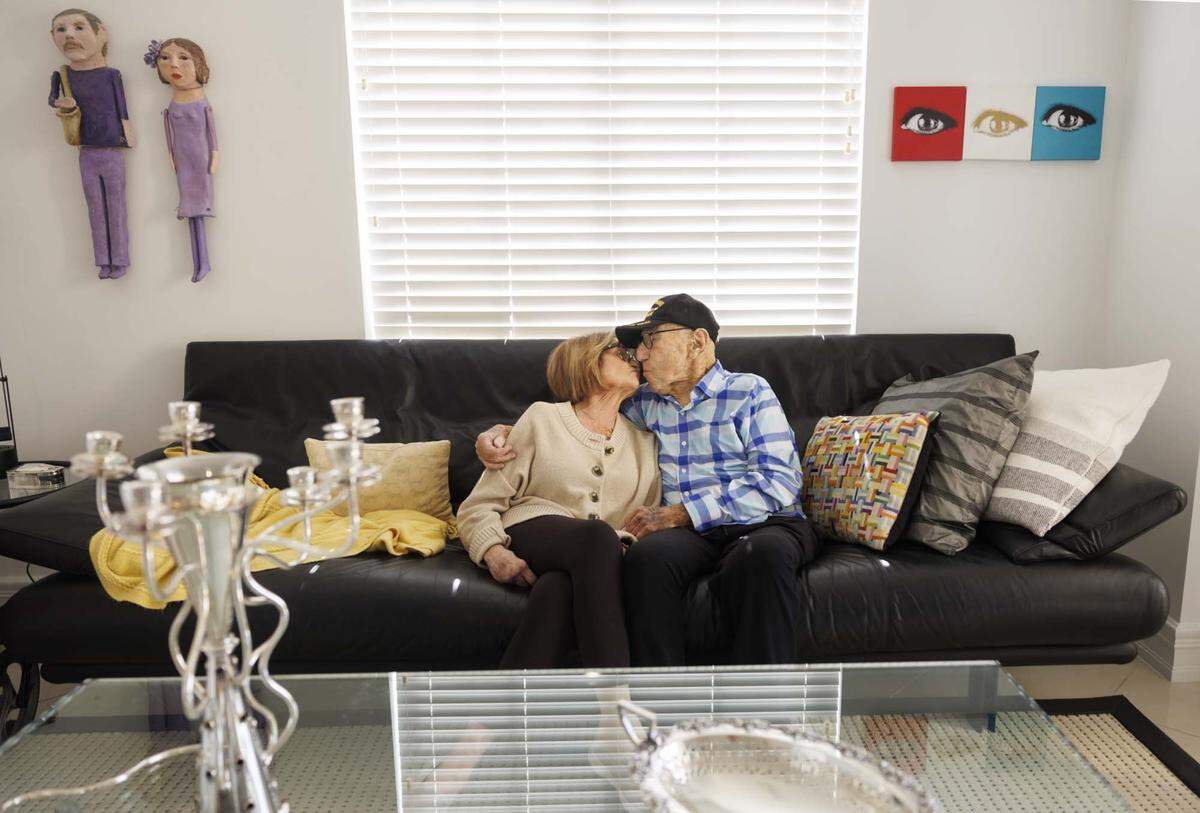
His second marriage gave him twin daughters, and after a divorce, he gained two stepchildren with his marriage to Susan, who was divorced herself.
“We’re a true blended family,” Susan said. The two share 11 grandchildren and two great-grandchildren. “He is kind, thoughtful, generous. I learned so much from him.”
‘A wonderful country’
After 101 years, Silberman said the biggest change that he has noticed is a decline in patriotism and community responsibility.
“Everyone seemed to have a responsibility [to] work together,” he said, adding that he feels that spirit has diminished.
He became a doctor because he wanted to help people, and even years after leaving his practice, many of his former patients still keep in touch — some even sent him birthday wishes last year.
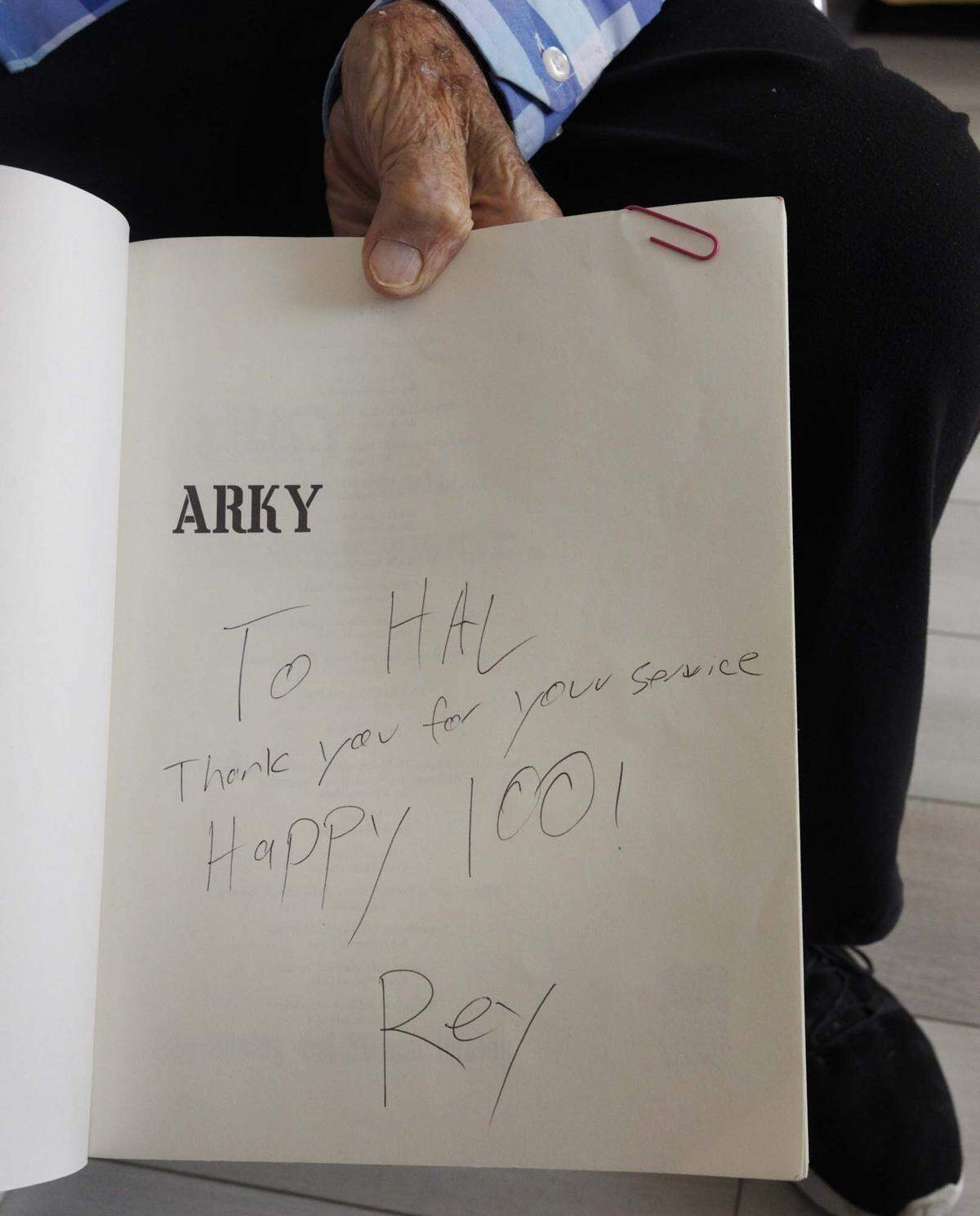
Having benefited from the GI Bill and spending his career in medicine, Silberman said he believes people must have access to affordable education and healthcare, and also that they must learn to take care of each other. He also hopes to see more affordable senior-citizen developments in the country, having had such a positive experience at The Palace.
“This country has always been wonderful for me, and I’ve done everything I can to help preserve the Constitution,” he said. “My advice is to recognize what a wonderful country we live in and do everything to protect our Constitution.”
This story was originally published May 2, 2026 at 5:30 AM.