Miami-Dade, Coral Gables crack down on fraudulent disability permits. What to know
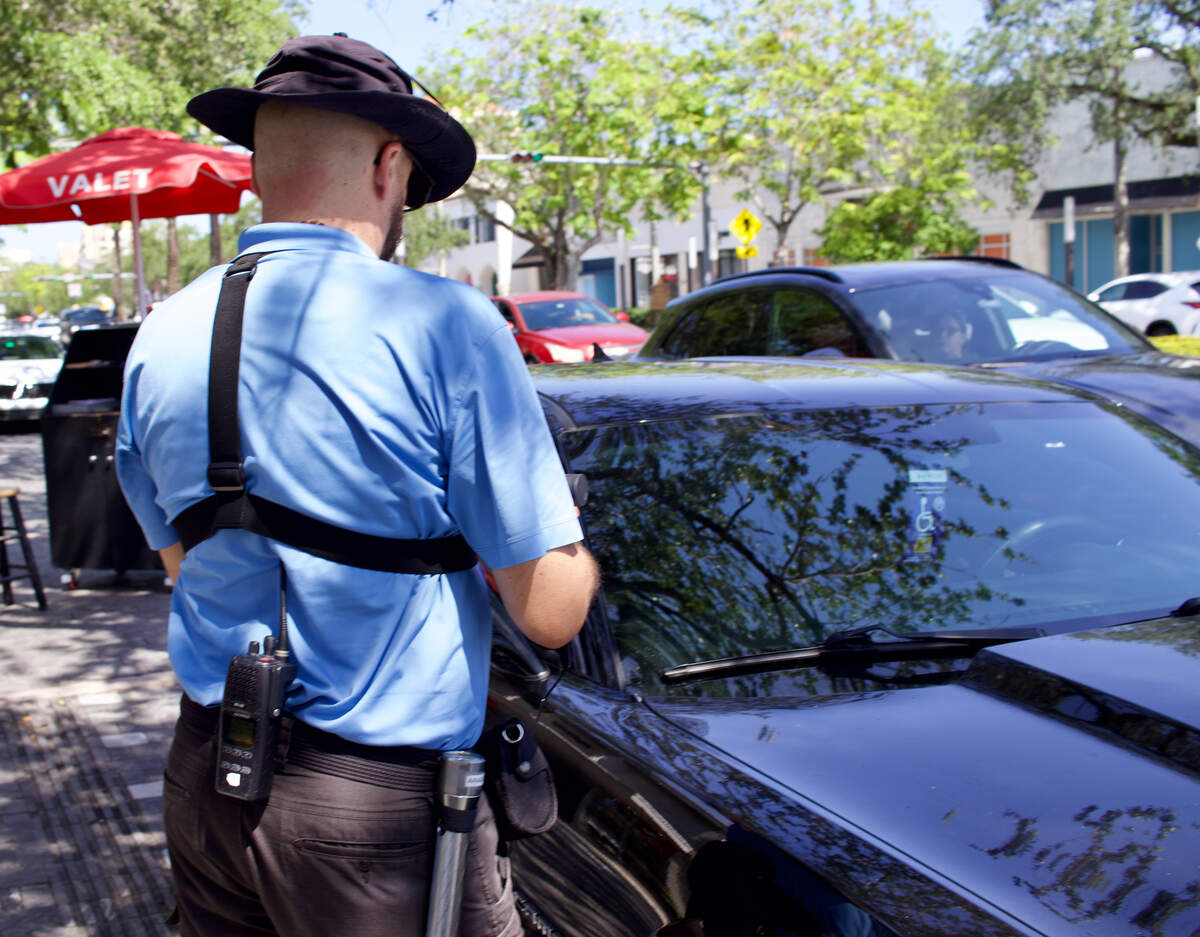
As a parking enforcement officer peered into the windshield of a black Chevrolet Camaro parked along Miracle Mile on a recent weekday, he noticed that the handicapped permit information didn’t match the expiration of the car’s registration. He called it in to check.
“Deceased since 2025,” a supervisor confirmed on the phone. Someone else was using the still-active permit.
Coral Gables’ parking department is joining forces with Miami-Dade County Tax Collector Dariel Fernandez on the hunt for fraudulent disability parking permits as his office prepares to release a new system this month that is meant to curb what they say is the growing abuse and misuse of the permits.
The likely reason for the abuse: Cars with valid disability permits get up to four hours of free metered parking in city spaces under Florida law, regardless of whether the spot is labeled as a disability space. People who park in a labeled disabled parking space often park closer to where they want to go, too.
Last year, Fernandez’s office received about 100,000 applications for disability parking permits in the county. Of the 40,992 permits his office has audited so far, about 4,707, or just over 11%, were canceled for invalid claims. The permits were canceled for various reasons, including the registered permit holder being dead, potentially fraudulent applications, and incomplete or improperly submitted forms.
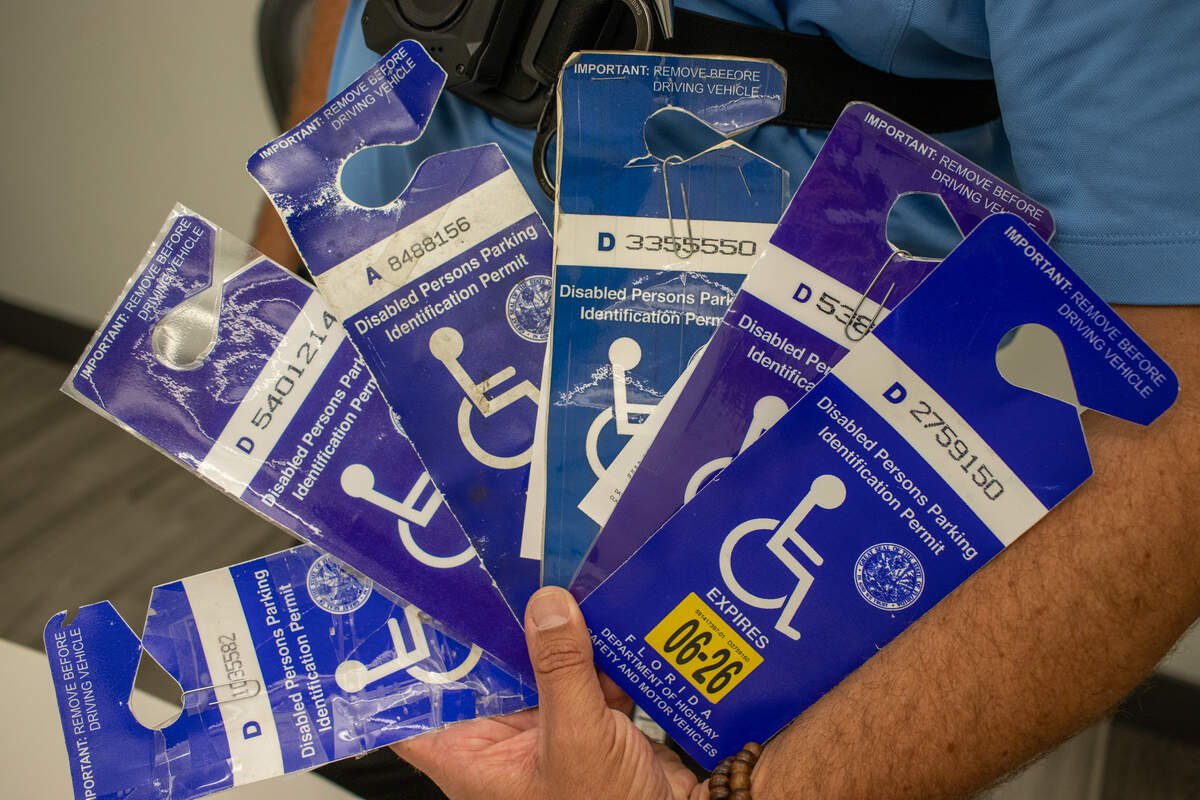
“This is an issue, a problem, in Miami-Dade County,” Fernandez told the Herald. “My message for the community is that if you don’t need it, please don’t use it, because it’s a $1,000 fine, and you can also be imprisoned” for abusing the permits.
The soon-to-be updated system in Miami-Dade will connect patients and doctors to the Tax Collector’s Office and also to public and private tag agencies to make it easier for staff to verify applications and existing permits, according to Fernandez. The transition is expected to begin Monday.
“We’re going to eliminate a lot of this fraud in our community,” Fernandez said.
It was important for Coral Gables to take a proactive approach, Mayor Vince Lago told the Herald in a statement, saying that he brought the issue to Fernandez’s attention.
“I appreciate the Tax Collector’s partnership and his commitment to reviewing and addressing potential abuse,” Lago said. “This effort is about protecting access, promoting fairness and ensuring that disabled parking spaces are available for the people who truly need them.”
Cracking down on disability permit abuse in Coral Gables
Fernandez’s crackdown has spurred more aggressive enforcement measures across Coral Gables and other parts of the county to try and curb the abuse of a system that is meant to make it easier for people who cannot walk far distances to visit shops, restaurants and businesses. In the Gables, Parking Director Monica Beltran and her team of parking enforcers are on the watch for fake and altered disability permits. They’re cracking down on people using permits that don’t belong to them, too.
“We started to survey the use [of disability permits] on on-street parking, particularly in Miracle Mile, and what we found on one given day was that 30% of the vehicles that were parked on Miracle Mile had disabled placards,” Beltran, the director of parking, sustainability and mobility services in Coral Gables, told the Herald.
The impact: The “turnover rate” — or how quickly a parking session begins and ends in the city’s on-street spaces — has “drastically dropped,” indicating that people are staying longer in the short-term parking spots, according to Beltran. It’s happening in areas where the city is spotting more and more people parking with disability permits, she said.
“The abuse continues to grow,” Beltran said.
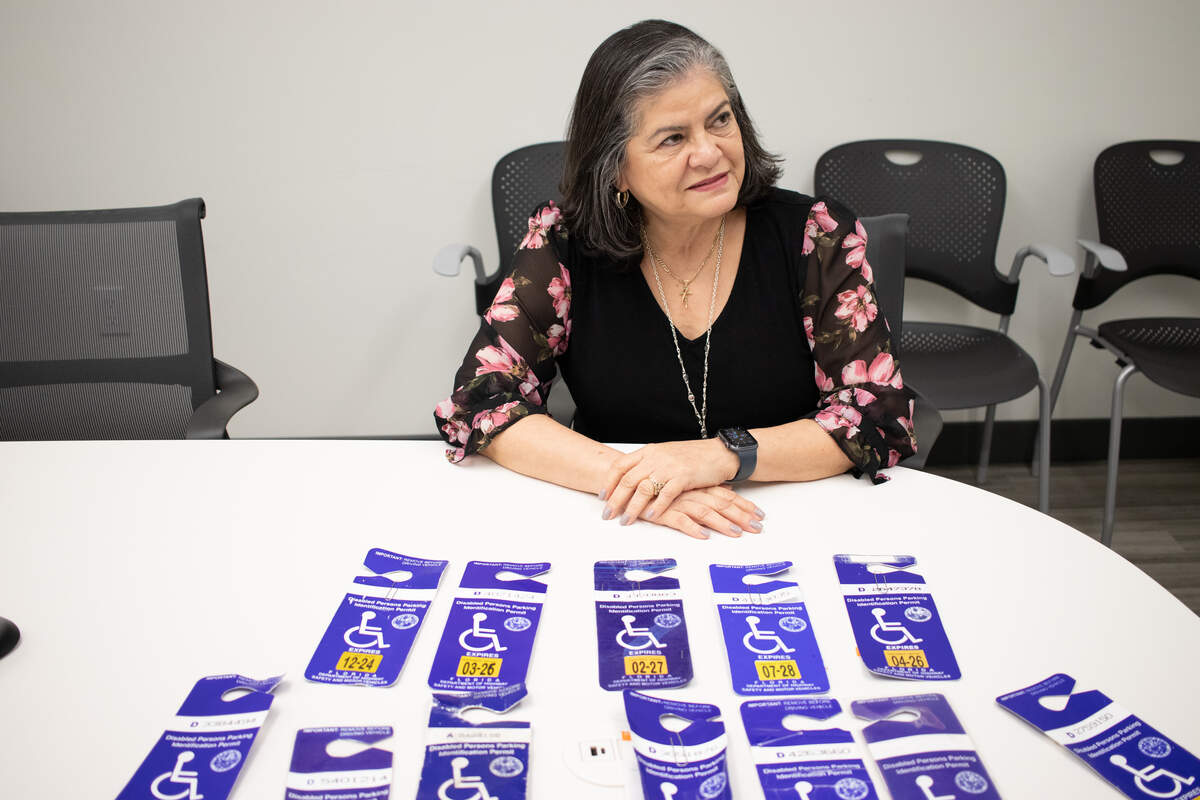
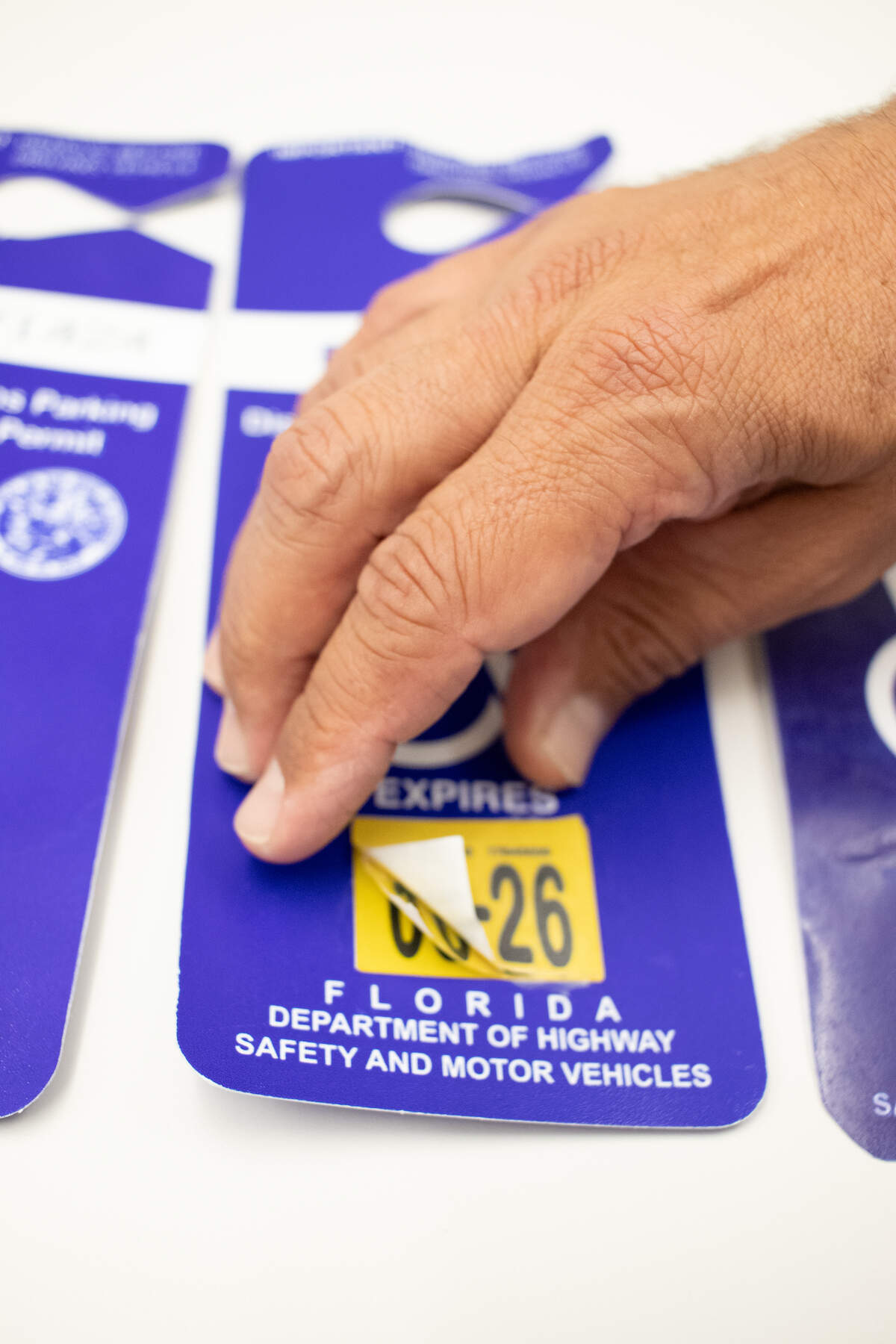
It can be difficult to spot a dupe. But not if you know what to look for — a sticker hiding the permit’s expiration date, the wrong identification number, a paper copy.
Others permits are real but are being used illegally some or all of the time, according to Fernandez and Beltran.
Disability parking permits are assigned to a person, not a specific car. Under the law, the person assigned the permit must be in the car when it’s parked and must also be in the car when the car leaves the space. It’s illegal to use the disability parking permit when the person it’s registered to is not with you, including if you drop off the person in front of a restaurant or store and then go park.
Disability parking permits are meant for people who are legally blind, use a wheelchair, or have another physical, neurological, orthopedic, cardiac, arthritic or lung condition that does not let them walk 200 feet without stopping to rest, according to state law. That includes people who use a portable oxygen tank or are unable to walk without the assistance of a brace, cane, crutch, prosthetic or other assistive device.
Under Florida law, a person caught using someone’s placard without the registered individual with them in the car, or using falsified information in an application to get a permit, could face fines of up to $1,000 and up to six months, or a year, in jail, respectively, according to the Ticket Clinic law firm.
Compliance is not always easy to enforce. First, parking enforcement officers need to verify the legitimacy of the permit. Permit verification can often be done through the windshield, Beltran explained. But to determine if the person assigned the placard is actually the driver or passenger — and, if not, to then confiscate the permit — usually means waiting around to catch them going to or from the car and then asking for paperwork to verify the permit.
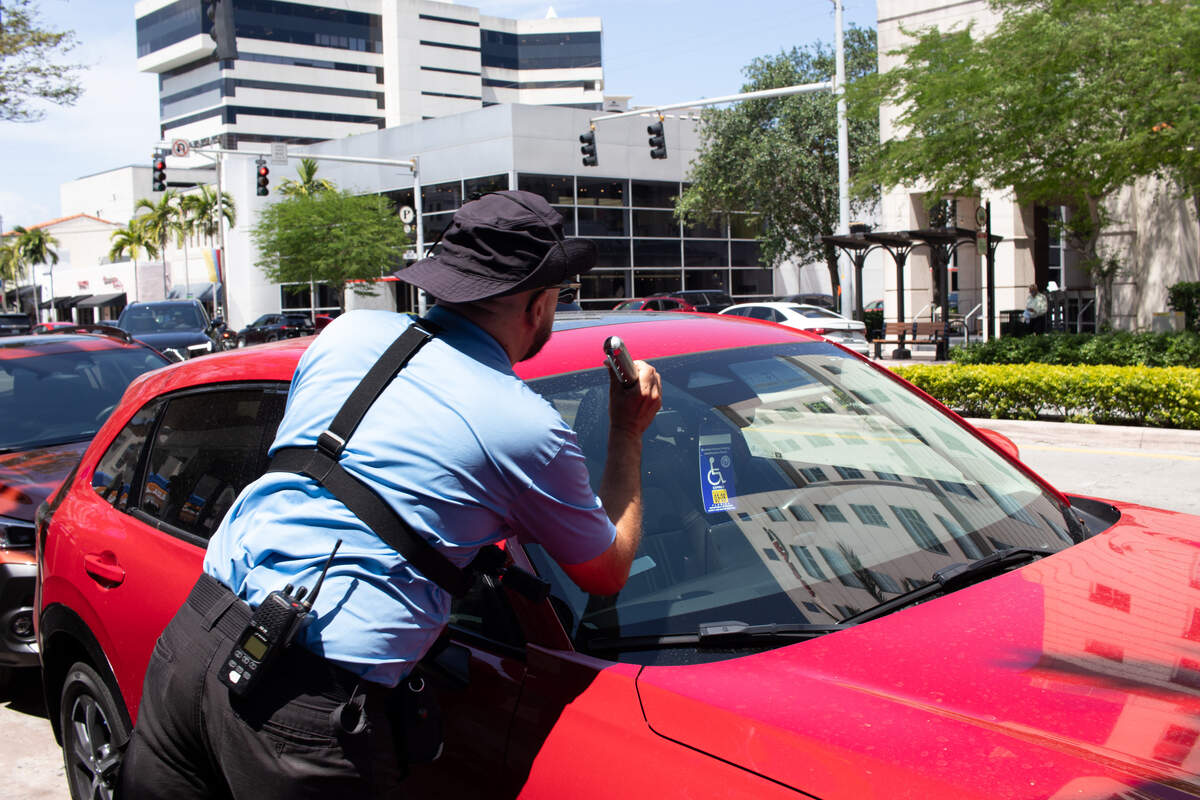
That’s expected to change under the new system, which will make it easier for code enforcers to pull up a permit, cancel it if needed and also fine the person, regardless of whether the person is present, according to Fernandez.
“We are working closely with different municipalities, with the sheriff, with the state, to eliminate the fraud of the placard disability in Miami-Dade County,” Fernandez said.
Lago said the city’s approach is not meant to be punitive.
“We recognize that not all disabilities are visible, and our focus is not on making assumptions about individuals,” he added. “Our focus is on ensuring that permits are being used lawfully and only by those authorized to use them.”
This story was originally published June 8, 2026 at 8:41 AM.