Coral Gables skirted public input in approving Wawa, judge finds. Project in legal limbo
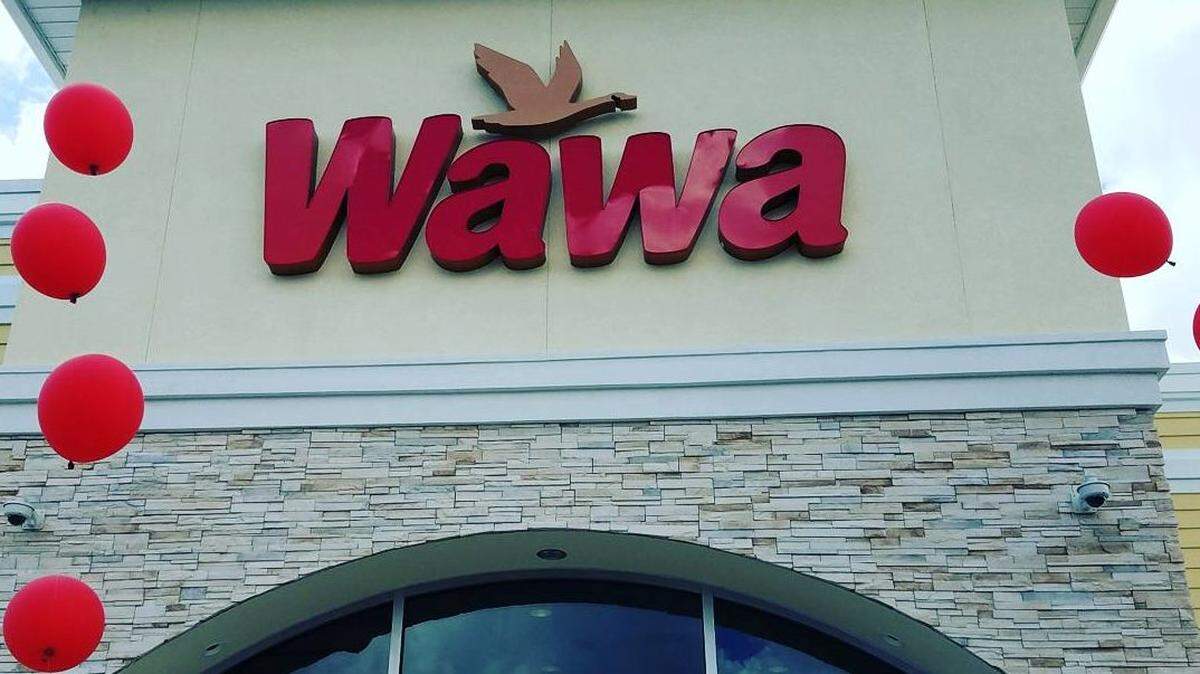
The city of Coral Gables evaded public input and even a vote of its own commissioners with the surreptitious approval of plans for a Wawa convenience store and gas station across the street from an elementary school, a judge said in a decision that could upend the project.
The city’s attempt to dismiss a lawsuit that seeks to stop construction of the Wawa at the northeast corner of U.S. 1 and Grand Avenue was denied by Miami-Dade Circuit Court Judge Michael Hanzman, who said Coral Gables City Attorney Miriam Soler Ramos superseded her authority when she allowed the site plan for a restaurant to be changed to a store and six-pump gas station.
Hanzman asked during a hearing on Wednesday if Soler Ramos had such “unfettered authority” that she hypothetically could have scrapped the restaurant and swapped it for an adult bookstore instead.
“I can’t find that authority at all,” he said. “It seems to be made out of whole cloth. It is self-anointed authority that has absolutely no legal effect because one cannot delegate to oneself authority one does not have.”
Hanzman’s flat rejection of the city’s arguments was a victory for opponents of the Wawa, who say that it doesn’t belong 300 feet from the entrance to G.W. Carver Elementary and that the city violated its own laws in rushing the project through without proper oversight or public debate. His decision leaves the project in legal limbo — at least for now.
A grass-roots organization made up of Carver parents and some residents of the surrounding Gables and West Grove neighborhoods — named the Gables Accountability Project — is concerned that the store and gas station will be a generator of traffic, pollution and crime. Carver Middle is located behind the elementary school and the two campuses have 1,500 students. The Miami-Dade School Board also objects to the Wawa and said the city never notified it about the project.
“It’s a great step forward for residents because they are holding their government accountable,” said David Winker, the lawyer representing opponents. “The city tried to jam this project down people’s throats. What the city did was wrong and it was arrogant.
“A Wawa gas station in that location is a sub-optimal result. No one wants a gas station. Nor do we need another gas station. So how did we end up with this?”
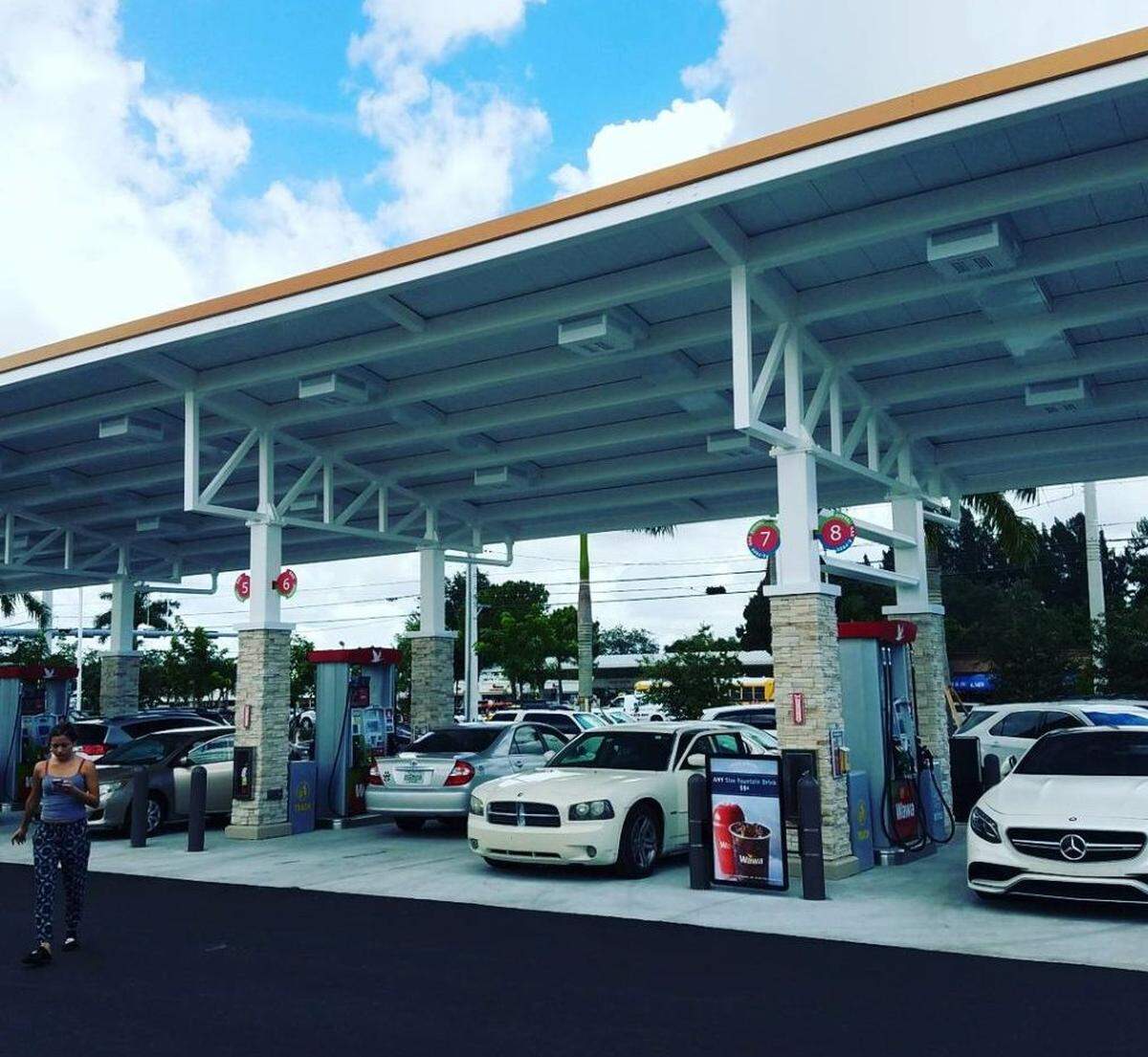
The city, represented by lawyer Annie Hernandez Gamez of the Holland and Knight firm, argued that a 2015 resolution, a 2017 lawsuit settlement and the zoning code gave Soler Ramos and the city manager authority to sign off on what she described as a minor modification of the site plan for the 1.7-acre property, which has a complicated history. Originally designated to be affordable housing, it was altered over 17 years of failed proposals to be a mixed-use development then a restaurant.
“I guess you’re not hearing me because I’m not buying that it was a minor amendment,” Hanzman said to Hernandez Gamez. “I’m not buying what you’re selling. This does not look like a site plan modification. It looks like a change of use from a restaurant to a gas station. Nothing about this is minor to me. Seems disingenuous for the city to say now that it was minor.
“Land use decisions can have a dramatic impact on the health and well-being of a community.”
Although some neighbors in the historically Black community support the Wawa, Winker said such a project would not have been proposed in a white neighborhood.
“The city seems to have tried to placate a community that’s being victimized again,” he said. “This only happens in black neighborhoods. It would never happen across the street from a school in a white neighborhood. One of my clients is a Black homeowner and she’s worried that her property value will plunge.”
The city has 10 days to respond to the lawsuit, which it could continue to fight, or it could try to keep the project alive by making revisions and reintroducing it for approval.
Construction has halted since the lawsuit was filed. The land was previously cleared, trees cut down and a fence erected, but equipment brought to the site is idle.
“If Wawa resumes construction, we’ll hit them with an injunction,” Winker said. “We want the building permits revoked.”
Miami-Dade County’s public housing department gave the land to the neighborhood’s nonprofit Lola B. Walker Homeowners Association in 2003 for a $10 fee. The goal was to build a project that would benefit the community, revitalize Grand Avenue and provide housing in an area with an acute shortage of affordable places to live.
The homeowners formed a private, for-profit joint venture with real estate developer Debra Sinkle Kolsky called Bahamian Village. But over the years, their plans for a residential-commercial project, then various restaurant concepts fell through until finally in 2020 a new project with what Soler Ramos termed “significant modifications” — a Wawa and gas station — got the green light.
It was approved via a special settlement agreement that enabled the city to waive fees, skip public hearings, “expedite the review and approval process,” and allow the city attorney and city manager to finalize plans by themselves. The agreement was brokered in 2015 when the county threatened to take its land back because nothing had been built on it and homeowners asked the city to intervene so they wouldn’t lose the land, now estimated to be worth $8 million.
The city has denied any criticism of the deal as secret and said it was done in support of pro-Wawa neighbors. Soler Ramos has previously defended the process as transparent, saying development of the site “has been discussed publicly on many, many occasions.”
The schools and Wawa site are located in a triangular piece of Coral Gables acquired by city founder George Merrick in 1925 as a segregated area for Black domestic and construction workers.