
Texas floods teach us how to come together, to really love our neighbors | Opinion
It’s been a week since the devastating flash floods tore through Kerr County in Texas.
For many who were directly affected by the flood, these post-flood days have been like waking up from a horrible nightmare. They are trying to make sense of the disaster while grappling with the horrific loss of loved ones.
It is still hard to believe the seemingly serene Guadalupe River would rise so swiftly and violently and sweep away people in the cabins and RVs situated along its banks.
The furious river waters — which rose to 26 feet in 45 minutes in the predawn hours of July Fourth — decimated Camp Mystic, an all-girls’ Christian camp that generations of young girls have gone to over its 99 years.
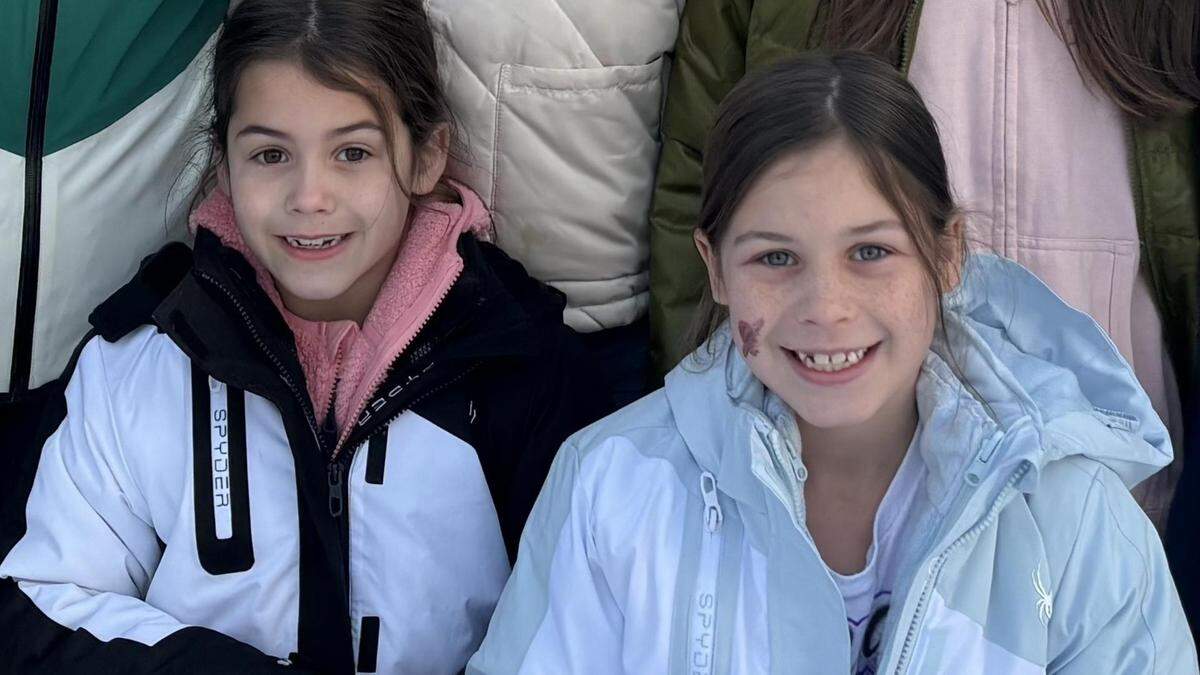
Rebecca and Hanna Lawrence, 8-year-old twin granddaughters of David Lawrence Jr., the former publisher of the Herald and an advocate and friend to all our children, are among the dead. Another granddaughter, Harper Lawrence, 14, was found alive.
As of Friday morning, more than 120 people have been confirmed dead, including 27 children and counselors at Camp Mystic. Another 160 people are missing, authorities say.
The wife and daughter of the dean of FIU’s College of Business, William “Bill” G. Hardin III, are among the missing.
Bill, his wife Alyson and their daughter Josephine, an Atlanta attorney, were staying in their Texas Hill Country home in Hunt, Texas, when the floods hit. He survived; the bodies of his wife and daughter have not been found, according to a letter to parishioners from the bishop of the Episcopal Diocese of Southeast Florida.
“This is an unfathomable loss for the Hardin family, for All Saints, and for our diocese,” wrote the Right Rev. Peter Eaton in his July 6 letter.
READ MORE: Wife and daughter of a key FIU dean are among the missing in Texas floods
In the aftermath of such tragedy, I am amazed at how fast we Americans can forget our politics and differences and become one nation under God. Instead of fighting among ourselves, people are fighting for a righteous and just cause — that of saving lives, giving comfort and simply loving our neighbors.
At a time like this, we are not ashamed to come together and pray.
We lock arms in our grief and sing praises through our tears. With outstretched arms, we offer comfort to the families of those who are still missing, for the families who are hanging on to the last thread of hope that their loved ones will be found safe. We pray for those families whose loved ones won’t be coming home again.
Yet, watching the news, hearing firsthand accounts of those who are still wading the dark waters of the Guadalupe River and digging through debris and mud as they look for their loved ones, the tears still fall fresh. We cry for our fellow human beings who are hurting. And we pray for those who have already received the word that their loved ones did not make it.
At times like these, we can truly say life is hard.
Yet, in such times, we don’t wait to learn if the person we are crying for, or with, is a Republican or a Democrat. We don’t ask if the person is Black, white or Mexican. We don’t ask if they are a racist or a believing Christian.
We don’t care. What we care about is what we see: Human beings who are suffering.
Times like these also make us more thankful. We reach out to others more. We hug and tell our family members that we love them.
When our nation suffers a catastrophic disaster like the Texas floods, it humbles us, making us more aware of our own mortality, our own vulnerability. Unfortunately, the feeling doesn’t usually last for too long before we are back to the business of hating and bickering and strife.
Even so, I personally, have found a “Noah” moment in the aftermath of the Texas floods. Just as the people didn’t heed Noah’s preaching in the days before the Biblical flood, it appears that some Texas officials didn’t think it feasible to put in place life-saving procedures like building a grid-based alert system and outdoor sirens that could have improved flash flood warnings significantly.
Just like it was in the days of Noah, the warnings were brushed aside. Some thought them to be too expensive or not really needed. That is, until the early morning of July Fourth.
Hindsight is always 20/20. This was evident as I watched the latest flood news, where weary Texas officials have seemingly grown short-tempered when questioned about an alarm system that could have saved lives but was not put in place. As usual, we see some “passing the buck” and playing the “blame game” going on during the interviews.
But the gruesome truth remains — more than 120 are people are dead, including children. And while nothing can be done to bring them back, we can learn from this horrible lesson.
Meanwhile, there are families to comfort, memorial services to be held and more tears to shed. Through it all, let’s find some real comfort in reaching out to someone today. Let’s lay aside our differences and, along with our prayers, give out some hugs. Somebody out there is really in need of a good hug today, ya’ll.
I believe that we shouldn’t wait for something bad to happen to someone else before it dawns on us that the tragedy happening to them could also happen to us.
.JPG "MIA_20231006AD0543BeaHines (3).JPG")