Coconut Grove used to look like that? See photos of hippies, head shops, street life
By Miami Herald Archives
From Seminole War battleground to Bahamian pioneer outpost to groovy hippie haven, Coconut Grove has had several incarnations.
Originally spelled Cocoanut Grove — its residents decided to drop the “a” after its incorporation as a city in 1919 — the village has attracted sailors, academics, artists, explorers, drop-outs and scientists. It was the place where northern millionaires built their sprawling estates near the bay and Black residents turned Charles Avenue into a district lush with its own sense of history and architecture.
The Grove was the first Black community in Miami-Dade County and home of the Mariah Brown House. Brown was one of Coconut Grove’s first African-Bahamian residents and her home is thought to be one of the first houses with a Black owner.
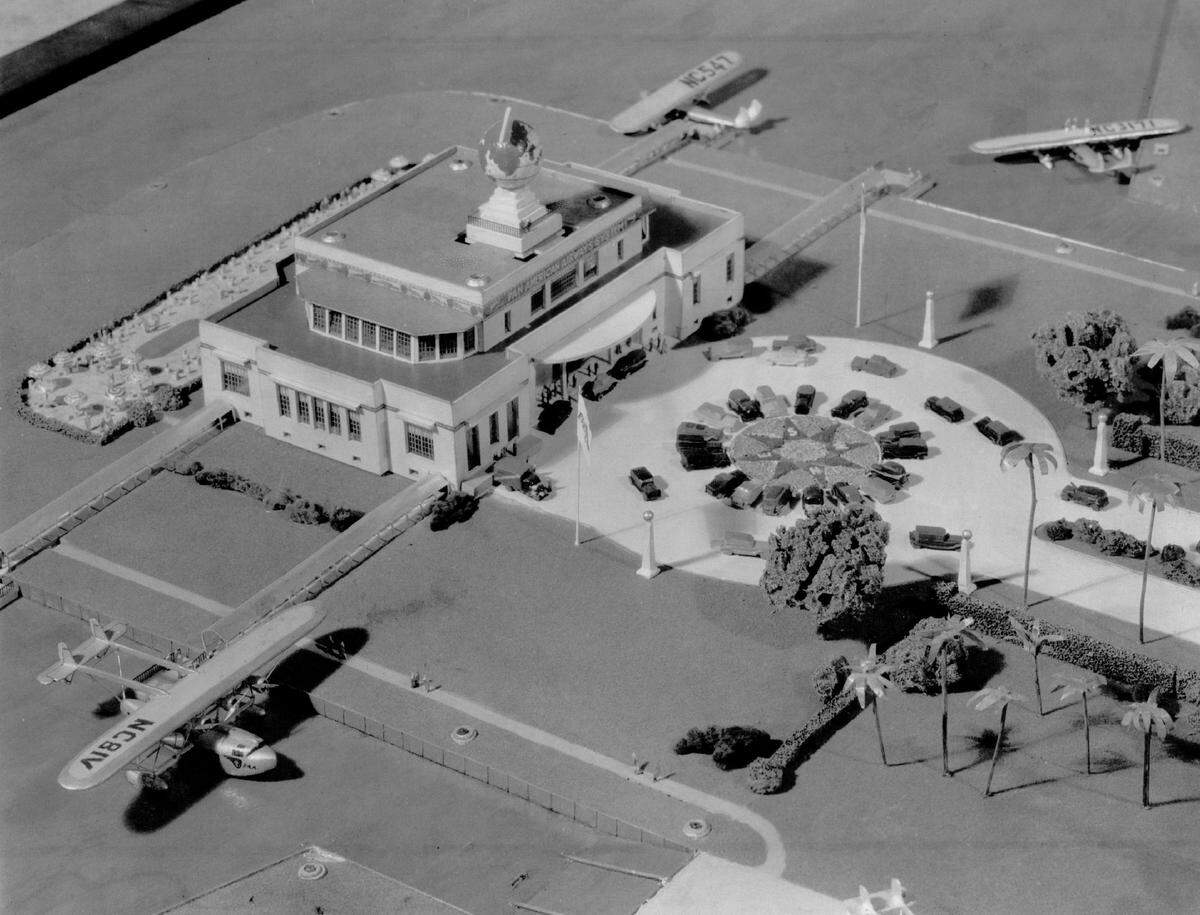
From Dinner Key you can admire Miami’s City Hall, once the terminal for Pan Am’s famed clipper service. Along Main Highway, you can still see old vestiges of the Grove: Carrollton School, El Jardin, Miami’s first Mediterranean Building; Bryan Memorial United Methodist Church, a Byzantine-influenced memorial to William Jennings Bryan; Plymouth Church, with its mission-style coral rock buildings; the old Pagoda at Ransom Everglades.
When Commodore Ralph Middleton Munroe moved into the Grove in 1888 he began to design his next home, which would eventually be known as the Barnacle, now a historic site.
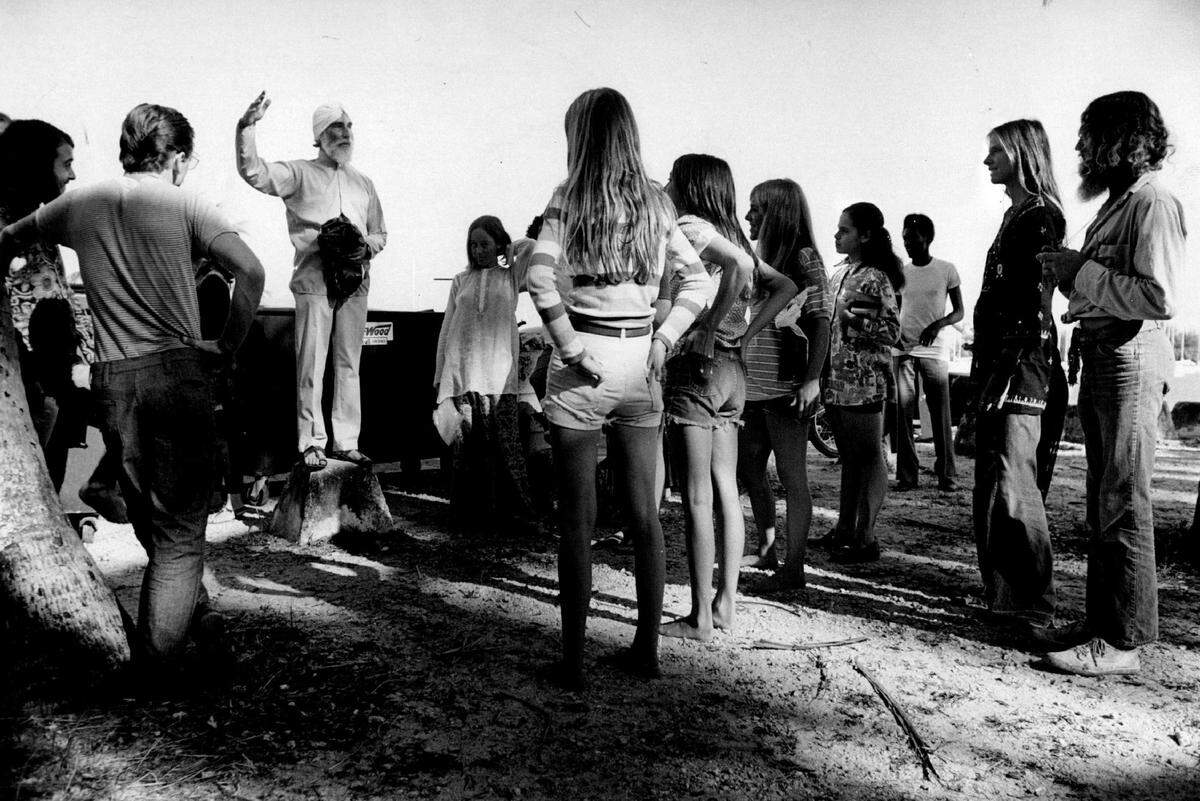
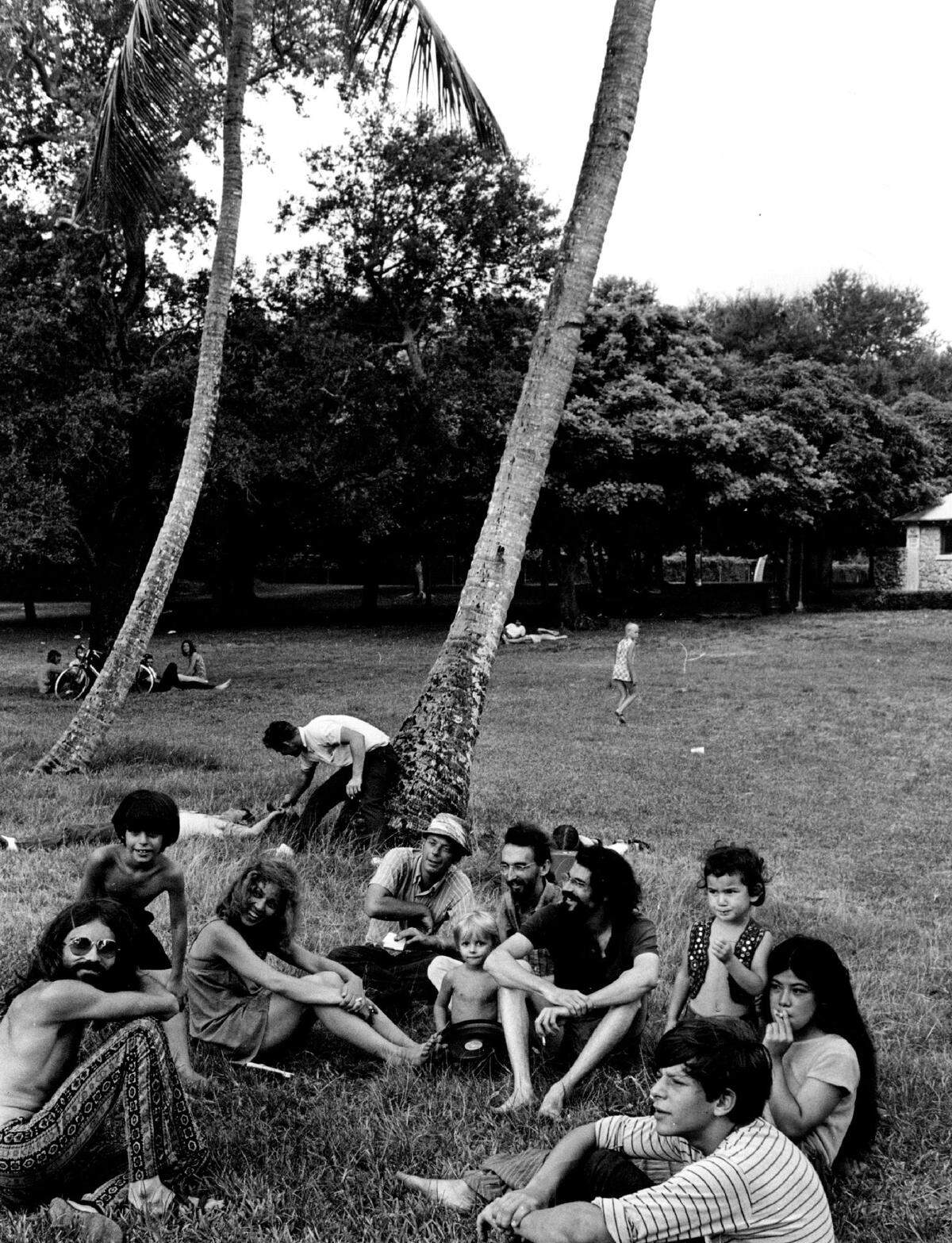
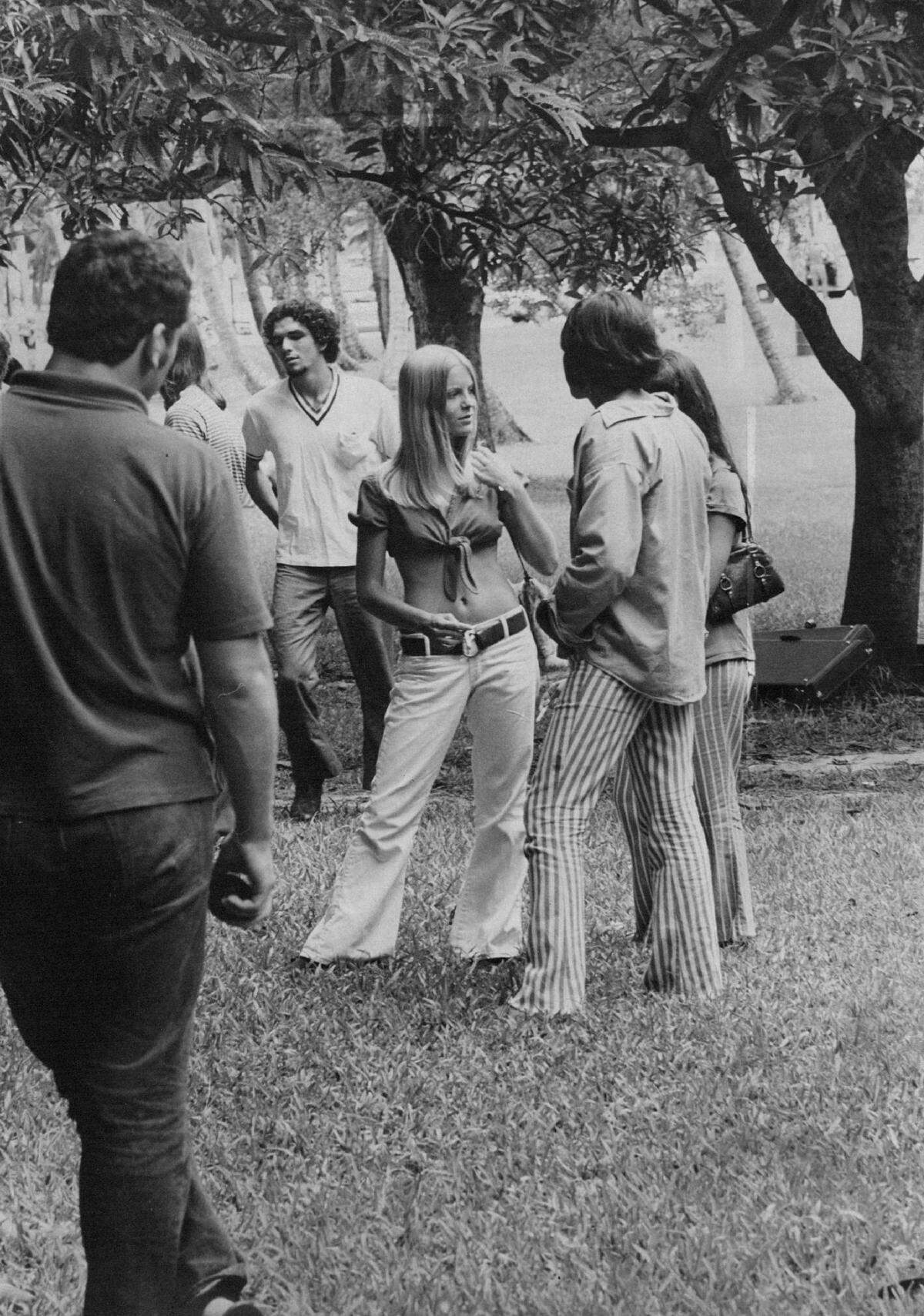
In the 1960s the Grove, absorbed into the city of Miami and the site of City Hall, was a counterculture capital where hippies would circulate “Being Nice” flyers and camp out uninvited in vacant lots and public parks.
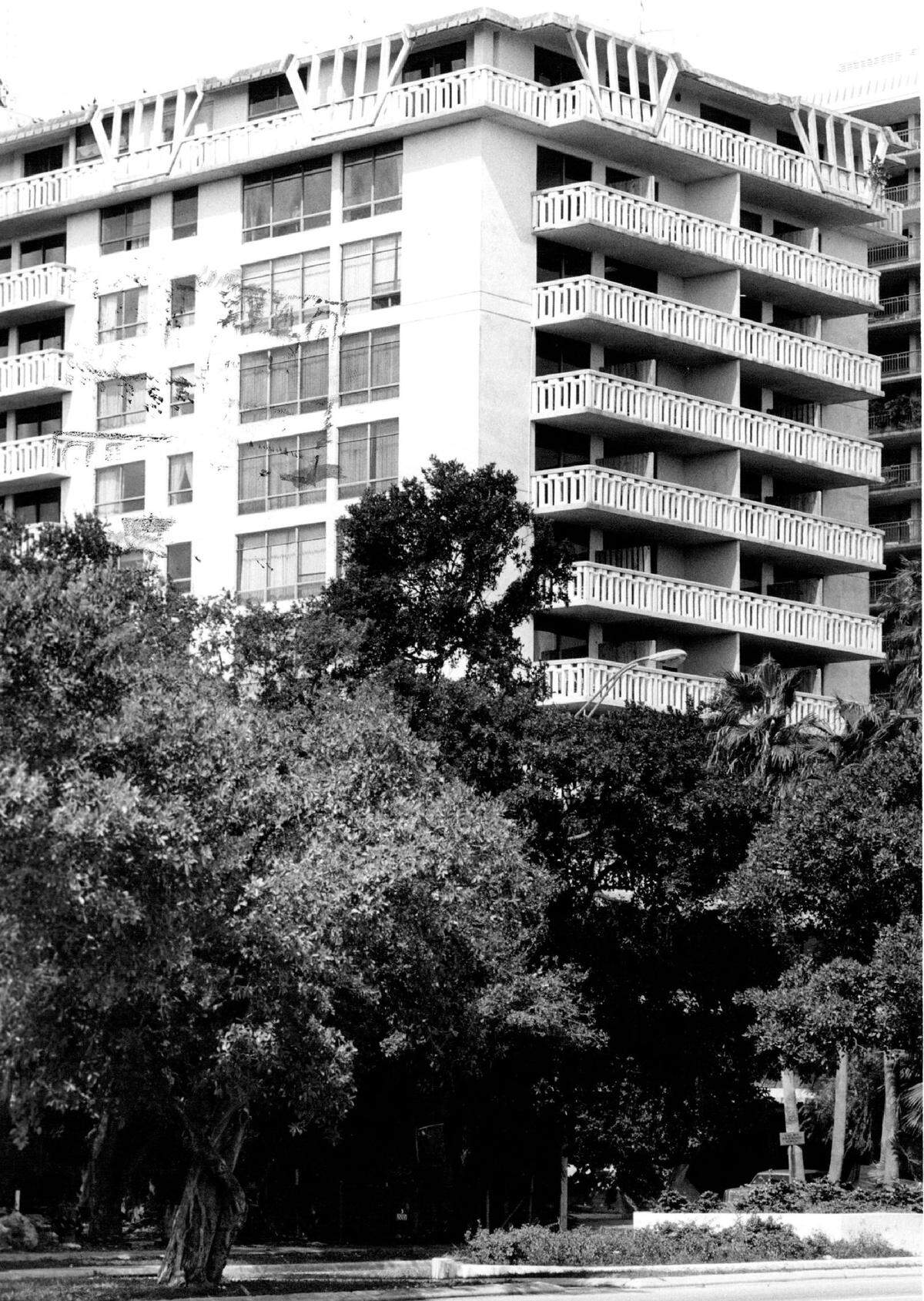
In recent years, the Grove has moved away from being a quiet, everybody-knows-everybody community with a vibrant artist population to a nightlife and shopping alternative to South Beach. And luxury towers are now par tof the landscape, with more to come.
The changes have caused some friction but powerful civic forces have managed to preserve the community’s character.
Today, you can still find pieces of the old Grove mixed in with the sleek mainstream storefronts.
Let’s take a trip back in time through the Miami Herald Archives to tour the old days of Coconut Grove:
Hippie hangout
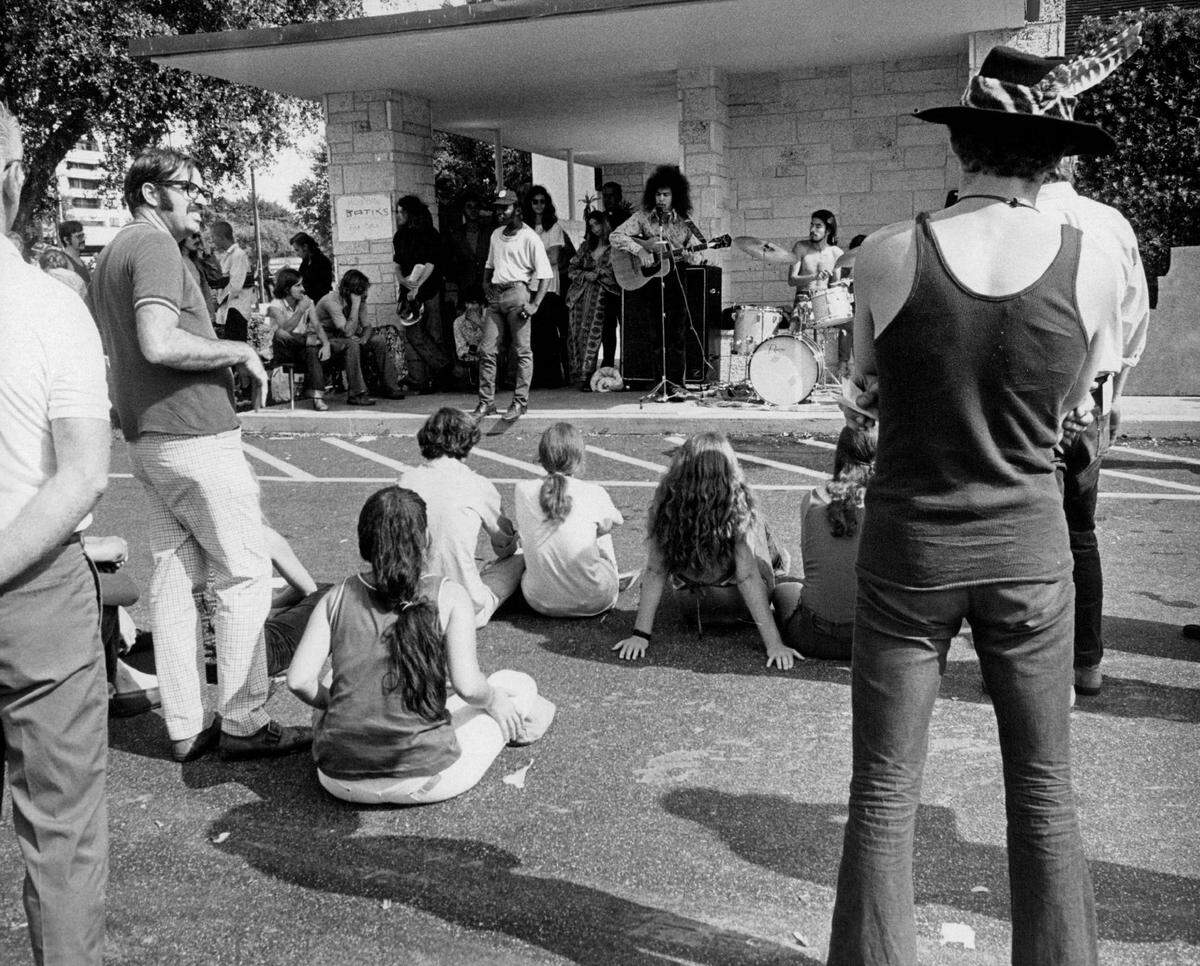
In 1970, hippies gather at St Stephen’s in Coconut Grove. Joe Schupple Miami Herald File
Young people in a Grove park in 1970. Miami Herald File
Free Thinkers in a Coconut Grive park in 1969. Bob East Miami Herald File
Coconut Grove Bayfront Miami Herald File
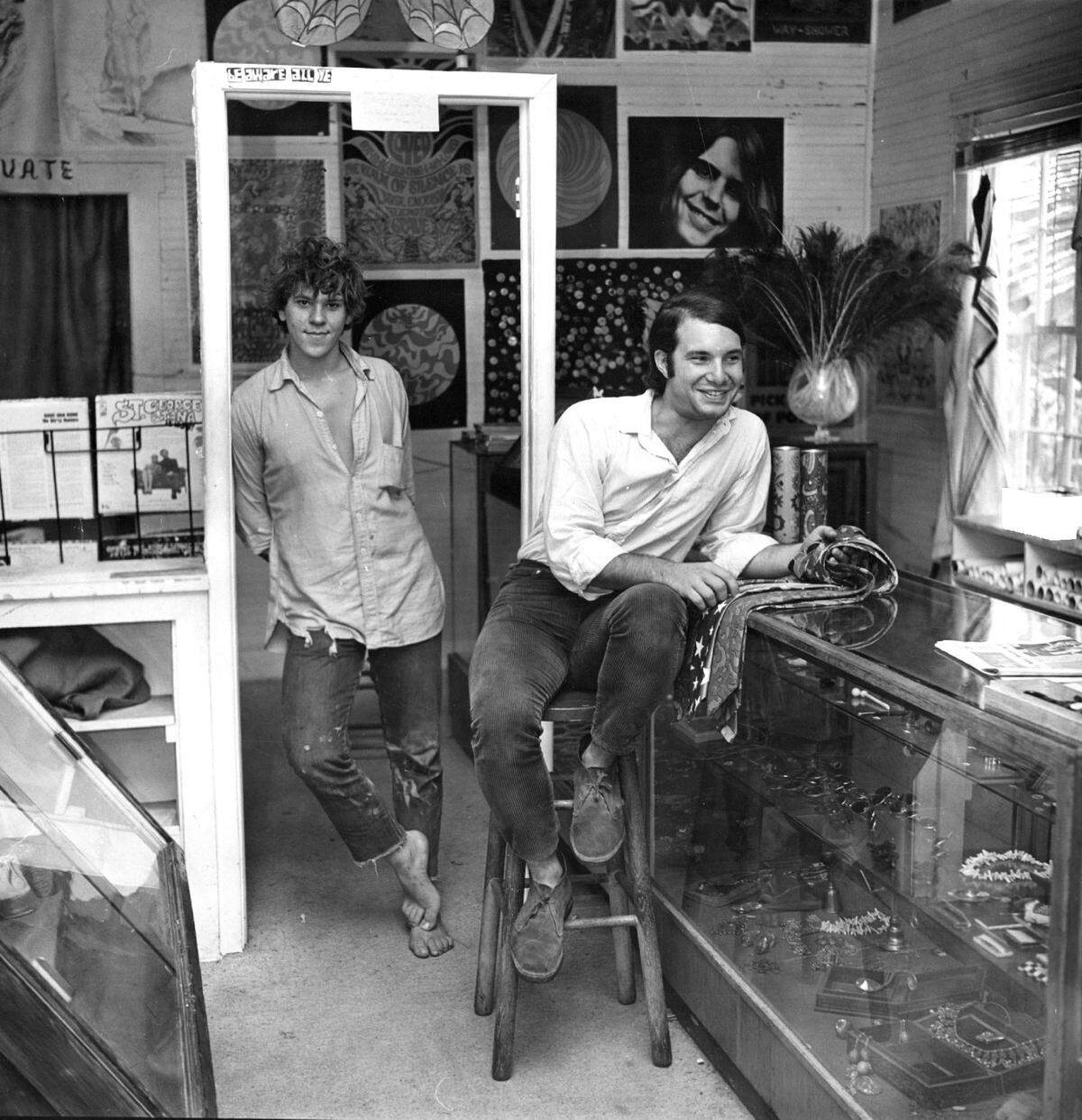
A head shop in Coconut Grove in 1967. Mike Lang and Howard Zaitchick, co-owners of their “hippie” joint at the corner of Oak Avenue and Rice Street. John Walther Miami Herald File
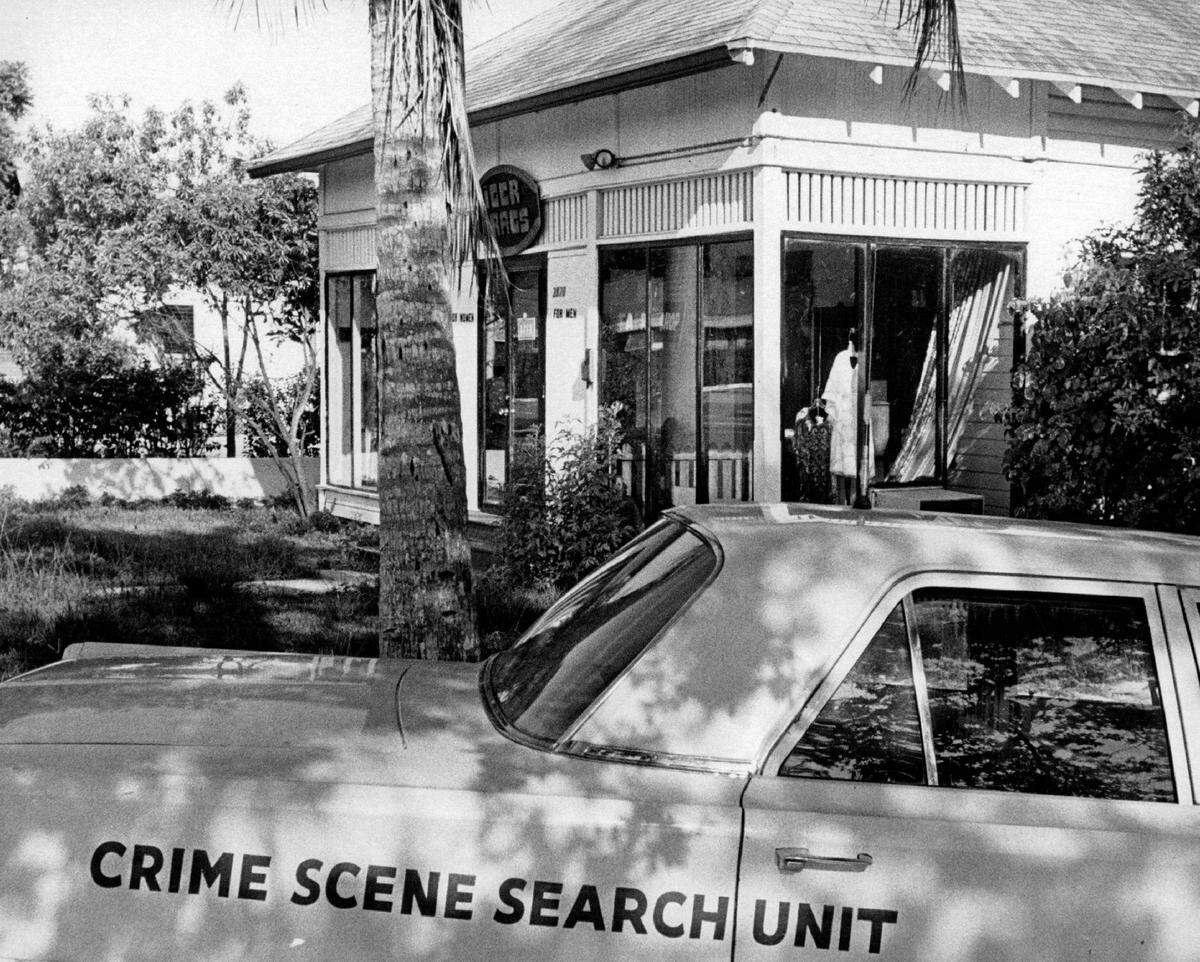
The Tiger Rags Shop in 1970, a hippie hangout in the Grove. John Walther Miami Herald File
Street scenes
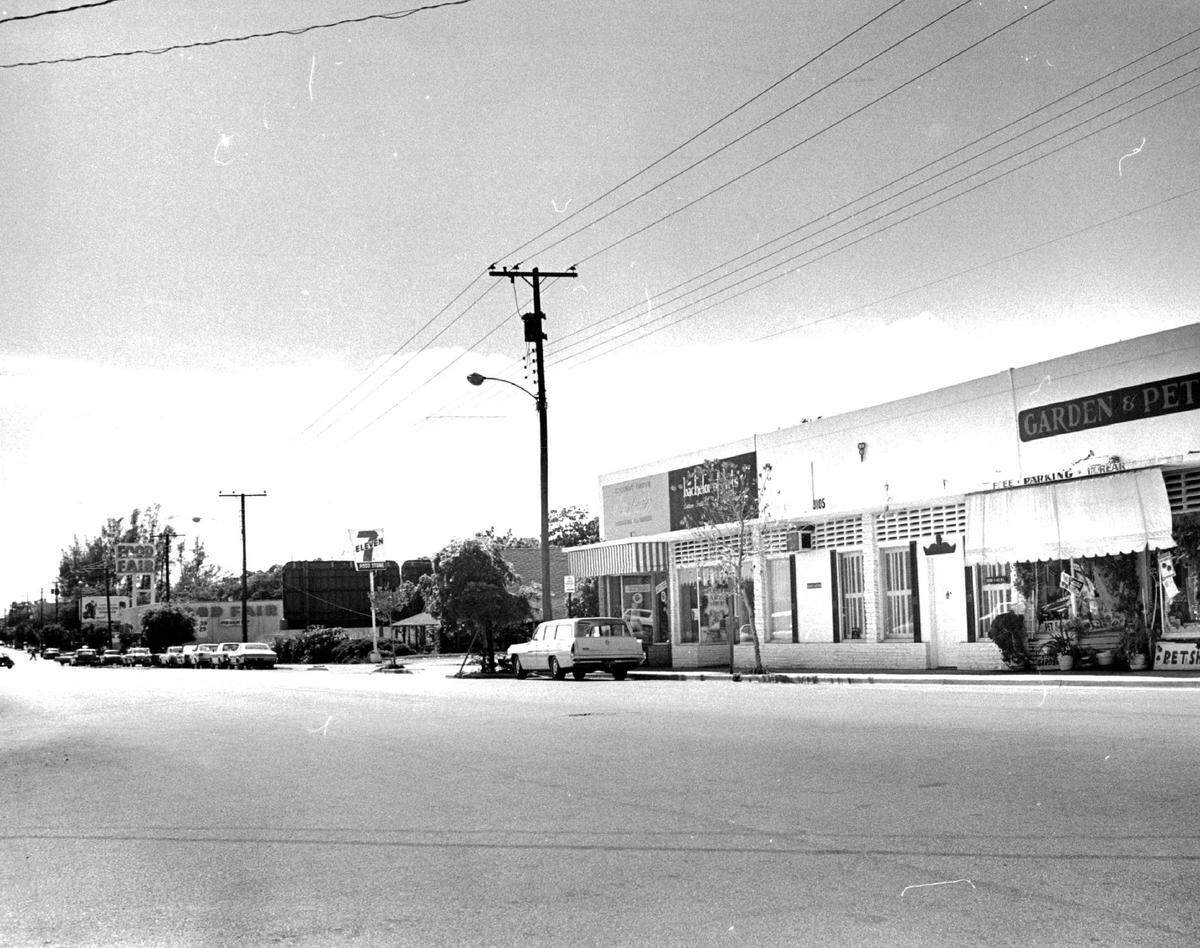
Looking west on Grand Avenue in 1967, with Food Fair supermarket in the background. Miami Herald File
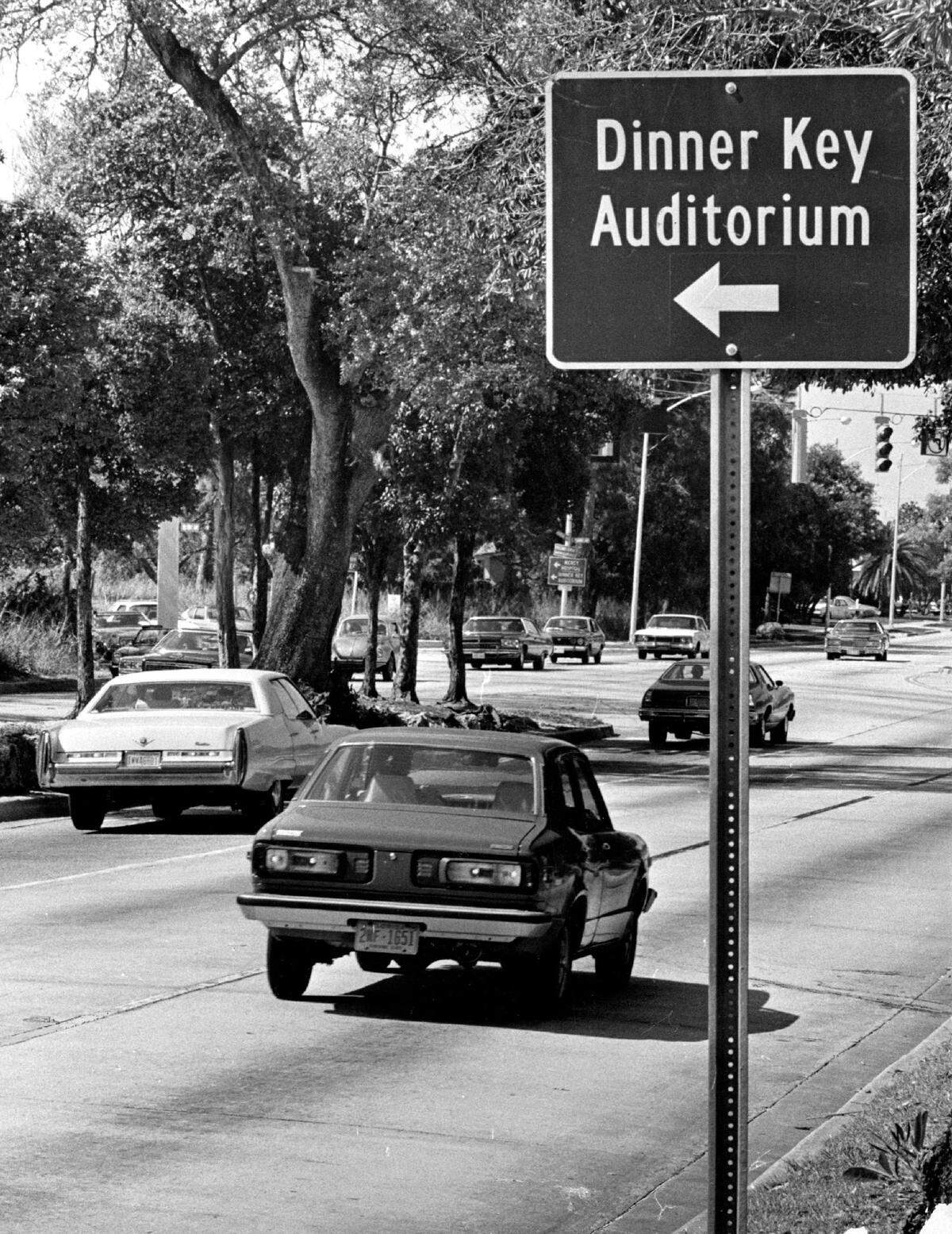
In 1976, a sign on U.S. 1 pointing drivers to the Dinner Key Auditorium in Coconut Grove. Bob East Miami Herald File
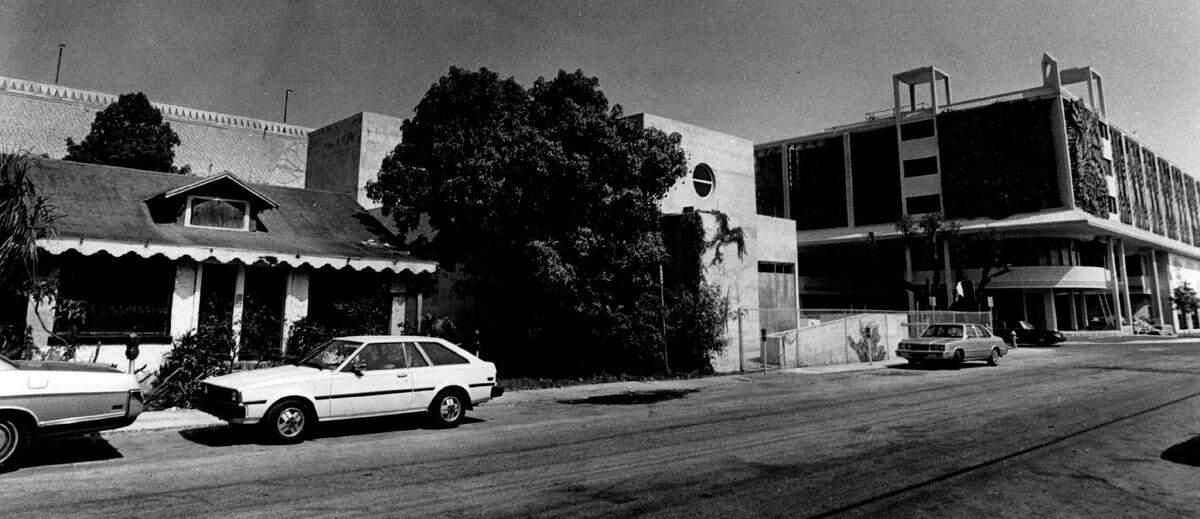
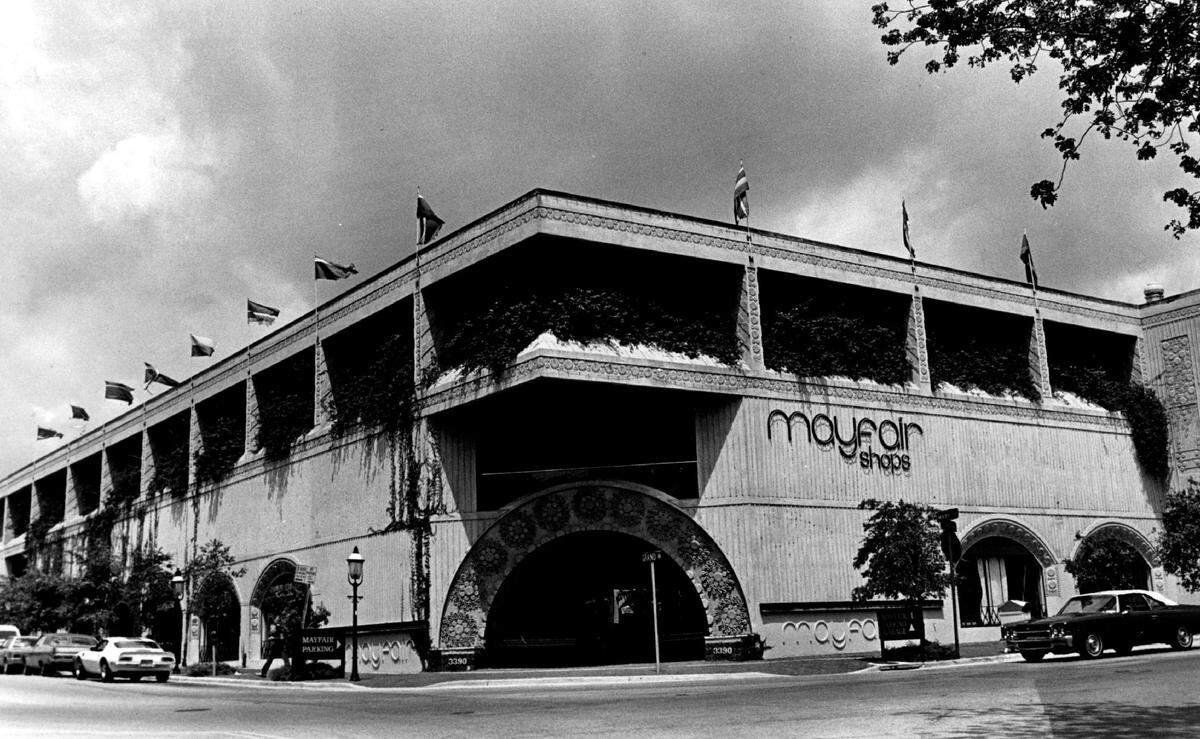
Mayfair on Virginia Street. Michel DuCille Miami Herald File
Main entrance to Mayfair shopping complex in 1985. Albert Coya Miami Herald File
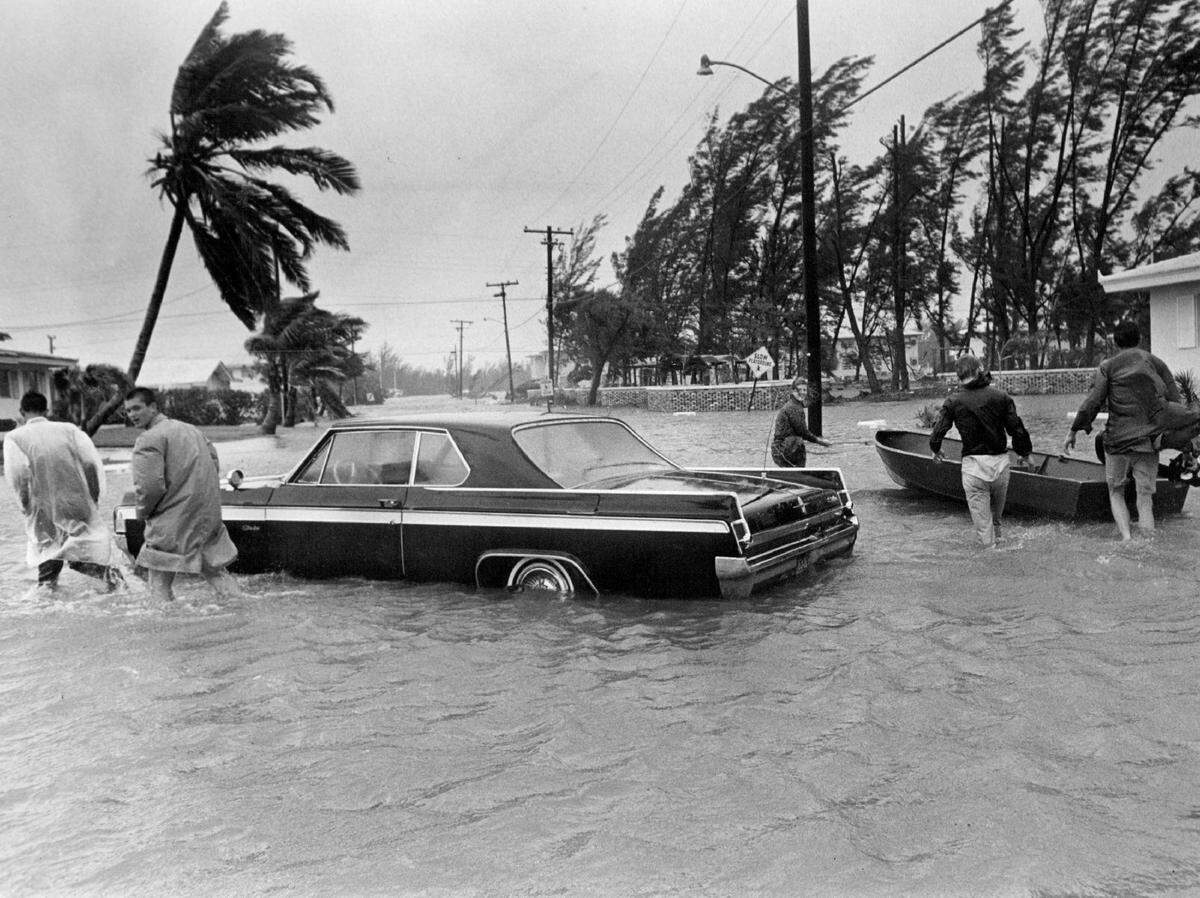
Storm flooding on Douglas Road in Coconut Grove in 1965 after Hurricane Betsy. Eamon Kennedy Miami Herald File
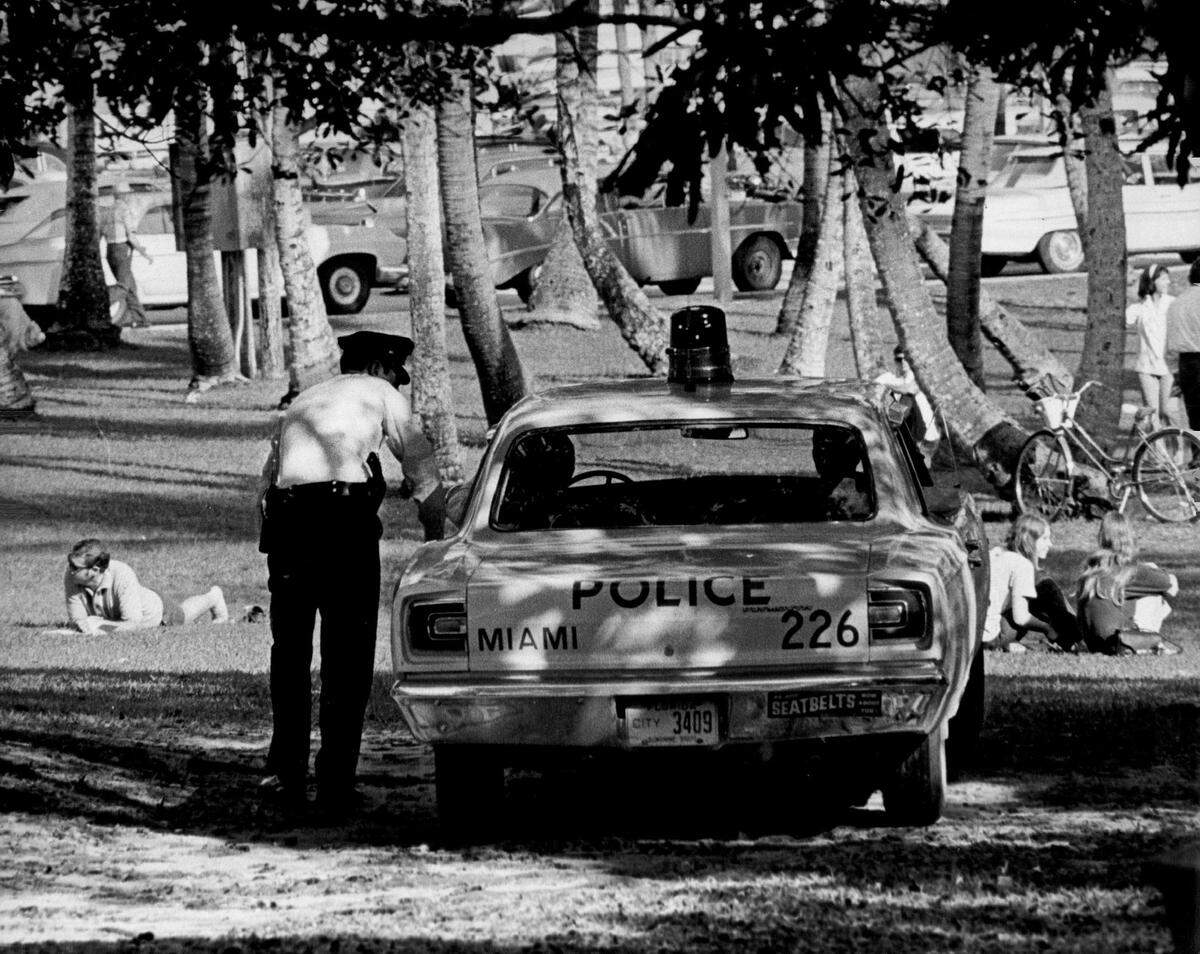
In 1969, police at a Coconut Grove park on the bayfront. Joe Schuppe Miami Herald File
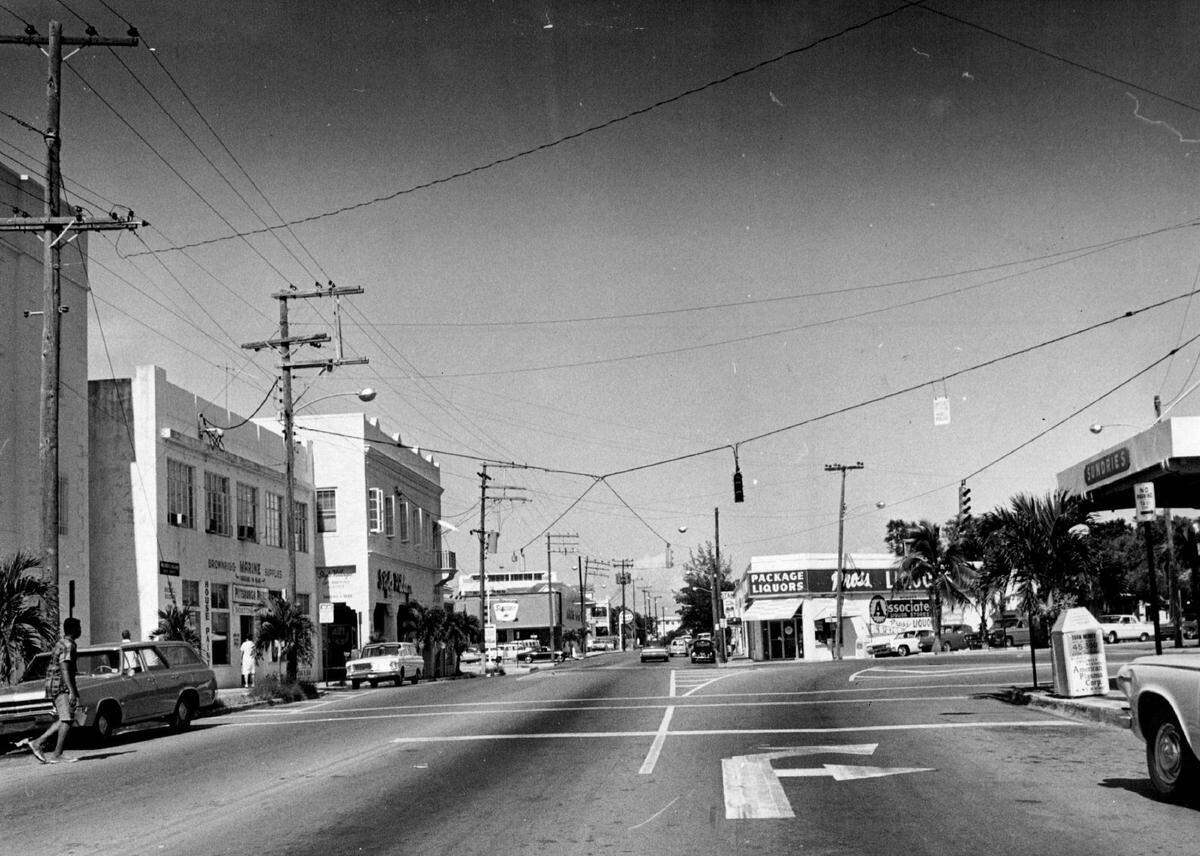
Downtown Coconut Grove looking east on Grand Avenue in 1967. Bob East Miami Herald File
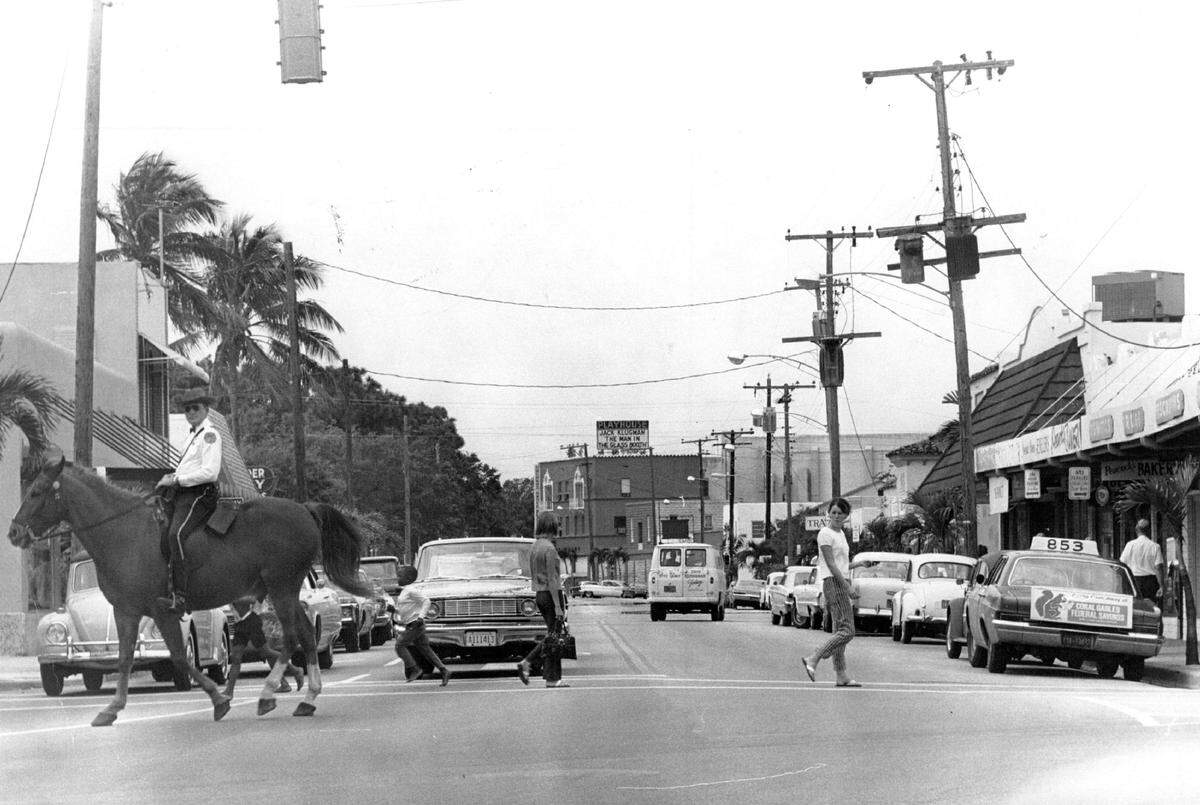
Main Highway in 1969. Doug Kennedy Miami Herald File
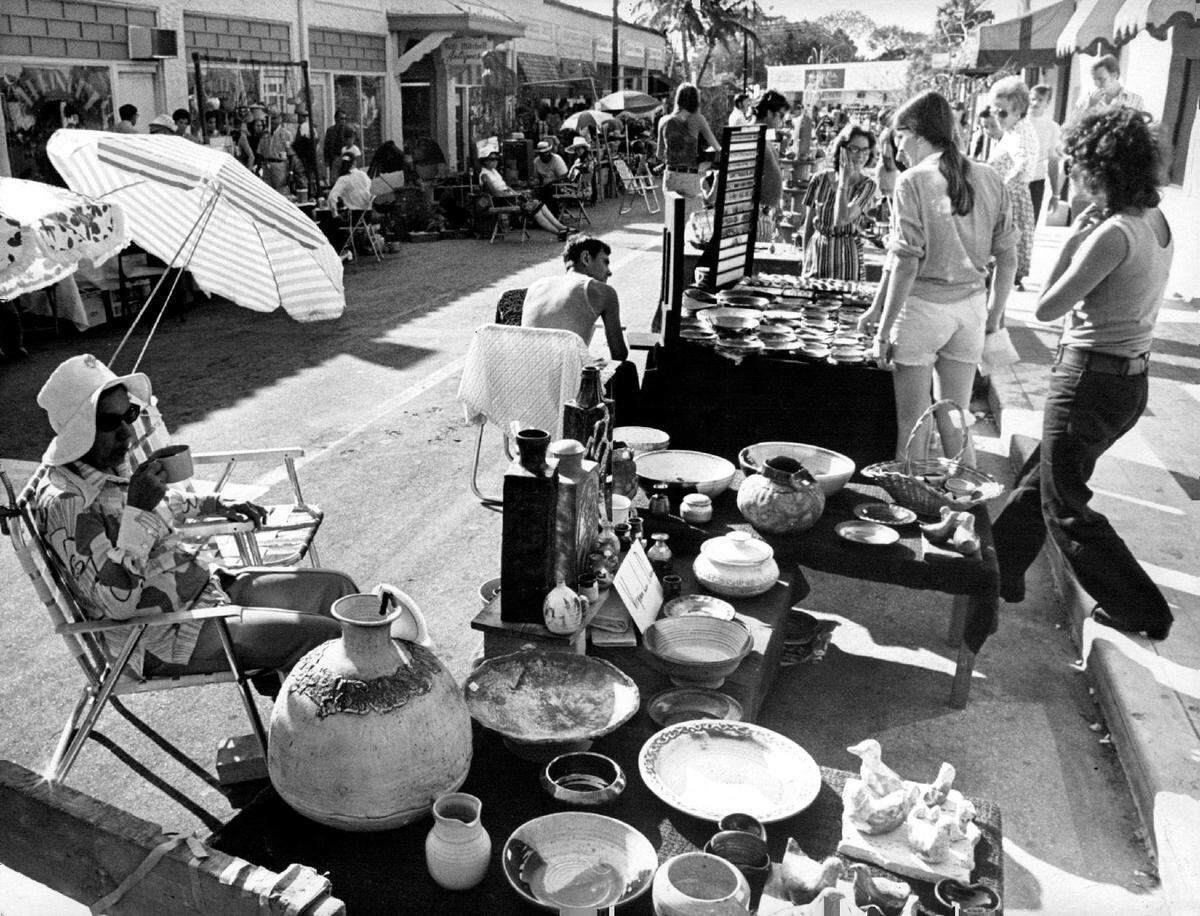
Coconut Grove Art Festival in 1972. = Miami Herald file
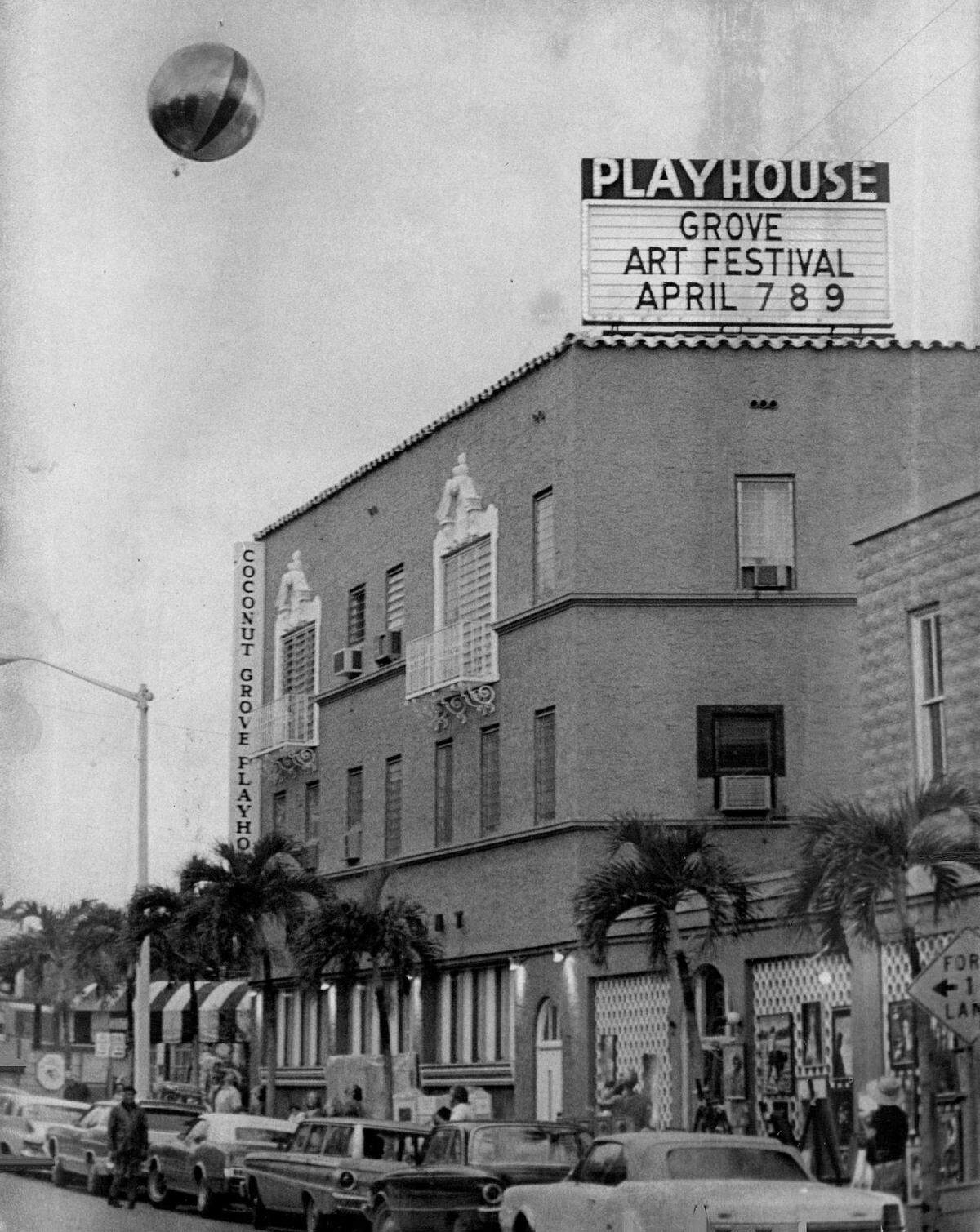
Coconut Grove Arts Festival Baloon as it heads for the clouds. Miami Herald File
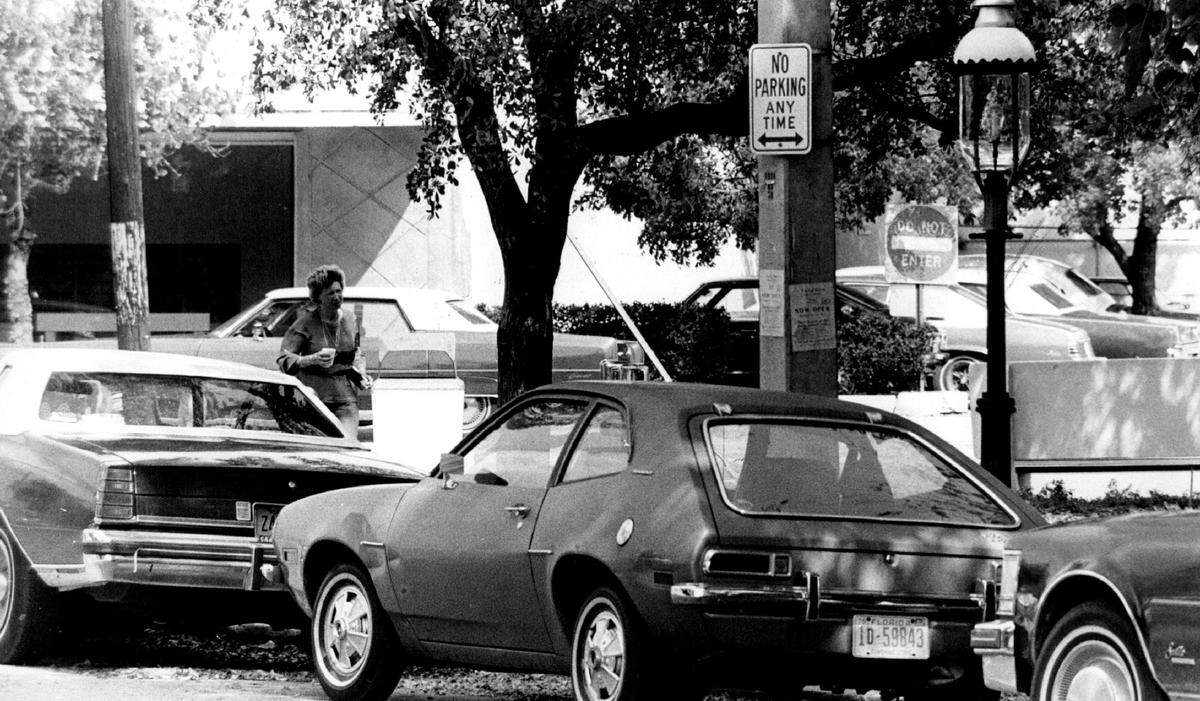
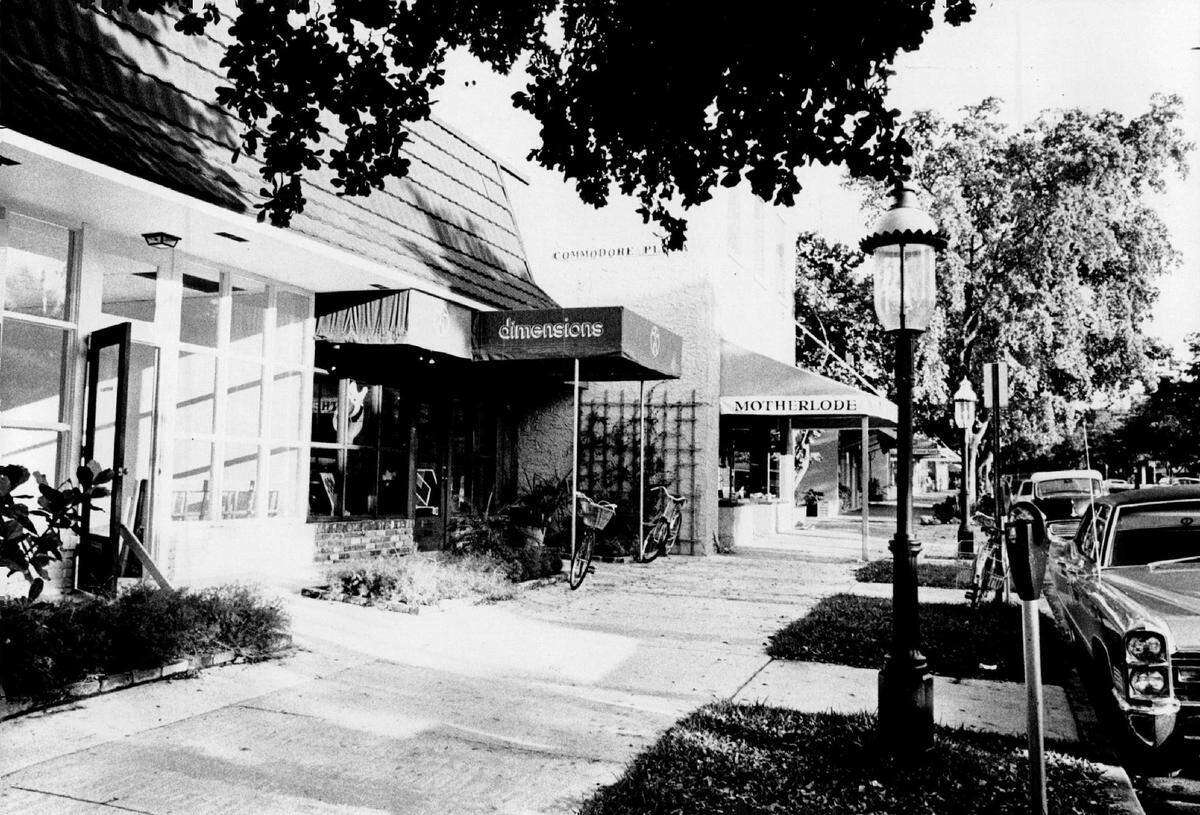
Parked cars along Commodore Plaza in 1978. Joe Rimkus Jr. Miami Herald File
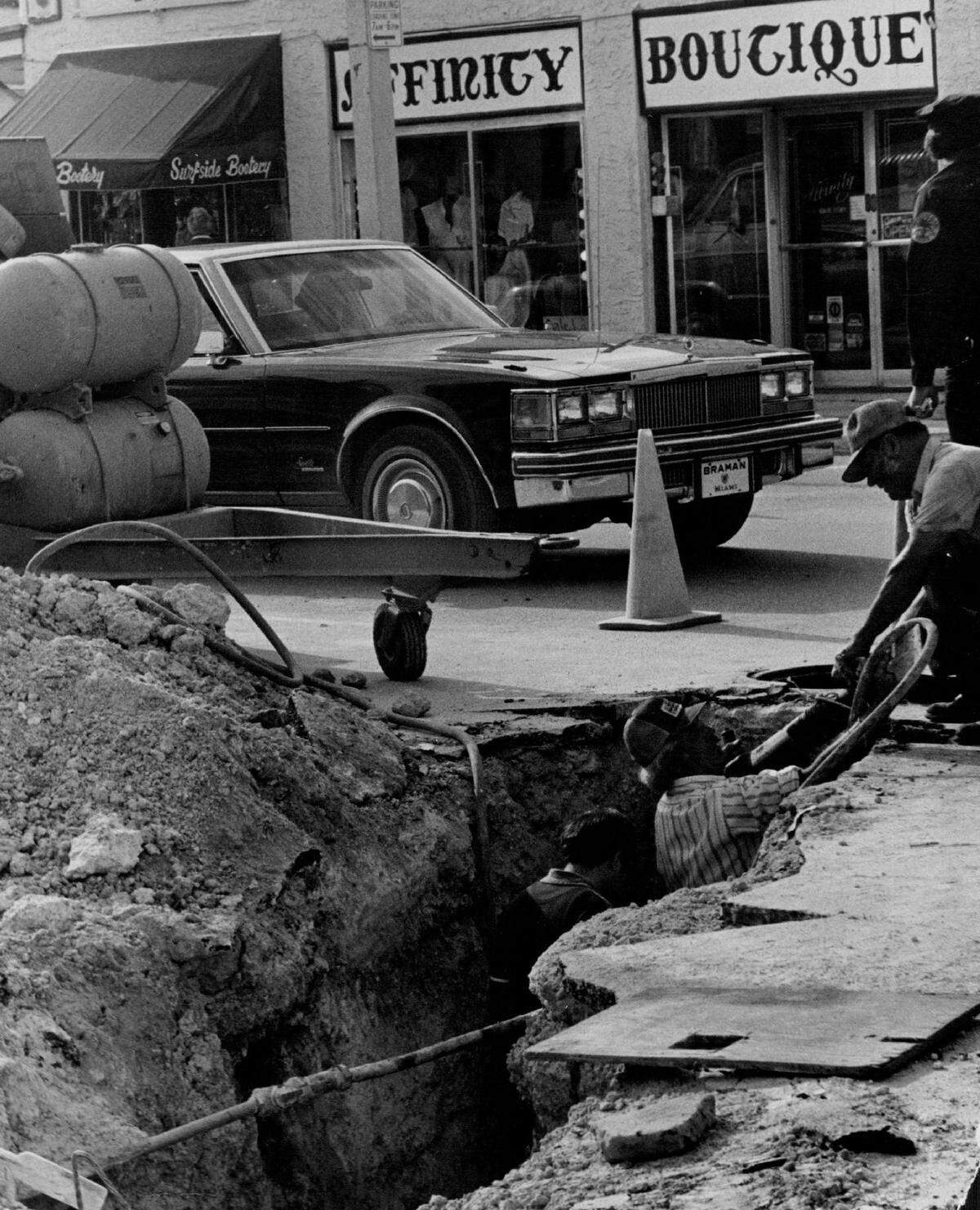
Construction on Main Highway in 1979. Miami Herald File
Main Highway in Coconut Grove in 1969. Doug Kennedy Miami Herald File
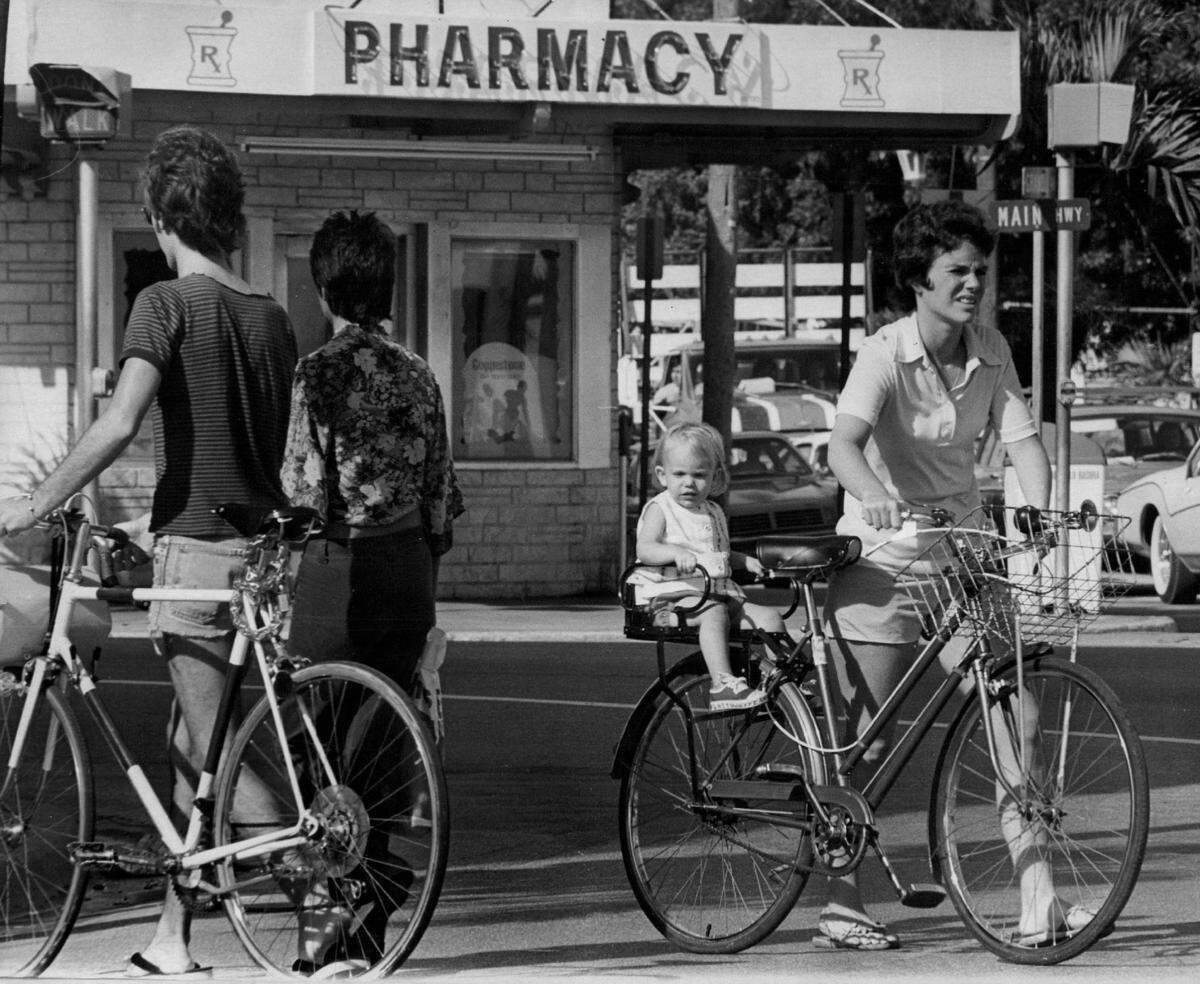
Bicyclers in Coconut Grove in 1974. Albert Coya Miami Herald File
Grand Avenue, just east of Douglas Road, in 1979. Miami Herald File
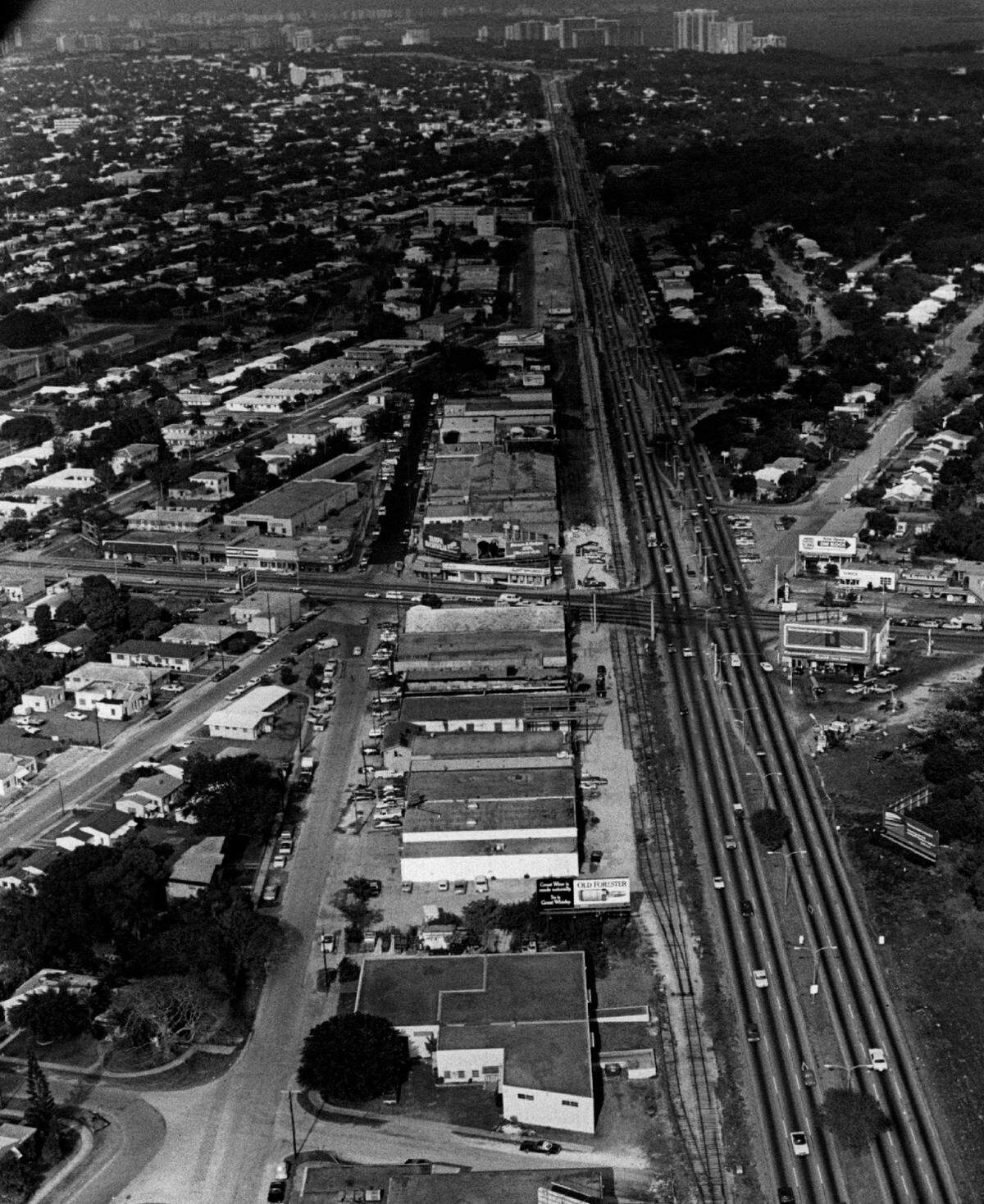
Coconut Grove in 1979, looking across Southwest 27th Avenue and South Dixie Highway. Bob East Miami Herald File
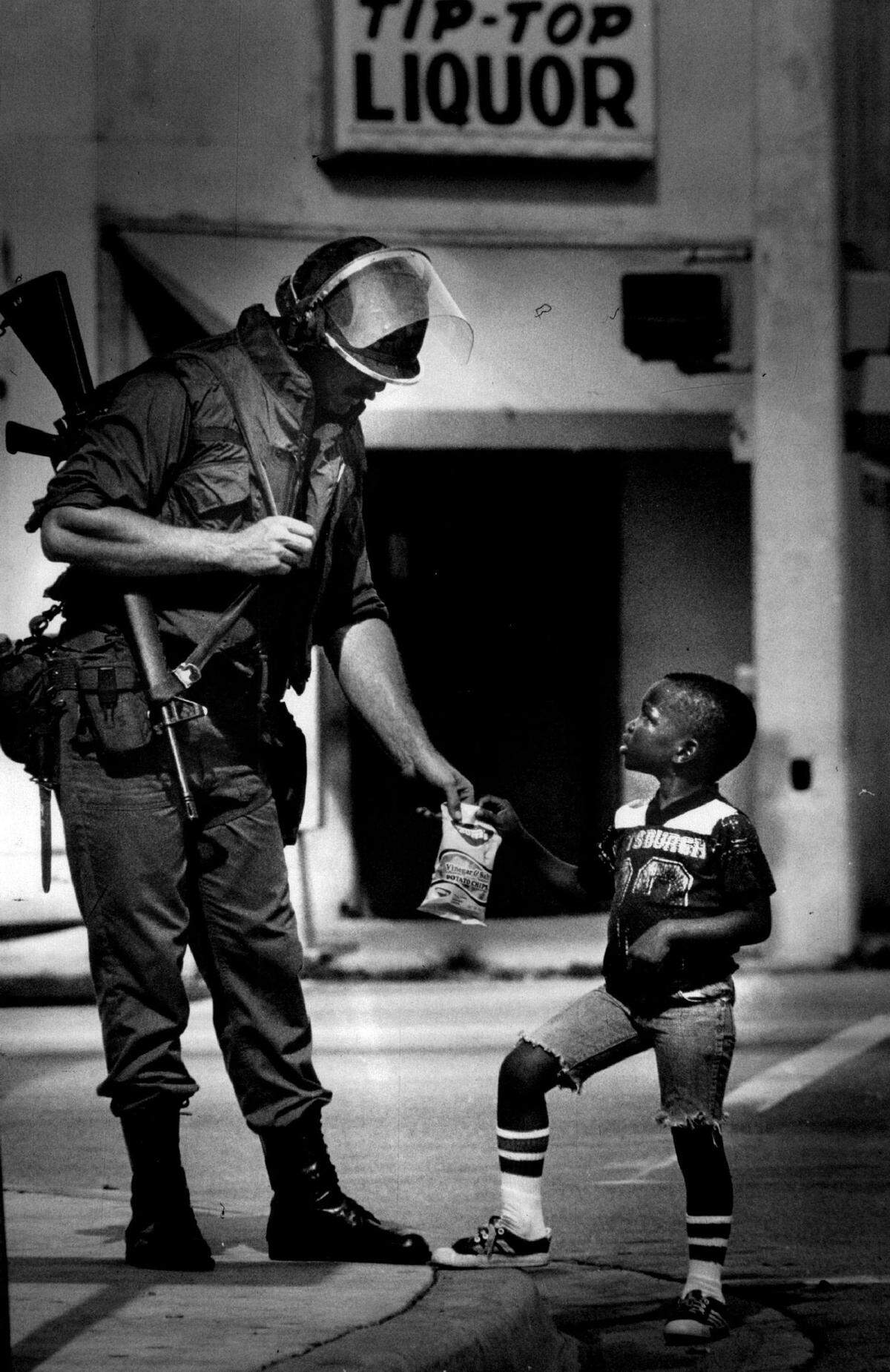
In 1980, on Grand Avenue and Douglas Road in Coconut Grove, National Guardsman Milton O’Dell meets 5-year-old Joe Rickenbacker Jr. Bruce Gilbert Miami Herald File
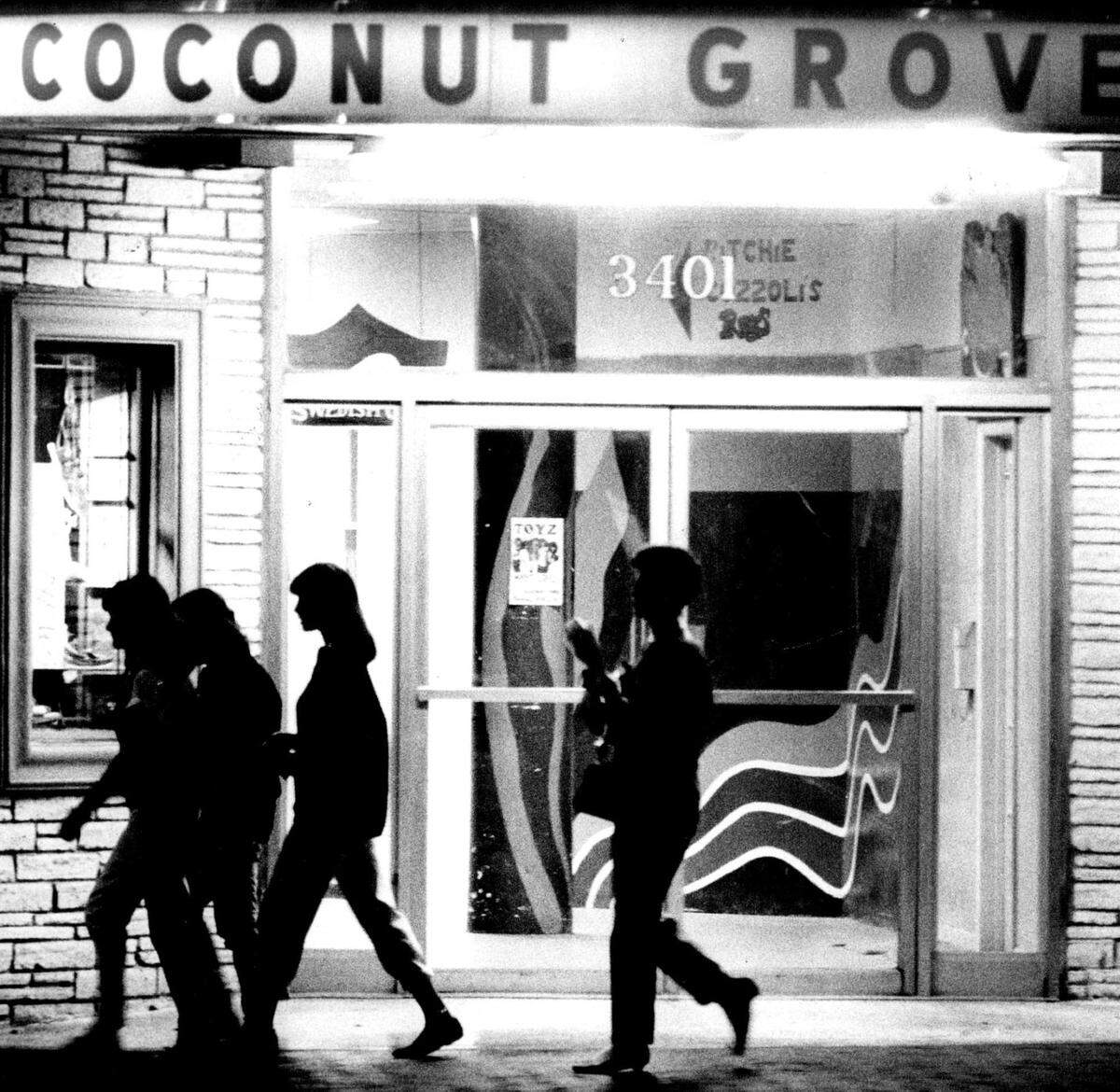
Pedestrians in 1984. Miami Herald File
Businesses
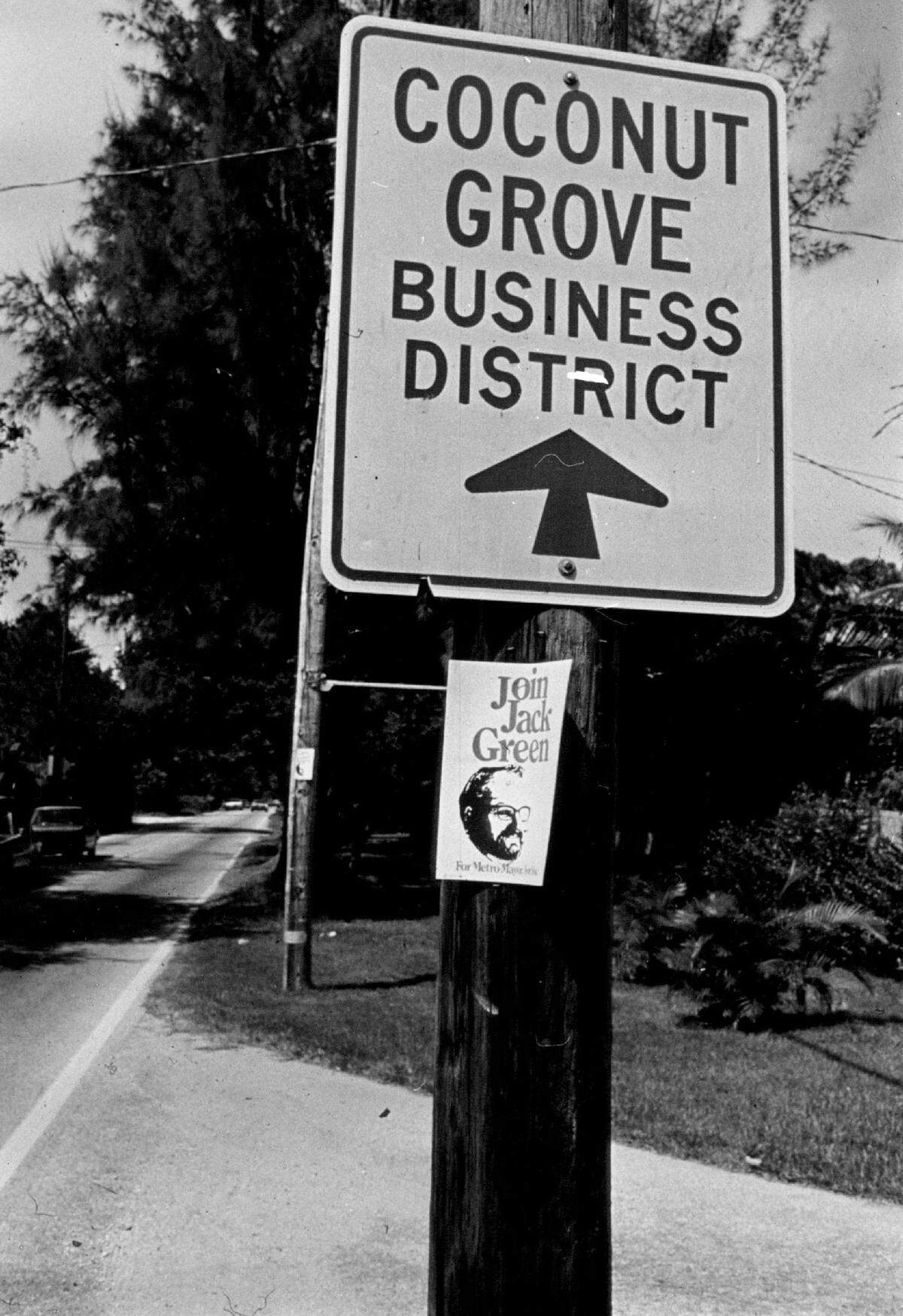
A sign points the way. Miami Herald File
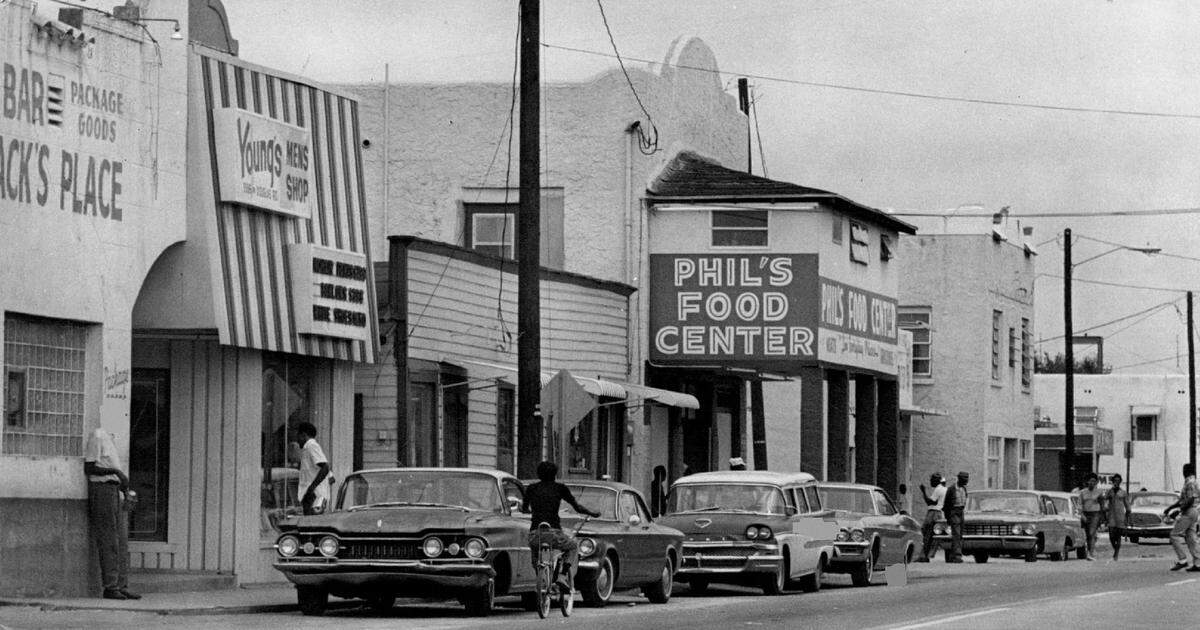
Businesses in Coconut Grove in the 1960s. Doug Kennedy Miami Herald File
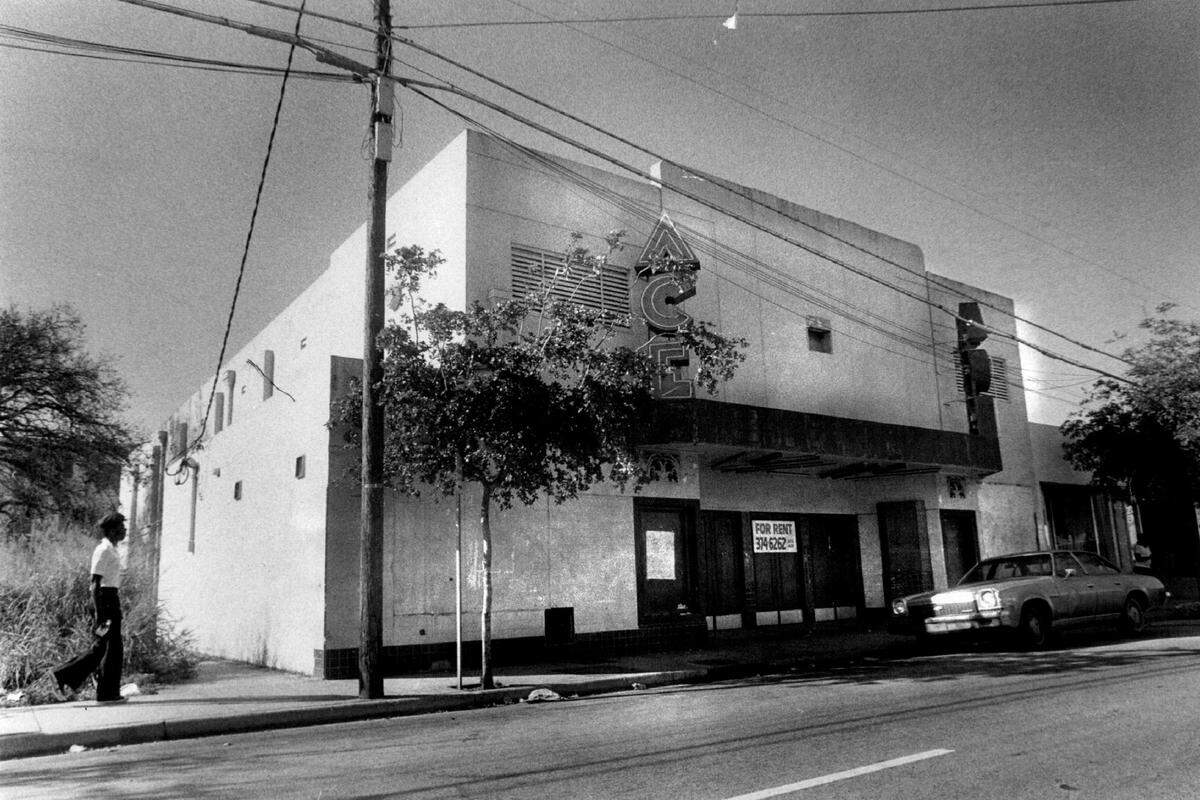
Ace Theater in 1979. Bruce Gilbert Miami Herald File
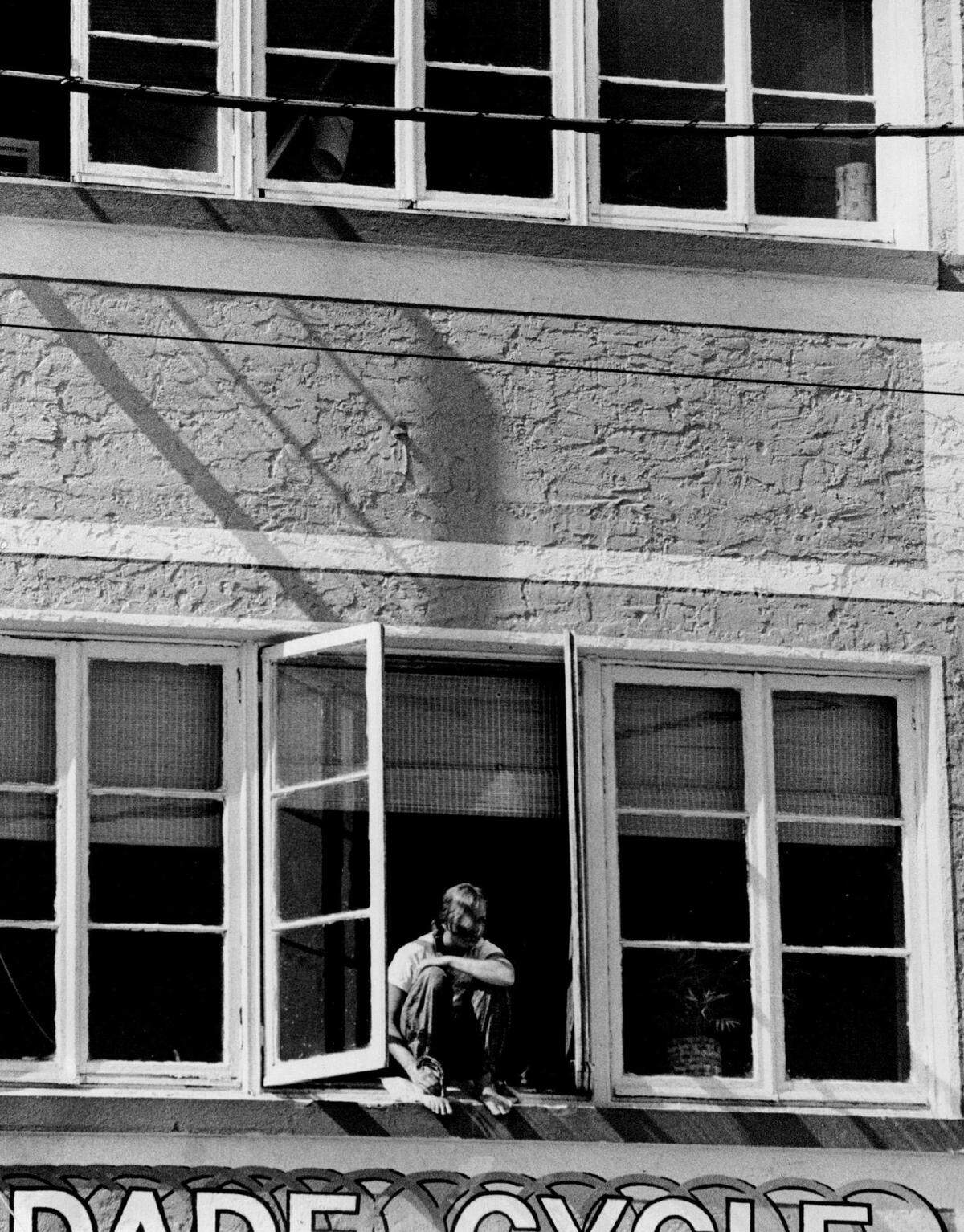
A perch above Dade Cycle on Grand Avenue in 1978. Joe Rimkus Jr. Miami Herald File
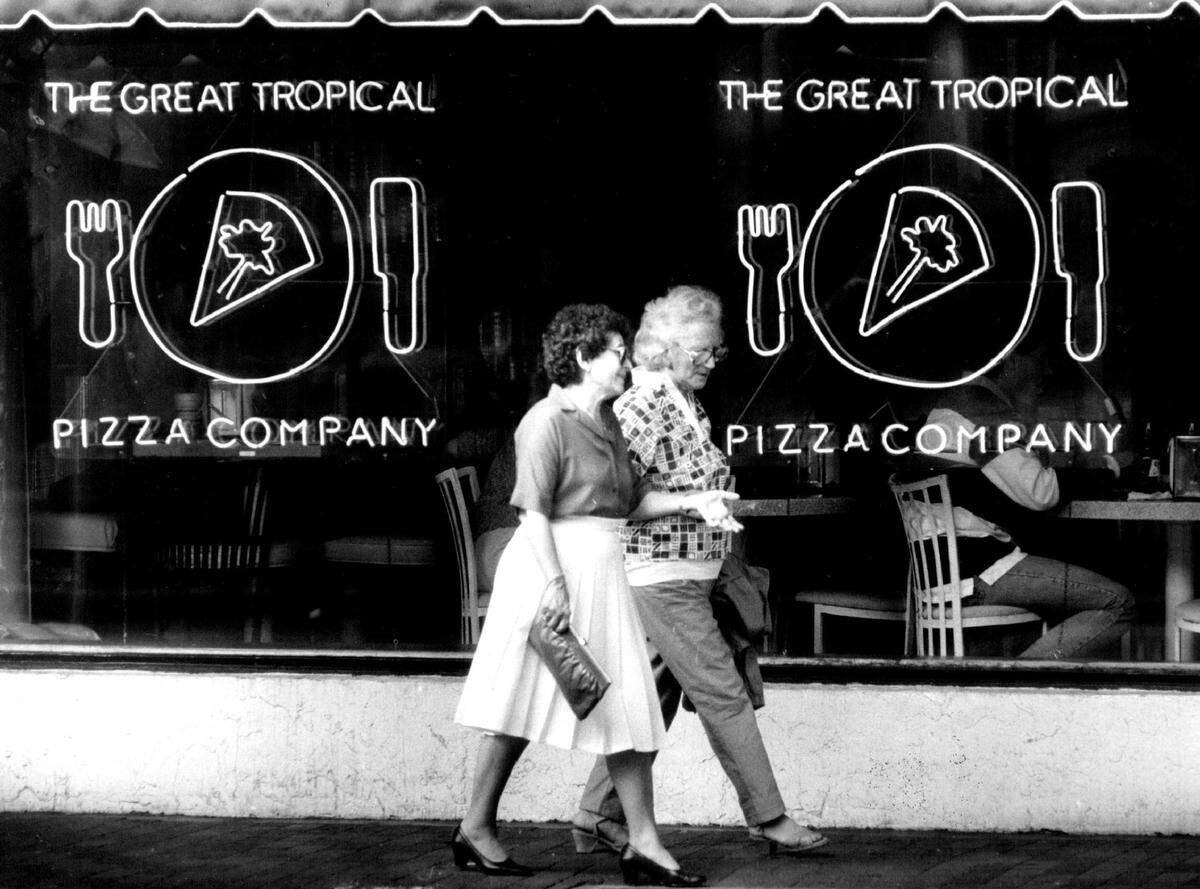
Strollers on Mian Highway in 1988. Carol Guzy Miami Herald File
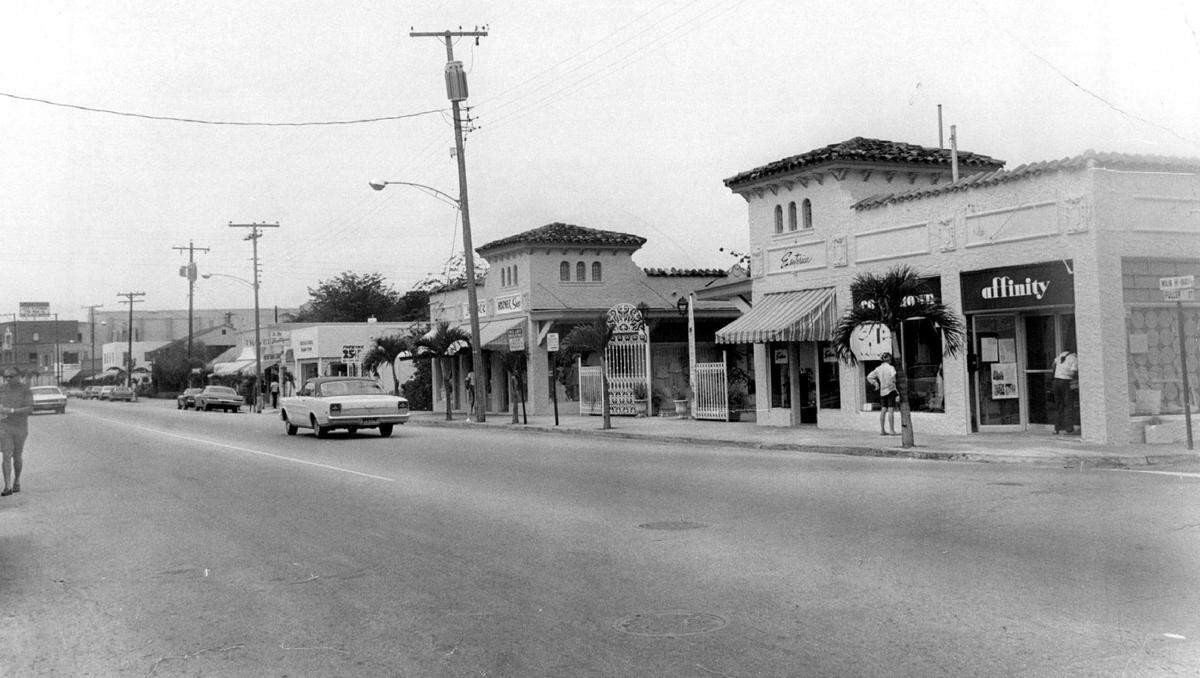
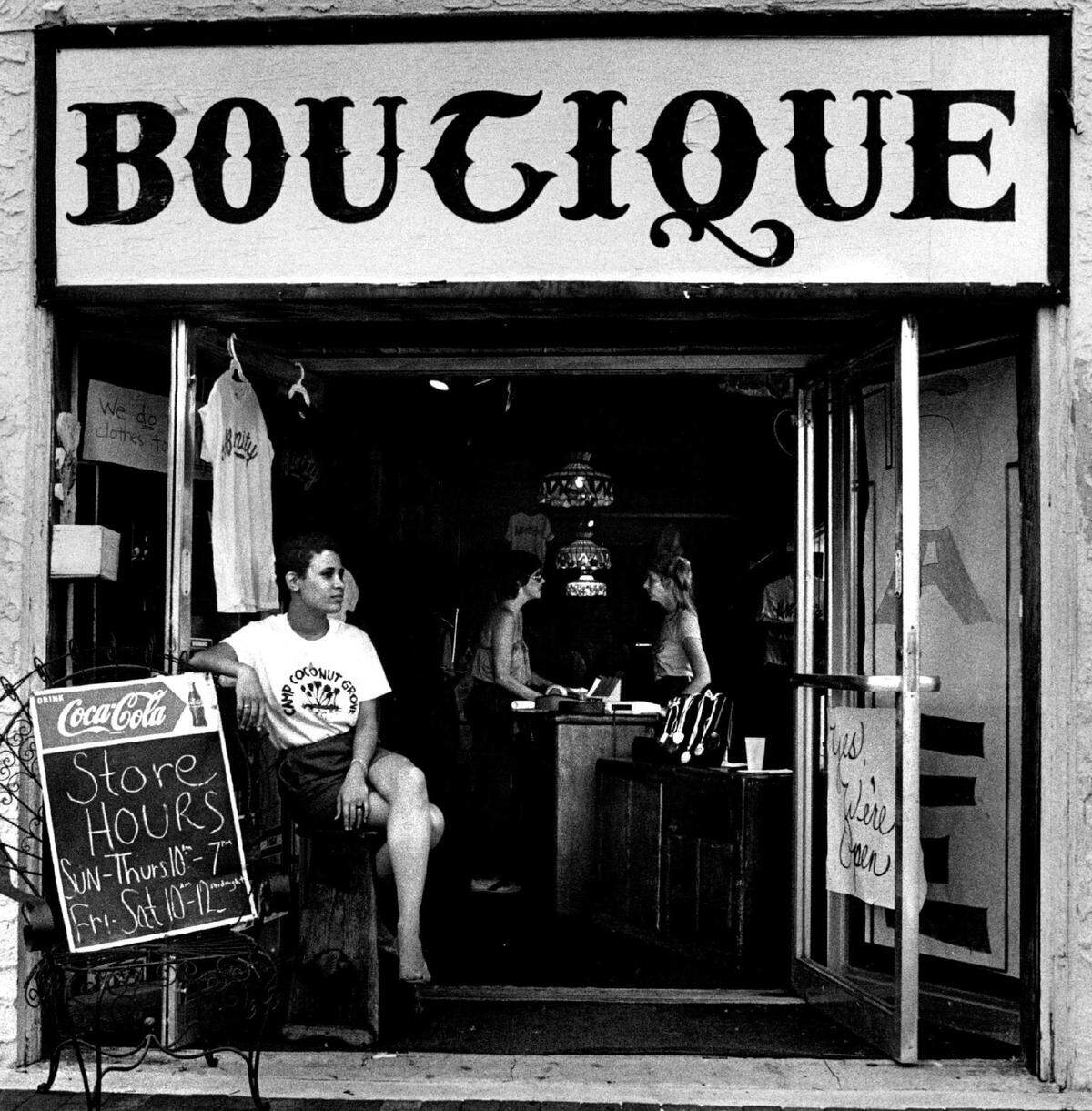
Senufa Rivera Employee sits outside of the affinity boutique in Coconut Grove Debbi Belcher (inside Right) talks to customer. Miami Herald File
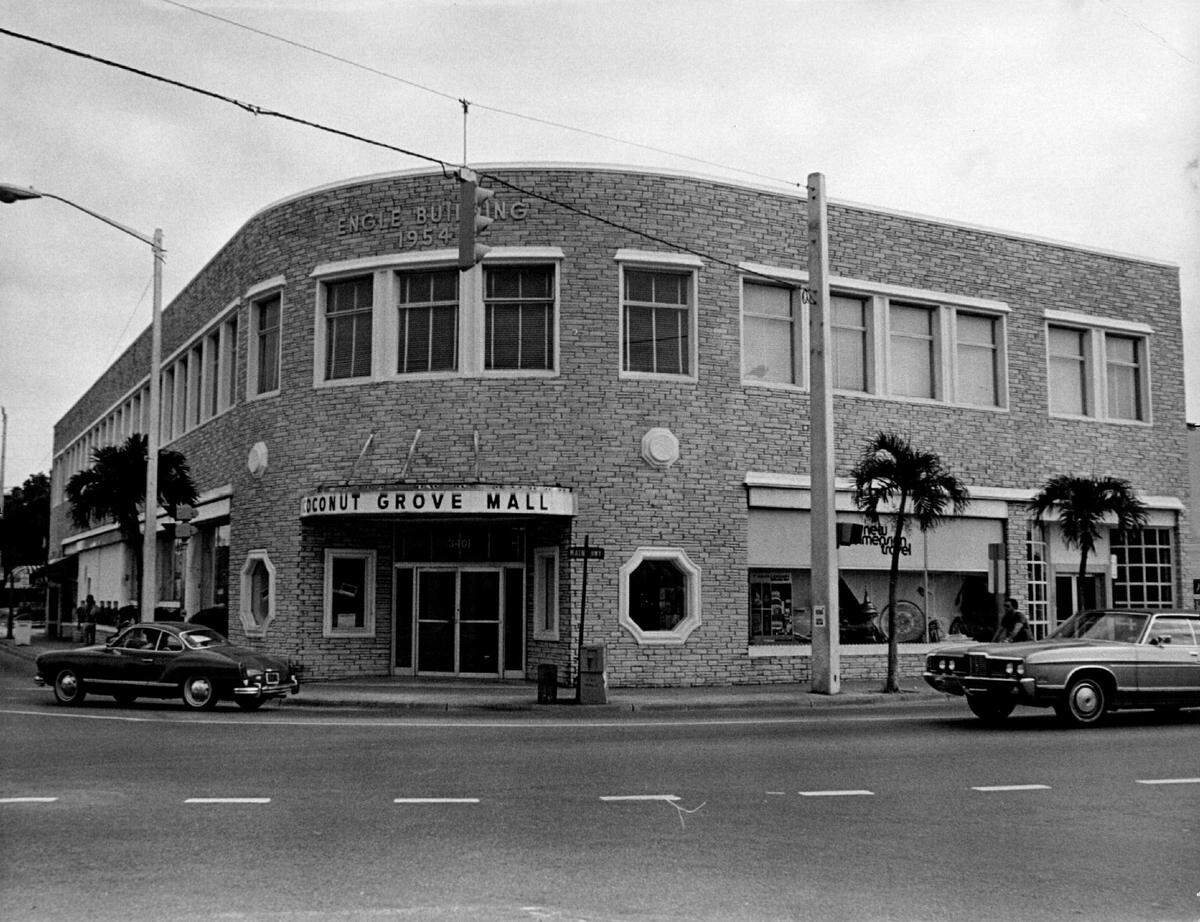
In 1973, a collection of Grove businesses in a mall. John Pineda Miami Herald File
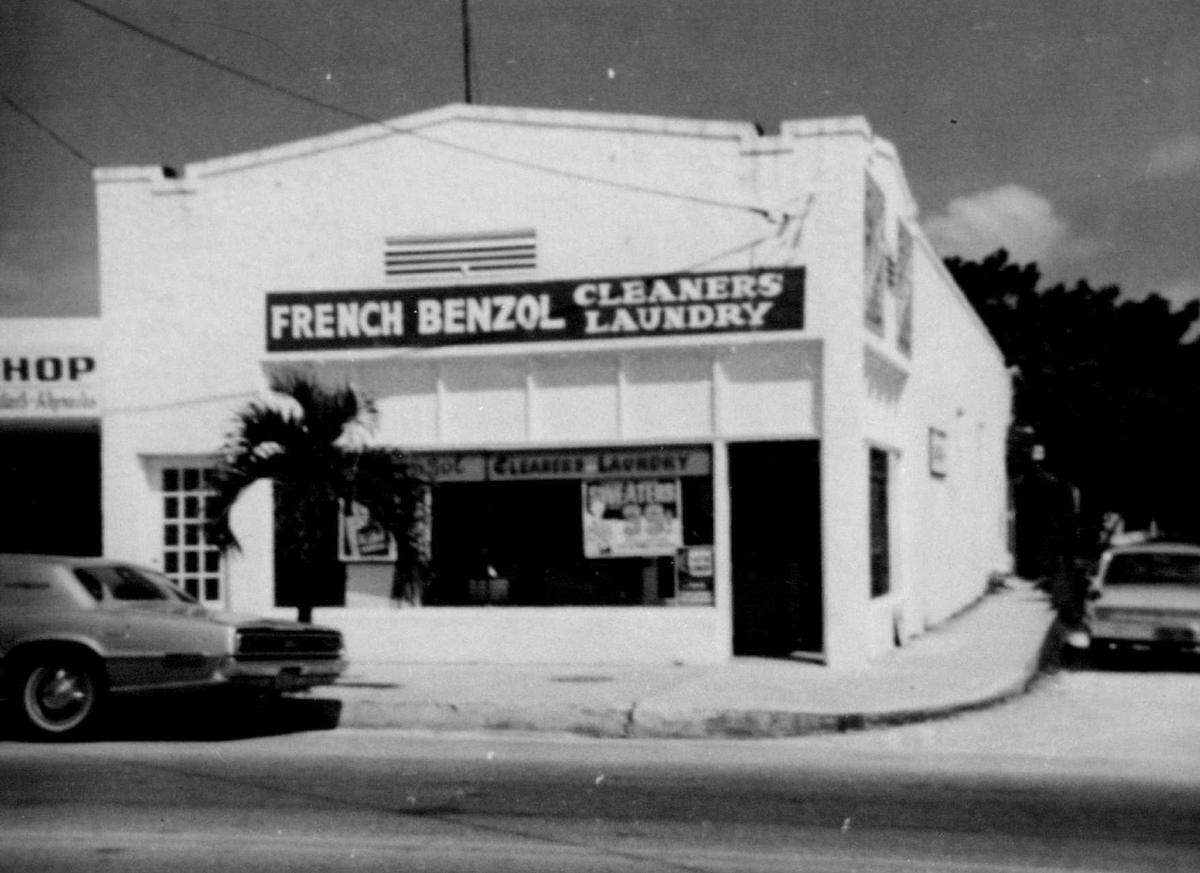
A laundry storefront in 1969.
A business in the Grove.
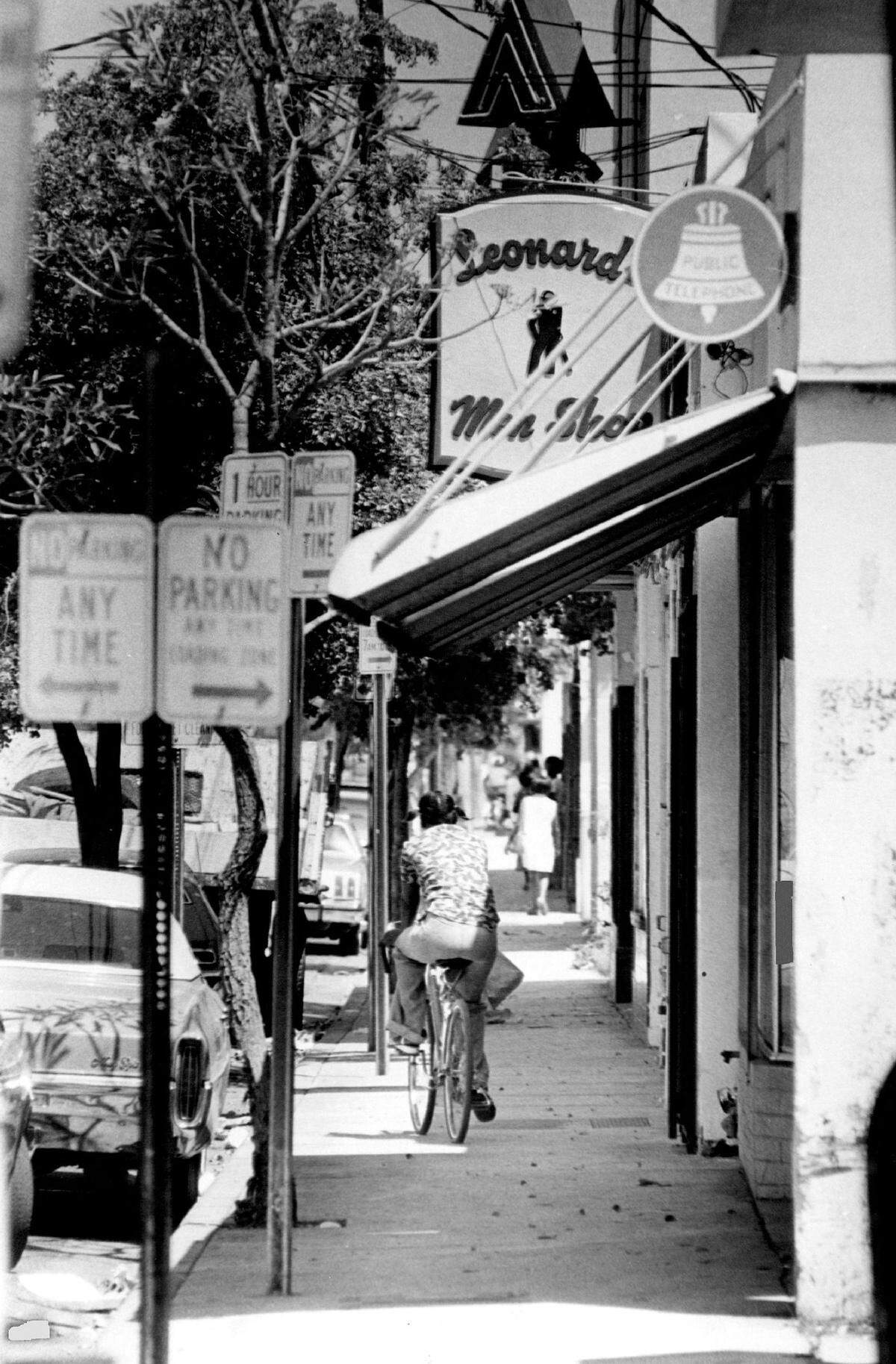
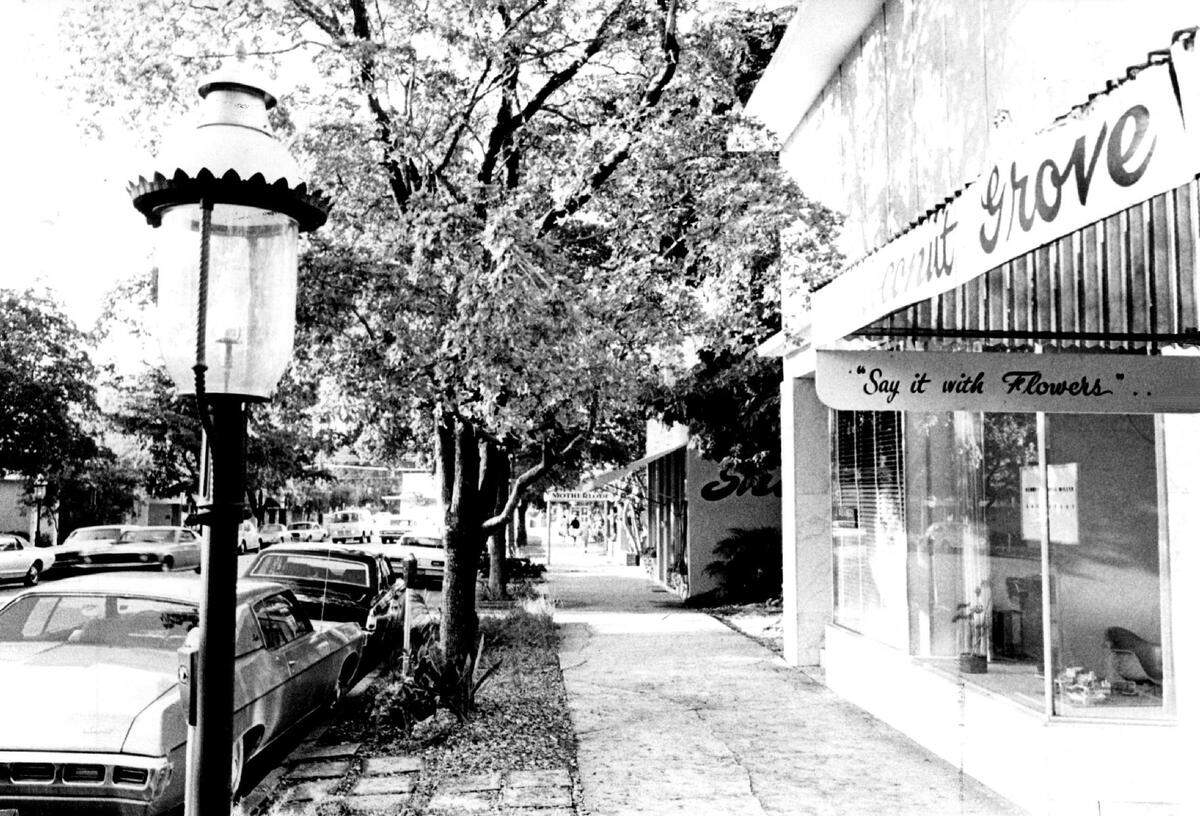
Grove businesses line the street. Miami Herald File
Mutiny Hotel, notorious for cocaine parties in the 1980s. Tim Chapman Miami Herald File
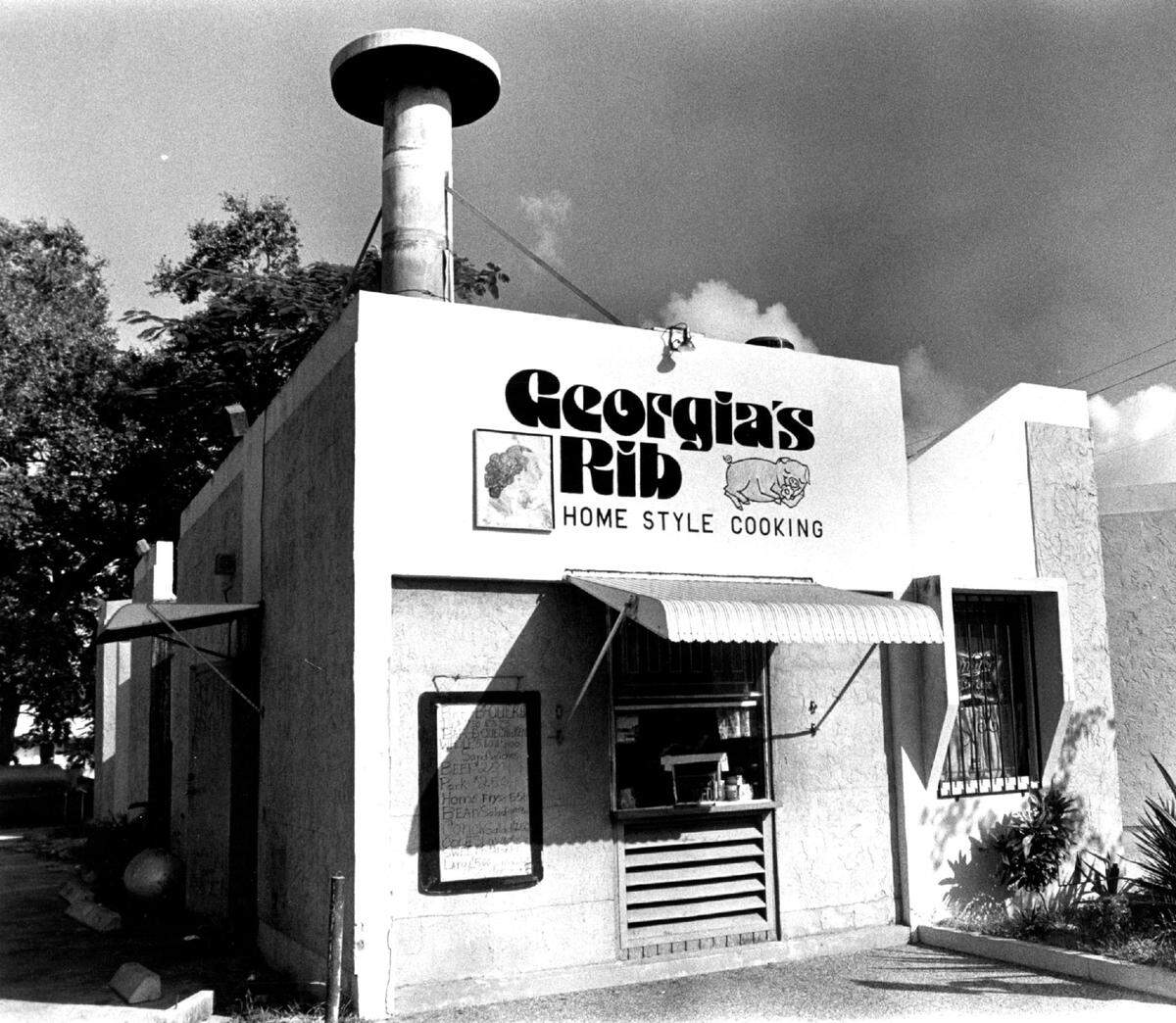
Georgia Rib on Grand Avenue in 1982. Albert Coya Miami Herald File
The Peacock Cafe in 1988. Albert Coya Miami Herald File
Early years
First schoolhouse in Miami-Dade County, on Grand Avenue in Coconut Grove. Miami Herald File
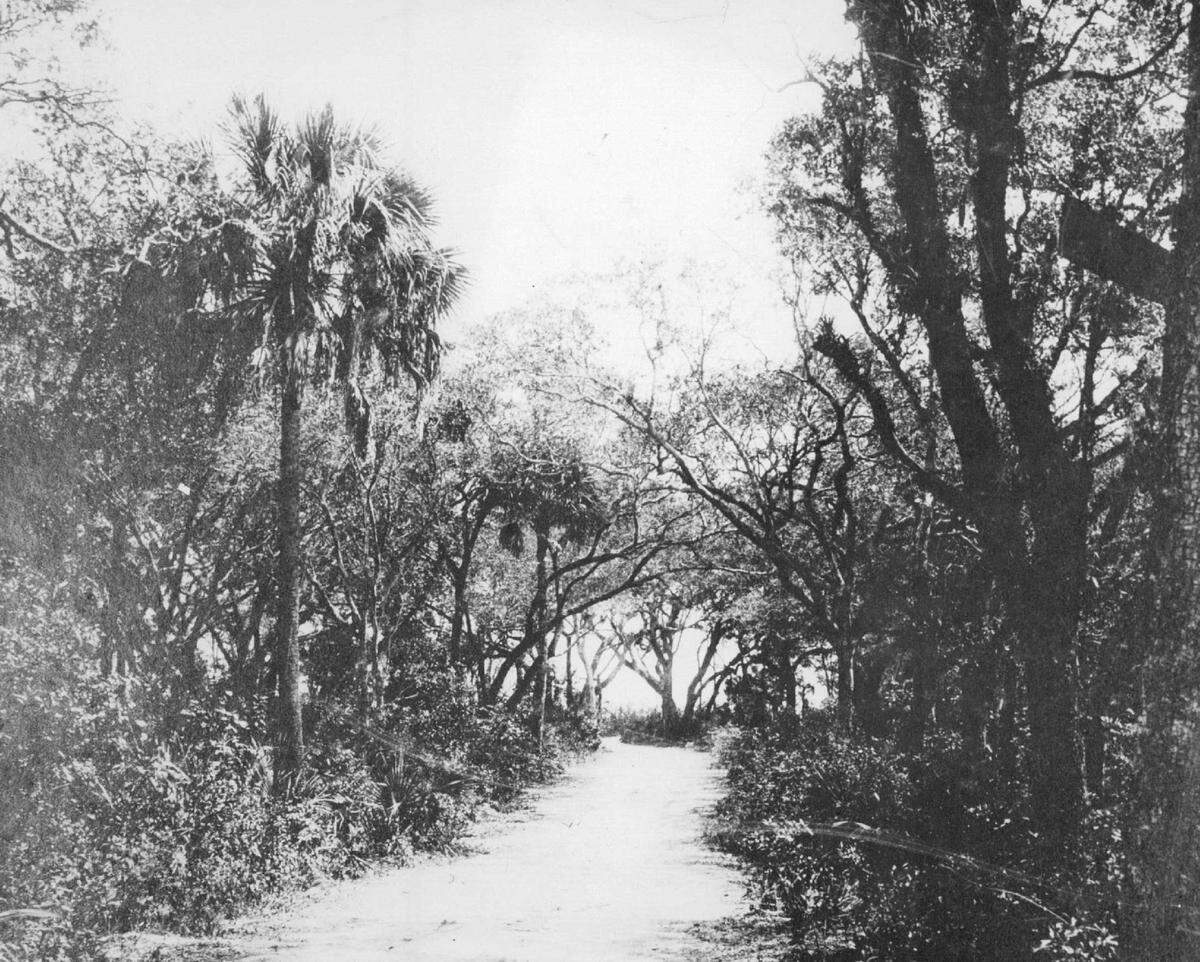
Road to Coconut Grove through a hammock in 1903. Miami Herald File
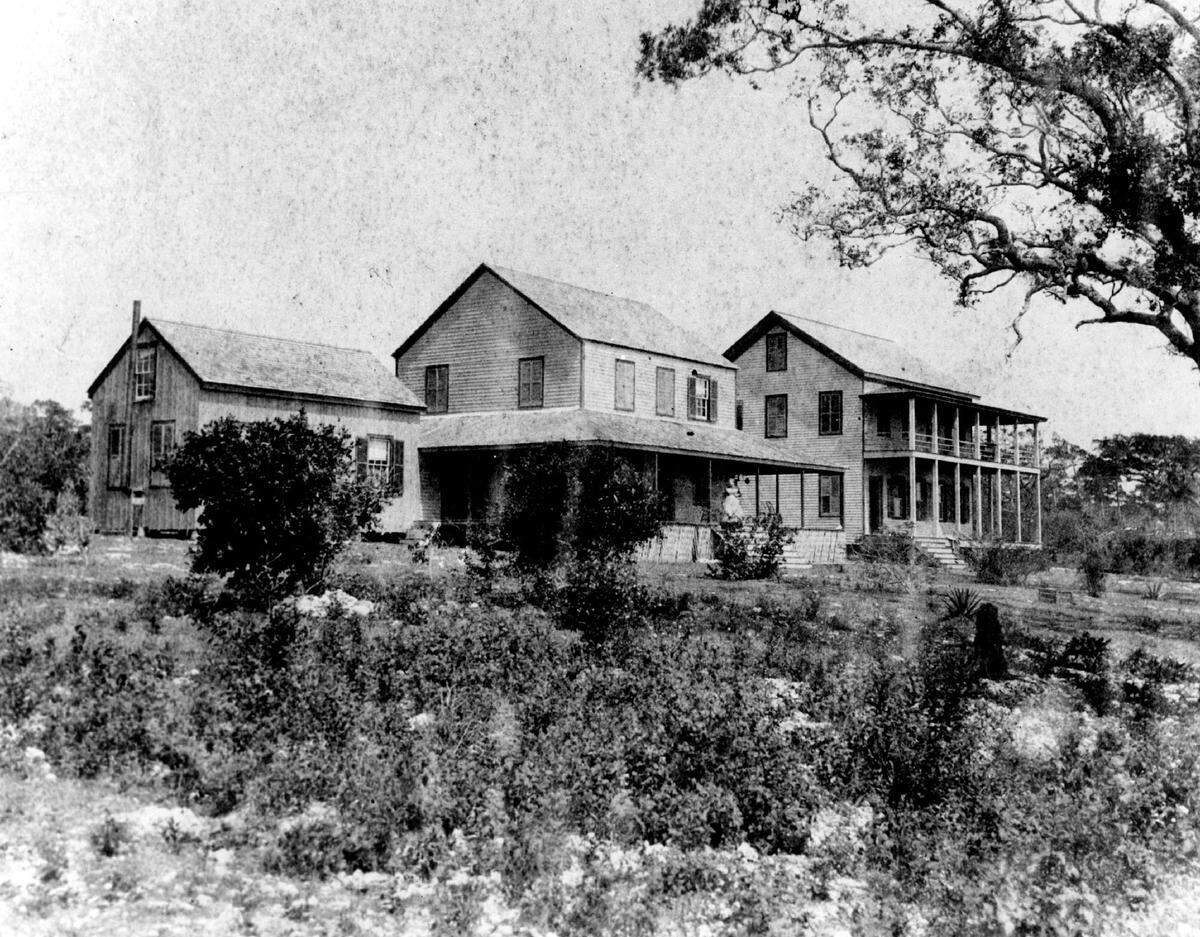
Peacock Inn, the Grove’s first hotel. Miami Herald File
A Pan Am passenger terminal under construction in Coconut Grove. Miami Herald File
Visitors crowd around the globe of the world at the Pan Am seaplane terminal in Coconut Grove, now Miami’s City Hall, in the mid-1930s. Miami Herald archives
This story was originally published October 18, 2024 at 7:59 AM.