
City buries the news as Brickell dig unearths 3,500-year-old burial and settlement site
Two years after the discovery of a major, long-buried indigenous village on a Brickell redevelopment site prompted a major preservation battle, archaeologists excavating at a separate bayfront site owned by the same developer just blocks away have uncovered yet another significant Native American settlement and cemetery that’s several thousand years old.
But exactly what’s been going on behind the construction fence at 1809 Brickell Avenue for the past year and a half appears to have been largely kept under wraps by the city of Miami.
A preliminary archaeological report from last October, which the city took two months to release in response to a records request from the Miami Herald, summarizes initial but tantalizing finds on the site, owned by developers Related Group and Integra Investments, that date as far back as 3,500 years ago
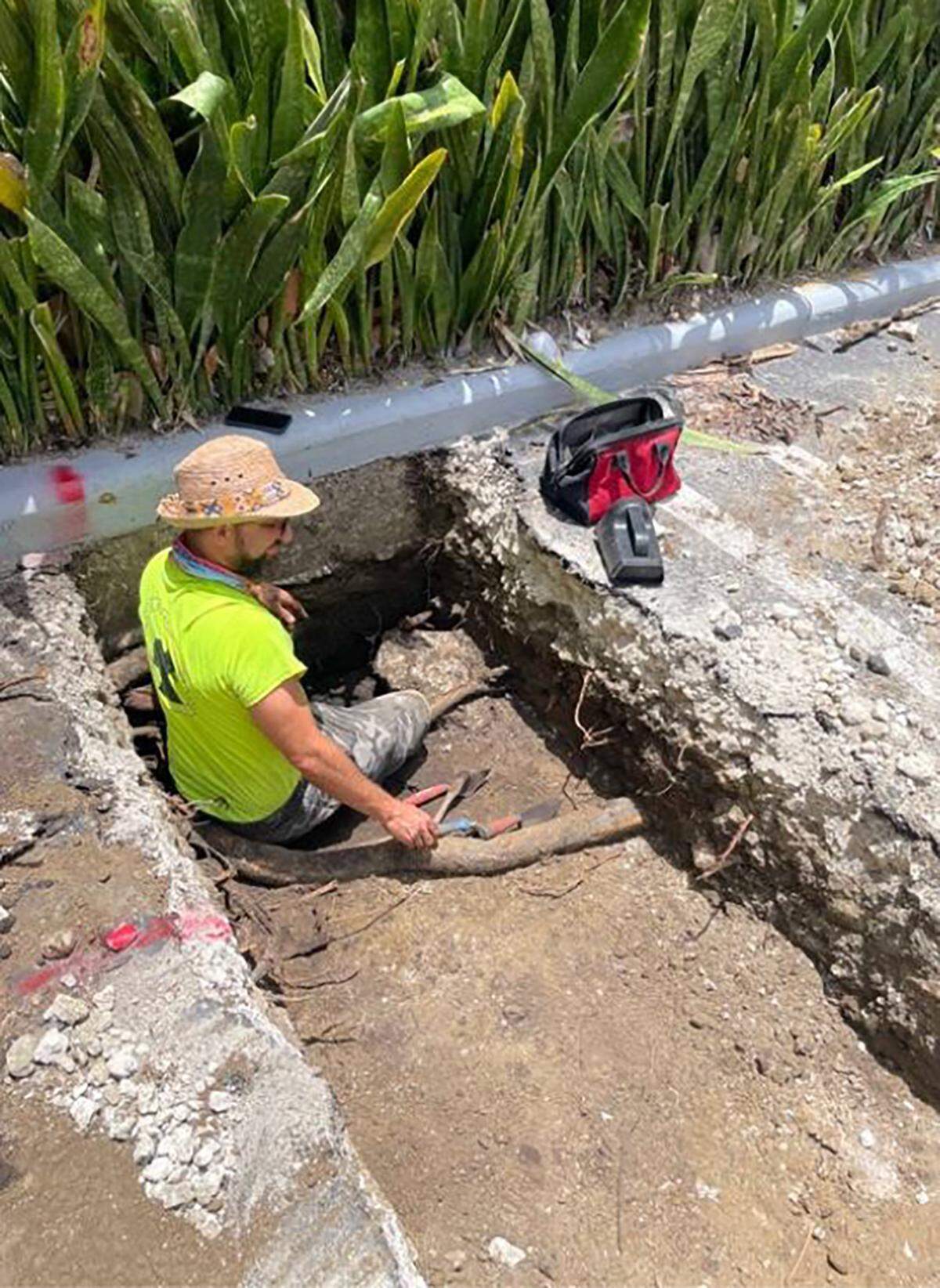
Starting in December of 2023, the report says, an archaeological team found traces of fire pits and artifacts such as pottery shards, tools and spearheads, as well as bones and shells from animals hunted, fished or consumed by the indigenous people, probably Tequesta, who occupied the site. The report also details the discovery of ancient human remains, including that of an infant, that had been buried in formal fashion, suggesting the site served as an indigenous cemetery.
But the full extent of the find to date, and what’s being done about the artifacts, is all but impossible to publicly ascertain even as construction cranes have been erected on the site and cement mixers pour concrete for a high-end high-rise condo. Miami’s preservation laws require developers building in archaeological zones that cover much of Brickell and downtown to conduct careful excavations under city supervision and submit public reports before getting clearance to build.
Related and its project partners Integra Investments say they have fully complied with all legal requirements, including “regular reporting” to regulatory agencies. A statement released by a spokesman also says excavation continues, but does not specify whether that’s in a particular portion of the property. A visit to the site suggests extensive foundation work for the new tower is now underway.
“We understand the importance of carefully preserving any findings, and plan to adhere to the applicable regulations for such preservation,” the statement reads, without further elaboration. Related declined requests for an interview.
In a response to a followup question, Related said “recovered artifacts are carefully stored under the supervision and control of our archaeological team in spaces which meet specific guidelines to their interim care.”
Out of the public eye
City of Miami officials, however, appear to have kept the findings — important enough that the archaeologists working for the developers on the dig say the site should be partially preserved and merits listing on the National Register of Historic Sites — hidden from scrutiny by the public and preservation experts.
They have not presented the discovery to the city’s historic preservation board, typically a routine action, or, until the Herald engaged a First Amendment attorney at the Holland & Knight firm, failed to release archaeological reports on the prehistoric finds. Such reports, required under city preservation laws, are public records meant to be readily available to anyone who asks.
The city says the October report, by noted archaeologist Bob Carr and his South Florida Archaeological and Historical Conservancy, is the only one Related has submitted. Neither city historic preservation officer Kenneth Kalmis nor city media relations officials responded to requests for interviews on the handling of the excavation.
That means there has been no publicly available update since October on what’s been found on the site, how it’s been handled or the precise status of the excavation — typically a lengthy and exhaustive process required under city preservation laws.
The apparent lapse comes two years after the city and Related came under withering criticism from the public and independent experts for the handling of the discovery of extensive remnants of a 2,000-year-old Tequesta village on the Miami River just off Brickell Avenue.
The preservation board, whose members said briefings by city preservation officials had not made the site’s importance clear, took action to require partial preservation and exhibition of the finds after pleas by independent archaeologists prompted worldwide attention and a public uproar. Related has since consistently denied media requests to visit the site and to this day won’t provide interviews on the find or its handling of it.
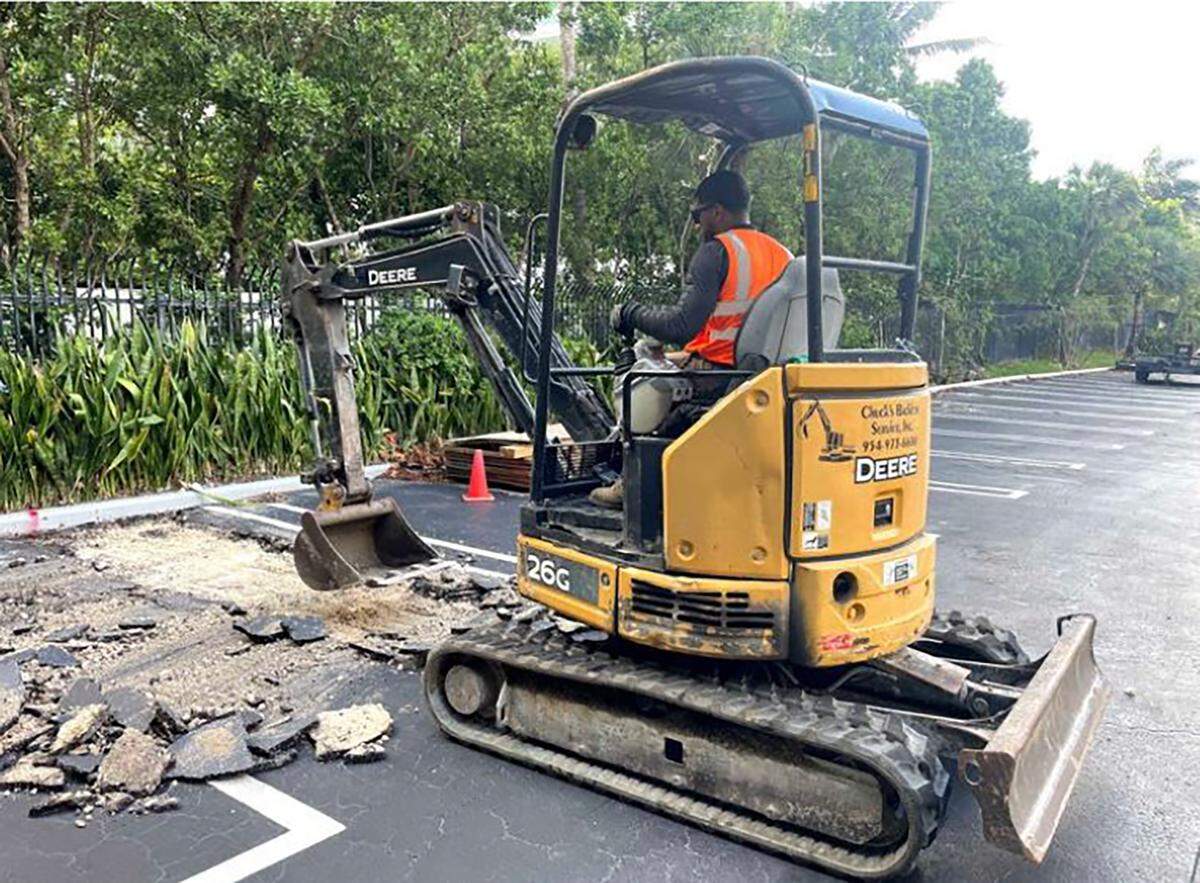
Even as the board and Related reached an agreement on the Miami River site, it turns out the developer’s archaeological team was ready to start exploratory excavation on a second site some 15 blocks to the south on Brickell Avenue — a dig that promptly began yielding evidence of indigenous settlement much older than the river site.
But no one from the city apparently bothered to tell the board, which has legal jurisdiction over archaeological sites and discoveries and has the power to order preservation measures..
Two members of the preservation board recently told the Miami Herald they were unaware of the 1809 Brickell discovery and confirmed that neither city preservation officer Kalmis nor his staff have presented it to or discussed it with the board.
Given previous discoveries of ancient and extensive indigenous burial and settlement sites in the immediate vicinity of 1809 Brickell during condo construction in the 1990s, independent archaeologists say, it’s long been presumed that the Related site likely contained similar remnants — a theory that appears to be confirmed by the new excavation. The entire Brickell shoreline along Biscayne Bay has long been designated an archaeological zone by the city because previous finds suggested extensive occupation by prehistoric tribes or groups.
Traci Ardren, a University of Miami archaeology professor who helped publicize the Miami River discoveries, said she has no details on the 1809 excavation but that the site is believed to be one of two extensive Late Archaic cemeteries in the area.
Project replacing previous building
At 1809 Brickell, Related and their partners in the project, Integra, bought and demolished a 17-story residential tower, built in the 1960s as affordable housing for teachers, for construction of a luxury St. Regis Residences condo. Construction of the earlier tower had mostly destroyed traces of ancient occupation along the eastern portion of the lot, but Carr’s team of archaeologists found intact remnants in solution holes in the limestone bedrock under the parking lot and in a green space adjacent to the property entrance on Brickell, the October report notes.
According to Carr’s October report, preliminary excavation at the 3.23-acre site uncovered “well preserved” middens — mounds of earth that contain refuse, animal bones and artifacts such as pottery shards, tools and spear or projectile points. The materials date back to between 1,000 and 3,500 years ago, which spans a period from the Late Archaic and to more recent Glades II periods, the report says.
Mixed in with the ancient finds are some later artifacts, likely from European and later U.S. settlers, that date from the 19th or early 20th centuries, including a pewter cross of unknown origins.
In his report, Carr recommends that some of the better-preserved sections of the site be saved.
“It is recommended that intact portions of the site be avoided if feasible,” the report says. “This will include the green space abutting Brickell Avenue. Any areas of intact midden that can be preserved should be identified by the developer.”
The report also promises an “archaeological management plan,” but Related said in its statement that it’s not ready because the excavation continues. Related and Integra did not provide details on the status of the excavation.
The city, meanwhile, took two months to comply with a public records request from the Herald and, then, in an unusual move, initially released a version of Carr’s October report with passages redacted that the city attorney’s office acknowledged describe finds of human remains. That’s something that archaeological reports released by the city in the past have routinely included without censoring.
After the Herald’s attorney notified the city that Florida public records laws contain no exemptions for those descriptions, the city removed the redactions from the publicly available report. The city attorney’s office said the redactions were done at the request of the state archaeology division.
The state archaeologist, Kathryn Miyar, referred a request for an interview to the Florida department of state’s media office. That office did not address the interview request in an emailed response that asked if a reporter wants to send a records request to the state.
The fact that the site could be an ancient cemetery is key to its historic and archaeological importance, archaeologists say.
Developer: ‘Findings are timely reported’
In their emailed statement, the 1809 Brickell developers suggest that Carr’s team has been reporting in to government agencies regularly, but doesn’t name the agencies or specify in what form those updates have come.
“Any and all findings are timely reported by our professional archaeological team to the appropriate governing agencies in accordance with applicable guidelines,” it says, adding that public agency representatives have conducted site visits and a ”thorough review of all activities onsite.”
The statement does not specify whether that includes city and state officials, both of whom have jurisdiction over aspects of the excavation. The state, in particular, is charged with ensuring proper reburial of human remains at a confidential location in accordance with directives of officially recognized state Native American tribal groups.
The previous find on the river, confirmed to be a extensive and remarkably well preserved remnants of what had been a large Tequesta town spanning both banks of the river, prompted a heated and lengthy showdown between the preservation board and Related.
After the backlash, Related relented and has been working on a plan to preserve and exhibit some of the findings on the site, where two towers are now well under construction. Because Related had obtained development permits before the preservation board intervened, board members had little power to block or alter those designs.
However, under an agreement with Related, the board designated as historic a third abutting site, 444 Brickell, a partially occupied office and commercial building that the developer eventually plans to demolish for a third tower. When that happens, Related must carry out another excavation that’’s expected to uncover more remnants of the Tequesta village, and the preservation board could have a significant say in the design and approval of the project as well as the plan for exhibits and preservation now in the works.