
To keep Miami-Dade transit afloat, budget drops bus routes, defunds future rail
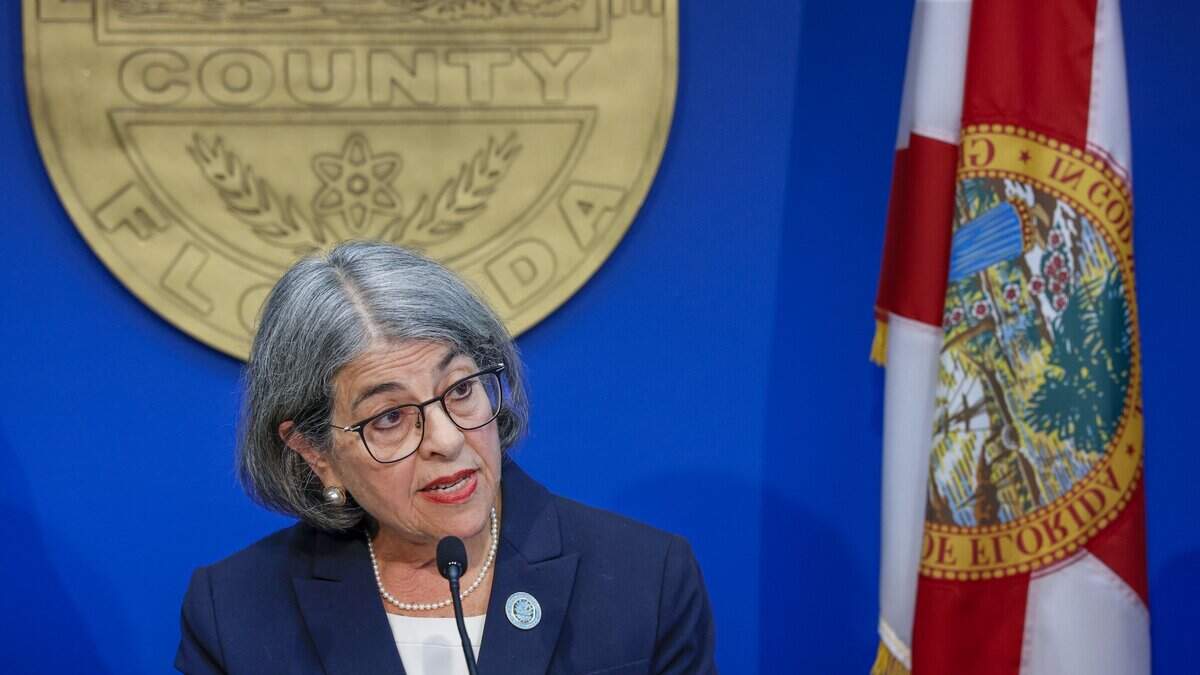
To keep Miami-Dade’s transit system afloat in a tight 2027 budget year, the county mayor wants to cut bus service and drain a $89 million reserve of property taxes set aside for future rail projects.
The transit budget presented Wednesday by Mayor Daniella Levine Cava would use the one-time reserve dollars to delay the steeper cuts needed to sustain Metrorail, Metromover and the bus system in the coming years as the county’s projected costs significantly exceed its expected revenues. Along with rising costs, a change in state law is costing Miami-Dade about $25 million a year in lost sales taxes tied to commercial leases. A half-percent sales tax helps fund the transit system.
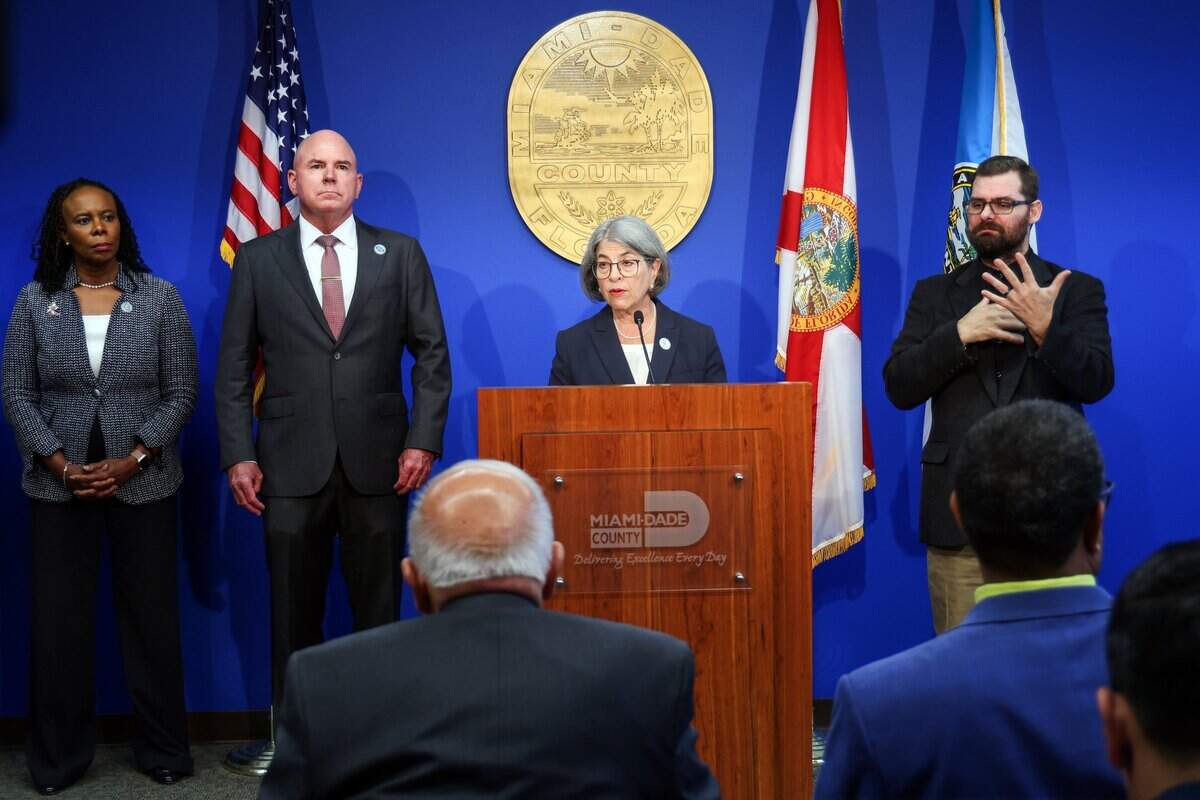
“Public transportation remains one of my highest priorities,” Levine Cava said during a Wednesday press conference unveiling her $14.3 billion budget for 2027. “These are very difficult recommendations. And they’ll be part of the public conversations, I know, over the coming weeks.”
Her comments hinted at the possibility of bus-service cuts being dropped or narrowed by the time county commissioners cast their final votes on Levine Cava’s budget proposal on Sept. 17. Last year, the mayor proposed a 50-cent fare hike and increasing the county’s gas tax to boost the transit budget. Those proposals didn’t make it to the final 2026 budget after pushback from commissioners and transit advocates.
While a financial reckoning looms over this budget cycle from the sweeping property-tax cut Florida voters could approve on the November ballot, Levine Cava avoided many of the cost-saving and revenue-raising proposals that drew heat a year ago when she rolled out her 2026 budget. This one doesn’t propose sweeping cuts in county grants for charities or arts groups — proposals that Levine Cava floated last year, then dropped after fierce resistance from nonprofit leaders.
Her 2027 budget eliminates about 400 vacant positions, but the county’s posted payroll count remains nearly flat at 31,942 jobs. That’s down 50 positions from this year.
Property-tax rates remain flat. The overall budget is up about $1 billion from 2026, an 8% increase. That includes large government operations that rely on fees for their budgets instead of taxes — a list that includes Miami International Airport, PortMiami, Water and Sewer, and Solid Waste Management.
Property and sales tax fund a portion of Miami-Dade’s budget
To fund transit, Miami-Dade relies on both property taxes and the half-percent sales tax dedicated to transportation.
This year, Levine Cava is leaning on transit reserves and targeted service reductions to fund the Department of Transportation and Public Works, home to Metrorail, Metromover and the county’s bus system.
The budget plans to eliminate 12 bus routes out of the 74 in the Miami-Dade system. The routes proposed for elimination are the 16, 25, 42, 57, 70, 132, 203, 204, 272, 279, 288 and 338. Those routes provide about 4,400 rides per weekday — roughly 2% of the 262,000 rides provided by the entire bus system.
The Levine Cava plan also calls for eliminating service before 6 a.m. or after 10 p.m. on dozens of other routes, something that would affect even more bus riders.
Reducing bus service is sure to face opposition on the County Commission. At a county meeting Tuesday, Commissioner Marleine Bastien, who represents one of the poorest districts in Miami-Dade, warned about day-to-day impacts from prior reductions to bus service.
“In my district I get calls from residents all the time who are having a hard time because of the changes in the routes,” she said. “Some of the elderly on fixed income rely on the routes to go and buy groceries. I receive these calls every day.”
Transit would face a big funding gap under the Levine Cava plan if not for her plan to drain a reserve for future projects.
First established in 2018 to start building up money for the county’s SMART Plan to extend rail countywide, the reserve collects property taxes from properties close to Miami-Dade’s mass-transit lines.
Known as the Transportation Infrastructure Improvement District (or “TIID”), the reserve had about $120 million in it at the start of 2026. This year’s budget took about $55 million from the reserve to cover transit’s revenue gaps. The reserve replenishes itself each year with new property taxes, and the Levine Cava administration said it expects to spend all of the $89 million forecast for the TIID at the start of 2027.
Burning through reserve dollars won’t mean much of a change for the financially daunting prospect of expanding Metrorail in Miami-Dade, where a proposed route to Miami Gardens is now estimated at $4 billion. But the Levine Cava plan is the latest sign that Miami-Dade leaders are moving away from efforts to build new transit projects as they scramble to keep existing operations afloat financially.
In Miami-Dade, the transit system faces financial woes
Aside from diminishing Miami-Dade’s transit ambitions, the Levine Cava plan also highlights the dire financial picture facing mass transit in the county. With the TIID reserve drained, Miami-Dade will have to look elsewhere for transit funding in 2028 — and that’s without factoring in the possible impact of the historic tax cut Florida voters have the chance to approve in November.
At a meeting of the commission’s Transportation Committee this week, Commissioner Oliver Gilbert pressed Ray Baker, Levine Cava’s budget director, on the wisdom of turning to reserves to fix a transit-funding problem that’s only going to get worse as fuel costs and employee wages increase.
“We have to come up with a plan,” Gilbert said. “There is a crash coming.”
This story was originally published July 16, 2026 at 5:00 AM.