
Miami was forced by state law to OK 82 new projects. It’s fed up — and may sue
Alarmed by an avalanche of high-density development projects prompted by a developer-friendly state law, Miami commissioners have ordered the city attorney to look into challenging the controversial legislation.
The resolution, approved 4-0 by the commission, comes as Miami officials grapple with the potentially far-reaching impact of 82 projects they say the city has been forced to approve so far under the Live Local Act. The 2023 law was designed to ostensibly encourage development of affordable housing by overriding local zoning controls, allowing developers to supersize projects with no public review.
Critics, including Miami city commissioners, say the workforce housing that Live Local promotes is too expensive to be considered affordable and that its preemption provisions are a boon to developers and threaten low-scale neighborhoods now facing encroachment by skyscrapers.
The commission resolution, approved June 26 with Commissioner Miguel Gabela absent, instructs City Attorney George Wysong to explore legal avenues to blunt Live Local’s impact on the city, including potentially suing the state. The resolution doesn’t provide Wysong a deadline for the analysis.
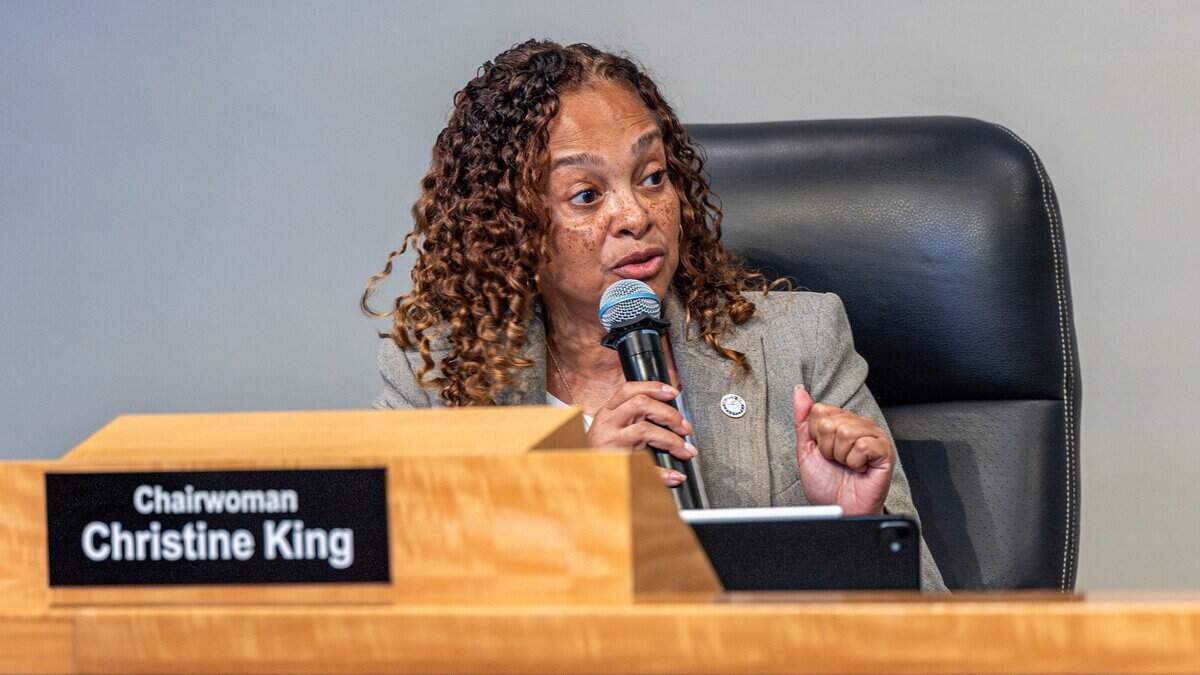
“Live Local is not good for our communities,” Miami Commission Chairwoman Christine King, co-sponsor of the resolution with Commissioner Damian Pardo, said during the meeting. “It is just not good policy. I hope our city attorney aggressively, aggressively advocates for us.”
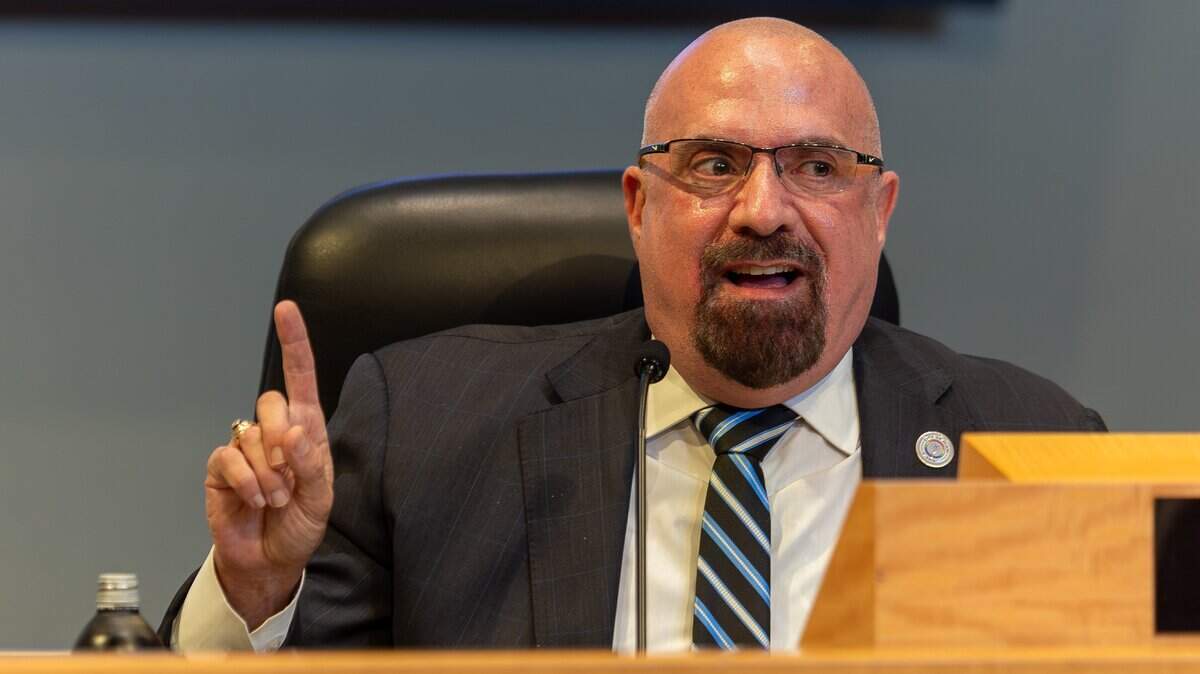
If the commission ultimately decides to go to court, it would join Hillsborough County, which sued the state in March. The county — home to Tampa — argues that Live Local violates Florida’s constitution, improperly usurps its zoning powers and, because it bars public hearings, deprives citizens of their First Amendment right to speak.
Other cities are fighting lawsuits from developers who say their Live Local projects were rejected in violation of the law’s provisions, which require local authorities to grant approval if a proposal satisfies certain conditions.
Miami Beach was sued in December by a developer who claims the city improperly rejected a Live Local project. The city of Hollywood, meanwhile, prevailed in court in March in a lawsuit by a developer on somewhat narrow grounds.
Live Local has forced Miami into a quandary. Developers can choose whether to channel a project through a local government or through Live Local. The city, like neighboring Coral Gables, has sought to loosen its zoning rules around transit lines to stave off Live Local proposals by encouraging developers to go through local review, though it’s not yet clear if that strategy will work.
The city has also been fighting Miami-Dade County rules around transit stations that allow developers to substantially scale up residential and commercial projects.
Meanwhile, Miami Planning Director David Snow told commissioners, the city has been obligated to approve dozens of Live Local projects, though only two are under construction.
Critics say Live Local has encouraged rampant speculation by developers looking to enhance the value of property by locking in Live Local approvals for massive projects that may be financially unfeasible to build.
Snow said Live Local undermines the city’s Miami 21 zoning code, approved in 2009 after five years of revisions and intensive public review. The code, designed to promote growth in high-density hubs like downtown and Brickell while protecting residential neighborhoods, has been widely seen as a key element in Miami’s long-running boom.
The creation of the Miami 21 code was motivated in part by a public outcry over a problem fostered by the previous code — tall towers being built directly next to single-family homes or duplexes. But that’s what Live Local is poised to unleash again, city officials say.
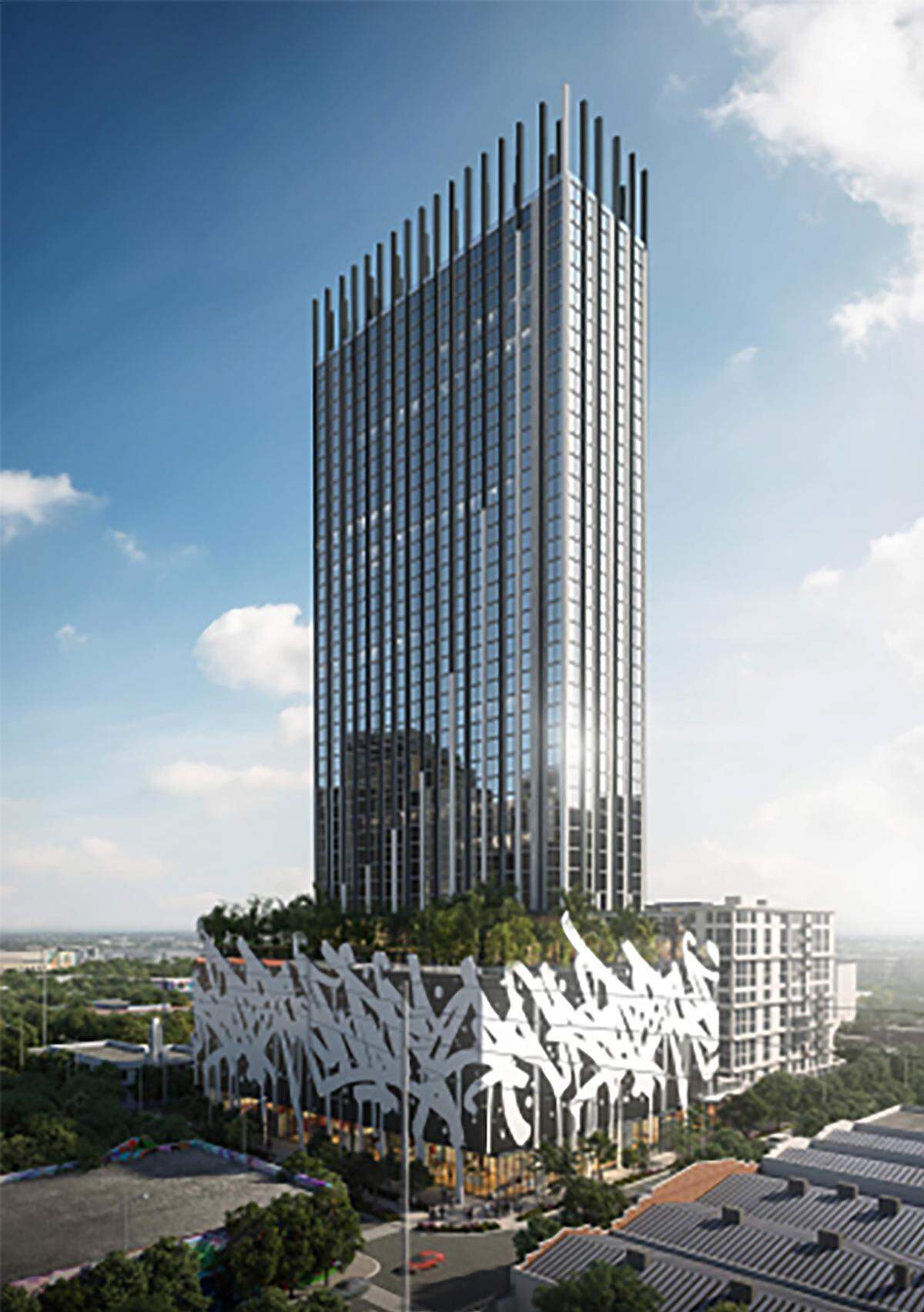
Live Local also disrupts years of successful and careful planning by the city to promote compatible, consistent development in neighborhoods like Wynwood. Snow said four Live Local skyscrapers of over 40 stories are now planned in Wynwood, where a special city zoning plan ordinarily caps building height at 12 stories.
Pardo and King said developers are also using the law to “threaten” local officials with the prospect of a massive Live Local project if they don’t approve zoning breaks for their proposals.
Pardo noted Live Local also effectively undoes carefully calibrated Miami 21 rules for open spaces and building design in large projects, usurping the ability of local elected officials and residents to shape development in their communities.
“When we lose control of that, we’re in a bind,” he said.