
How to help Venezuela: Miami groups begin mobilizing aid after deadly earthquakes
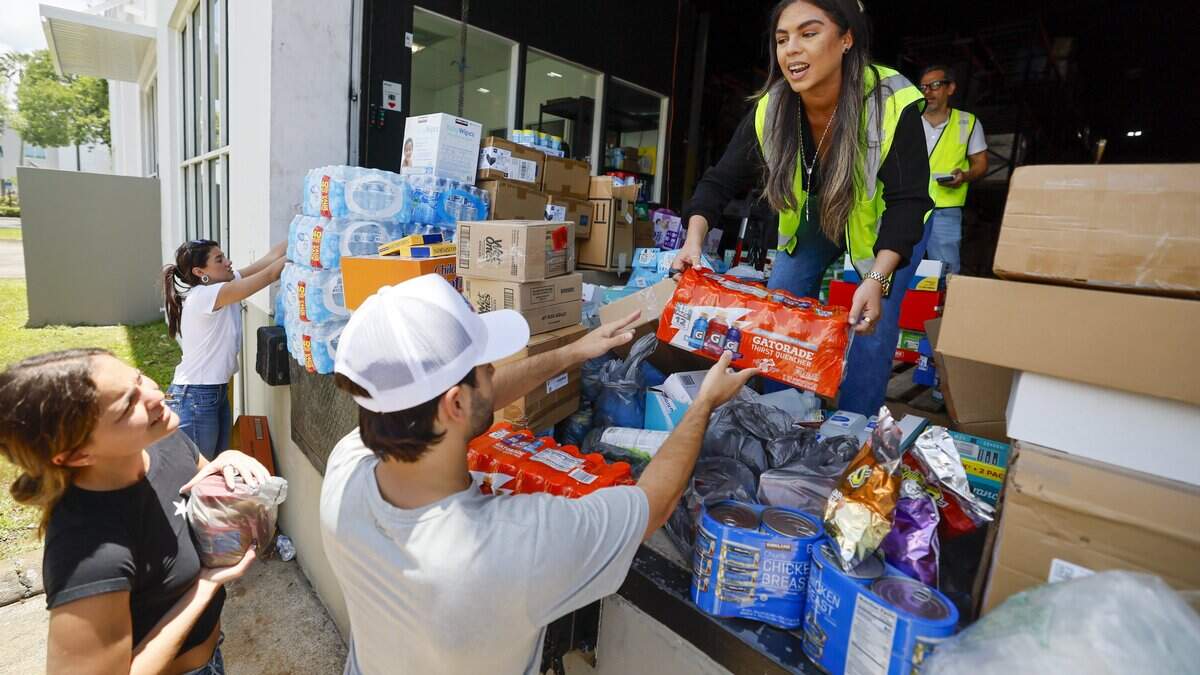
A Miami-area nonprofit is mobilizing to deliver humanitarian aid to Venezuela after two powerful earthquakes devastated the country Wednesday, killing at least 188 people. Officials warn the death toll is expected to rise as search-and-rescue efforts continue.
Global Empowerment Mission, GEM, headquartered in Doral at 1850 NW 84th Ave., is accepting donations and coordinating an emergency response. The organization expects to have response teams on the ground in Venezuela by Friday.
At the group’s headquarters Thursday, staff members were preparing for donations to arrive: canned goods, water, hygiene products, tents, first-aid supplies and other emergency items. But Rosy Levy, a board member for the group, said monetary donations can be moved faster than boxes shipped from Miami.
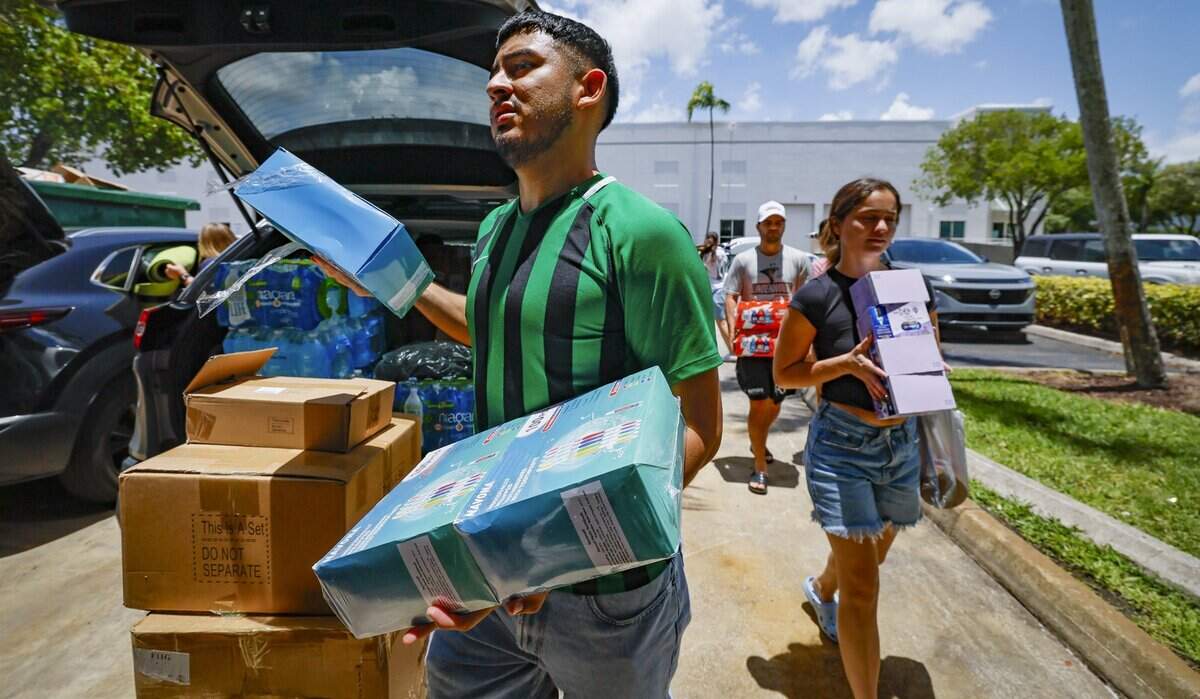
“The idea is to buy the supplies in Venezuela to promote the local economy and make sure the help arrives faster,” Levy said. “By the time things get here, we organize them, put them on a plane and they arrive, three or four days can pass.”
Dulce Suarez, a humanitarian logistics expert and assistant director of Florida International University’s Academy for International Disaster Preparedness, agreed.
“Cash is best,” she said. “Sending money to organizations that already have established networks inside Venezuela is crucial.”
While people can participate in donation drives, Suarez said they should keep in mind that Venezuela’s main airport is shut down and that its ports have been devastated, making it much more difficult to deliver physical donations. Physical donations also face additional logistical hurdles, including sorting, packaging, customs clearance and border inspections.
“Those barriers are still there, even after a disaster, for security reasons, for economic reasons, for different reasons,” Suarez said.
READ MORE: Venezuela double quake death toll climbs, and thousands feared trapped
The Venezuelan Caribbean was rocked by two powerful earthquakes measuring magnitudes 7.2 and 7.5 that struck just 39 seconds apart, according to the U.S. National Tsunami Warning Center. The earthquakes were felt across much of the country, with the hardest-hit areas including Caracas, Miranda, La Guaira, Aragua, Carabobo and Falcón, according to Interim President Delcy Rodríguez.
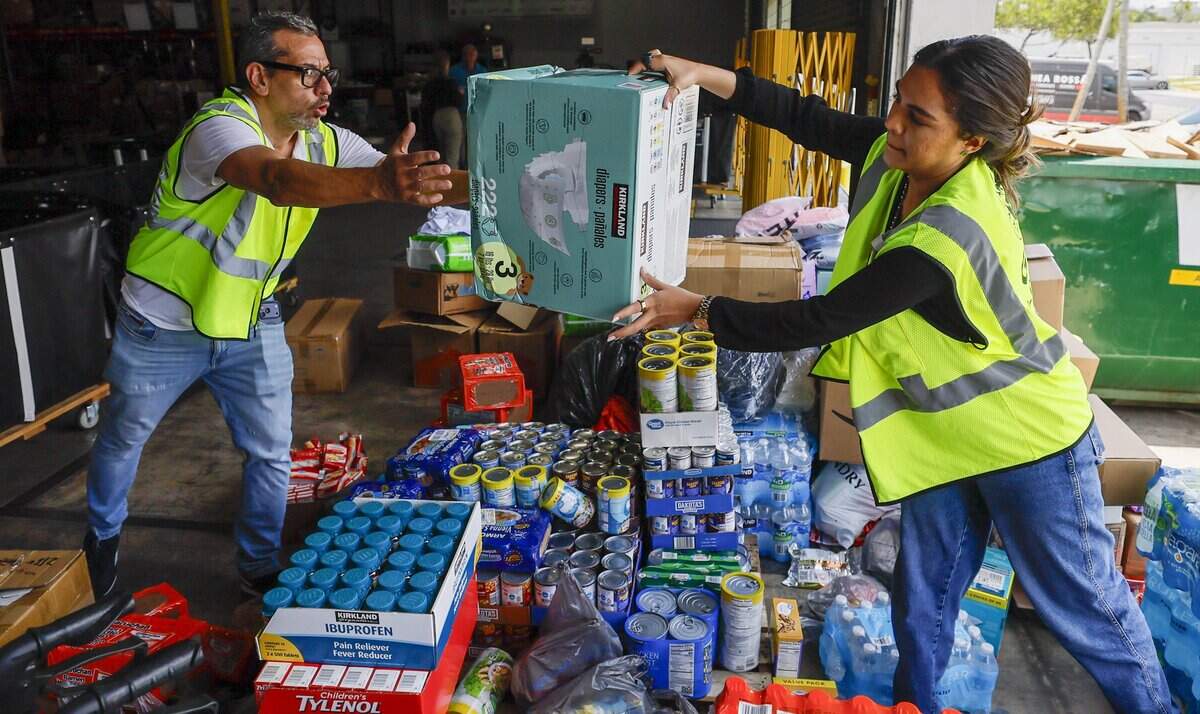
GEM has previously operated in Venezuela, including during the country’s 2019 refugee crisis. Levy said the organization is working with partners there to identify where a distribution center can operate in Caracas.
GEM is once again partnering with the nonprofit I Love Venezuela Foundation. Founder Santi Chumaceiro expects to travel to Venezuela this weekend to assess needs from the ground.
The challenge will be keeping attention on Venezuela after the first images of destruction fade, she said.
“In the beginning, there are many hands helping,” Chumaceiro said. “Then what remains are the people who support when the cameras are gone.”
Venezuela has already been devastated by years of sociopolitical and economic turmoil, making recovery efforts even more challenging for those affected, Suarez said.
Based on conversations she has had with people on the ground, Suarez said the most urgent needs are basic necessities, including food, clothing and shelter for “displaced individuals who lost their homes and completely are living in the streets.”
Organizations with long-established operations in Venezuela, including Save the Children and UNICEF, have already begun mobilizing.
Fatima Andraca, Save the Children’s Venezuela country director, was on the 12th floor of a building in the Los Palos Grandes district of Caracas when the earthquake struck.
“The building where I was, it’s an old structure building, so it felt quite strong, and I managed to evacuate via the stairs,” she said Thursday during a virtual news briefing, noting that the building’s stairwell sustained significant damage.
Despite the destruction, Andraca said she immediately witnessed acts of kindness after reaching the street.
“They all were helping each other,” Andraca said, adding that someone offered her water and a pair of shoes because she was barefoot.
Save the Children’s teams are now working alongside local partners to assess the country’s most urgent humanitarian needs, said Cris Garcia, the organization’s regional director for Latin America and the Caribbean, who is based in Panama.
“Right now our teams are really focusing on assessing, together with partners, the most immediate humanitarian needs, so that we can start responding,” Garcia said. ”We are very focused on the well-being of children … immediate psychosocial support.”
Donations to Save the Children can be made at savethechildren.org.
Other organizations providing earthquake relief to Venezuela
The Venezuela Earthquake Relief Fund has been set up by Global Giving, a nonprofit that “supports other nonprofits by connecting them to donors and companies,” according to its website. Donations made to the fund will “provide local organizations with flexible, rapid funding to deliver emergency medical care, search and rescue support, temporary shelter, food, clean water, hygiene supplies, and other essential services,” the site reads.
The Venezuelan American Chamber of Commerce Foundation, founded in Miami, has launched a fundraising campaign for those affected by the earthquakes. “Our community’s solidarity is vital at times like this. We invite all Venezuelans, friends of Venezuela, and partner organizations to join this effort to help those who need it most right now,” the VACC Foundation said in a statement in Spanish.
El Centro Comunitario AFE, a Doral-based organization that distributes food and clothing to those in need, is accepting donations for Venezuela at 6090 NW 84th Ave. until 3 p.m. daily. It asks for people to bring items such as non-perishable food, bottled water, clothing, hygiene products and medication.
UNICEF teams are on the ground in Venezuela working to deliver support to children and families and are accepting monetary donations.
The Greater Miami Jewish Federation is collecting funds to provide support and relief to victims and their families.
Operation Helping Hands is a program that the Miami Herald, el Nuevo Herald, and United Way Miami activate during local and global disasters, and has been reactivated for Venezuela. 100% of funds raised through OHH will be used to purchase relief supplies and services through nonprofit organizations actively providing assistance on the ground. Fill out their donation form.
World Central Kitchen (WCK) provides food to those affected by natural disasters worldwide. Its founder, Chef José Andrés, is pledging $1 million to Venezuela through his philanthropic initiative, the Longer Tables Fund.
“We are already distributing meals,” the Spanish chef said on his X profile — having previously announced in a tweet that the WCK relief team was en route to Caracas — “to support families affected by two earthquakes that brought down residential buildings across the city. We are collaborating with long-standing partners to provide meals to residents and emergency response teams.”
Doral drop-off locations
Miami-Dade County Supervisor of Elections Office Lobby
Address: 2700 NW 87th Ave., Doral
Drop-off hours: 8 a.m.–5 p.m. weekdays
Doral Legacy Park Community Center
Address: 11400 NW 82nd St., Doral
Drop-off hours: 5 p.m.–9 p.m. weekdays and weekends
El Arepazo
Address: 10191 NW 58th St., Doral
Drop-off hours: Monday-Sunday, 24/7
This story was originally published June 25, 2026 at 8:25 AM.