New report says Surfside collapse was set in motion weeks earlier. What we know now
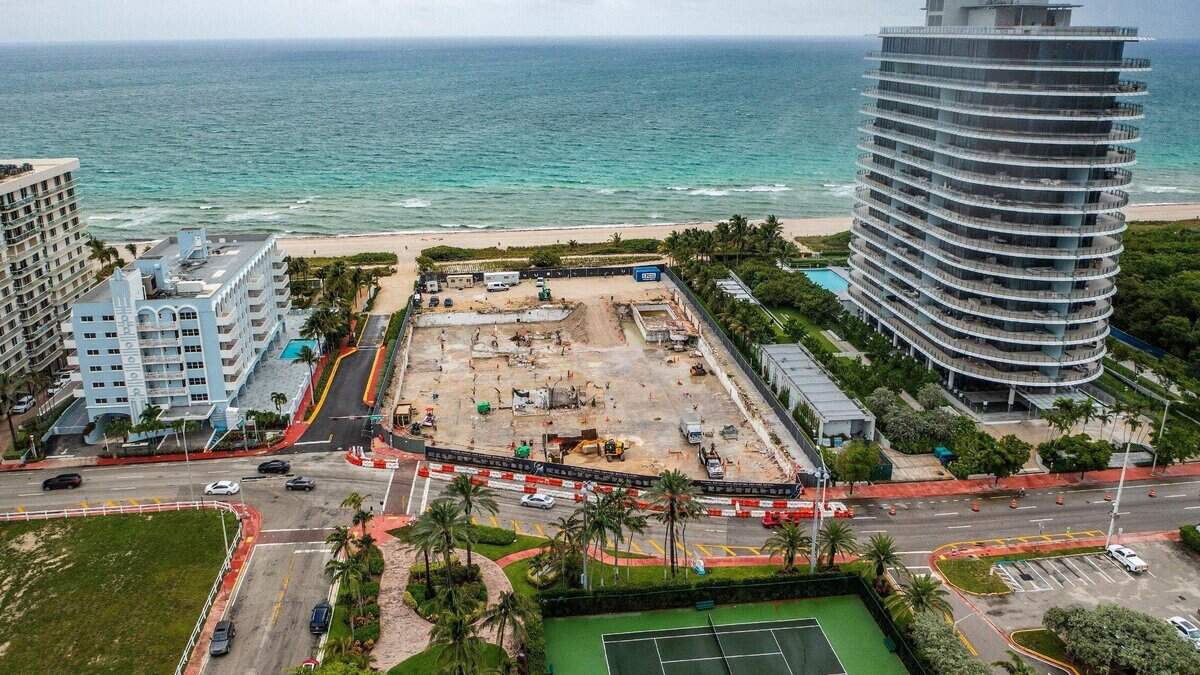
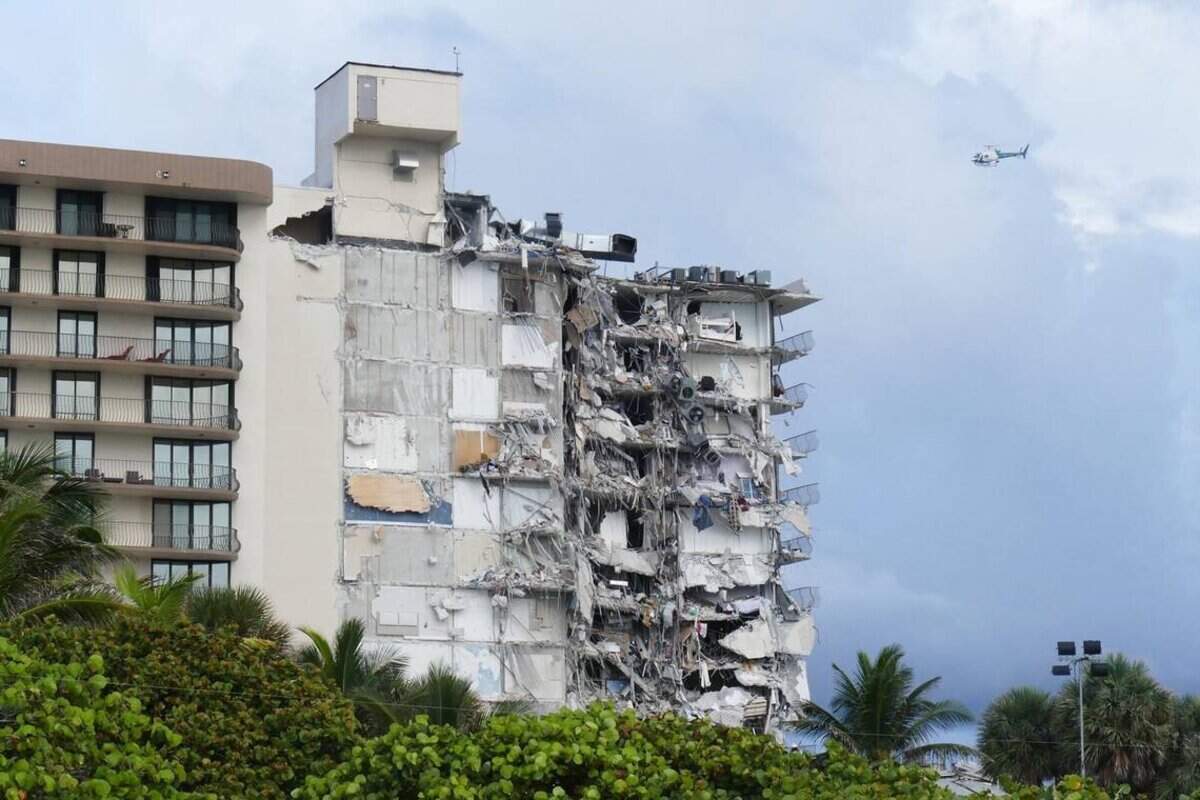
Days before the five-year anniversary of the 2021 building collapse that killed 98 people in Surfside, the federal government has published findings that determined the structure of the Champlain Towers South condominium started failing about three weeks before the catastrophe.
In a report made public on Monday, the National Institute of Standards and Technology concluded the partial collapse of Champlain Towers South was triggered in early June 2021 when two connections between garage columns and the condominium’s pool deck failed.
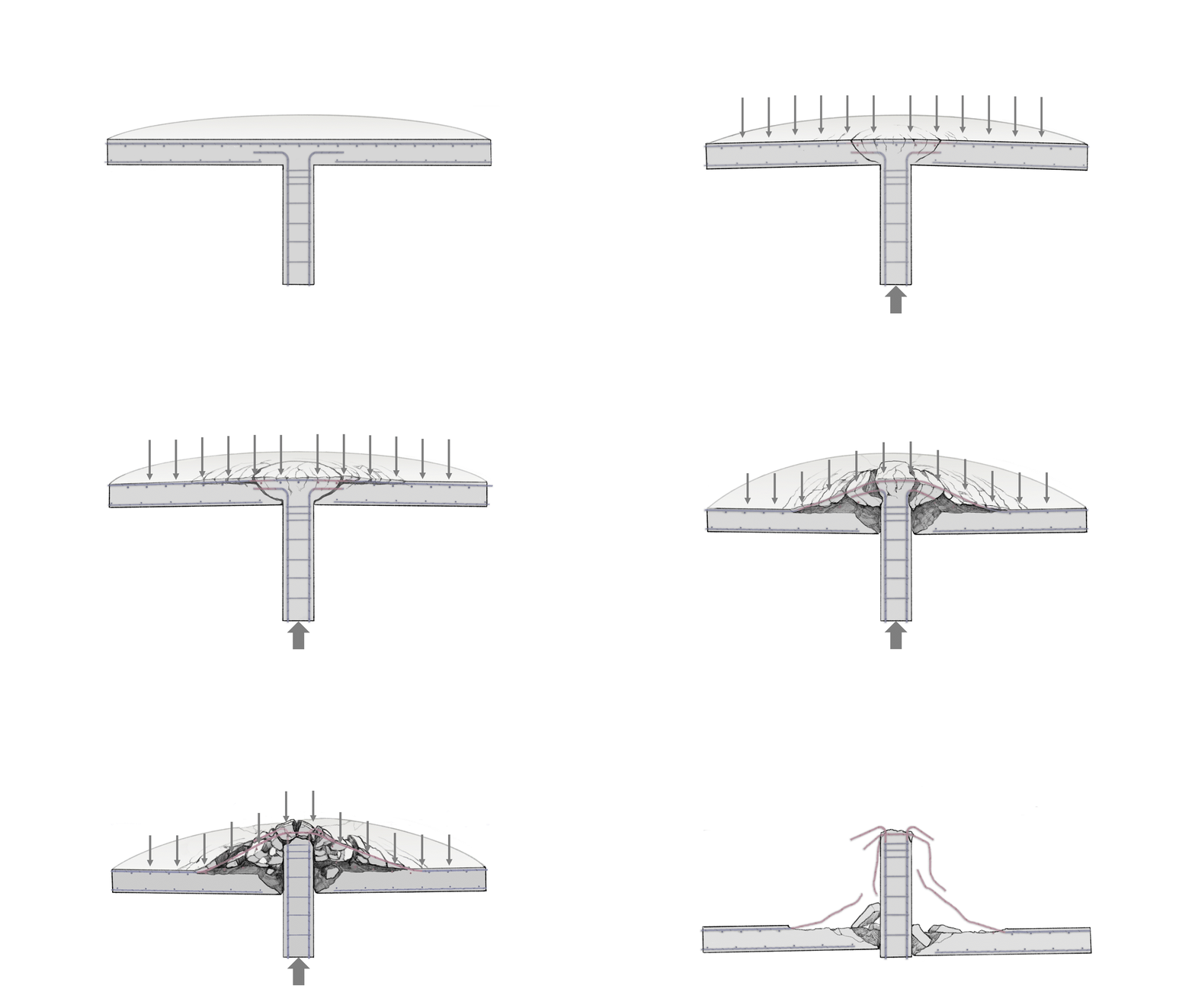
Investigators found that initial structural failure spread to other elements of the pool deck and street-level parking garage and caused cracks to grow over the span of a few weeks, eventually unseating the southern edge of the pool deck slab from its supporting wall, the report said.
As the pool deck’s concrete slab sagged and warped, the weight of the initial columns transferred to nearby columns “that were not strong enough to support them,” the report said. That caused a “progressive collapse.”
“When the pool deck slab broke away, it damaged two connections supporting that part of the tower,” the report said. “The failure then progressed through the Middle part of the tower, followed by the East part.”
Investigators said there was no particular event that prompted the partial collapse of the L-shaped building at 8777 Collins Ave. on June 24, 2021. Instead, they said, a host of design and construction defects, along with other decisions made over the 40-year life of the beachfront building, left it vulnerable.
When the complex was being constructed, there were deviations from the building’s original design, contributing to structural weaknesses, the report said. Later, there were heavy planters added to the pool deck and other additions made to the building. The weight that was added to the structure over its lifetime diminished the building’s margins against failure, the report said.
The building had long-term degradation from corrosion, too.
“When building structures are designed and built to required codes and standards, they have margins against failure, meaning they should be able to support much more load than they are expected to bear,” co-lead investigator Judith Mitrani-Reiser said in the statement. “In the case of Champlain Towers South, however, these margins against failure were too narrow from the start.”
Since days after the collapse, NIST investigators have been collecting evidence from the site, assembling a team of dozens of engineers and other experts, and working to simulate and model the collapse to determine, with as much confidence as possible, what caused it.
The investigation was particularly challenging due to the “fact that the building had stood for 40 years and then collapsed for no immediately apparent reason,” the report said.
NIST’s announcement Monday, which represents the agency’s anticipated conclusions, doesn’t mark the end of the process. NIST still plans to release a draft and final report that will incorporate specific recommendations for building codes and condo associations that could have widespread implications in South Florida and beyond.
“This is not just concrete. This is not just steel. This is not just building codes,” Ken Hover, co-lead of the investigation’s materials science project, said as part of the report. “These are real people, who had every reason to believe that this was going to be a night like any other night, and it wasn’t.”