
Rare, flesh-eating bacteria found in Miami-Dade. How can you protect yourself?
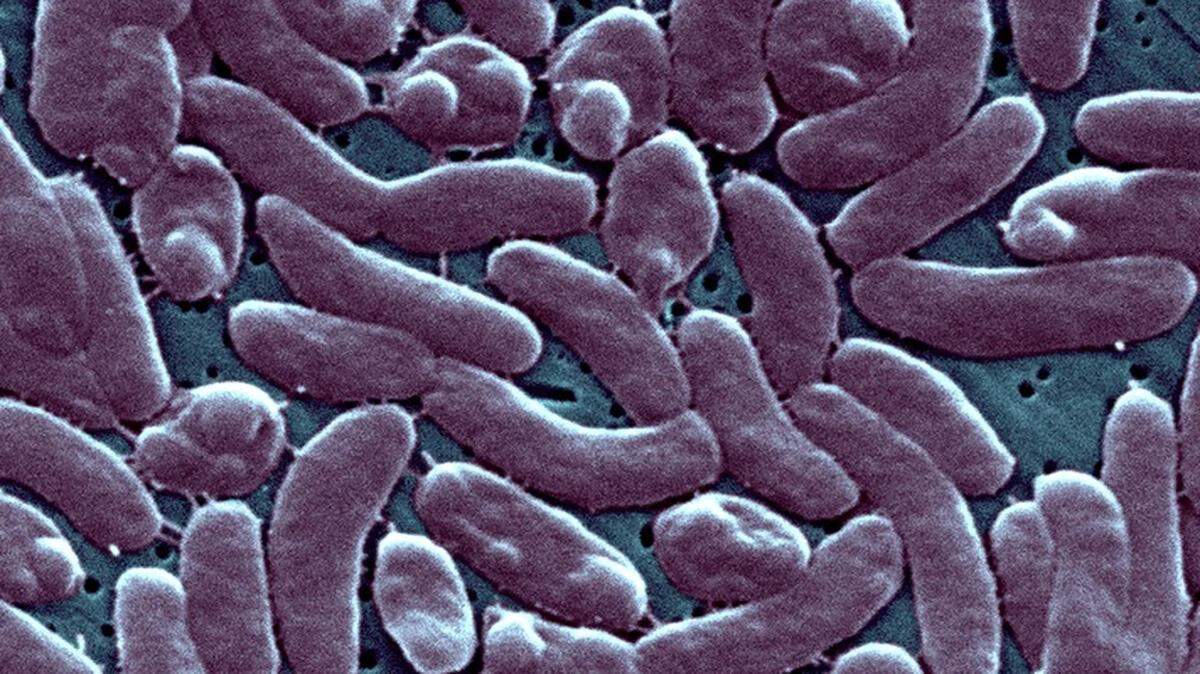
Health officials in Florida have confirmed five cases of a rare, flesh-eating bacteria so far in 2026. One case is in South Florida.
According to data from the Florida Department of Health, Miami-Dade County is among the locations where Vibrio vulnificus has been located in the Sunshine State as of May 23.
Other confirmed cases have been found in Hillsboro, Lee, Palm Beach and St. Johns counties. So far, no deaths have been reported in 2026.
Florida health officials confirmed 33 cases, including five deaths, across the state in 2025.
State health officials said Vibrio vulnificus, which is often called a “flesh-eating bacteria,” is usually found in warm, brackish seawater, with most infected people getting it by eating raw or undercooked shellfish, particularly oysters.
However, since it’s naturally found in warm marine waters, people with open wounds can be exposed to Vibrio vulnificus through direct contact with seawater.
“Healthy individuals typically develop a mild disease; however Vibrio vulnificus infections can be a serious concern for people who have weakened immune systems, particularly those with chronic liver disease,” the Florida Department of Health wrote on its website.
Several things can happen if you contract Vibrio vulnificus, and they can be very dangerous and even deadly. While ingestion of Vibrio vulnificus can lead to vomiting, diarrhea and abdominal pain, it can also lead to skin infections.
The general symptoms of Vibrio vulnificus are: watery diarrhea, stomach cramps, nausea, vomiting, fever and chills
The bloodstream-infection symptoms of Vibrio vulnificus: fever, chills, dangerously low blood pressure and blistering skin lesions
The wound-infection symptoms of Vibrio vulnificus: fever, redness, pain, swelling, warmth, discoloration (turning a color other than normal) and discharge (leaking fluids)
Contracting Vibrio vulnificus can also lead to ulcers, tissue damage and, in severe cases, amputation.
How to reduce your risk from contracting Virbo vulnificus?
- Avoid raw oysters and shellfish; always cook seafood thoroughly
- Prevent cross-contamination between raw and cooked seafood
- Keep open wounds away from warm saltwater or brackish water
- Wear gloves when handling raw shellfish or seafood
- Refrigerate leftovers promptly and safely
How is Virbo vulnificus treated?
- Immediate antibiotic treatment is critical
- Wound care is essential; in severe cases, amputation might be necessary
This report was produced by Miami Herald news partner CBS News Miami.