After San Diego mosque shooting, South Florida Muslim groups encourage unity
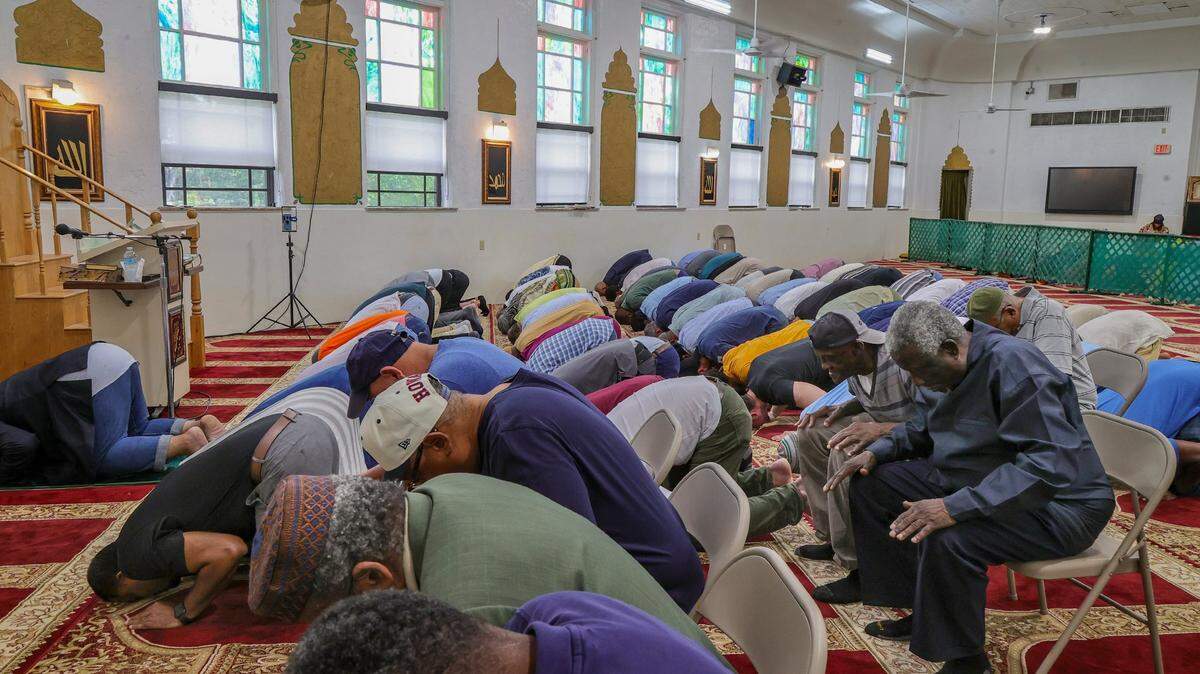
The South Florida Muslim Federation had already been organizing multiple “Open Mosque” days at local Islamic centers throughout South Florida before two teenagers opened fire in a San Diego mosque, killing three people over the weekend.
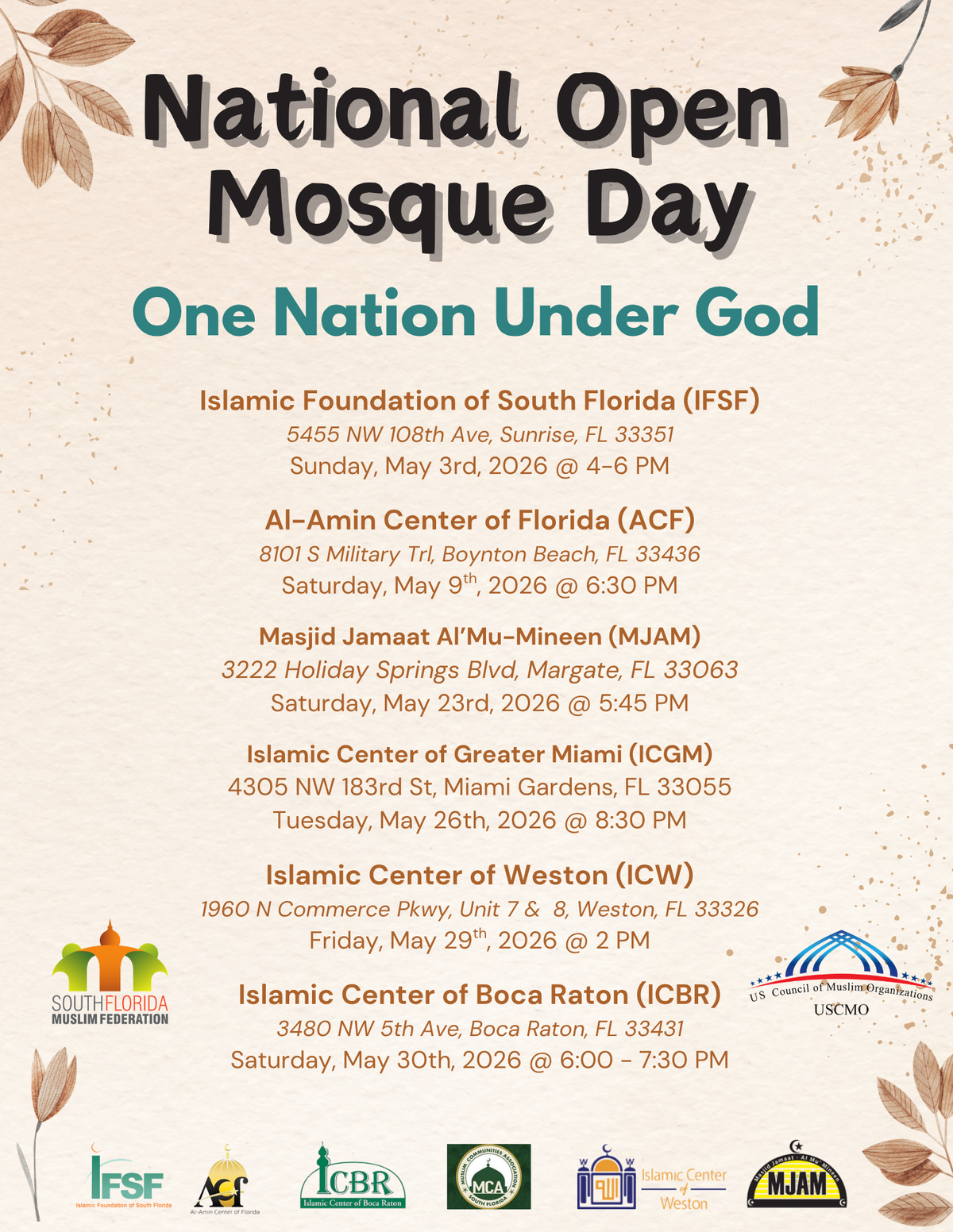
The local events are held in tandem with National Open Mosque Day — a month-long initiative starting May 3 that encourages mosques to open their doors to the public so that non-Muslim neighbors can ask questions and engage in a friendly discourse.
The shootings in San Diego cast a shadow over the event, turning what was intended as a celebration of outreach and interfaith dialogue into a stark reminder of the fears many Muslim Americans continue to face. Community leaders say the attack underscores both the dangers of rising anti-Muslim rhetoric and the urgency to build stronger relationships across faiths — efforts they argue must be supported not only by neighbors and religious groups, but also by elected officials whose words can either inflame division or foster unity.
But local Muslim leaders are determined to keep their doors open.
“We will not allow fear and hatred to divide communities or isolate neighbors from one another,” said Samir Kakli, interim executive director of the South Florida Muslim Federation. “If you don’t know who Muslims are, or what Islam is, this is your perfect opportunity to meet your Muslim neighbors.”
Kakli said that the tragedy in San Diego is “a painful reminder that Islamophobia is a very real phenomenon with dangerous and sometimes deadly consequences.”
On Monday two teenagers opened fire at San Diego’s largest mosque, the Islamic Center of San Diego, killing three men and then killing themselves a few blocks from the shooting. Among the dead are a security guard who police believe “played a pivotal role” in saving the lives of many others inside the mosque, according to San Diego Police Chief Scott Wahl.
Monday’s incident is being investigated as a hate crime, as authorities found writings authored by the teenagers that include white supremacist views and hateful rhetoric towards a number of minority groups, according to the Associated Press.
The timing of the event has not been lost on the Muslim community. The shooting took place on the first day of Dhul Hijjah, the beginning of one of the most sacred months in Islam where some Muslims are preparing for the pilgrimage of Hajj, the sacred journey to Mecca. The 10-day period ends with Eid al-Adha, or the Festival of Sacrifice.
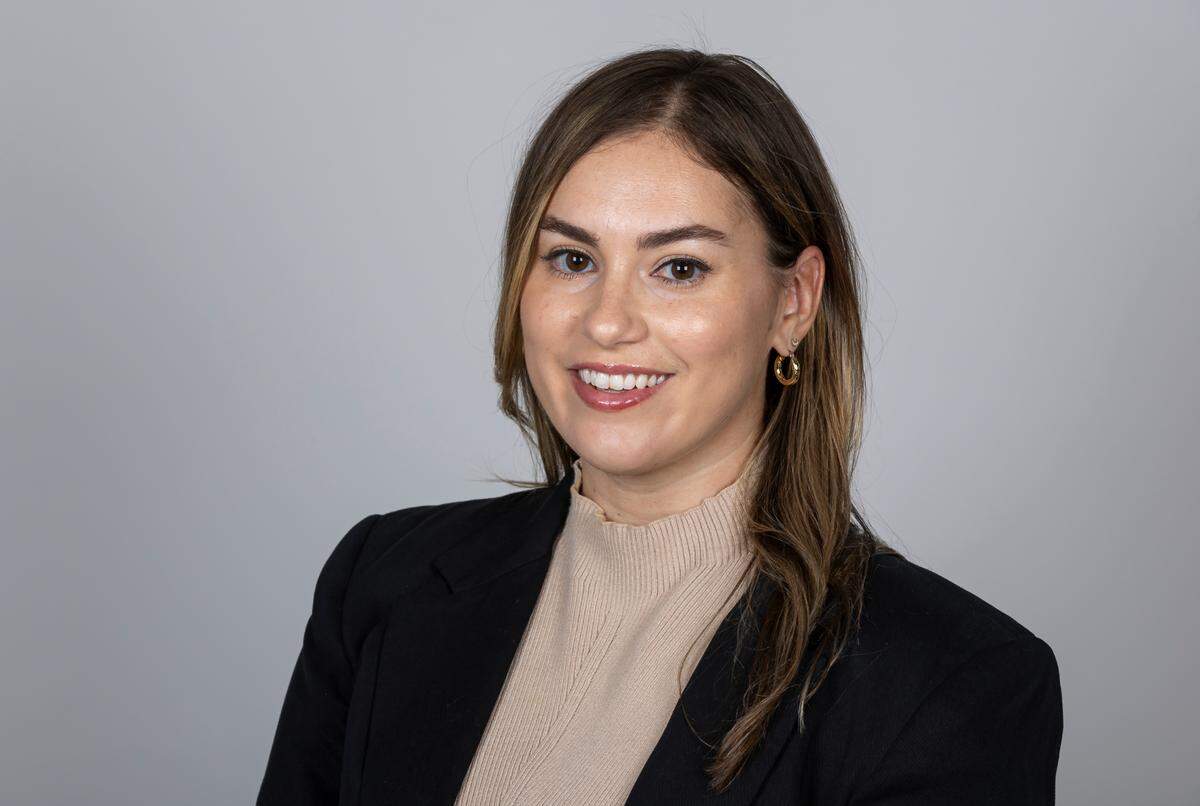
“These are the most religious days. People do frequent the mosque a lot,” said Tehsin Siddiqui, president of the Coalition of South Florida Muslim Organizations.
Siddiqui said she is thinking of the “fear that might go through people as they go to a mosque and they might be targeted, that’s the real reality.”
Holding elected officials accountable
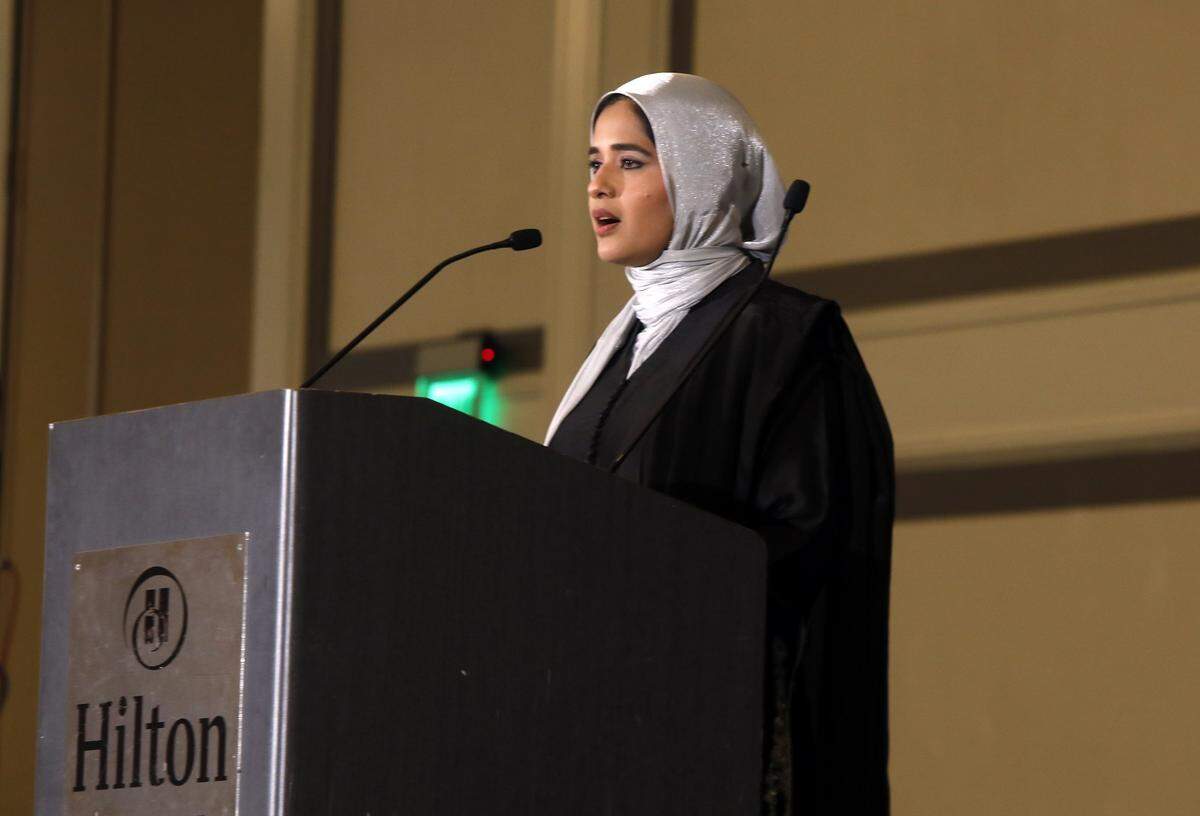
In the wake of the tragedy, local and national Muslim groups are reminding elected officials of their responsibility to combat all types of hate.
Hours after the shooting, the Council on American-Islamic Relations (CAIR), the nation’s largest Muslim civil rights and advocacy organization, demanded elected officials put an end to anti-Muslim rhetoric which the group says is “completely out of control.”
“Numerous politicians have spent the past year claiming that all ‘mainstream Muslims’ should be destroyed, that American mosques and elementary schools should be shut down, and that American Muslims should be expelled from our nation,” CAIR said in a statement.
The group has been under attack from Gov. Ron DeSantis. Last year, he designated CAIR a terrorist organization, a move that was blocked by a federal judge earlier this year. CAIR has denied any ties to Hamas or other terrorist groups and has not been declared a terrorist organization by the federal government.
READ MORE: Judge blocks DeSantis from designating Muslim group a ‘terrorist organization’
Adam Abutaa, the Organizing Manager for the Muslim civic engagement nonprofit Emgage Florida, pointed to a handful of Florida elected officials who engaged in Islamophobic comments or actions, including Representative Randy Fine, who said earlier this year in a social media post that he’d choose dogs over Muslims.
Abutaa said some officials have also made sweeping generalizations about the Muslim community that can give legitimacy to the idea that the entire faith should be viewed negatively.
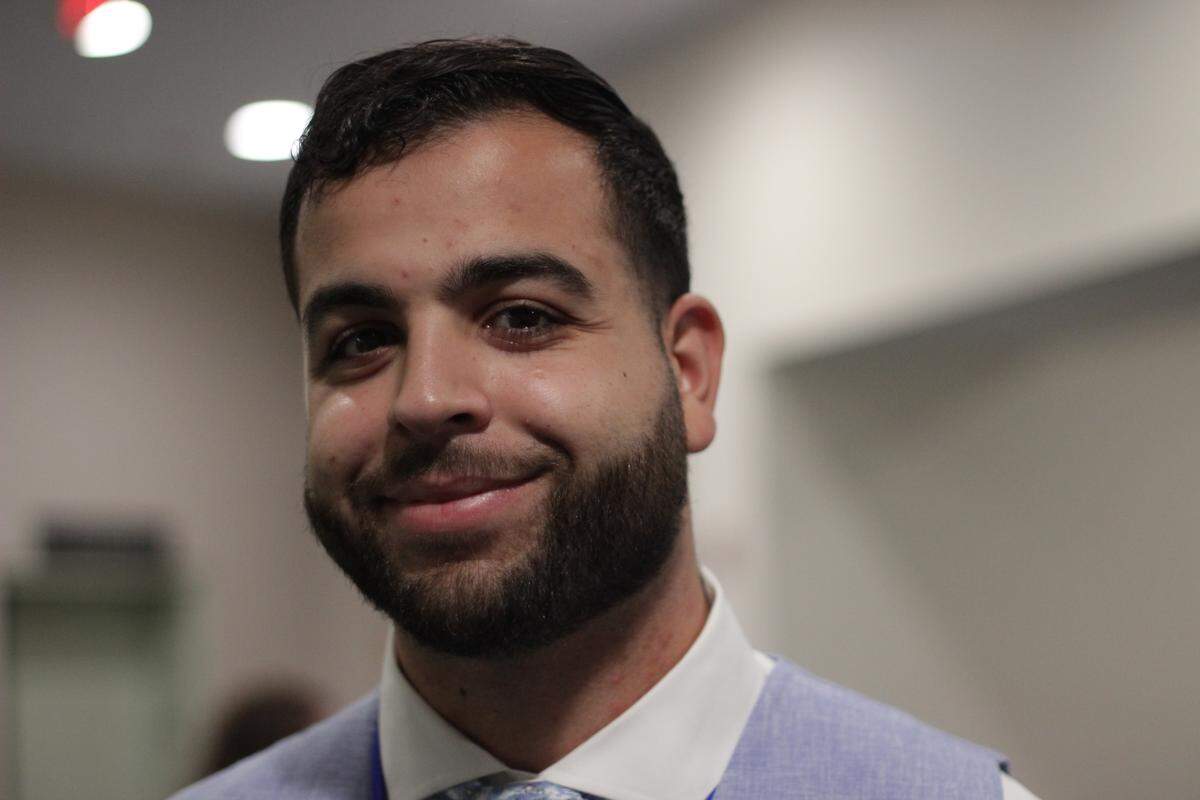
“Words matter and words manifest, and that’s exactly what happened and will continue to happen if officials choose to promote hate,” Abutaa said.
They ‘just want to be safe’
Other local faith leaders have said that the community needs to focus on cultivating strong interfaith connections in order to fight back against all forms of hate.
After hearing about the shooting, Minister Kurt Schmidt of Zion Lutheran Church in Deerfield Beach said he encouraged his congregants to attend an Open Mosque Day event nearby.
“This is an opportunity to promote dialogue with our neighbors and to learn more about things that might seem scary to us but really aren’t that scary,” Schmidt told the Miami Herald. “Just like our Christian neighbors, these are people that are living in the neighborhood with us that just want to be safe ... and have the same freedoms that we all have.”
Iqbal Akhtar, a religious studies professor at Florida International University, said in his latest newsletter, that he was “heartened by the numerous messages from Christian and Jewish colleagues — such as Mosaic Miami, Temple Beth Am, and the AJC in support of the Muslim community.”
On the issue of safety, Akhtar pointed out that religious groups are working towards measures to keep all houses of worship safe from threats. On the same day of the shooting, hundreds of leaders from Jewish Federations across the country lobbied Congress for one billion dollars in federal security funding for houses of worship — which includes mosques.
For Siddiqui, the shooting couldn’t have come at a more shocking time.
Siddiqui found out about the shooting one day after attending a community dinner hosted by interfaith group Mosaic Miami, where she was honored with an award highlighting leaders who are pivotal in building a more inclusive Miami. Coming off that dinner on “a high note” she said, hearing the news of the shooting was extremely disheartening.
“We were together — Muslims, Christians, Jews together in that room with other faith ethnicities — and celebrating the diversity,” she said. “It was echoed over and over again that we’ve got to be standing up for each other.”
This story was produced with financial support from Trish and Dan Bell and donors in South Florida’s Jewish and Muslim communities, including Khalid and Diana Mirza and the Mohsin and Fauzia Jaffer Foundation, in partnership with Journalism Funding Partners. The Miami Herald maintains full editorial control of this work.
This story was originally published May 21, 2026 at 4:30 AM.