
HistoryMiami rebrands as Museum of Miami, a ‘museum without walls’
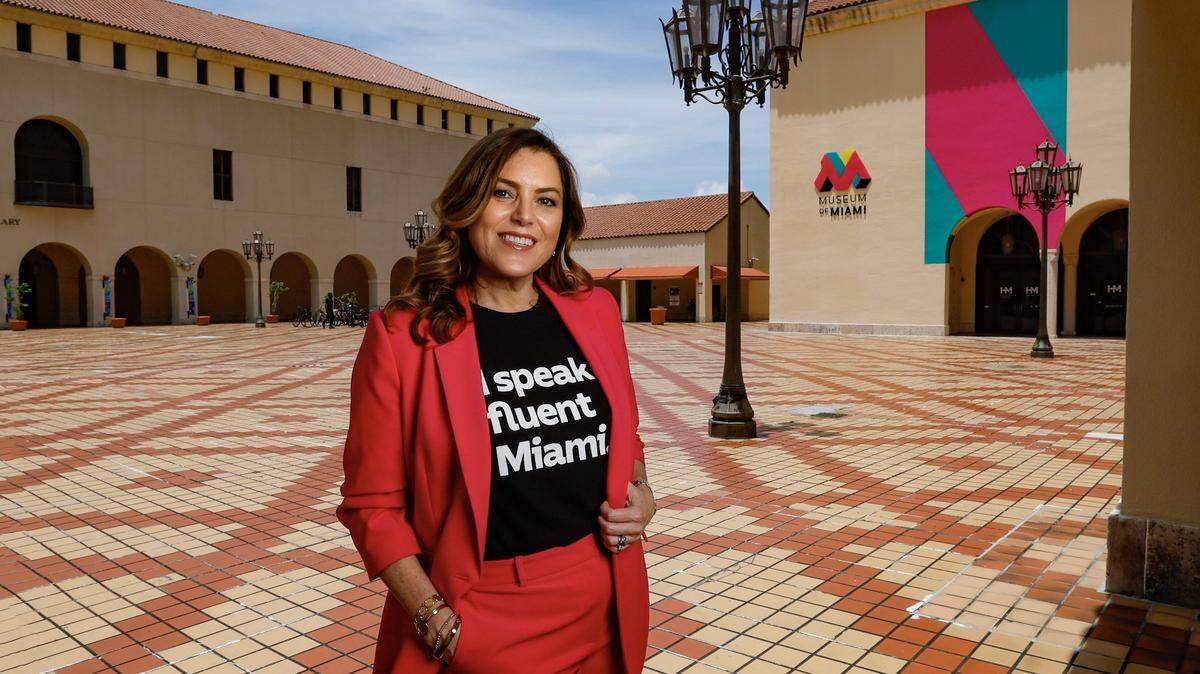
Ana of Coral Gables recalled when a reporter wrote about her father, a Cuban political prisoner. The next day, her restaurant was full of former political prisoners.
Adrian of Coconut Grove has a trilingual mother and a monolingual father. He translates for his dad at family gatherings.
Catherine of Liberty City told her son they live in Miami. “I like your-ami,” he said. “No baby... it’s ours,” she replied.
These are the real names, faces and stories launching the rebranding campaign for the Museum of Miami, the downtown museum formerly known as HistoryMiami. The 86-year-old museum announced Thursday its name change and its shift from a traditional brick-and-mortar museum model to what it calls a “museum without walls.”
That means if you can’t come to the museum, the museum will come to you, said CEO Natalia Crujeiras.
“We’re rebranding because our work has outgrown the name. History is one of the many tools that we use to tell the full story about Miami,” Crujeiras said. “We really are thinking about the Museum of Miami as a place where Miami can go to understand itself. We’re thinking, ‘How can a city museum better serve its community?’”
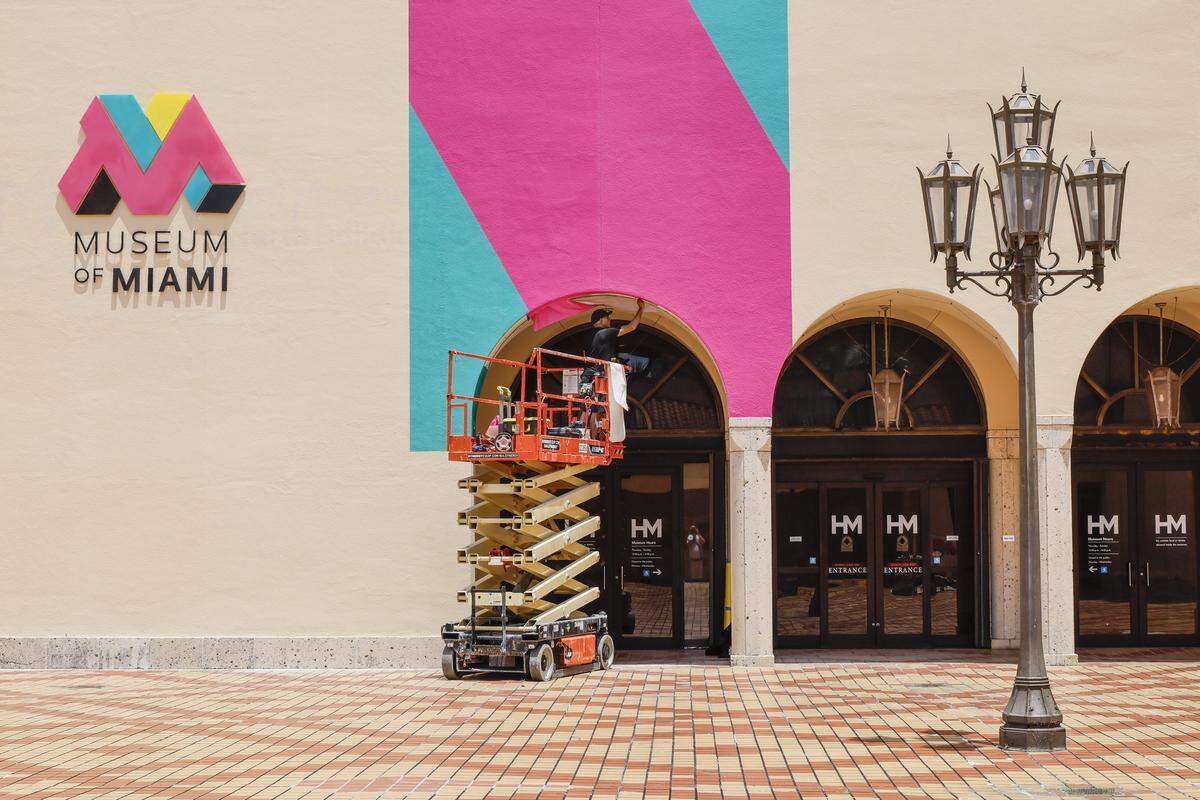
The new name comes with new signage, new programming and a new tagline: “Love the Story.” The museum will continue to collect, archive and preserve Miami historical artifacts and stories while focusing on accessibility and community partnership, Crujeiras said.
Three years of research, surveys, meetings and in-person interviews with residents countywide has culminated in a new chapter that Crujeiras says makes the museum more relevant in the lives of everyday Miamians than ever. The rebrand’s launch also coincides with the museum’s upcoming exhibition of artifacts from the National Archives to celebrate the 250th anniversary of American independence.
“We want to be relevant,” she said. “We want Miamians to feel proud of the Museum of Miami because it tells the ongoing, evolving story of this extraordinary place.”
Listening to the community
Perhaps the most invaluable research the museum did was its “listening tour” across Miami-Dade County.
Staff talked to residents on the street from Overtown to Kendall to Homestead to Coral Gables to Liberty City to Miami Beach to Little Haiti about how they felt about both the museum and Miami. Some people hadn’t heard of the museum before. Others lived too far away to visit. One common adage was, “I’d totally bring my kid if it was in my neighborhood.”
Others were familiar with the museum and knew it focuses on a lot more than just history: art, culture and storytelling. The old name didn’t fit anymore, residents said.
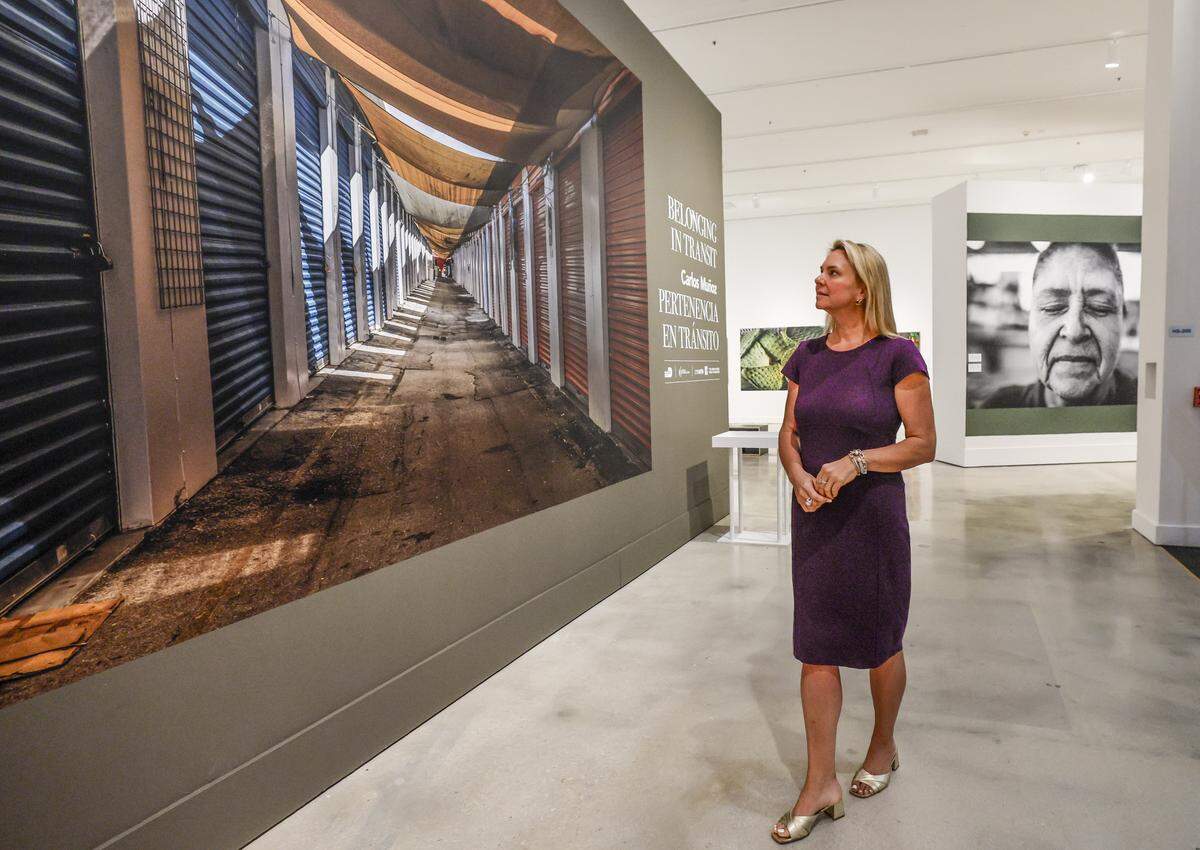
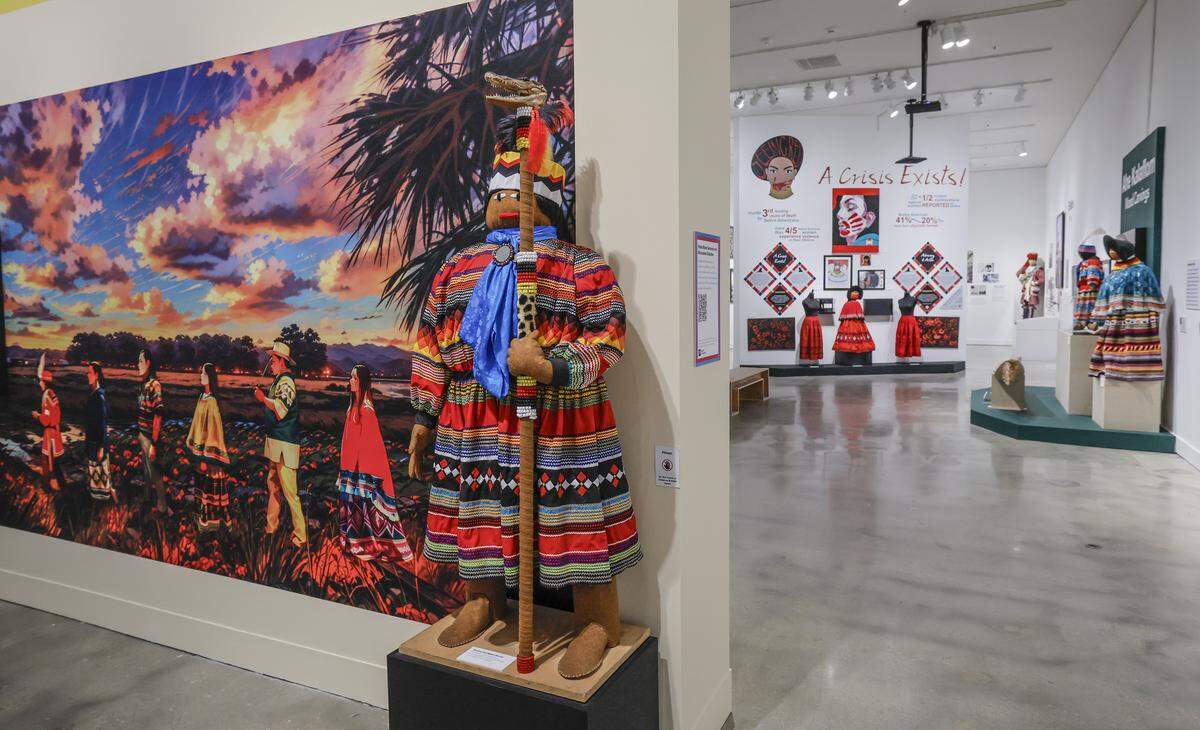
Founded as the Historical Association of Southern Florida in 1940, the Smithsonian-affiliated organization was renamed HistoryMiami Museum in 2010. The museum started out collecting and preserving historical artifacts, which has grown to a 40,000-piece collection. The museum broadened its focus in 1986 by launching its Folklife division, which documents the region’s traditional arts and culture. Recent exhibitions at the museum include a show on bold nail art, a group show featuring Seminole artists and a photography exhibition by Carlos Muñoz on migrant communities.
“It’s nice to know that the community has the same feeling that we do, and we know that we’re in the right direction,” said Michele Reese Granger, the museum senior director of marketing. “All of our research really informed this decision.”
Bringing the museum to you
What stood out to Crujeiras was “a real appetite for connection and for pride in place” among both lifelong Miamians and recent transplants.
“We heard that a lot of people like Miami, love Miami, but they don’t really feel connected to it. They want to feel rooted, but they don’t know how,” Crujeiras said. “People are, not only in Miami but across the country, feeling more lonely. They’re feeling more disconnected. They’re feeling that their communities are becoming more fragmented or polarized. You need to have institutions and vehicles to bring people together.”
That is where the Museum of Miami steps in. About nine in every 10 Americans trust museums more than the media, the government and scientific research, according to 2021 research from the American Alliance of Museums.
“When you see your story connected to the larger story of the place you call home, something very powerful happens,” she said. “You get more engaged. You get more active. You care more, and you will take care of the city and make it more resilient for the future.”
The Museum of Miami’s new “museum without walls” approach aims to disperse its exhibitions and programmings countywide, Crujeiras said. That can look like “co-curating” a hyperlocal exhibition at a community center with residents or digitizing more of the museum’s collection or installing digital kiosks in Miami neighborhoods for people to share their stories.
This fall, the museum will launch Cafecito Stories, a “ventanita on wheels” that will travel around Miami to encourage conversations. In January, the museum will host its CultureFest event at Tropical Park instead of its usual location at the museum building.
The future of America and Miami
The Museum of Miami also finds itself on the national stage this summer. Miami is just one of eight cities to host original documents and artifacts from the founding of the United States to celebrate the country’ 250th anniversary.
.png "founding documents rendering (1).png")
The traveling exhibition “Freedom Plane National Tour: Documents That Forged a Nation,” featuring historical documents on loan from the National Archives in Washington D.C., will be on display at the Museum of Miami from June 20 to July 5. Visitors can view artifacts like the Treaty of Paris, a draft printing of the Constitution and Oaths of Allegiance signed by George Washington, Alexander Hamilton and Aaron Burr at the museum for free.
“And we got them for the Fourth of July! That is no small thing,” Crujeiras said. “The fact that the National Archives entrusted the Museum of Miami to house these documents and to make them accessible to our community for free is something I’m very excited about and very proud of. It speaks to the vigor and scholarship of this institution.”
The exhibition is also an opportunity for the museum to invite Miamians to think about the country’s past and future, Crujeiras said.
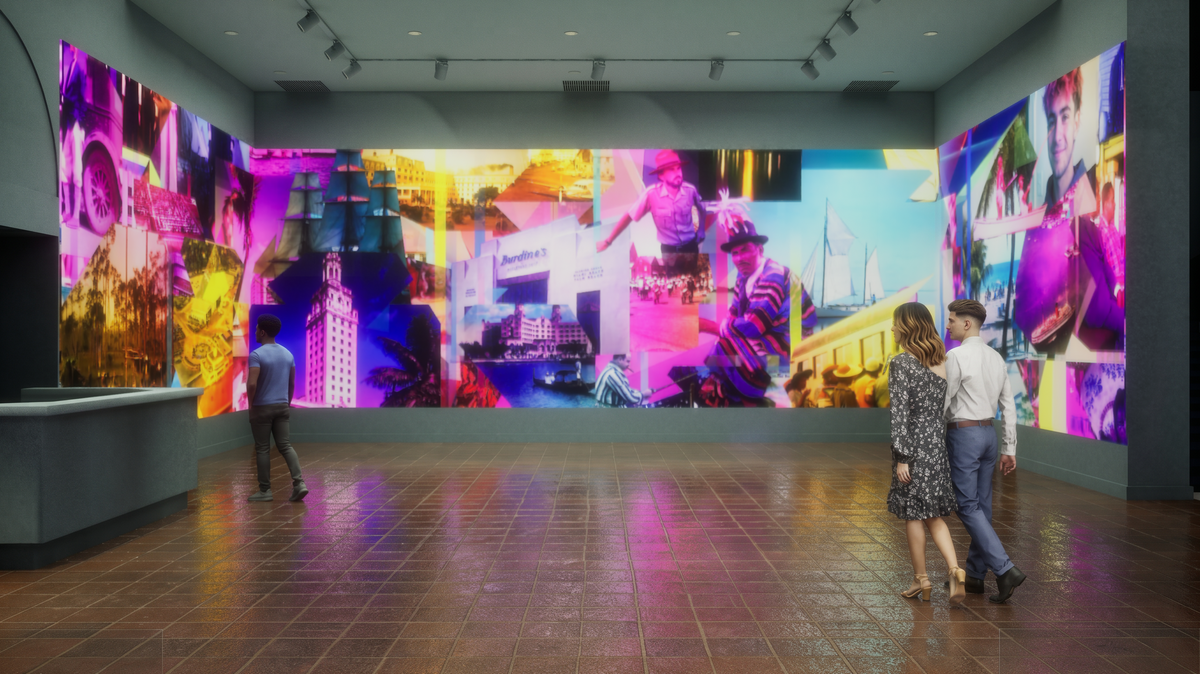
Also launching soon to correspond with the 250th anniversary is the museum’s “Wishes For America,” an interactive mural displayed in the museum’s foyer. Visitors -- or even people at home -- will be able to digitally submit their hopes for the country, which will then appear onto the wall in the real time.
Miami (and the U.S.) is not perfect, Crujeiras said. Its history is loud, complicated, messy and unfinished. History should be used by the Miamians of today to shape the future, she said.
“Miami is a place that is very young and is still writing its own history. You can be an active participant in that,” Crujeiras said. “What are the next 250 years going to be? What should it be? How should Miami be an example to the rest of the nation?”
If you go:
What: Museum of Miami
Where: 101 W Flagler St, Miami, FL
Info: Open Thursday to Sunday, noon- 5 p.m. Closed Monday to Wednesday. www.museumofmiami.org