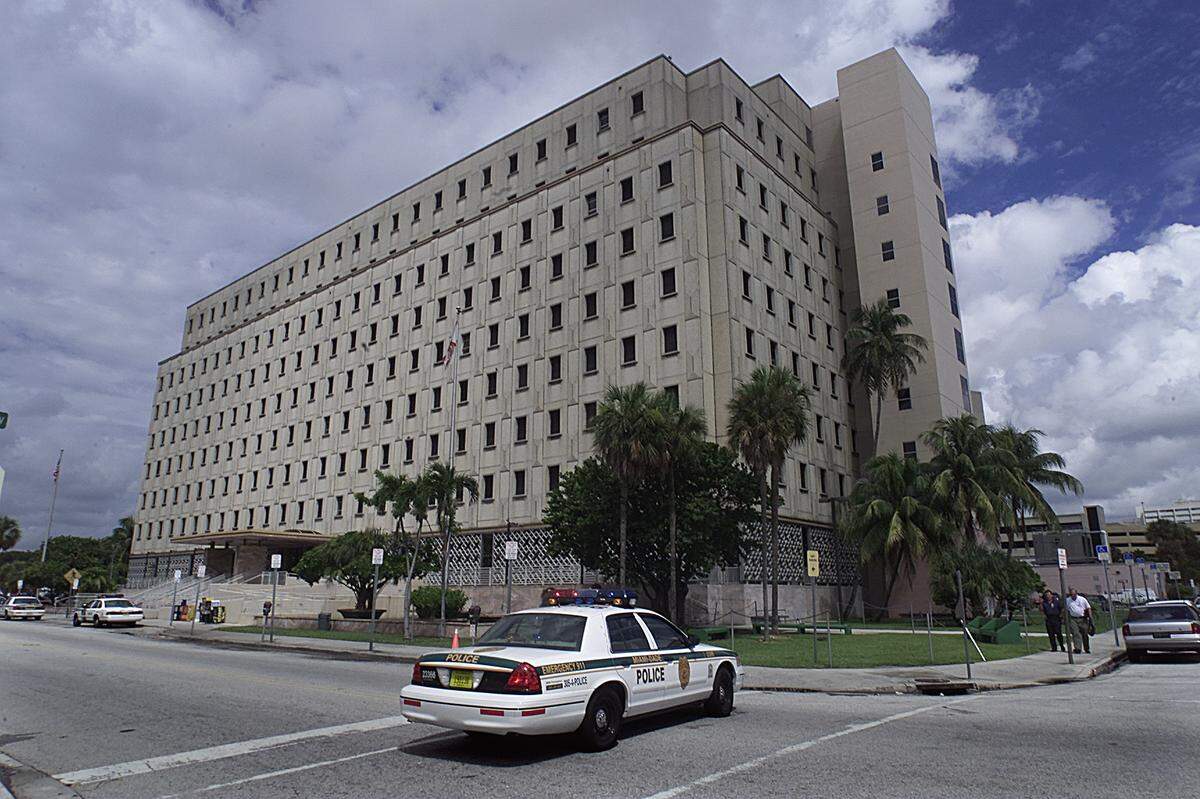
Golfers once teed off on the site of a Miami jail. Here’s the backstory
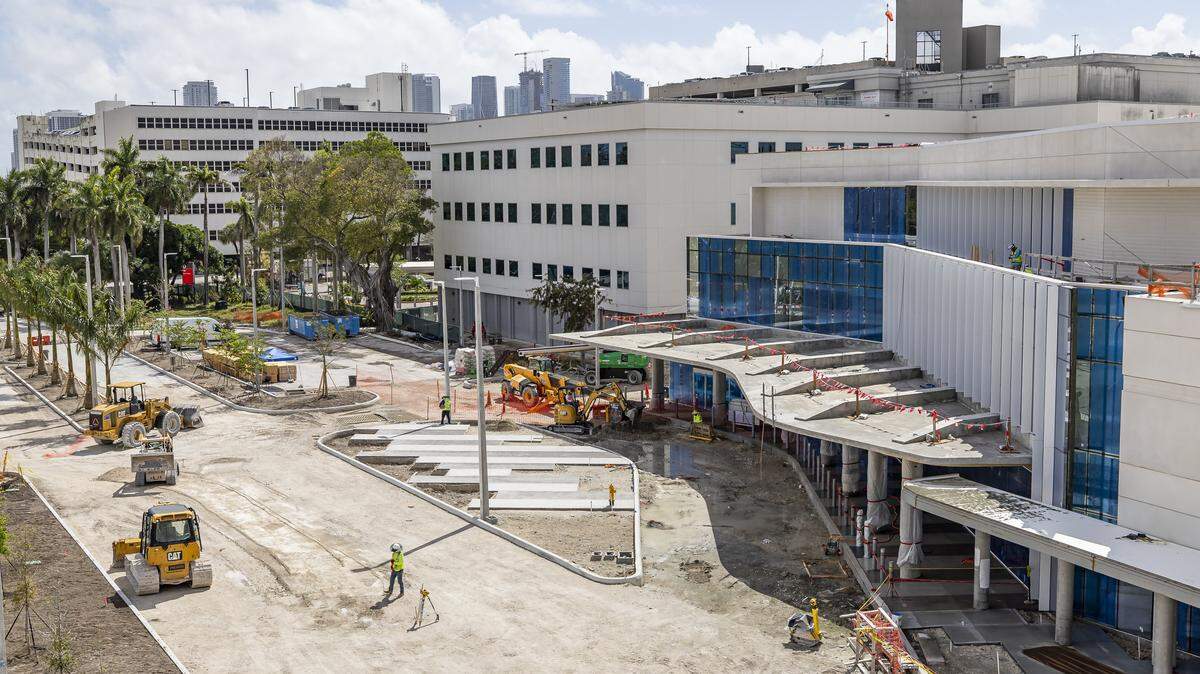
If you drive to Northwest 12th Avenue and 13th Street and take a look around, you’ll find yourself surrounded by buildings.
Jackson Memorial Hospital, UMHealth, and a Miami-Dade courthouse and jail crowd the area. Judging by the concrete canyon, it’s difficult to imagine that 75 years ago, golfers were teeing off from the same spot where cells and courtrooms sit today.
When Henry M. Flagler built the Royal Palm Hotel in downtown Miami, he added a six-hole golf course as an added attraction for vacationers. The course was built around the hotel, and soon the number of broken windows and injured guests had become too costly.
Flagler decided to move the golf course elsewhere, and in 1898, a nine-hole course known as the Royal Palm Country Club opened for play on a 130-acre tract of land once used by Spanish-American war soldiers as a parade ground. Initially, the course was accessible only by boat or by a long buggy ride; as Miami grew, access to the course became easier.
The course was owned by the Florida East Coast Hotel Company, which planned to build a string of hotels, parks, golf courses and recreation areas from St. Augustine to Key West.
In 1918, the company pumped more money into the course, renamed it the Miami Country Club, and added a second set of nine holes as well as a clubhouse. The club quickly became known for its series of amateur tournaments for both men and women and garnered national attention.
Ten years later, the Royal Palm Hotel closed down. The club had grown so popular by this time, however, that instead of closing as well it was organized as a Florida nonprofit organization by 300 prominent Miami businessmen.
The group leased the golf course and clubhouse from the Hotel Company on April 18, 1928, for year-round operation. By March 1945, the property was completely paid off at a total price of $175,000.
The county soon developed an interest in the land occupied by the golf course. Over the next five years, Miami Country Club members battled repeated attempt by city commissioners to buy out the club and develop the valuable land it occupied. In 1950, club members relented and sold 8.1 acres of the course to the county for an enlargement of Jackson Memorial Hospital. Finally, in 1953, the entire property was sold to the county for about $1 million.
Today there’s no sign of the golf course that once drew thousands of golf fans to the area on a yearly basis. Steel, concrete, traffic jams, and expressways occupy the greens where some of Miami’s earliest golfers played.