Developers discuss housing, transit, culture in two changing Miami neighborhoods
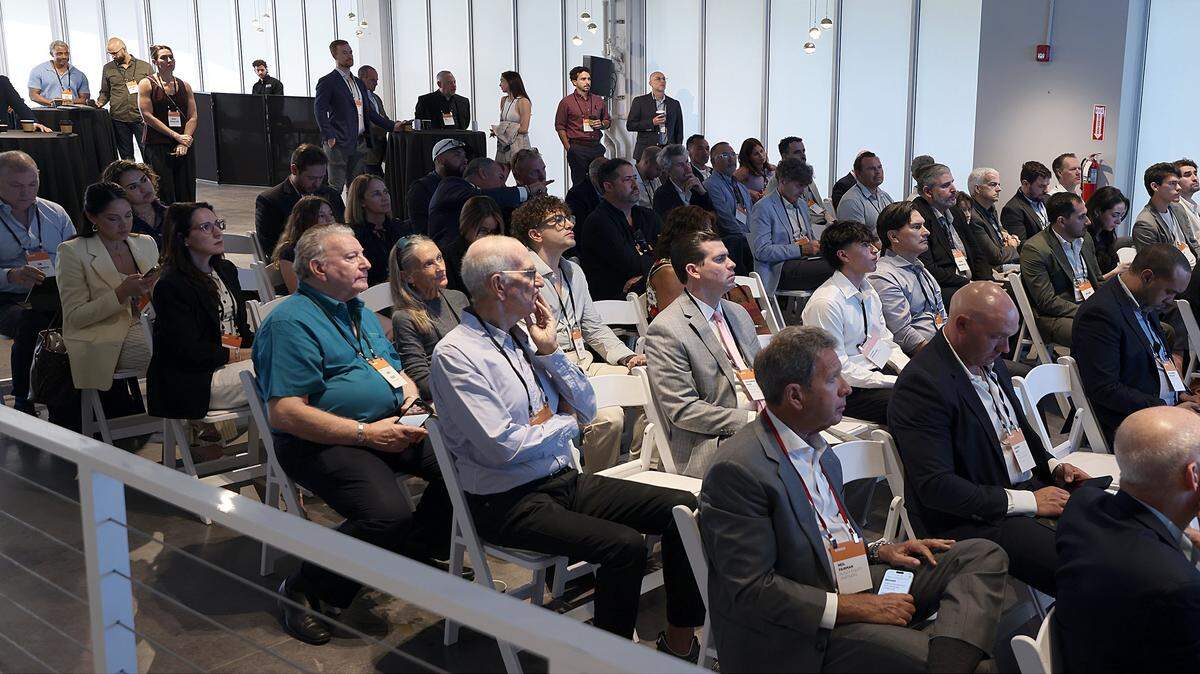
Developers and community leaders at a Miami real estate conference said affordable housing and transit are critical to preventing displacement in Little Haiti and Little River as development accelerates.
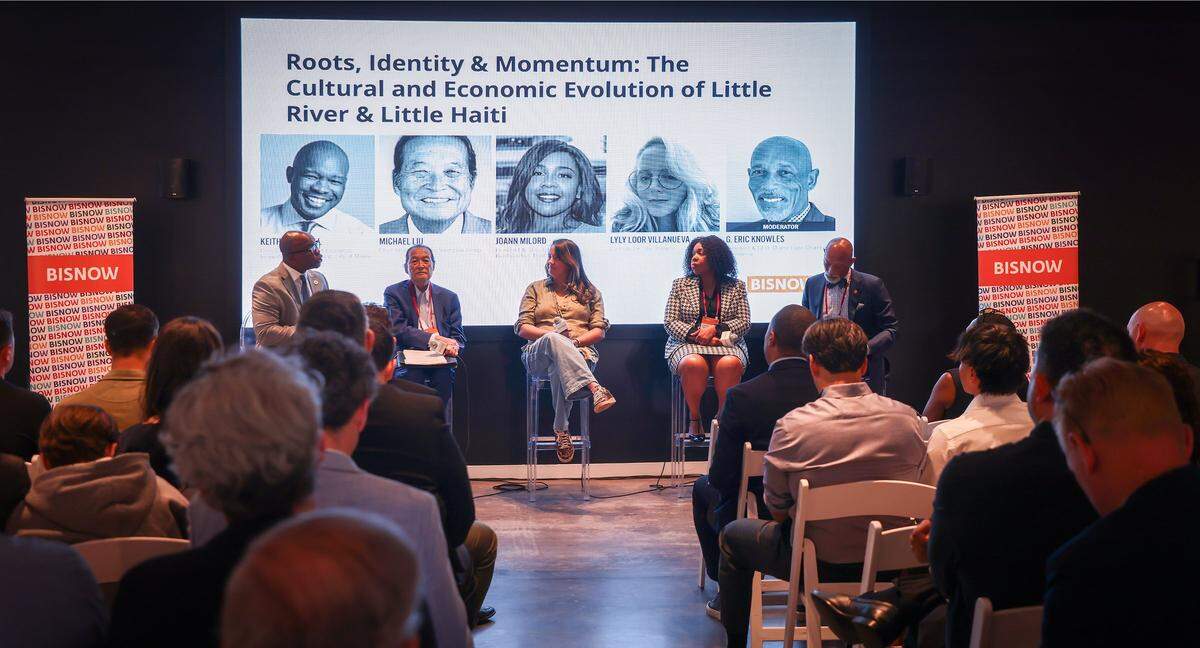
At the digital media company Bisnow’s conference, “The Future of Little River & Little Haiti,” Thursday morning, panelists repeatedly returned to the same concern: how to grow the neighborhoods without pricing out the people who have long called them home.
That urgency is underscored by shifting ownership trends. In Little Haiti, just 736 of the area’s 7,269 residential properties were homesteaded in 2025 — about 10% — according to the Miami-Dade County Property Appraiser. A draft strategic plan from the Little Haiti Revitalization Trust and Florida International University also found that 37% of properties purchased since 2019 were bought by outside investors.
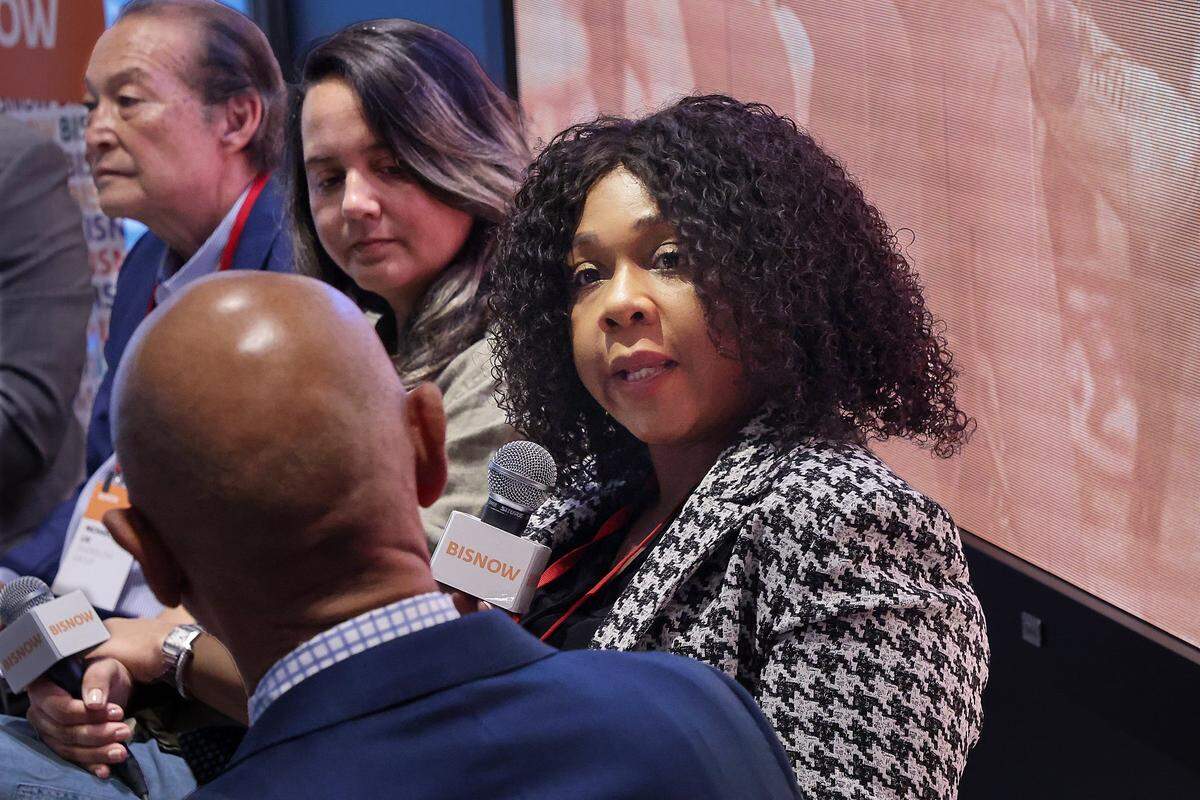
“We want [residents]to be part of the process, and not just spectators as they see development coming all around them,” said Joann Milord, CEO of the Little Haiti Revitalization Trust.
Milord said many longtime homeowners are holding onto aging properties, waiting for major projects like the Magic City Innovation District to move forward in hopes their land values will rise. But she said the trust is working to ensure residents are informed and able to benefit from that growth rather than being pushed out.
“There’s a lot of dilapidated homes that people are just kind of waiting to see what happens with development,” she said. “They’re waiting to see Magic City put shovels in the ground because they are expecting for their properties to increase even more,” she said.
Both neighborhoods have become an attractive to developers because of their proximity to downtown Miami, access to Biscayne Boulevard and potential for expanded transit.
Still, panelists emphasized that new development must account not only for future residents, but also for the existing workforce.
In Little River, a neighborhood home to warehouses, the Swerdlow Group is expected to close on two properties as part of a project that will bring affordable housing to the area.
RELATED: Homeowners in Little Haiti are aging. Here’s what the next generation is facing
Laura Tauber, principal and co-founder of commercial real estate development and management firm Taubco, emphasized workers also need to be able to afford to live where they work.
“Because although we might attract a company that wants to lease a half-million square feet of office, where does the support staff live? Two hours away,” she said. “If we can put more housing that’s not priced like luxury, that’s priced really what people can afford…We see we can provide benefits to the community and still be successful developers.”
Beyond housing, speakers said preserving the cultural identity of the neighborhoods is equally important.
Alfredo Riascos, founder and managing broker at commercial real estate brokerage firm Gridline Properties, said business owners should also be mindful of incorporating the “social fabric” of a neighborhood, pointing to developer Aaron Goldstein’s efforts with Lakou, a local hang near the Little Haiti Cultural Center, as an example.
“We can’t neglect that,” he said. “We have to try to incorporate it and make sure that it’s there, that it continues.”

Transit will be a key factor in whether residents can remain connected to their communities as development reshapes them, many panelists agreed.
Neil Fairman, chairman of Plaza Equity Partners, which is attached to the Magic City Innovation District development, said transit would also help residents stay in their communities and enjoy the new amenities they are seeing, such as eateries and entertainment. “We need public transportation if we’re going to become a real world city here, and we’re lacking that,” he said.
As investment pours into Little Haiti and Little River, panelists agreed that the future of both neighborhoods will hinge on whether growth can be balanced with affordability — and whether longtime residents can remain part of the communities they helped build.