
Miami pauses $20M for housing, parks as officials haggle over pot of developer money
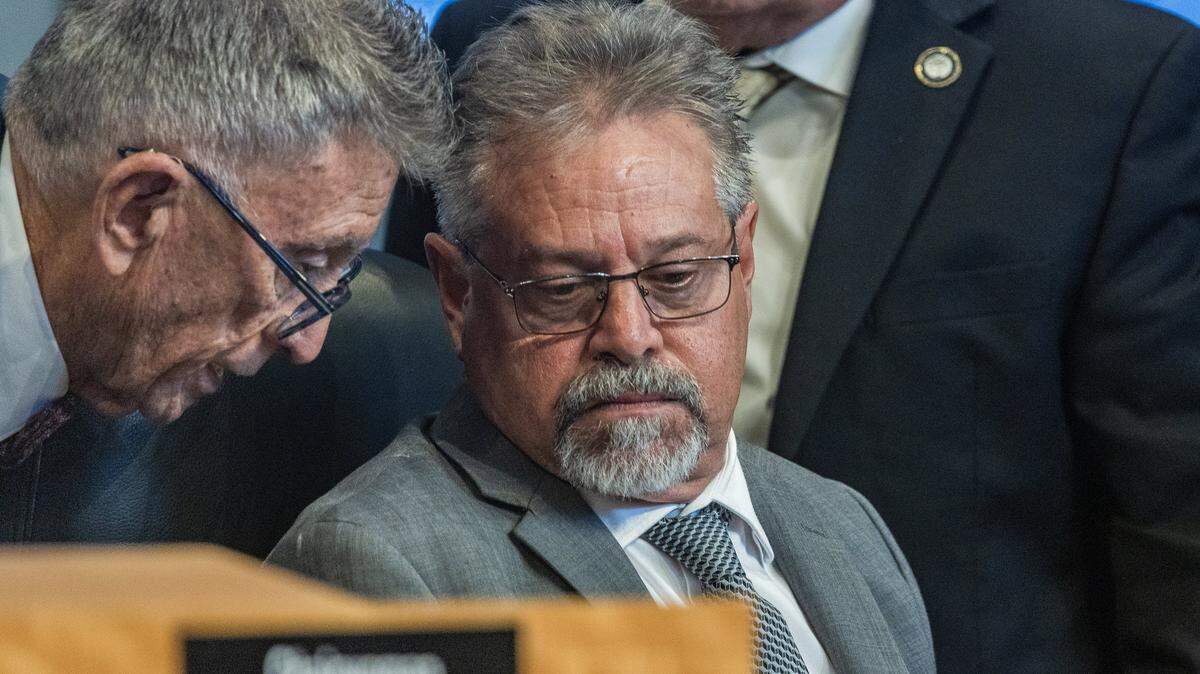
The city of Miami has paused the distribution of funding for nearly $20 million worth of projects as commissioners argue over how to divvy up a pot of money generated from developer fees that they just recently learned about.
On Thursday, the Miami City Commission deferred voting on two commissioners’ requests to fund affordable housing and parks in their districts after officials quarreled over which areas in the city have the most pressing needs, an argument that cut to the core of the wealth divide in Miami.
The argument centered on the city’s Public Benefits Trust Fund, created in 2009 when the city established its Miami 21 zoning code.
Developers pay into the fund when they get an exception that allows them to build taller than is allowed under the zoning guidelines in certain situations. Money from the fund is allocated on a first-come, first-serve basis, city officials said Thursday. It currently sits at $19.2 million, according to City Manager James Reyes.
Despite existing for nearly two decades, the city’s commissioners said they only recently learned about the Public Benefits Trust Fund.
Last month, the commission approved a request from District 5 Commissioner Christine King for $5.3 million from the fund for housing in her district. King said that approval “opened the Pandora’s box, and now you see what you see.”
King said Thursday that, despite having served more than five years in office, she hadn’t previously known about the fund.
“This was created in 2009,” King said. “I became elected in 2021. No one sat me down and said, ‘These are your options for funding.’ Staff doesn’t give you that information.”
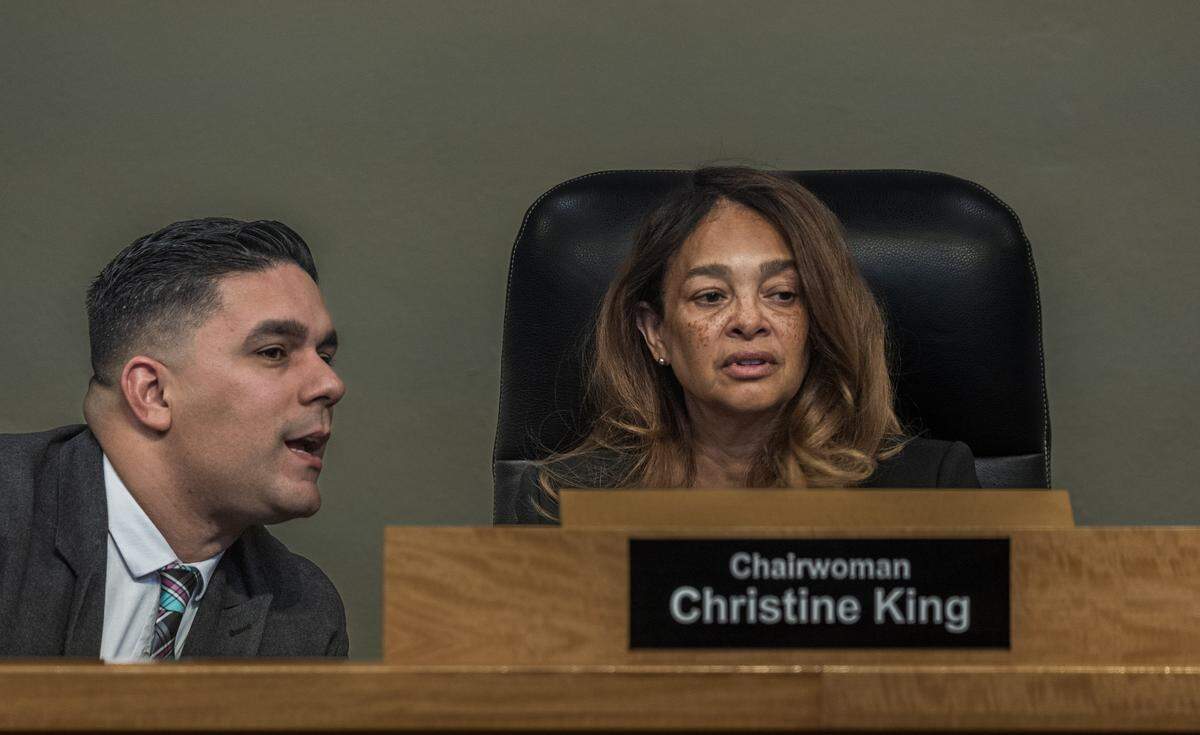
On Thursday, the commission was set to vote on two more requests from the Public Benefit Trust Fund:
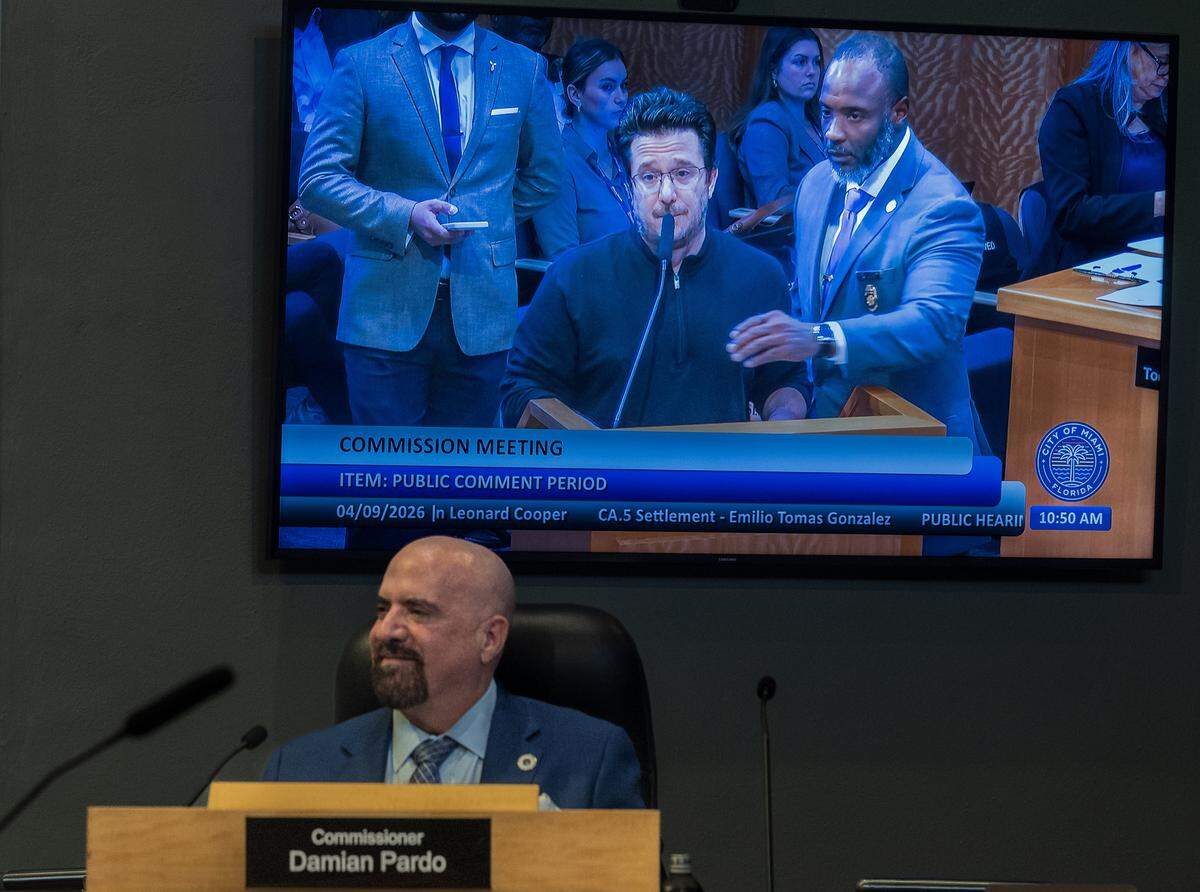
- Commissioner Damian Pardo requested $15 million for affordable housing and parks in his district. That included $5 million for housing in Little Bahamas and the West Grove, and $10 million for parks throughout District 2, mainly for repairs and maintenance.
- Commissioner Ralph Rosado requested $4.8 million to build workforce housing and build out a portion of the Ludlam Trail on land owned by Miami-Dade County Public Schools.
But with a little over $19 million currently in the fund, King said she was concerned that approving Pardo and Rosado’s requests would leave nothing left for the time being. King also said it wouldn’t be fair for Pardo to get the lion’s share of money, reiterating that her district — which includes Little Haiti, Liberty City and Wynwood/Edgewater — and Commissioner Miguel Angel Gabela’s District 1 — which includes Flagami and Allapattah — were the most in need.
“My district, Commissioner Gabela’s district — we are the ones hurting for affordable housing,” King said. “We are the ones — we’re not building luxury housing. We need affordable housing more than anyone. And true affordable housing.”
But Pardo emphasized that his district, which includes downtown, Brickell and Edgewater, faces major issues that need to be addressed urgently.
“Our infrastructure is horrible. Our flooding is horrible,” Pardo said. “We can’t just look at it as, oh, these are luxurious condos. Those luxurious condos are paying for all of us to be able to get things done in our district.”
With much of the city’s development being concentrated in areas like downtown and Brickell over the last few decades, developers building projects in District 2 have contributed the largest share of funds to the pot.
Former District 3 Commissioner Joe Carollo had previously secured more than $12 million from the fund for projects in his district. According to the city, the five districts have contributed and spent the following amounts out of the Public Benefits Trust Fund since its inception:
- District 1 (Flagami, Allapattah): $1.3 million contributed to the fund, $0 allocated from the fund
- District 2 (Coconut Grove, downtown, Brickell, Edgewater): $21.1 million contributed, $1.1 million allocated
- District 3 (Little Havana, East Shenandoah, Silver Bluff, The Roads): $12.9 million contributed, $12.7 million allocated
- District 4 (Coral Gate, Shenandoah, West Flagler, Silver Bluff): $0 contributed, $0 allocated
- District 5 (Overtown, Little Haiti, Liberty City, Upper East Side, Wynwood/Edgewater): $2.9 million contributed, $5.3 million allocated
Pardo said the public benefits were intended to help people who were “basically hurt by the quality of life diminishing in those areas where that development happens.”
King countered that it wouldn’t be possible for hers or Gabela’s district to contribute as much to the fund, given the disproportionate level of development in areas like downtown and Brickell. She also said the fund should be distributed equitably and based on need, criticizing the first-come, first-serve system.
“There should’ve been a more equitable way that this money was divvied up, and we should not have had to figure it out on our own. ... It’s not fair, because every single district in the city of Miami has need,” King said.
Pardo pointed out that King brought up her concerns the month after the commission approved more than $5 million from the fund for her district.
“Madam Chair, I just think it’s very convenient,” Pardo said.
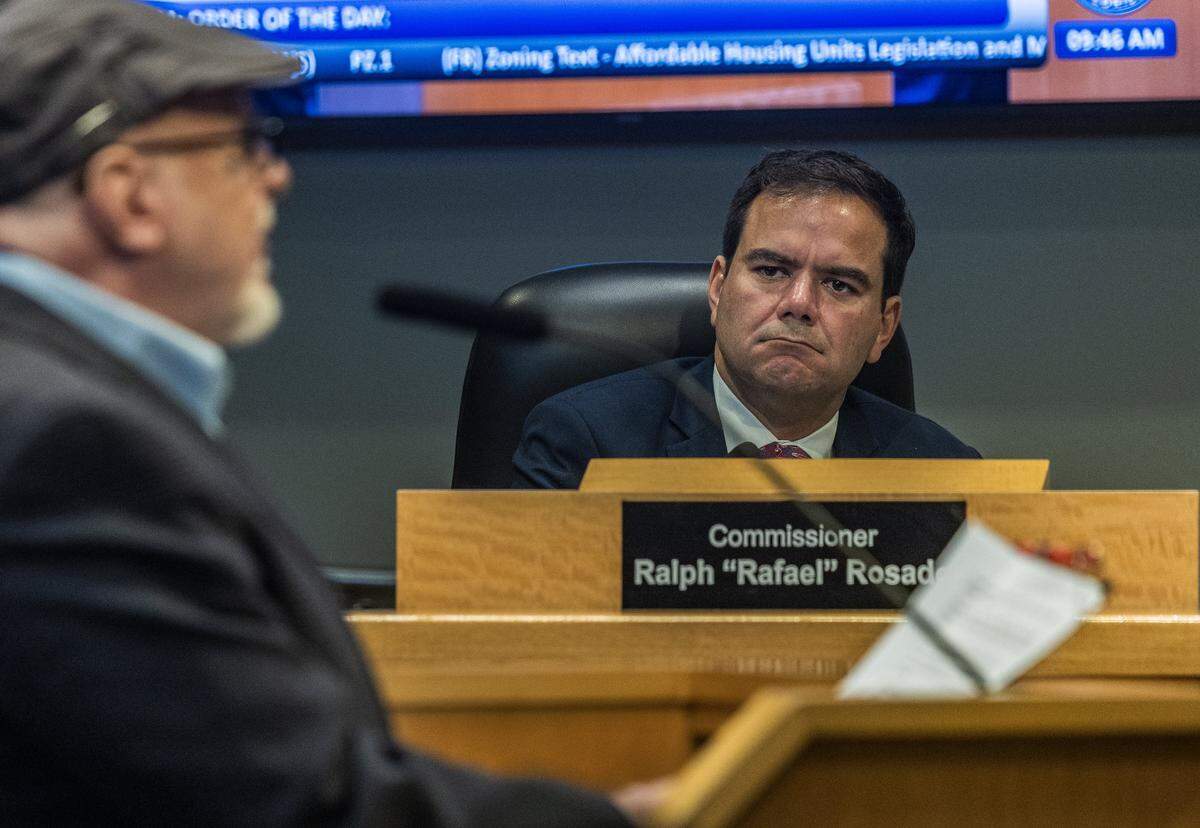
Rosado said the city has already raised $10 million in public benefits dollars so far in 2026, which he described as a “record” compared to the last five years, suggesting that more funding could be on the way in the near future.
Still, the commissioners were unable to reach an agreement, instead punting the proposals to a future meeting.
The commission also directed the administration to come up with a new system to divide the funds.
“I think we all agree unanimously, I would say, that this first-come, first-serve basis, and the way the legislation was written, leaves a lot of unintended consequences,” Reyes said.
.jpg)