
Miami to pay legal fees for mayoral candidate who sued city over election delay
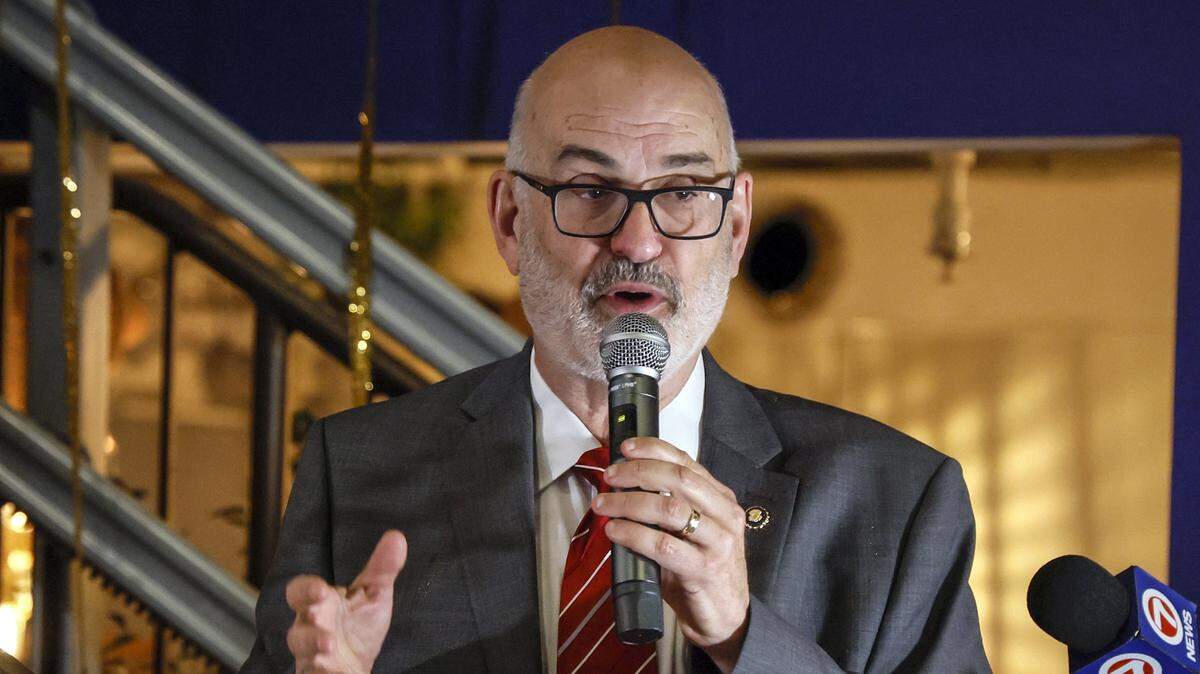
The city of Miami plans to make a six-figure payout to cover attorneys’ fees for a former mayoral candidate, following his lawsuit challenging the city’s attempt to delay the 2025 election to 2026.
Last year, the courts ruled in favor of Emilio González, a candidate for mayor who went on to lose a December runoff election to Eileen Higgins.
Next week, the Miami City Commission is slated to vote to approve a $150,000 payment to the law firm that represented González in his lawsuit against the city. The payment, described as a settlement offer, covers “appellate attorney’s fees and taxable trial and appellate costs.”
Last summer, González sued the city after the Miami City Commission passed an ordinance that moved the city’s elections from odd to even years. The change postponed the November 2025 election to 2026 and gave the city’s elected officials an extra year in office, including those who would have otherwise been termed out.
González, who was already a declared candidate at that time, filed the lawsuit and asked the court to find the city’s ordinance “unlawful and invalid.”
In July, a Miami-Dade Circuit Court judge sided with González, ruling that the city’s ordinance moving the election without voter approval violated the Florida Constitution.
The city appealed that ruling, landing the parties in a hearing before Florida’s Third District Court of Appeal. The appeals court sided with the Circuit Court judge, concurring that the city’s move was “unconstitutional.” The city then asked for a rehearing before the entire appellate court, but that request was denied.
The situation became highly politicized, with Gov. Ron DeSantis publicly condemning the city’s efforts to postpone the election. Florida Attorney General James Uthmeier issued an opinion two weeks before the commission’s final vote on the ordinance, saying the city of Miami didn’t have the legal authority to move its election date without voter approval.
After two courts blocked the city’s efforts, the November 2025 election proceeded as initially planned.
González was one of 13 candidates for mayor. He placed second in the November general election. Higgins placed first but failed to secure more than 50% of the vote, sending her and González to a December runoff.
Higgins prevailed 59% to 41% in the runoff, becoming the city’s first Democrat mayor in decades and also Miami’s first woman mayor.
Renewed efforts to move to even-year elections
While on the campaign trail, Higgins pledged that she would seek to shorten her term as mayor so the city could more quickly move to even-year elections, if that’s what voters want. In addition to the González payment, the City Commission next week is slated to vote on a proposal from Higgins to have her term end in 2028 instead of 2029.
If the commission gives the green light, one more commission vote would be needed to send the proposal to the August 2026 ballot, where voters would decide whether to reduce Higgins’ term.
Higgins’ proposal is separate from the latest effort spearheaded by Commissioner Damian Pardo to switch to even-year elections.
Pardo was the sponsor of last year’s ordinance that switched to even-year elections without voter approval. Former Mayor Francis Suarez joined Pardo in championing that effort.
Pardo’s new proposal seeks voter approval to make the change. It would create one-time five-year terms for city commissioners, starting after the next election cycle. If the proposal moves forward and is approved by voters, candidates elected in the next round of City Commission races in 2027 and 2029 would stay in office until 2032 and 2034, respectively. After that, the terms would resume being four years.
Pardo’s legislation, which passed an initial vote earlier this year, could come back for a final vote later this month. If approved by the commission, Pardo’s proposal would also land on the August ballot.
.jpg)