This women’s Passover Seder blends modern themes with Jewish tradition
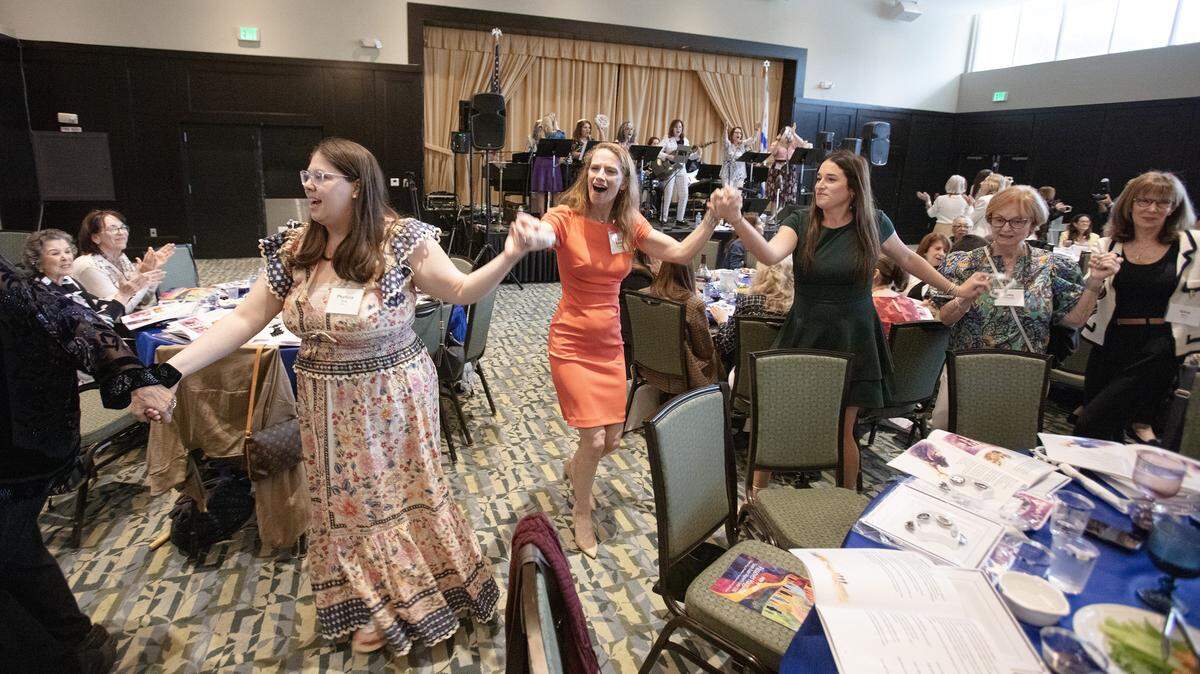
As Jews across South Florida prepare to celebrate Passover — one of Judaism’s most sacred holidays — one Coral Gables synagogue hosted a special event focused on highlighting a woman’s experience in Jewish life.
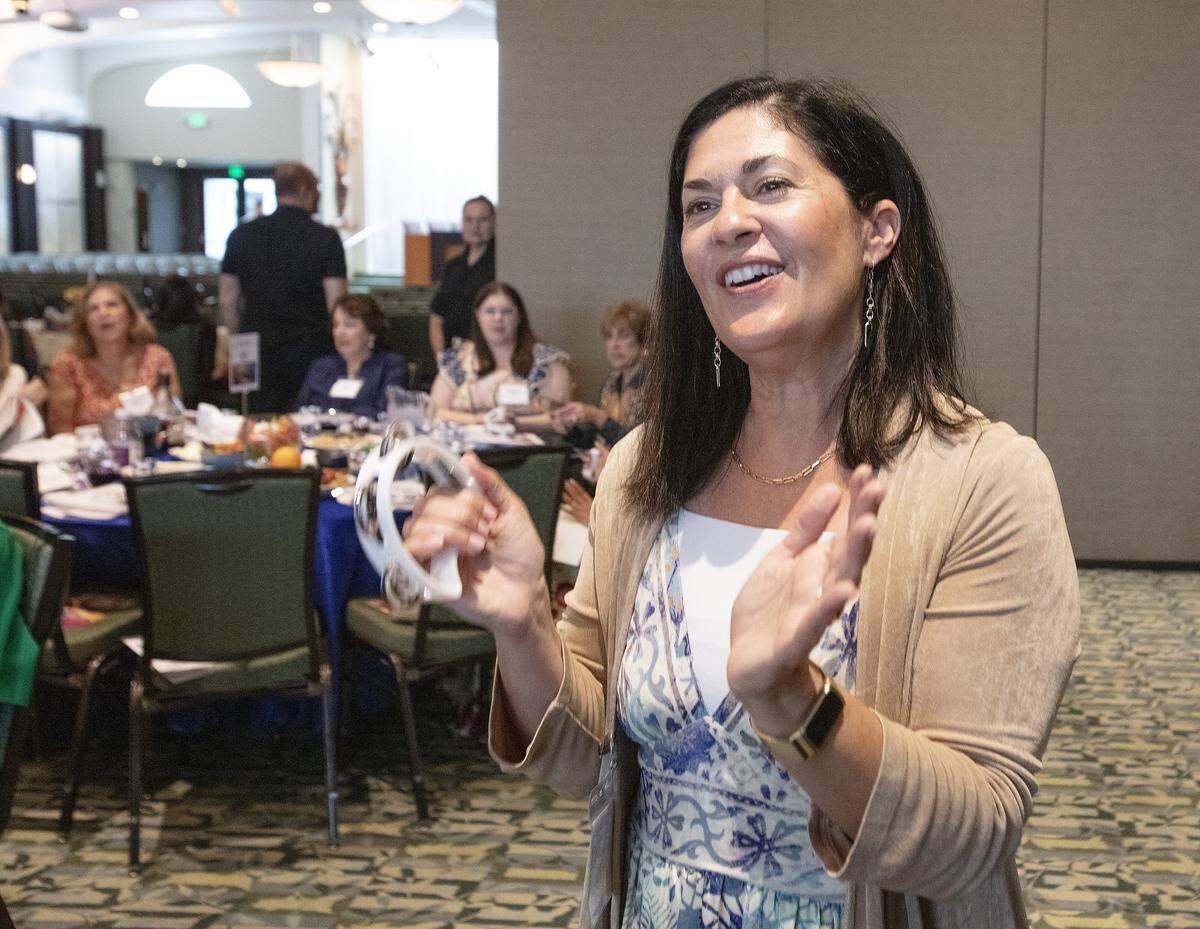
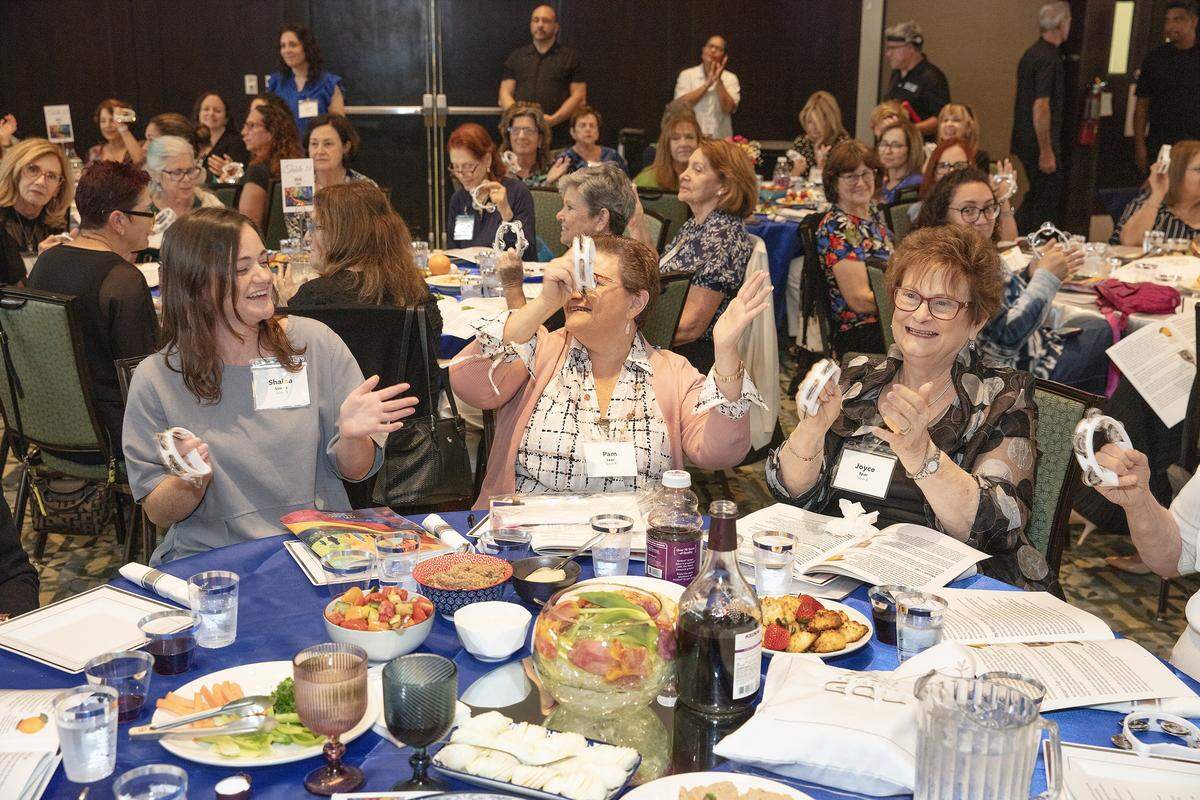
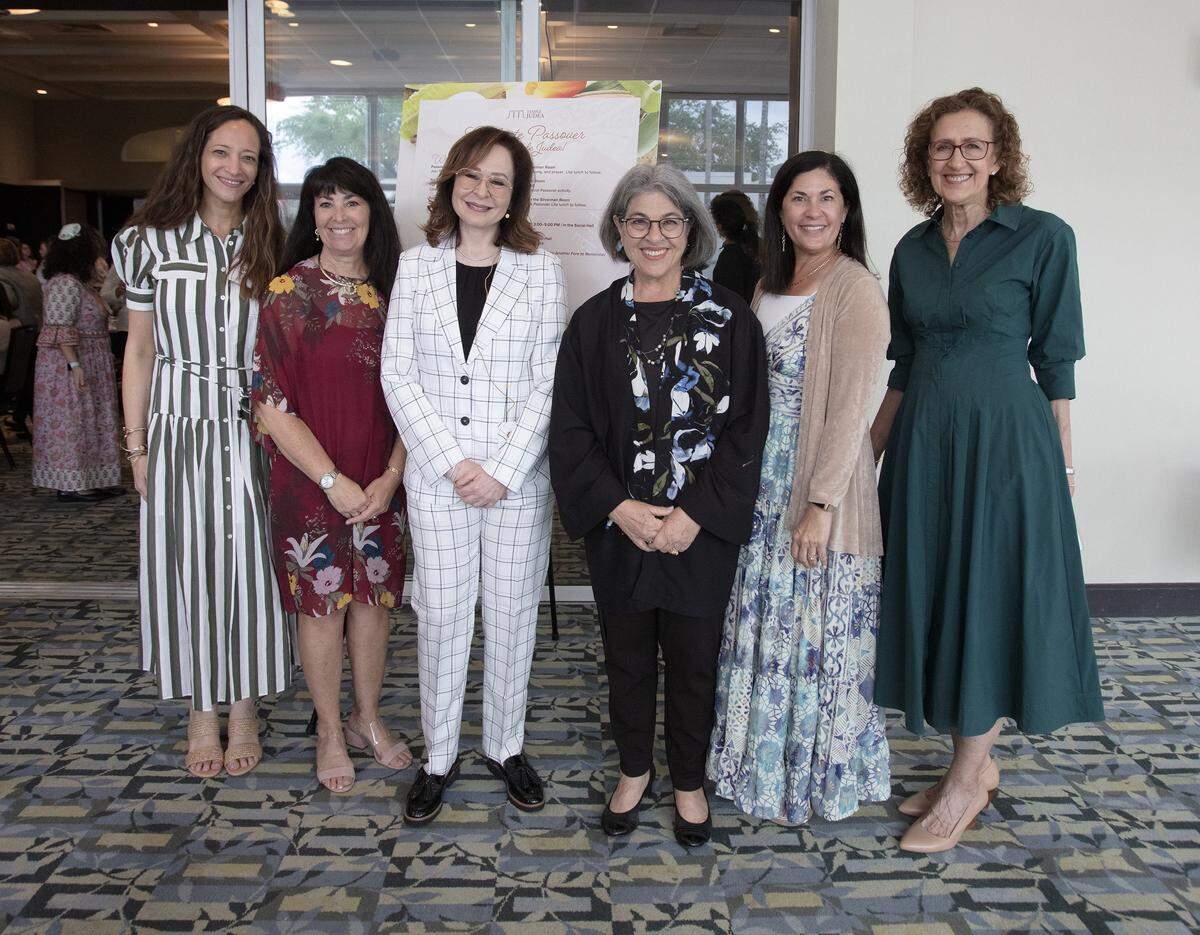
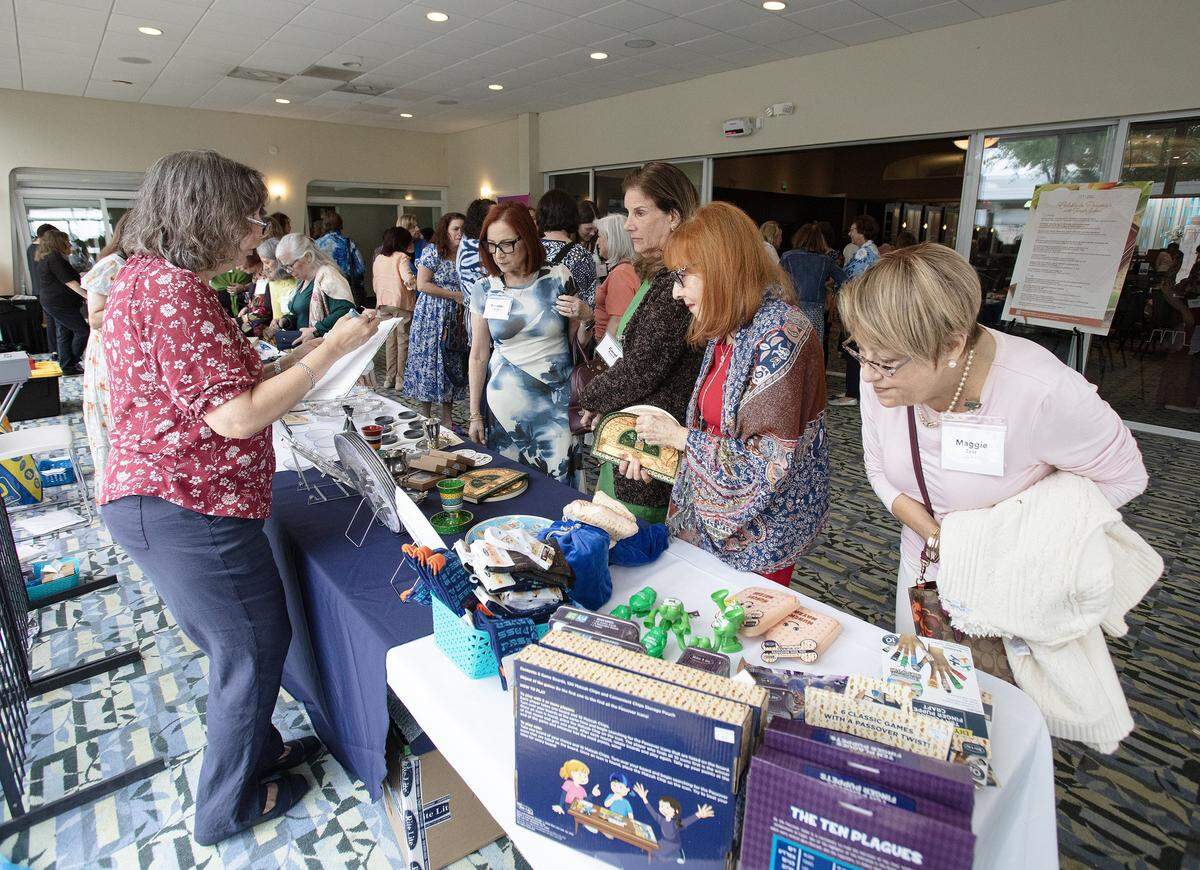
Blending traditional rituals with modern themes, Temple Judea’s women’s Passover Seder drew 300 local women including several female rabbis, cantors and Miami-Dade County Mayor Daniella Levine Cava, who is the county’s first Jewish mayor.
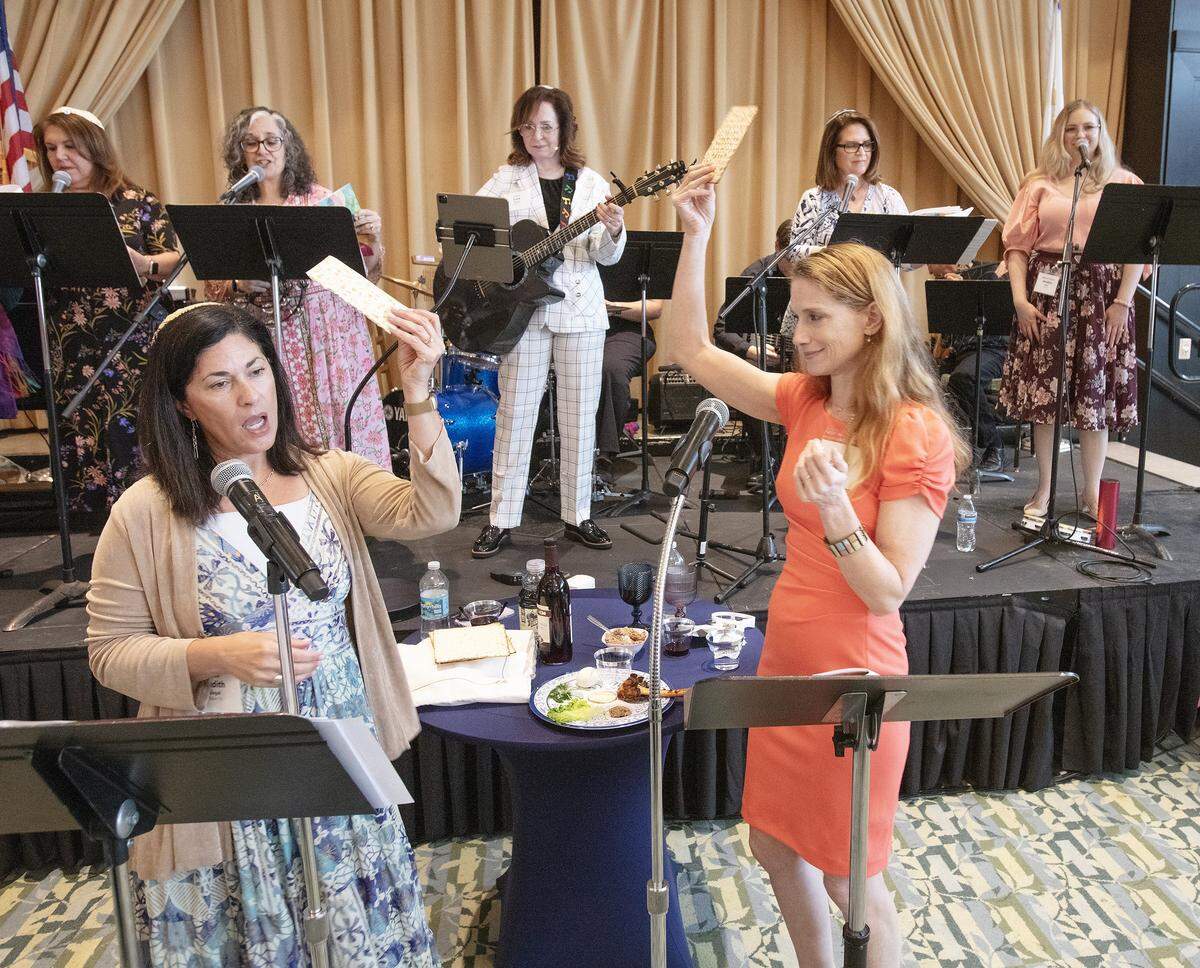
The third annual event, hosted in collaboration with several local Jewish organizations, brought a new spin to a traditional Passover Seder — the elaborate 14-step meal that includes reading a liturgy, drinking four glasses of wine, eating symbolic foods and telling the story of the Israelites’ exodus from Egyptian slavery.
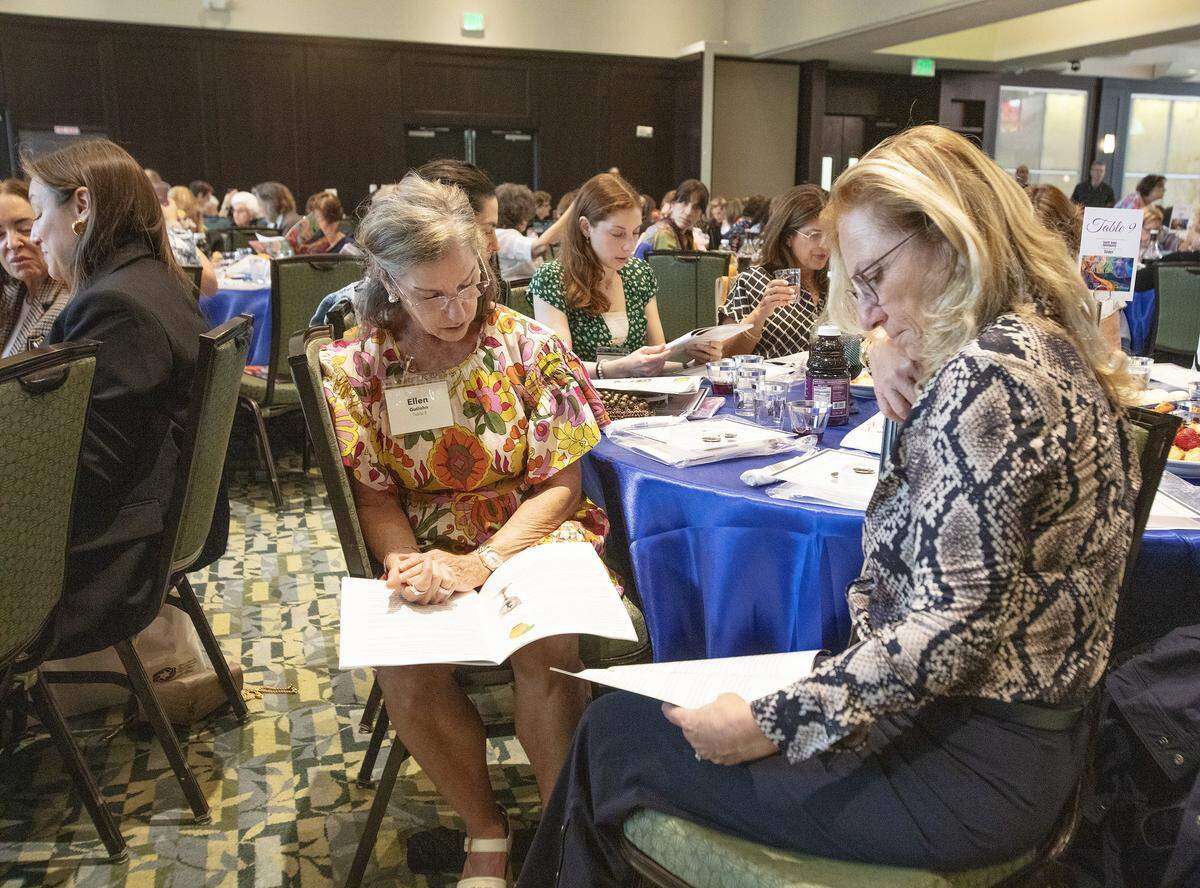
Melanie Dernis-Rosen, chairperson of the event, said it was “deeply moving to see women come together across generations and communities” while exploring shared themes of “freedom, equality, healing, and responsibility.”
The Seder plate includes foods like matzah (unleavened bread), bitter herbs, parsley dipped in saltwater and a sweet paste called charoset, which act as a visual representation of the Israelites’ enslavement and liberation from Egypt. The meal is meant to pass down the communal memory of a foundational Jewish story to younger generations. Jewish communities typically hold a Seder on the first night of Passover after sundown.
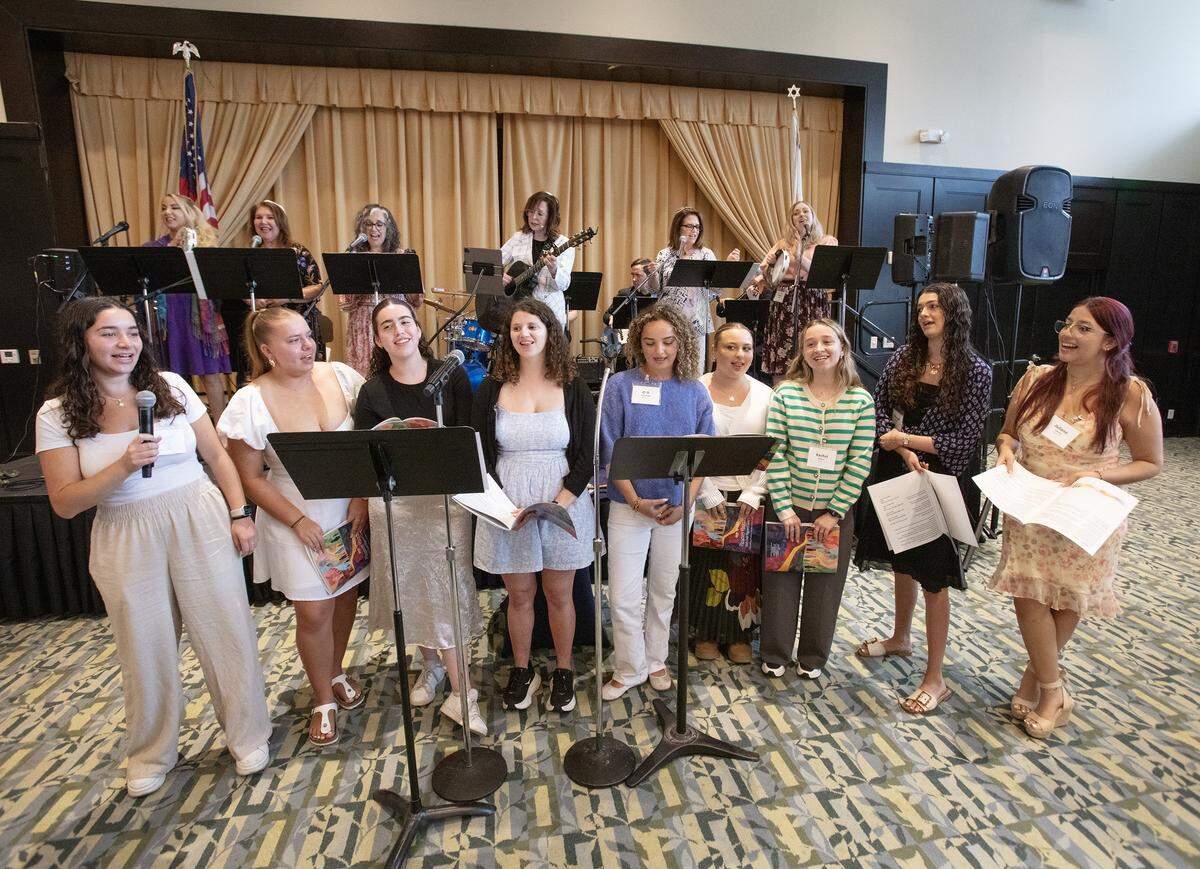
Attendees at Temple Judea’s Seder explored modern additions to the Seder plate such as Miriam’s Cup, representing Miriam’s Well, which was believed to be the source of water for the Israelites in the desert.
Participants poured water from their glass into the special cup while sharing their individual and collective hopes for women this year. Rabbi Judith Siegel explained that the well was believed to have power to “heal and renew.”
“Its fresh waters sustained our people as we were transformed from a generation shaped by slavery into a free nation,” Siegel said.
Another addition to the Seder plate at the women’s event was an orange, which was introduced in the 1980s to include marginalized groups such as the LGBTQ community and women.
“When we peel the orange and when each of us eats a segment after we spit out the seeds to repudiate all forms of bigotry and hatred, we are affirming that our community includes all these people and more,” read the Seder booklet placed at each table.
At the end of the Seder, the women got up from their seats to join hands and dance and sing together.
Though Passover Seders are typically held in the home, there are other community style dinners being held throughout Miami-Dade and Broward County.
To find a Passover Seder, the Greater Miami Jewish Federation and the Jewish Federation of Broward County have calendars with a host of events. A few events include:
- Bet Shira Congregation in Pinecrest is hosting a community Seder on Thursday, April 2.
- Miami Jews, a group for young professionals, is hosting a Seder in the garden event at Fairchild Gardens on Sunday, April 5.
- At Florida International University, the Hillel student group is hosting a community Seder on Monday, April 6 meant for Jewish students, families, faculty, staff and community members.
This story was produced with financial support from Trish and Dan Bell and donors in South Florida’s Jewish and Muslim communities, including Khalid and Diana Mirza and the Mohsin and Fauzia Jaffer Foundation, in partnership with Journalism Funding Partners. The Miami Herald maintains full editorial control of this work.
This story was originally published March 31, 2026 at 3:58 PM.