
Key Biscayne settles First Amendment lawsuit with news outlet
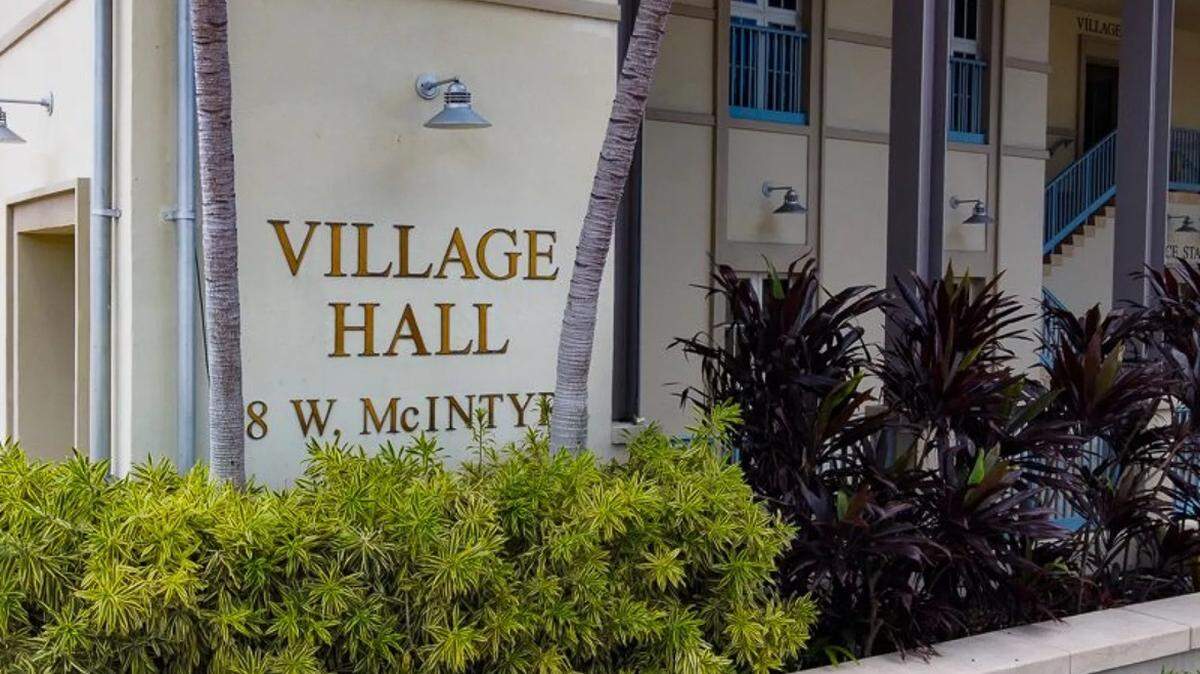
Key Biscayne has settled a federal lawsuit with a nonprofit news outlet that claimed the village’s policy violated the First Amendment rights of its reporters and of village employees.
Village council members approved the settlement agreement Tuesday night, agreeing to pay $25,000 in attorneys fees and costs to the Key Biscayne Independent (KBI), a digital news operation that covers the island hamlet off the coast of Miami.
KBI, a WLRN News partner, sued the village last June over a media policy that was established by Village Manager Steve Williamson and forbade village employees from speaking to the media without first getting approval from the manager or head of communications.
“The purpose of the policy was to provide a clear, consistent structure for all media relationships and to ensure the Village continues to deliver timely, accurate, and well‑coordinated information. We modeled the approach after many unwritten agreed‑upon procedures we already had in place with multiple media outlets, which worked very effectively for these organizations,” Williamson told WLRN in a statement.
In its complaint, KBI noted that immediately prior to Williamson creating the policy, the outlet published an investigation regarding Miami Republican Congresswoman María Elvira Salazar allegedly moving into a Key Biscayne condo before the building was deemed safe.
The news outlet received legal representation from the nonprofit Reporters Committee for Freedom of the Press.
Tony Winton, KBI’s editor-in-chief, said the village’s media policy made it difficult to do the work of accountability journalism and essentially meant the village administration could control the flow of information.
“ A policy that essentially funneled every request for information to the manager or a spokesperson really impaired the ability of our reporters to get information to serve the public,” Winton told WLRN.
Following KBI filing the First Amendment suit in federal court, Key Biscayne rescinded the media policy in November. The case continued, however, as Winton said the action did not bar the city from reinstating a “gag order” rule.
The parties settled before going to trial. Under the agreement, the village must publicize any future intention to create a policy relating to communication with the media and allow the public to comment on it.
“ The battle for open government, access to records and transparency is a continuing one, and we want to thank our supporters and our readers for standing with us during all of this,” Winton said.
The settlement must now be filed with the court.
Williamson told WLRN the village is glad the lawsuit will be concluded so it can “continue ensuring” residents receive current and relevant information.
This report was produced by Miami Herald news partner WLRN Public Media.