
What is Miami-Dade’s ‘shadow realm’ of homelessness? Here’s what to know
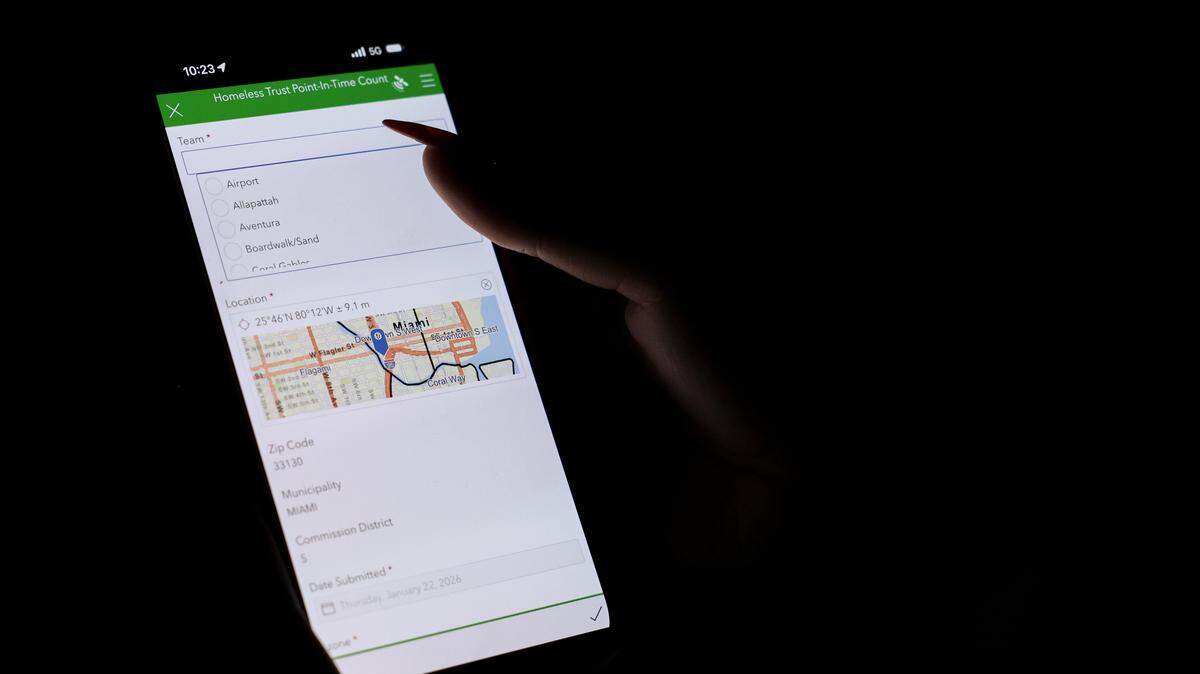
An estimated 66,000 Miami-Dade residents are living doubled up in other people’s homes — a population large enough to rank as the county’s seventh-largest city. Because they have roofs over their heads, they’re excluded from official homeless counts of roughly 3,500 people and locked out of government services that could help stabilize their housing situation.
FULL STORY: In motels and on couches, Miami-Dade’s 66,000 ‘hidden homeless’ are suffocating
Here are key takeaways:
- The 66,000 estimate comes from a University of Rhode Island analysis of U.S. Census data conducted for the Miami Herald by Molly Richard, an assistant professor of public health who studies homelessness. Author Brian Goldstone refers to the phenomenon as the “shadow realm” of homelessness.
- About 11,000 children are among the “hidden homeless,” according to Florida Department of Education data.
- HUD’s definition of homelessness differs from the Department of Education’s, and it’s HUD that controls housing assistance programs.
- More than half of Miami-Dade households live paycheck to paycheck, the highest rate among Florida’s large metro areas, according to United Way Miami. HUD pegged fair rent for an efficiency at $1,700 in 2024, up nearly 80% from $950 in 2019, while median income rose only 38%.
- The Miami-Dade Homeless Trust announced a grant that could bring more than $5 million over three years to help people stay in their homes. Spread across 66,000 people, that works out to about $75 per person.
This report was produced with the assistance of a proprietary tool powered by artificial intelligence and using our own originally reported, written and published content. It was reviewed and edited by our journalists.