
Is Joe Carollo’s legacy being scrubbed from Miami City Hall?
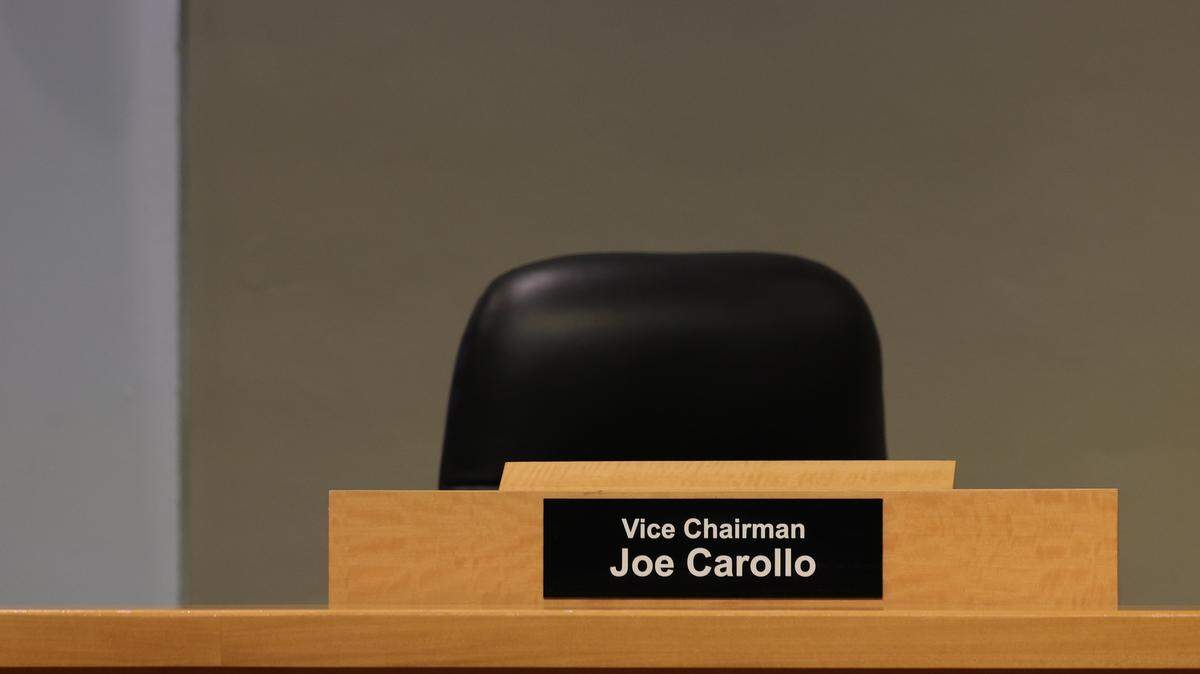
Weeks after he left office, remnants of former Miami City Commissioner Joe Carollo’s legacy are being chipped away — from affordable housing projects he championed to controversial outdoor gym equipment installed under his leadership.
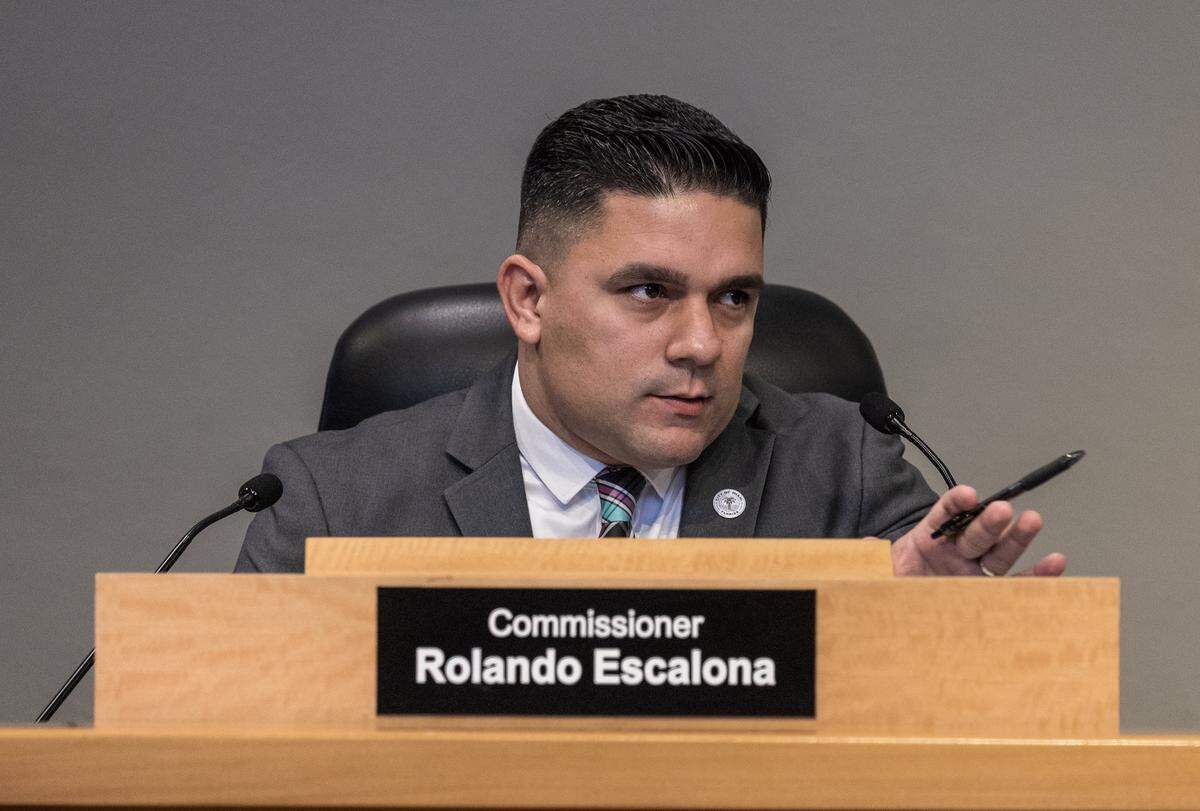
The political firebrand’s career, spanning 46 years in City Hall, came to an end last month when newcomer Rolando Escalona won the District 3 seat that Carollo and his younger brother Frank had occupied since 2009.
Escalona, who defeated Frank Carollo in a December runoff, has promised to bring change to the district that includes Little Havana following 16 years of Carollo rule. He’s set his focus on tackling quality of life issues that he attributes to government neglect, like dilapidated buildings and trash piling up on the streets.
But in his first month in office, Escalona has also put forward multiple policy initiatives that roll back parts of his predecessor’s legacy.
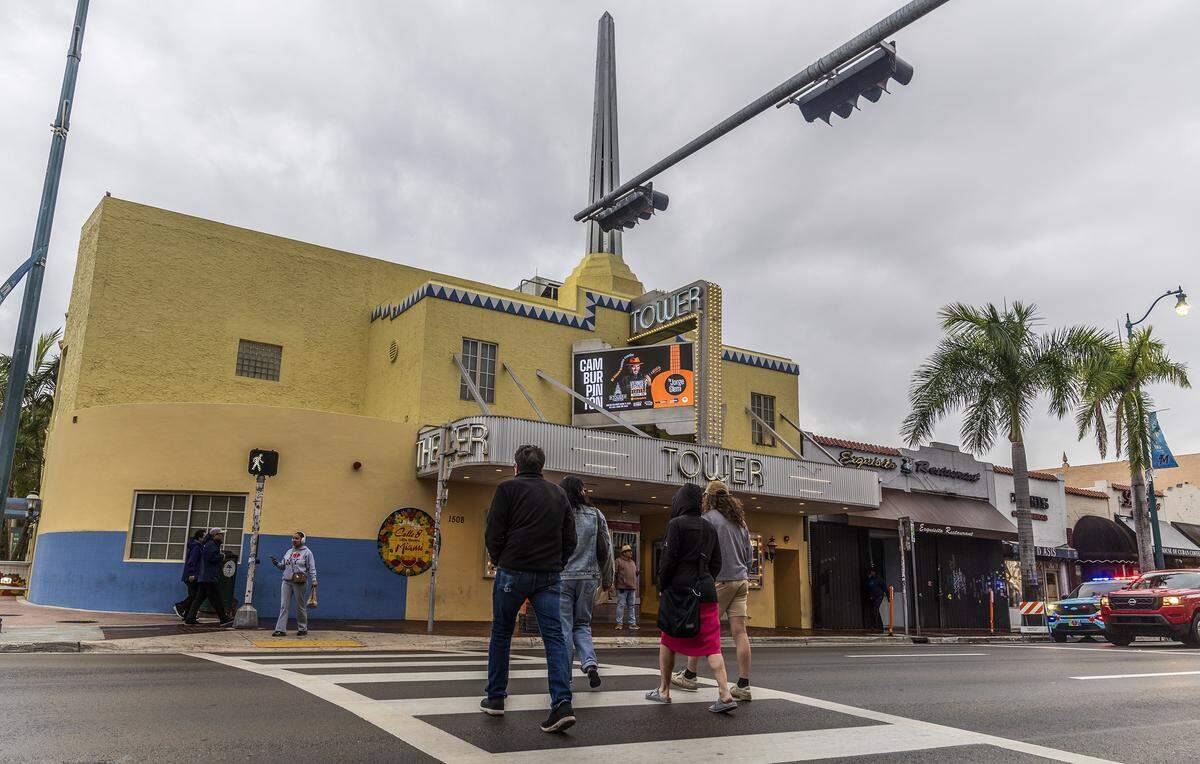
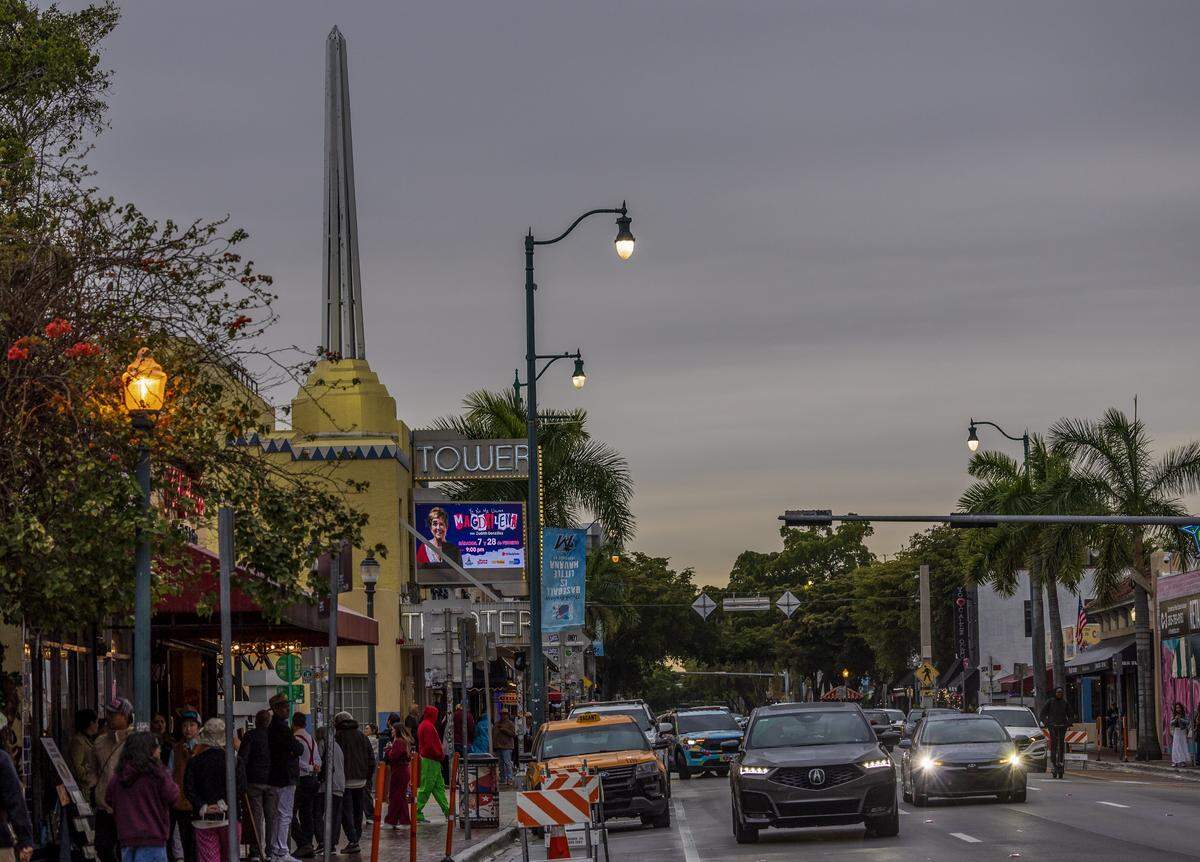
That includes transferring management of the Tower Theater in Little Havana back to Miami Dade College, which had operated the theater for over 20 years until 2023 when Carollo’s District 3 office took over management; renaming a city park attached to a piece of land that Carollo pushed to acquire via eminent domain; and pausing two Carollo-sponsored affordable housing projects.
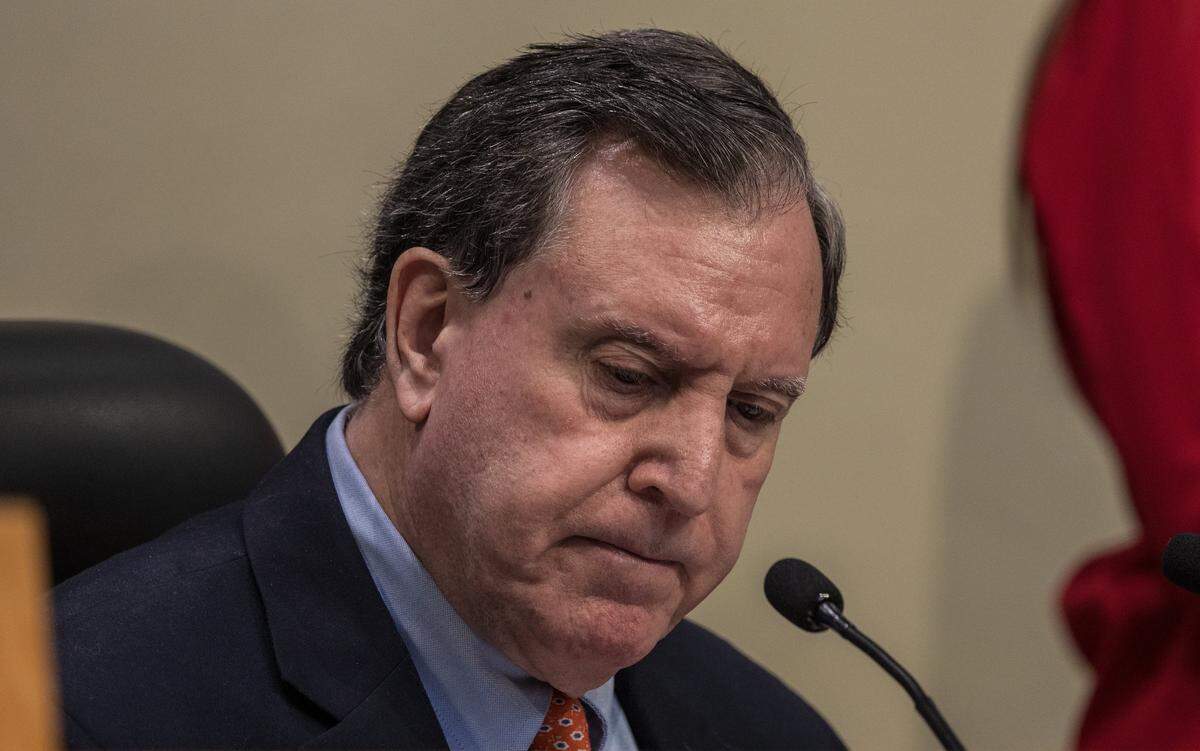
“You only see this kind of stuff in dictatorships,” Carollo said in an interview this week. “They come in, they want to erase history. They want no recollection of anyone in the past.”
Escalona, who immigrated to the U.S. from Cuba about a decade ago, said it’s not a matter of erasing Carollo’s legacy but of course-correcting.
“My goal is not to cancel or to erase what he did,” Escalona told the Miami Herald. “I’m not here to play those games. I’m here to work and to deliver results.”
“And when you talk about a dictator,” Escalona added, “maybe he should look himself in the mirror.”
Gym equipment that ‘divided the community’
This month, the Miami City Commission voted to pause all actions and funding allocations for two Carollo-sponsored affordable housing projects that the commission had unanimously approved at its Dec. 11 meeting — Carollo’s last in office.
Escalona said he’s not trying to cancel the projects but that they felt “rushed” and should be renegotiated.
“I know we can get better deals,” Escalona said.
The commission last week also passed the first of two votes to rename a narrow slice of city-owned land in District 3 along the Miami River that was named Simón Bolívar Park, in honor of the Venezuelan liberator, during Carollo’s tenure. It would be renamed Fisherman’s Park under Escalona’s new proposal.
The land is adjacent to a property that Carollo sought to acquire through eminent domain, in the hopes of connecting it to the city-owned parcel to make one large public park that would have included an area for dogs. In January 2025, following years of legal maneuvering and a weeklong trial, the city abandoned its plans to seize the land from a private landowner after a jury valued the site at $10.8 million.
Why bother to change the name at this point?
“The park is by the river,” Escalona said. “Fisherman’s Park makes more sense.”
There are also a couple changes underway that are outside of Escalona’s purview.
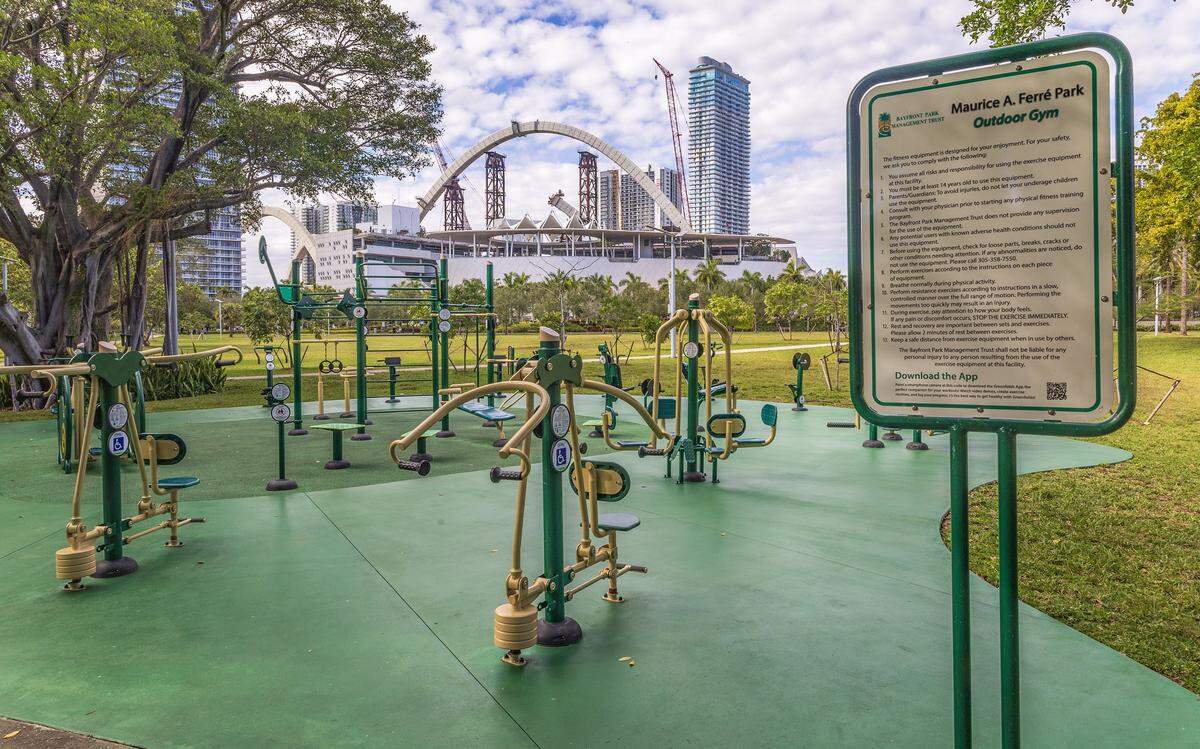
Bayfront Park Management Trust, a quasi-independent city agency previously chaired by Carollo, plans to remove a cluster of outdoor gym equipment in Maurice Ferré Park that became emblematic of a battle between Carollo and downtown residents.
Bayfront Park Management Trust installed the gym equipment at Carollo’s behest in 2023. That same year, a group of downtown residents challenged the installation through an appeal, which led the city’s Planning, Zoning and Appeals Board to vote to reverse the city Planning Department’s approval of the gym after determining that it was not installed according to proper permitting and design procedure and should not have been approved.
The issue went to referendum in summer 2024, and Miamians ultimately voted in favor of keeping the equipment, but the referendum itself prompted a lawsuit from residents who argued the ballot question was misleading. Commissioner Damian Pardo, a Carollo rival who was a vocal opponent of the gym equipment, told the Herald this week that that litigation is still ongoing.
Pardo celebrated the gym equipment’s removal, saying that the installation had “fueled anger” among residents and “was contrary to what the residents wanted and their vision.” He said he rides his bike through the park frequently and rarely sees people using the gym equipment for its intended purpose. One time, Pardo said, he tried using the gym equipment himself but found it was not “conducive” to a good workout.
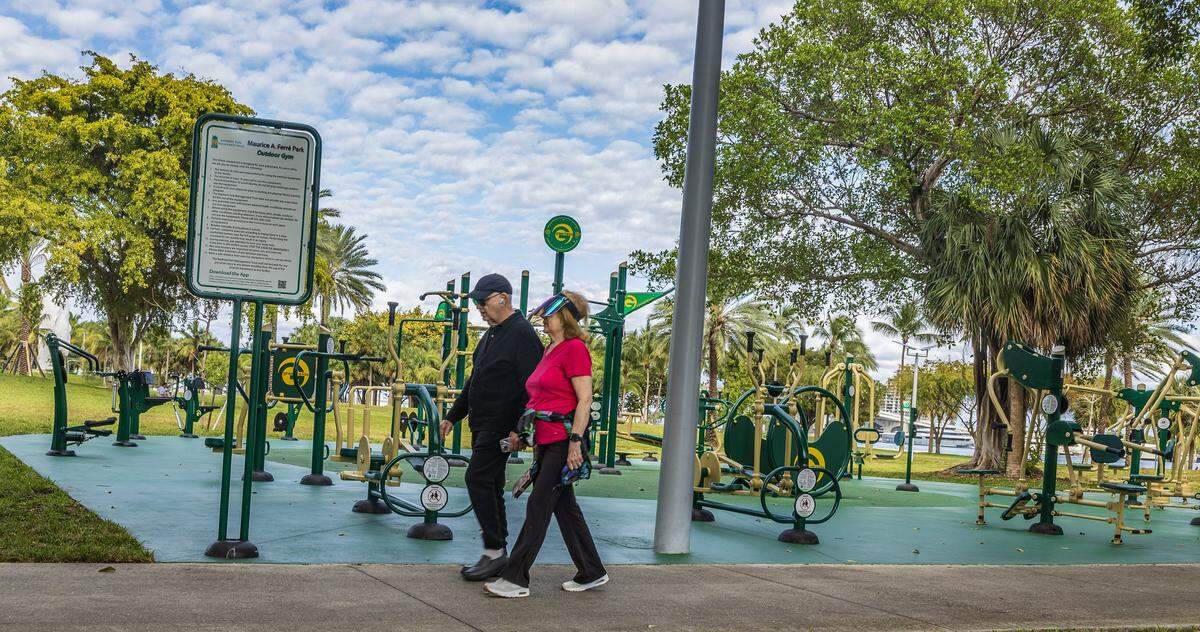
Raúl Miró Jr., interim executive director of Bayfront Park, confirmed to the Herald that the gym equipment would be removed and placed elsewhere.
“The exercise equipment at Maurice Ferre Park has been extremely controversial,” Miró said in a statement. “It has divided the Community. Few people use it. Bayfront Park Trust believes that the exercise equipment will serve a better purpose in another park where the exercise equipment will serve to unify the community rather than divide it.”
Miró said there is “no current timetable” for the gym equipment’s removal. He did not directly answer questions about where the gym equipment would be relocated or if a new installation will replace it.
When the topic was brought up at last week’s commission meeting, Escalona chimed in to say he’d be willing to re-home the orphaned gym equipment in his district.
Asked for his take on the matter, Carollo laughed.
“They could throw it into the water to make a reef out of it,” he said.
Chief of staff cut loose
Two days after his swearing-in, new City Manager James Reyes made a staffing change: Will Ortiz, who was Carollo’s chief of staff through late last year , had been let go from his new job in Code Compliance.
In a Jan. 14 letter, Reyes wrote to Ortiz that there was a “reorganization” in the department, which had recently hired Ortiz as an assistant director, and that “your services are no longer required.”
A spokesperson for Reyes did not directly respond to a question asking whether anyone else in the department was let go, simply saying that Ortiz’s position had been eliminated.
Carollo said he believes the decision to let go of Ortiz was politically motivated and that it doesn’t make sense that Reyes would have been restructuring a department two days into his tenure. He called Ortiz a “professional” and a “non-political individual.”
Miami Mayor Eileen Higgins, who selected Reyes as city manager, did not respond to questions asking whether she had any involvement in the Ortiz decision.
Ortiz, who did not respond to a request for comment, had been ensnared in some controversy during his time in City Hall specifically related to Carollo and code enforcement.
Ortiz was named as a defendant in a lawsuit filed in 2023 by Ball & Chain nightclub operators Bill Fuller and Martin Pinilla alleging that Carollo, the former city attorney, former city manager and various other employees were part of a “government machine mobilized by Carollo” that caused a loss of over $60 million to them and a slew of their businesses because Fuller and Pinilla backed Carollo’s opponent in the 2017 election.
The lawsuit described Ortiz as “a key staffer of Joe Carollo carrying out his political targeting of Plaintiffs.”
All individual defendants, including Ortiz, have been dismissed from the lawsuit, which is still ongoing against the city.
Disappearing plaques?
Carollo said the city recently removed bronze plaques in District 3 parks that had his or his brother’s names on them.
Escalona said he learned this week that city staff had removed several plaques in his district but that it wasn’t at his direction.
Escalona’s office provided a Jan. 27 email from the city’s superintendent of property maintenance confirming that multiple bronze plaques had been removed but that it was because they were being polished, and that they would be ready for reinstallation Feb. 2.
Escalona said his understanding was that the plaques were “very damaged” and in need of a touch-up.
.jpeg "IMG_2494 (1).jpeg")
But one of the parks where a plaque was removed, Woodside Park, was just completed in late October, Carollo pointed out. Others, like the Children’s Park attached to the District 3 office, were relatively new as well.
“These were brand-new plaques,” he said. “When’s the last time that we polished a plaque in the city of Miami, and why those only?”
Carollo, who was mayor in the late 1990s and early 2000s, believes it is part of an effort to scrub him from the city.
“People like this, they want to do away with history so nobody else sees what the true reality of the city was like,” he said.
Carollo quipped that the city might as well take his photo down from the newly created “Wall of Mayors” inside the City Hall lobby.
“Erase my name from the history of the city,” he said.
.jpg)