Four Miami Seaquarium dolphins find new home in Florida Keys, first to be moved
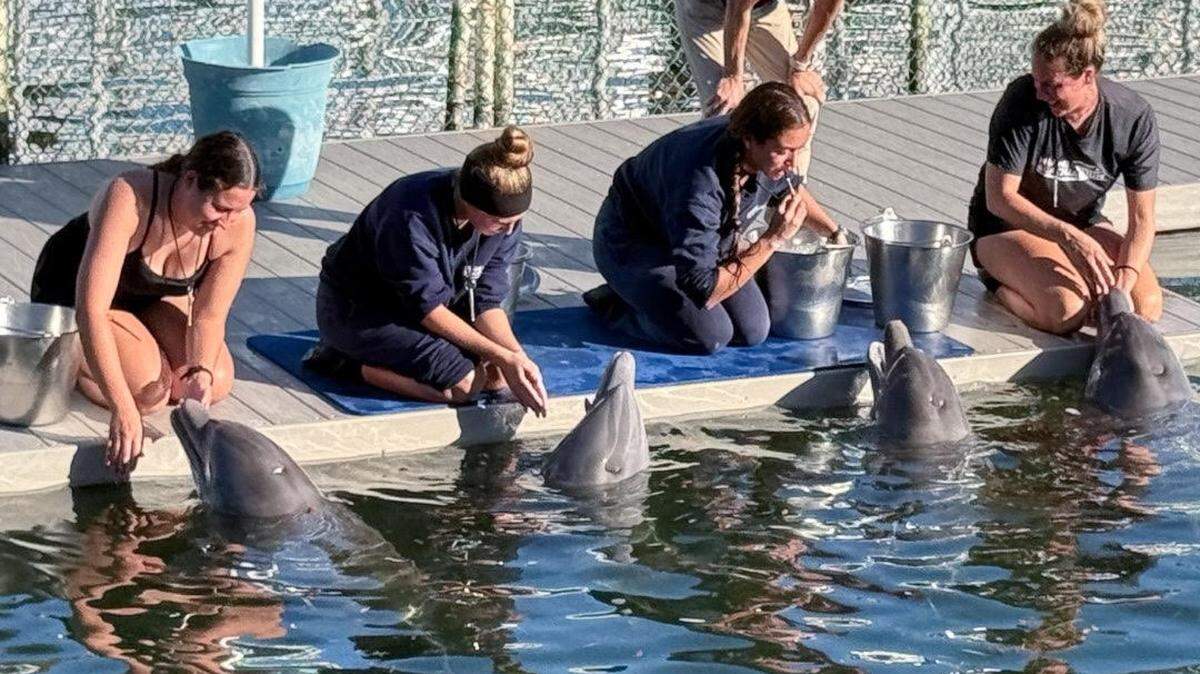
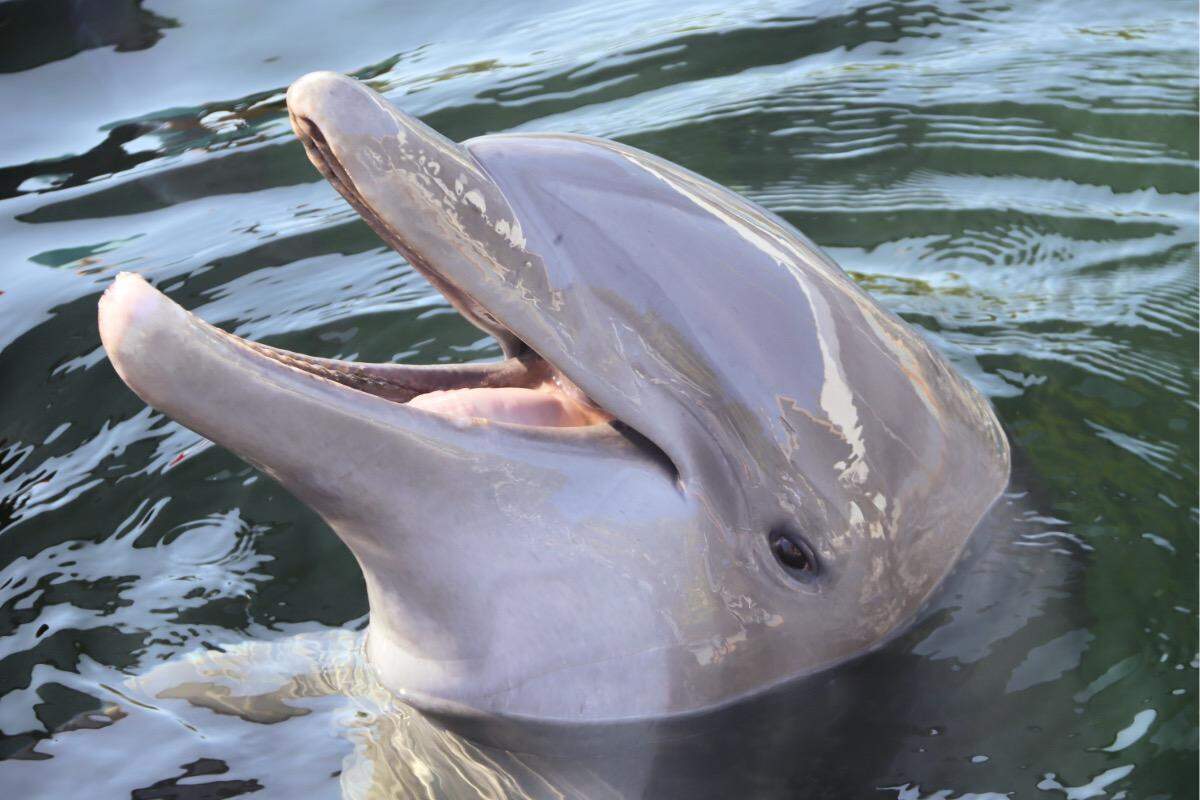
Four dolphins from the Miami Seaquarium have been relocated to a marine mammal facility in the Florida Keys.
Aries, Onyx, Ripley and Zo are among the 16 Atlantic bottlenose dolphins that had to find new homes after the landmark aquarium on Virginia Key closed in October after 70 years as a South Florida attraction.
They arrived Saturday at Dolphin Life, a not-for-profit marine mammal park located on the ocean side of Key Largo off mile marker 100 on U.S. 1.
READ MORE: Miami Seaquarium’s final day: Family fun, nostalgia and animal rights protesters
They join six other bottlenose dolphins that, because they have either spent their entire lives or most of their lives in captivity, cannot live in the wild by federal law. They will live at Dolphin Life’s 9,000-square-feet natural saltwater lagoon that abuts a canal that flows with two tides a day from the ocean and bay.
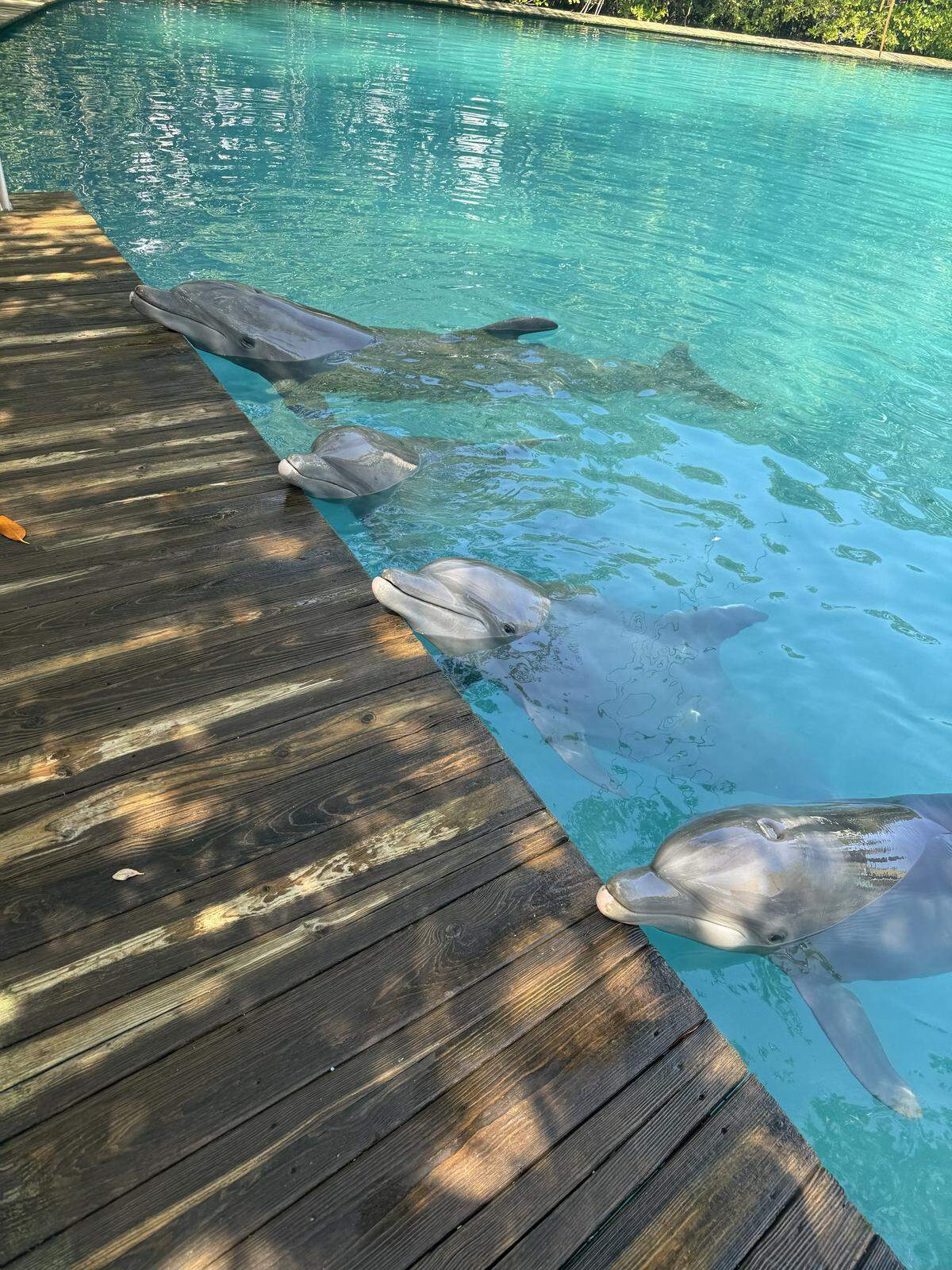
Aries, 23, Onyx, 26, Ripley, 32 and Zo, 19, were all born at the Seaquarium and spent their lives entertaining Seaquarium guests, said Art Cooper, founder of Dolphin Life, who also leads the facility’s marine mammal stranding operations.
They are the first of the Seaquarium’s marine mammals to be relocated. Cooper told the Herald that since adult male dolphins “are not always the most sought-after” for marine mammal facilities, and since all four “have been buds their whole lives,” the Dolphin Life and the Seaquarium felt it best to keep them together.
They are also not young. Although dolphins can live into their 50s and 60s, males tend to live shorter lives, and by the time they are 25 to 35 years old, they are considered geriatric by veterinarian standards, Cooper said.
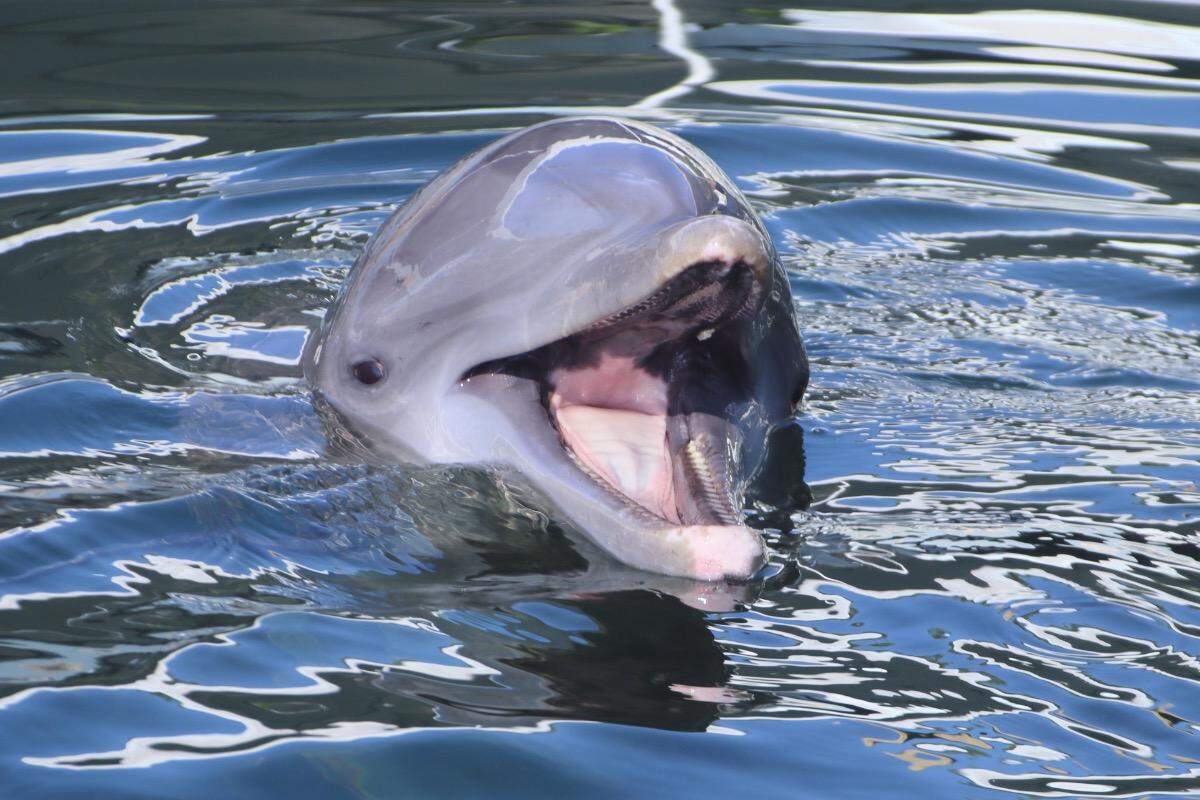
To make matters more urgent, Aries is blind and relies on his friend Onyx to guide him, “So we really want these two to stay together,” Cooper said.
So far, so good. The four have not yet been integrated with the other dolphins in the lagoon, but they have greeted them face-to-face through the underwater fence line and appear to be taking to their new environment, said Cooper. Four of their trainers from the Seaquarium have also agreed to stay at the facility to make the transition easier.
“We recognize how emotional a move like this can be,” Hunter Kinney, head dolphin life coach, said in a statement. “We are grateful to the individuals who helped raise these dolphins and who supported them through every step of this transition. Their care made it possible for Aries, Onyx, Ripley, and Zo to arrive healthy, curious, and ready to take on their next chapter.”
Dolphin Life is an attraction where guests can both watch and swim with the dolphins. But, it will be a little while before the new arrivals are part of that aspect of the facility, and when it does happen, it will be “always at their own pace,” Kinney said.
“For dolphins, positive interaction and play are an important part of good welfare. When done thoughtfully, these moments with guests become enriching, stimulating, and genuinely fun for the animals,” said Kinney. “Our commitment at Dolphin Life is to make sure every experience we offer remains ethical, meaningful, and tailored to the comfort and curiosity of each individual dolphin.”
Since Dolphin Life is a not-for-profit facility, the group is looking for donations to help pay for the feeding and veterinarian care of the new arrivals. The group is also federally licensed to respond to marine mammal strandings and to rehabilitate dolphins and whales that are found stranded.
The group just finished building a 5,600-gallon pool at its hospital, located at mile marker 82 on the bay side of Islamorada, that will be used to rehab stranded dolphins and smaller whales.
“They are big eaters. Between food, veterinarian and geriatric care and training, we could really use some help. Any contribution is really appreciated,” Cooper said.
For more information, go to Dolphinlife.org.