Mom shot in I-95 road rage crossfire last year ‘extra thankful’ to be alive
As Esha Dawkins celebrates Thanksgiving this week, she is even more appreciative than most years. She’s alive.
That she’d still be around today was in grave doubt a year ago after she was shot in the neck while driving on Interstate 95 with her 5-year-old son in her Lexus SUV after leaving a Costco in North Miami on Nov. 25, 2024.
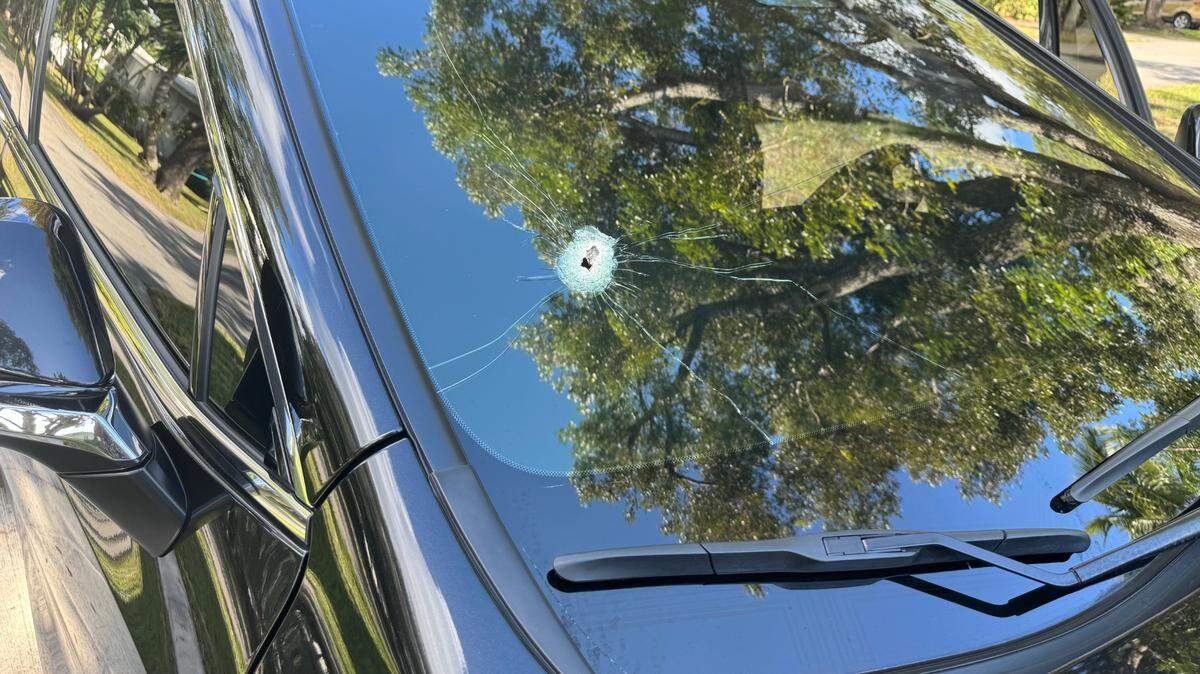
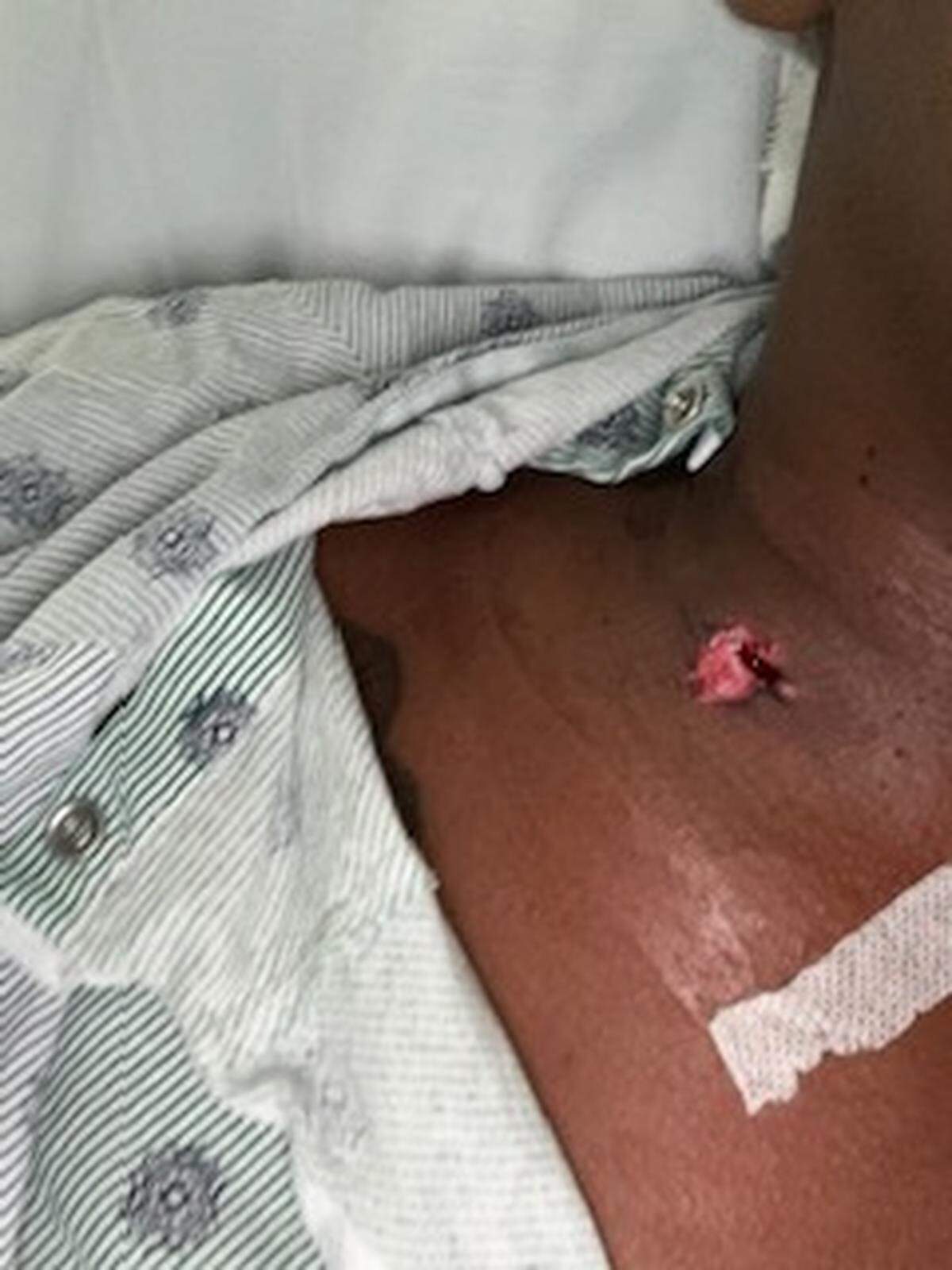
The bullet that pierced the passenger side of the front windshield entered the right side of her neck, narrowly missing her spine. Her son Sam was in the backseat but wasn’t injured.
“Every year at Thanksgiving, I’m thankful,” Dawkins, 34, told the Miami Herald on Tuesday. “This year, I’m extra thankful.”
READ MORE: A mother and son were caught in an I-95 shootout. She was shot in the neck, lawyer says
Dawkins was caught in the crossfire of a road rage incident that had nothing to do with her. Florida Highway Patrol investigators say there was a dispute between people in two other cars driving southbound on I-95 around 6:15 p.m. near the Golden Glades interchange.
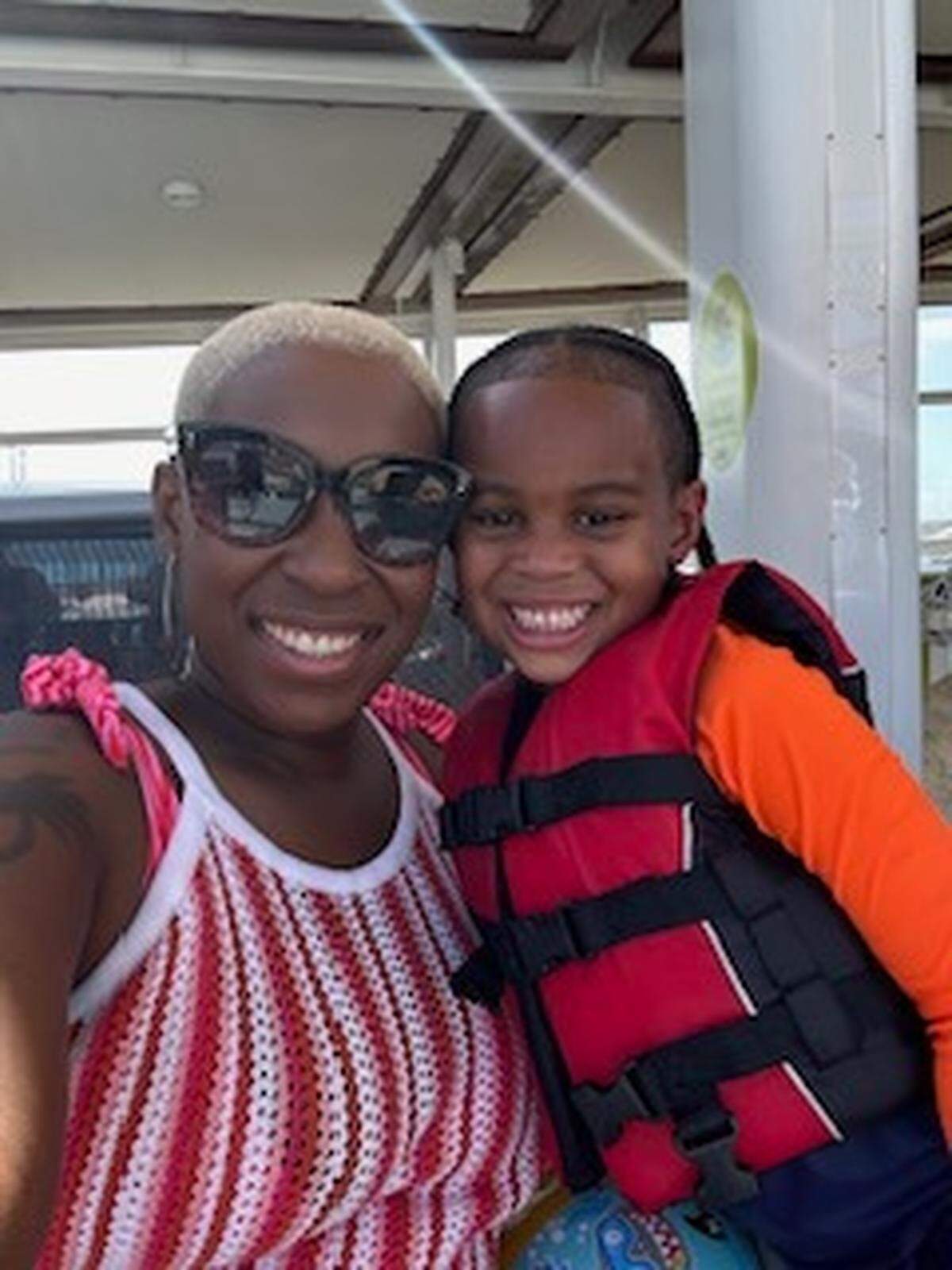
“I was just in the wrong place at the wrong time,” Dawkins said.
There have been no arrests made in the case.
Dawkins said as she saw two cars chasing each other and heard a loud noise “that sounded like fireworks,” she then heard a second noise “and felt glass explode on my head and my life flash in front of me.”
Dawkins said she realized then that she’d been shot. She managed to stay calm and merge over the next express lane into the emergency lane, hearing the two cars engaged in a rolling gun battle, shots continuing to fire.
She then pulled over to the shoulder of the highway behind a Florida Department of Transportation road ranger near Northwest 114th Street.
Dawkins got out of her car and ran to the road ranger, telling him that she had been shot and that her child was in the back seat. He was physically unharmed. She didn’t know where she had been hit until the road ranger said to her, “Grab your neck and apply pressure.”
Dawkins said that’s when the panic started to set in.
Seconds later, FHP troopers arrived and began to help the mother and child, Dawkins said.
She said she “got my terrified son from the back seat, and we both sat down on the ground, and I told him, ‘Hug me, baby, mama might not make it. I love you very much.’”
Miami-Dade Fire Rescue paramedics rushed Dawkins, with her son riding along in the ambulance, to Jackson Memorial Hospital, where she was admitted in critical condition. Doctors found that the bullet missed her carotid artery and lodged behind her larynx in front of her spine. They also determined that surgically removing the bullet would be too risky.
“I have to live with the bullet fragment in my body and am left scared with the memory that will forever haunt me and my innocent child,” Dawkins said. “We were just trying to get home on a busy and extremely dangerous I-95 that does not have any cameras to capture careless/dangerous drivers who have no empathy for other people’s lives.”
Dawkins told the Herald that she doesn’t have too many complications from the bullet but occasionally feels sick from the lead. Sam is doing well but does remember his mother being shot.
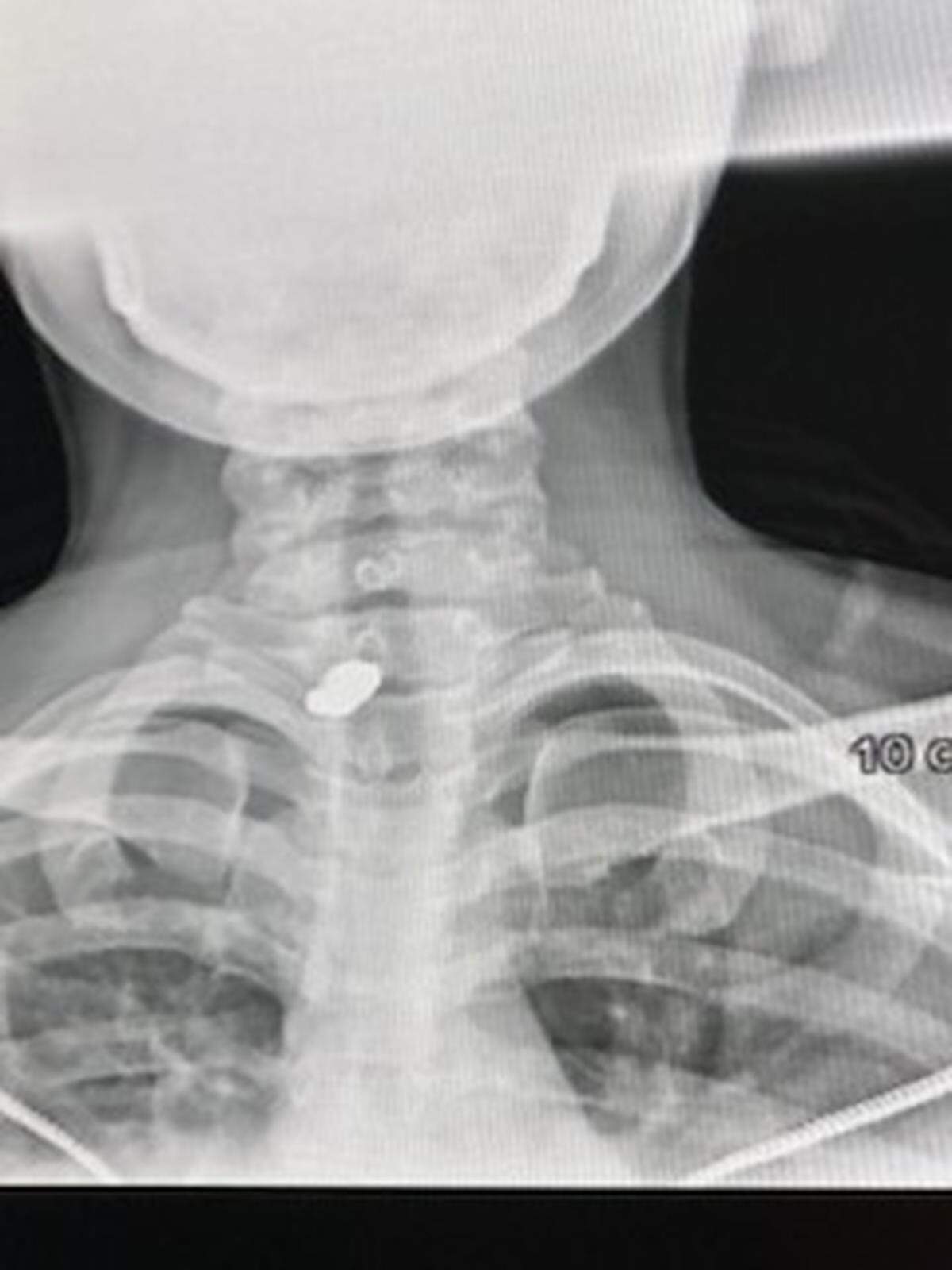
“He says, ‘I was sad when it happened because I thought you might die,’” Dawkins said.
Since the shooting, Dawkins and her attorney Willard Shepard have been trying to persuade state lawmakers to fund more cameras on I-95 and other highways. Unfortunately, shootings and shootouts on the highway are not uncommon in South Florida, and more cameras would aid police in capturing perpetrators, they say.
“These things are happening, and there aren’t enough cameras in Florida on the highways,” Dawkins said.
Adding to the urgency for more electronic eyes on the road, said Shepard, is the First District Court of Appeal’s ruling earlier this year that the state’s ban on open carry of firearms is unconstitutional. Shepard fears that will mean more people driving around with guns in their cars, leading to similar shootings like the one Dawkins suffered.
“More people are going to be legally carrying weapons,” Shepard said. “This opens the door for these things to happen.”