
Take a look at the upgrades in the county’s new downtown Miami civil courthouse
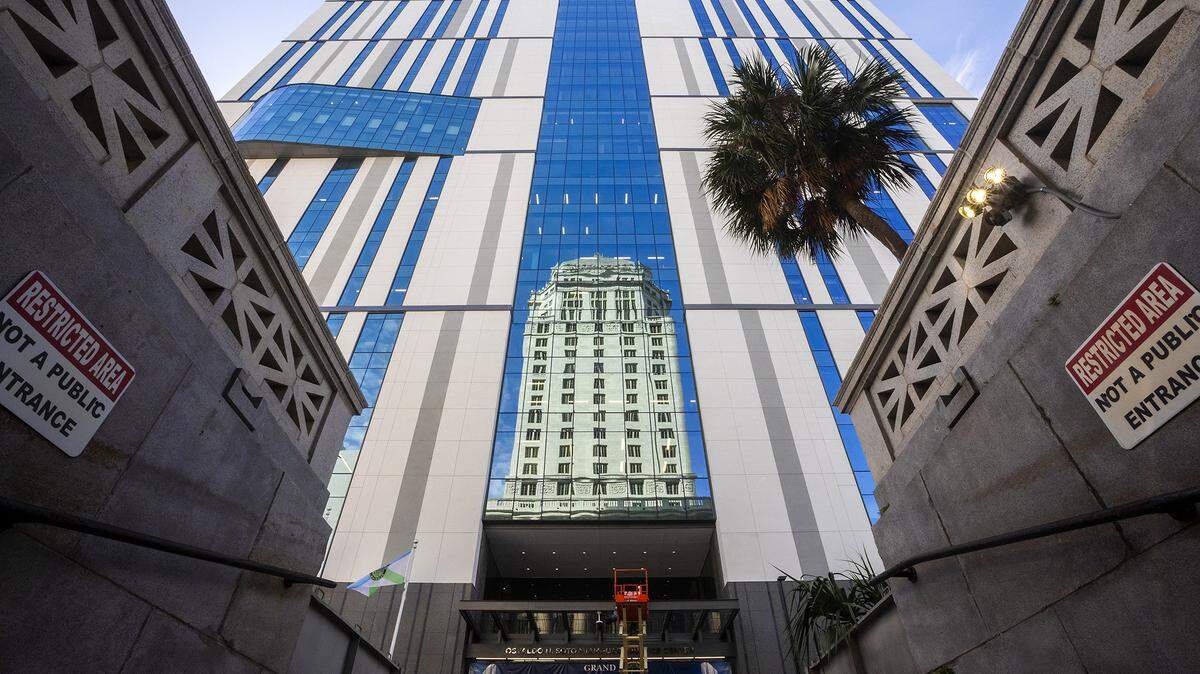
Leaving history behind, Miami-Dade County has a new civil courthouse in downtown Miami. Cramped courtrooms and scarce bathrooms are part of the judicial past, too.
A recent tour of the 25-story Osvaldo N. Soto Miami-Dade Justice Center shows the pricey shift underway for Miami-Dade’s judicial system as it moves civil functions from an austere 1928 landmark that once housed an Al Capone trial to a modern office building with no history but speedier elevators.
Taxpayers are footing the bill for the nicer quarters on Flagler Street, and that tab could be higher than expected. After voters in 2014 rejected higher property taxes to borrow the money needed to build the $282 million complex, Miami-Dade opted to pay for it in yearly installments to a private developer.
Plenary Group financed construction itself and now will run the courthouse in exchange for annual payments that start at about $25 million. Selling the old courthouse was supposed to reduce the strain on Miami-Dade’s budget, but buyers have been scarce, and the county is now planning to put the historic building at 73 W. Flagler Street up for auction.
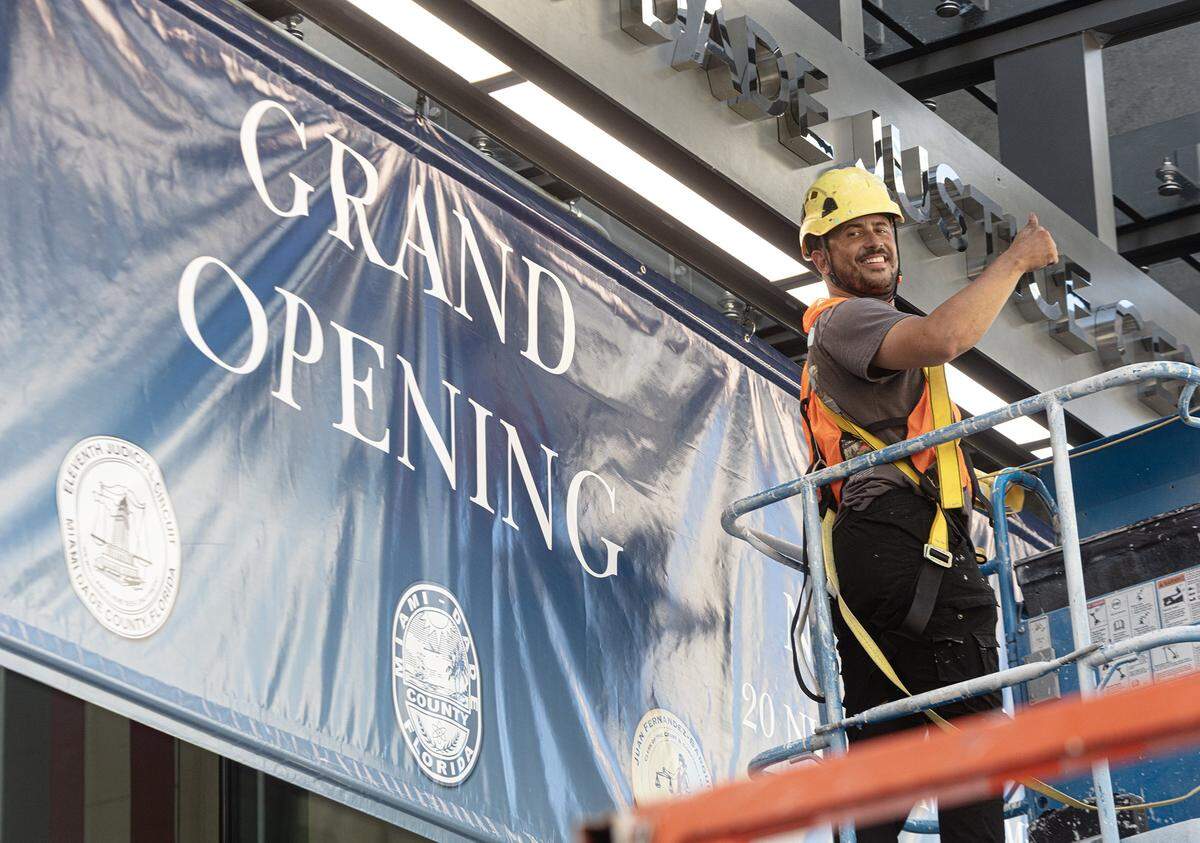
Both buildings will likely be open for the rest of the year and into early 2026 as court administrators move operations across the street from the 1928 building to the one that formally opened Monday with a ribbon-cutting ceremony.
“Today we celebrate a new, healthy building. A masterpiece of necessity,” Sally Heyman, a former Miami-Dade commissioner, said at the afternoon ceremony. Heyman championed construction of a replacement for the aging civil courthouse and its leaky walls, flood-prone basement and deferred maintenance.
The courthouse is named after Osvaldo Soto, a Cuban-American lawyer who led the fight in the 1980s to repeal the county’s English-only ordinance that, among other things, stopped clerks from conducting courthouse weddings in Spanish. He died in 2021. His daughter, Bertila Soto, went on to become chief judge of the 11th Circuit and was the key advocate for getting the new courthouse built during her tenure atop the local court system. At the ribbon-cutting ceremony, Soto said she couldn’t believe the opening had finally arrived. “Today fills my heart and the heart of my entire family,” she said.
The new courthouse’s official address is 20 NW First Ave., but it sits on Flagler Street with the old courthouse as its neighbor. Here are six upgrades visitors of the new courthouse can expect:
No more taking the stairs to use the bathroom when at court
When local judges campaigned for a new courthouse, bathrooms were a big part of the sales pitch. The existing 1928 building only has restrooms on certain floors, leaving visitors and employees to wait for an elevator or dash into a stairwell to use the facilities. The new courthouse has public restrooms on each floor.
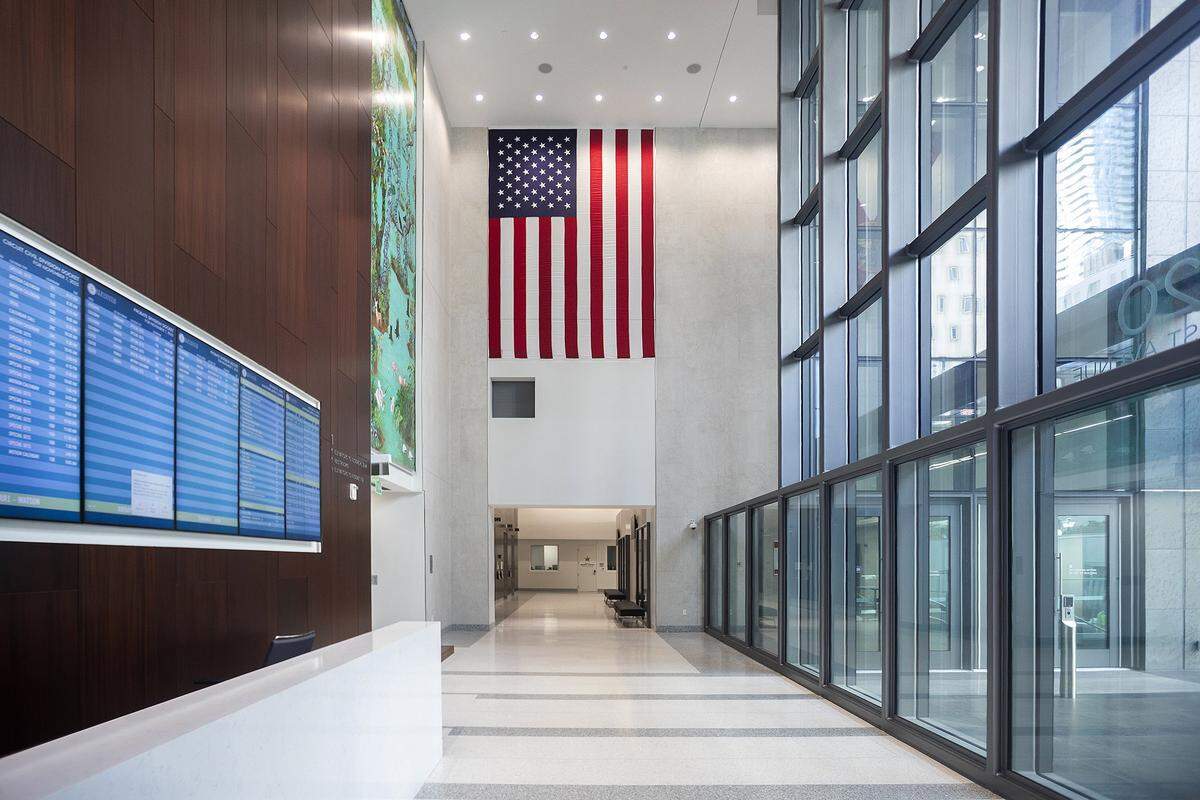
Digital technology to help you find your way
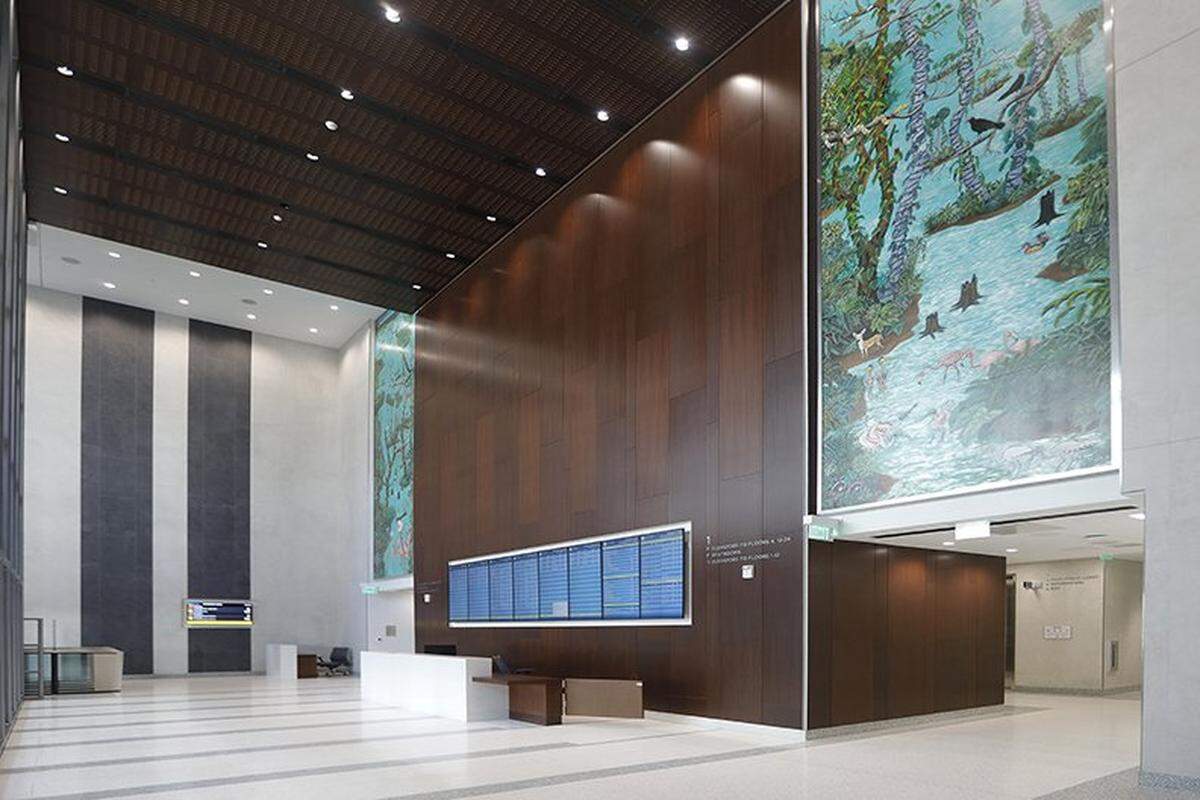
The ground-floor lobby has large digital displays showing each judge’s assigned courtroom for the day and a summary of the schedule there. Courtrooms have similar panels outside them, too.
Lunch options while trial is on a break without going through security
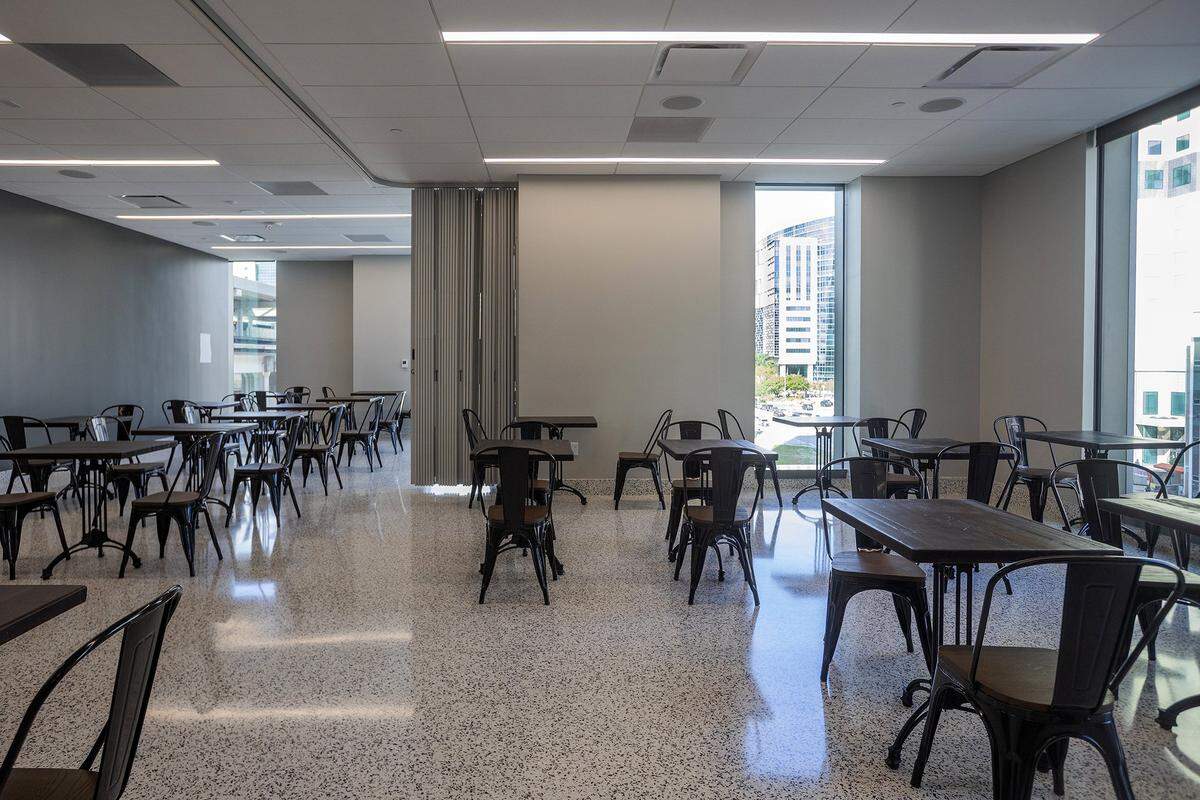
While the old courthouse has a ground-floor snack bar, the new one is opening a cafeteria on the 11th floor that plans regular coffee-break fare plus hot meals daily.
Modern technology means quicker elevators for courthouse visitors
Central control pads by the elevators are designed to make trips more efficient by routing the smallest number of stops based on floor selections.
Roomy courtrooms. And no columns to get in the way
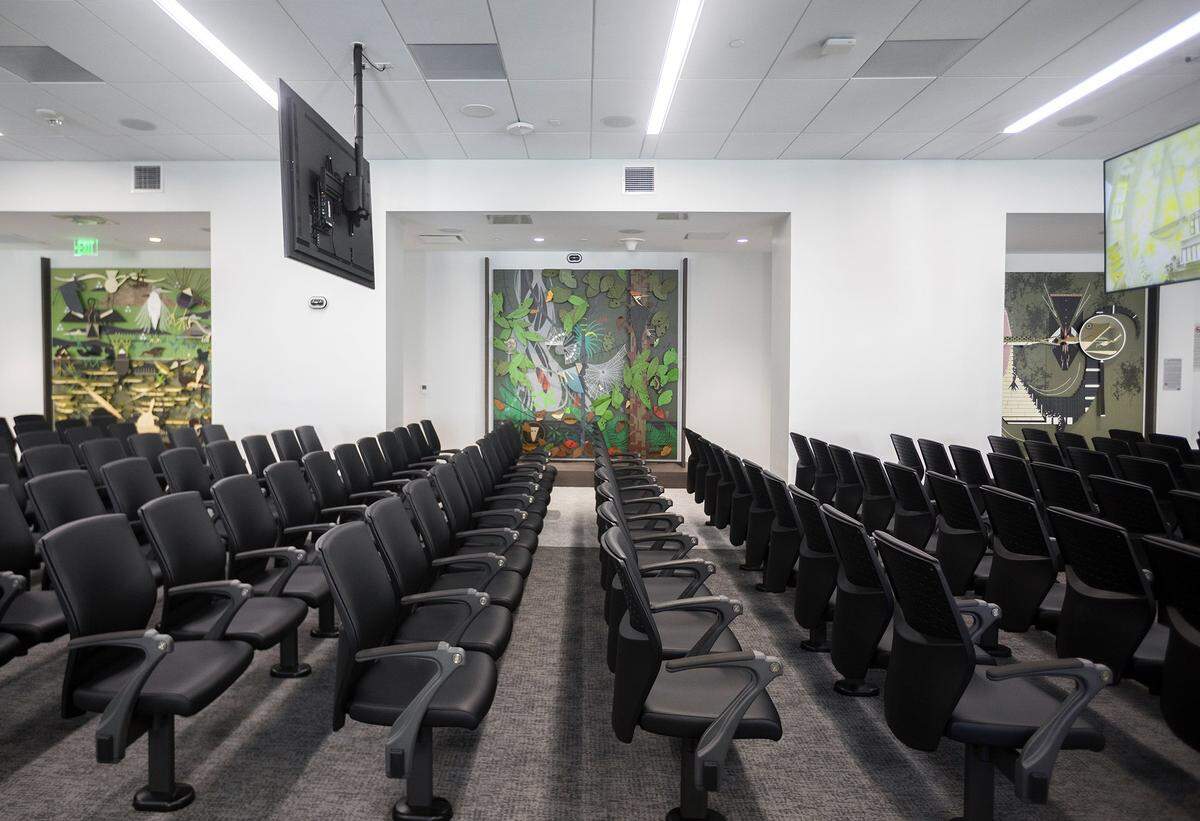
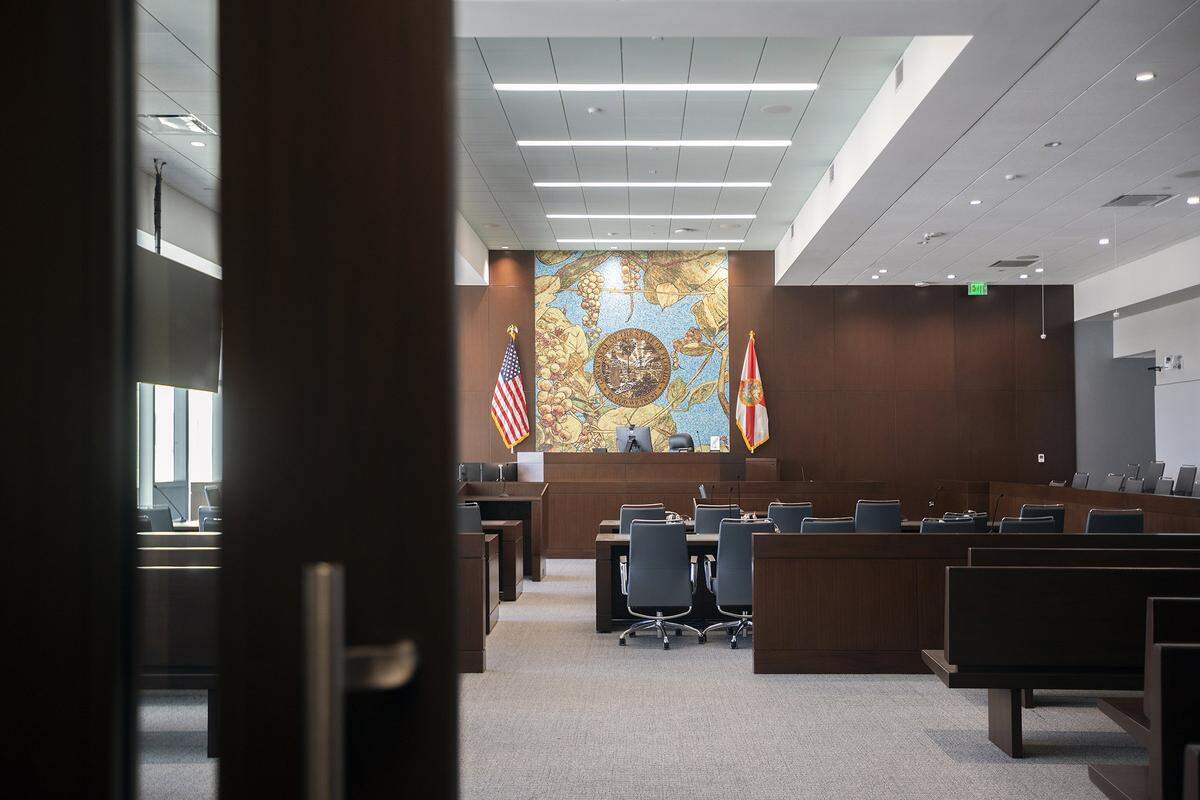
Decades of retrofitting the 1928 courthouse resulted in some awkward layouts for smaller courtrooms. A top gripe from lawyers focused on interior columns that forced some attorneys to crane their necks to see jurors during a trial. The 46 courtrooms in the new courthouse — double the active courtrooms that are in the 1928 building — have clear floor plans and unobstructed views.
Wide views of downtown from Miami-Dade’s new courthouse
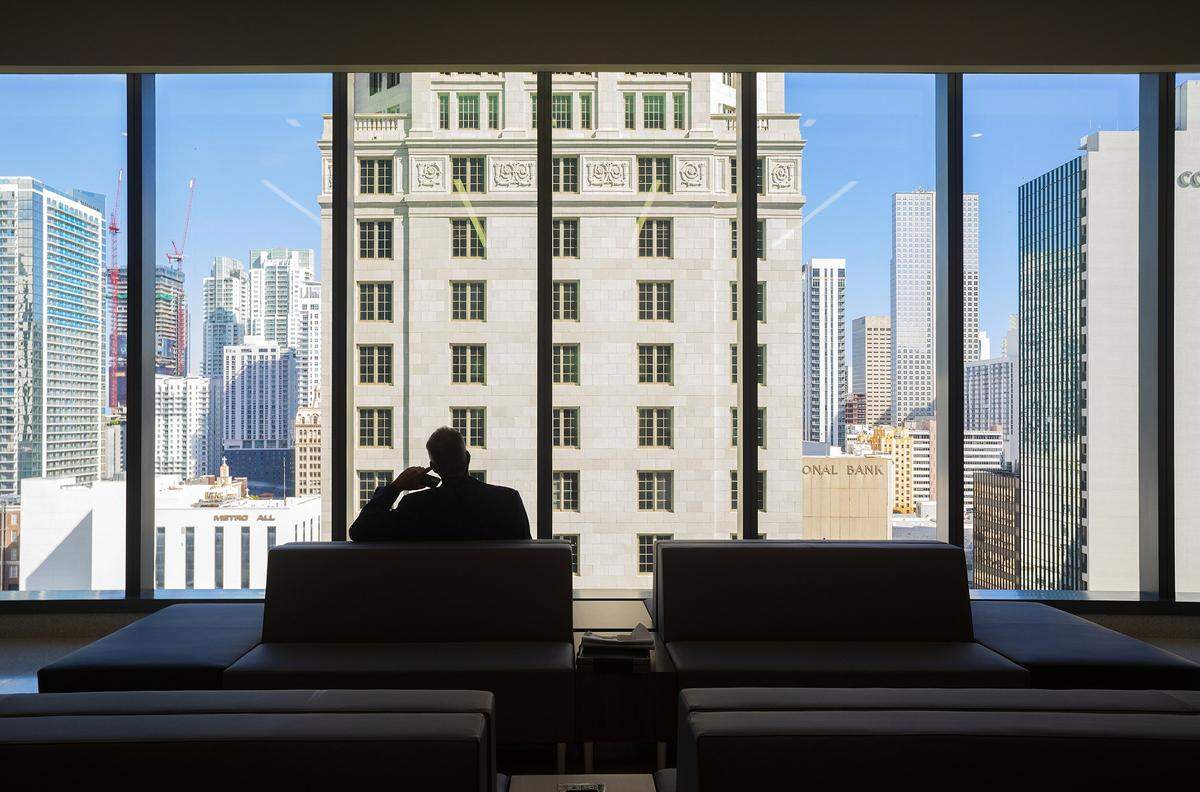
While the 1928 building had narrow, paned windows that were standard in Capone’s day, the new building makes better use of wall-sized glass. That means a broad view of downtown outside some of the courtrooms, where cushioned benches offer a comfortable place to sit. The main view: the west side of the 1928 courthouse.
This story was originally published November 10, 2025 at 4:59 PM.