
Will Miami-Dade’s new transit line be a hit with commuters? Five things to watch
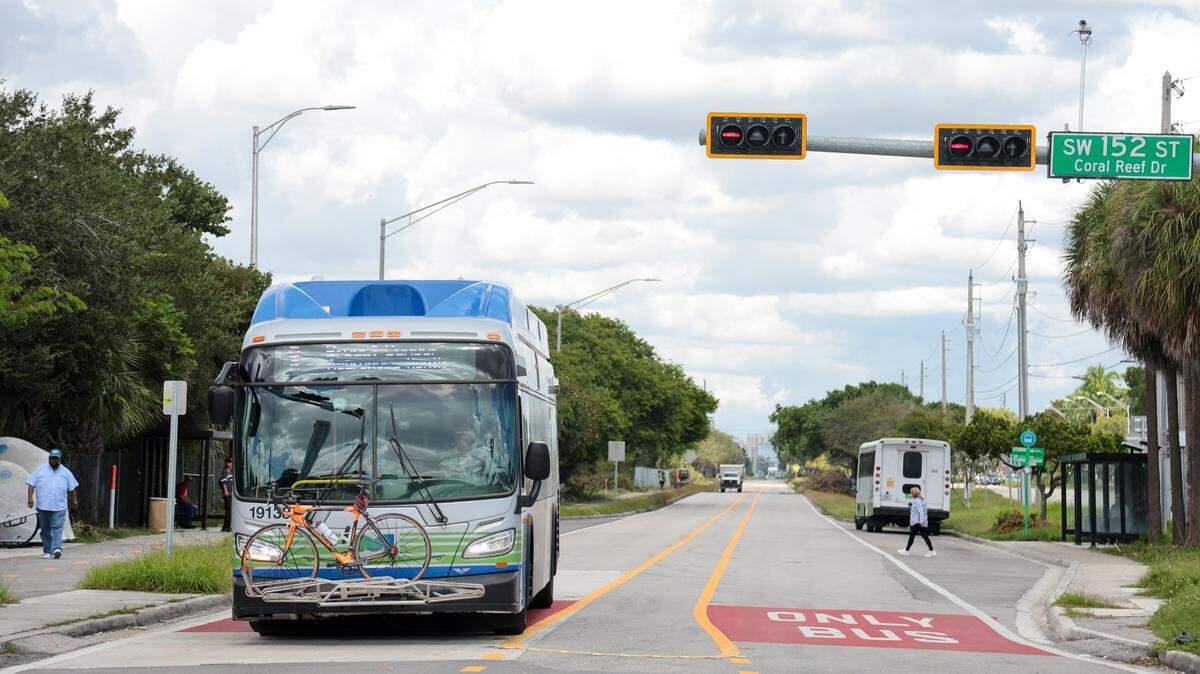
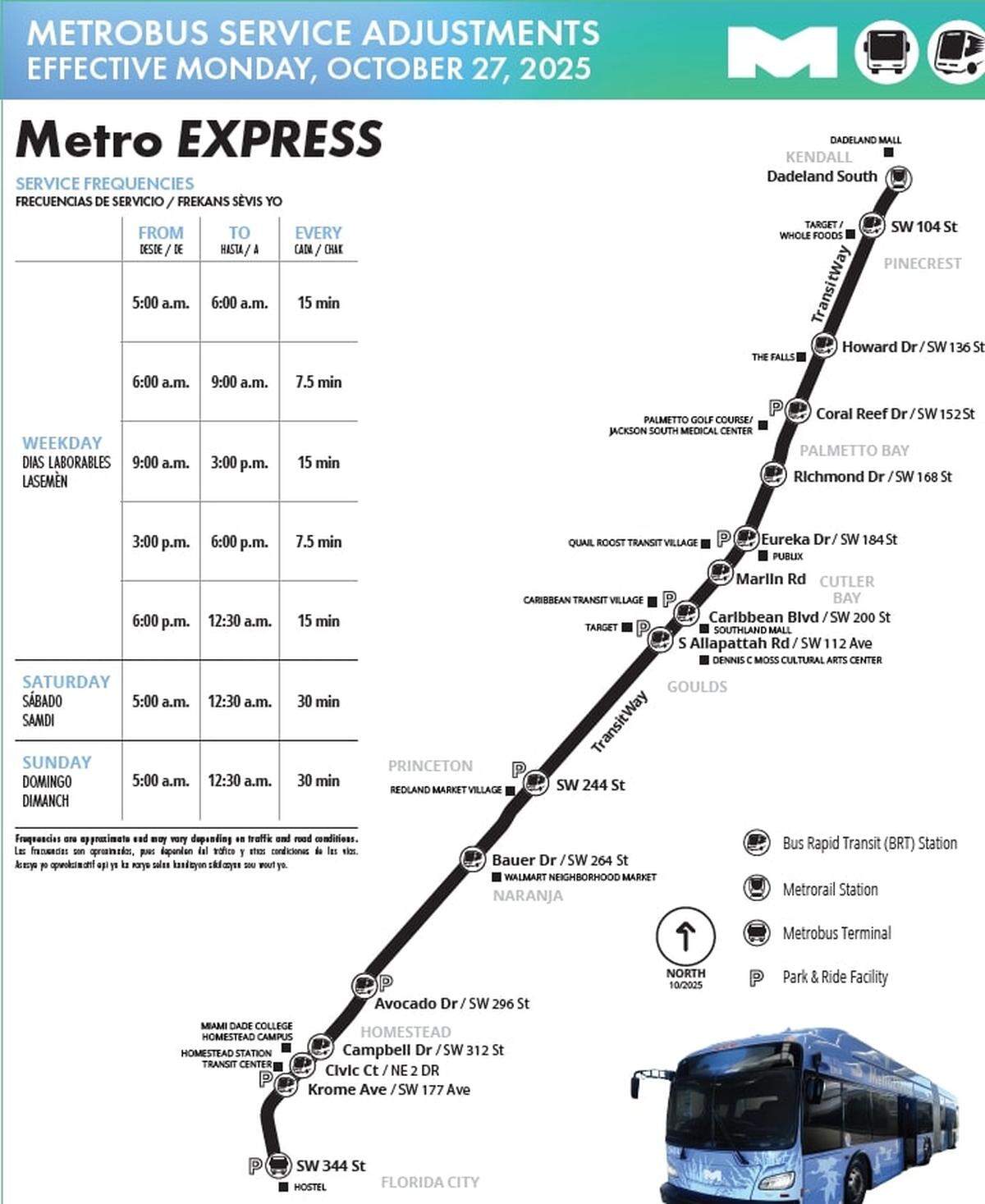
On Monday, Miami-Dade will roll out its first new transit line since Metrorail opened its Miami International Airport station in 2012. But the $300 million project launching next week isn’t a train — it’s a 20-mile rapid-transit bus line on U.S. 1 with upgraded boarding technology and crossing gates at intersections designed to make bus commutes faster and more convenient.
The stakes are high once the Metro Express line begins service between Florida City and the Dadeland South Metrorail station. Electric buses will run along the existing dedicated lanes of the county busway. They run parallel to U.S. 1, one of the county’s most gridlocked commuting routes.
Should ridership increase, the new “BRT” line (short for Bus Rapid Transit) could build momentum for Miami-Dade to invest in transit upgrades elsewhere at a time when multiple rail projects are stalled. If South Miami-Dade commuters shrug at Metro Express, county leaders will be left having to explain why Washington and Tallahassee should back other transit projects when riders failed to embrace this one.
“This is a new era,” Miami-Dade Mayor Daniella Levine Cava said this week at a ceremony celebrating the new bus route.
Will commuters agree? Here are five upgrades to track once service begins:
The buses board like trains. Will that speed things up?
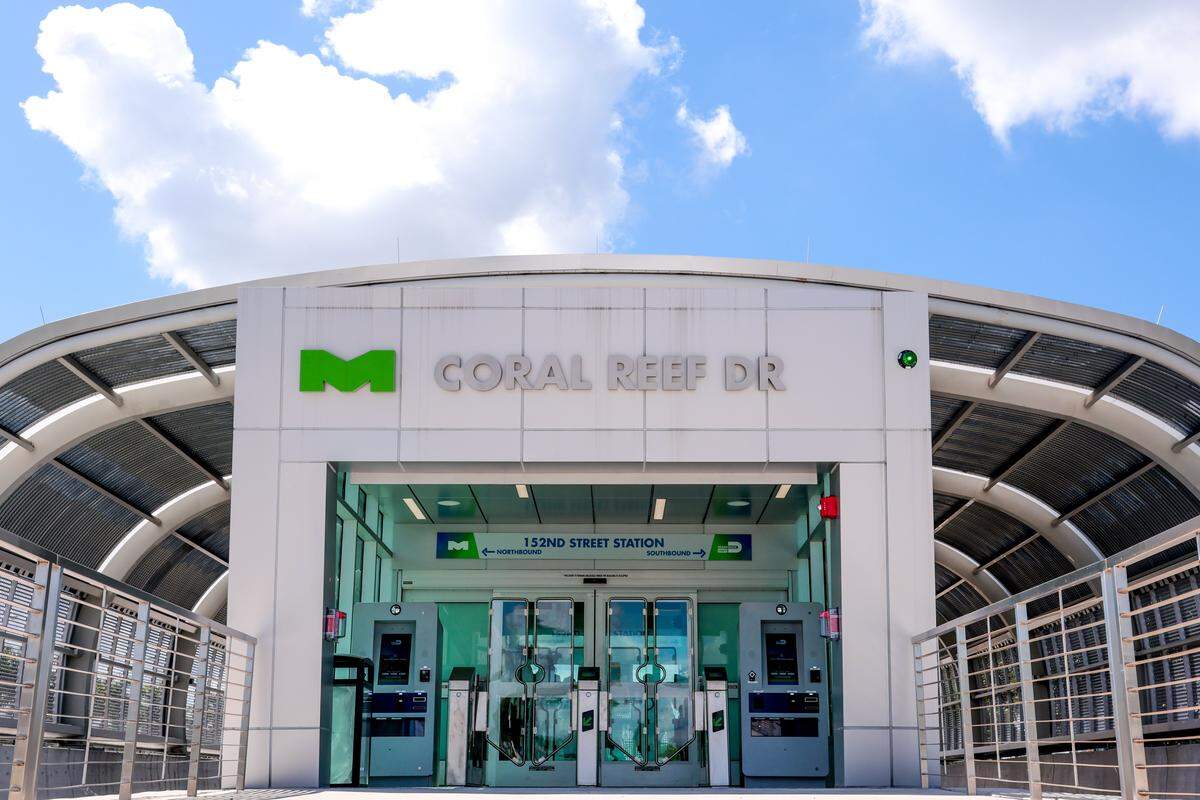
While Miami-Dade’s existing bus fleet charges passengers as they board in the front — either by inserting bills and coins into the fare box or paying electronically — the 14 new BRT stations require payment ahead of time. Before passengers enter the station, they’ll have to pay the $2.25 fare, just as Metrorail riders do. That should mean much faster boarding on the new electric buses — including from the front and rear doors, which are level with the elevated station platforms.
Can shade, shelter and air conditioning attract new riders?
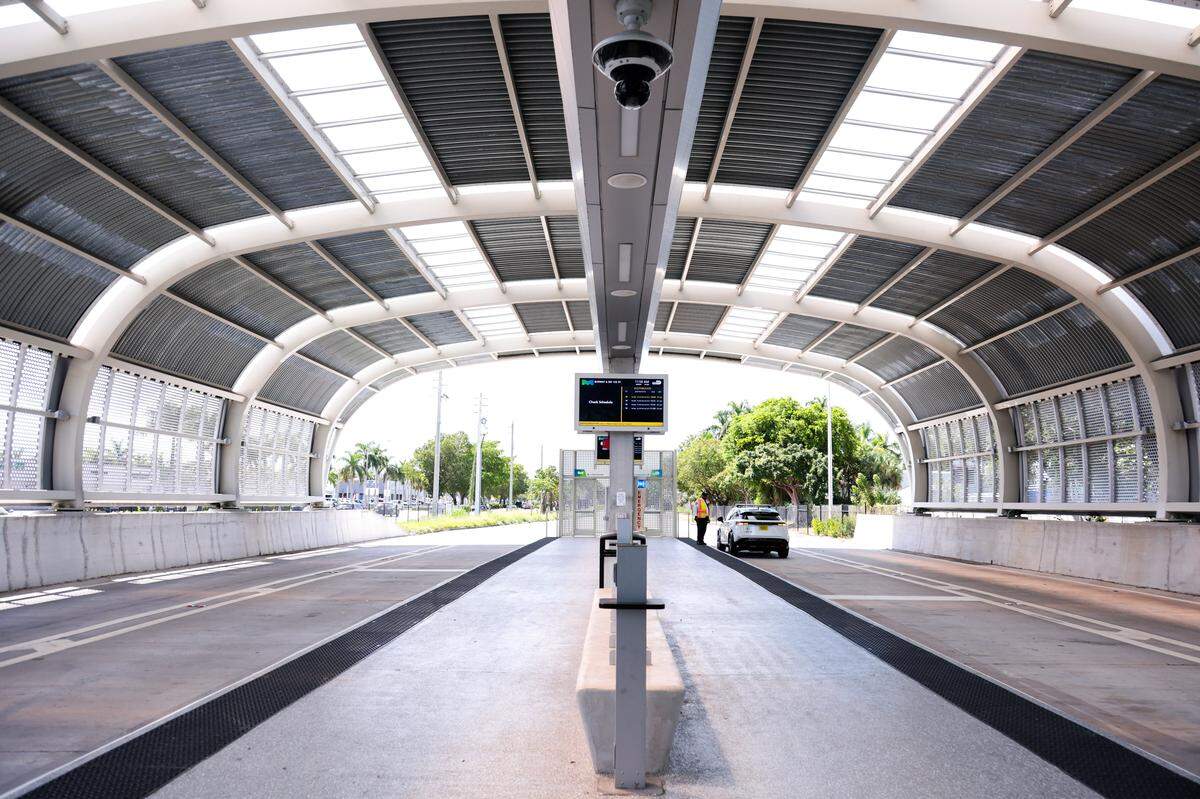
When Miami-Dade government leaders approved the rapid-transit line in 2018, a requirement was that the buses run between stations designed to be comfortable. The result are hangar-like boarding areas that are open air but also fully protected from both sun and rain. The vestibules that connect the ticketing entrance with the boarding area also have air conditioning. That could help with a key goal of the new transit line — persuading people who commute by car to give a more comfortable bus experience a try.
County commissioners approved the project when Carlos Gimenez, now a Republican member of Congress, was Miami-Dade mayor.
At the ceremony, he noted the BRT stations can be converted to rail stations if a spike in bus use makes Miami-Dade more competitive for the big federal grants needed to extend train service south. “Hopefully, this will be the first step,” he said.
Buses get all green lights during rush hour. Is that enough?
While the busway allows buses to avoid the normal flow of traffic on U.S. 1, they still can hit red lights at intersections where side streets meet the highway. The rapid-transit route allows buses to breeze through those intersections with two devices: computer-operated traffic lights in the bus lane that turn green as a bus approaches and gates that block cars from running red lights as the bus goes by.
With the upgrades, county administrators expect buses traveling the full 20 miles during peak commuting times to arrive about 15 minutes faster than they do now.
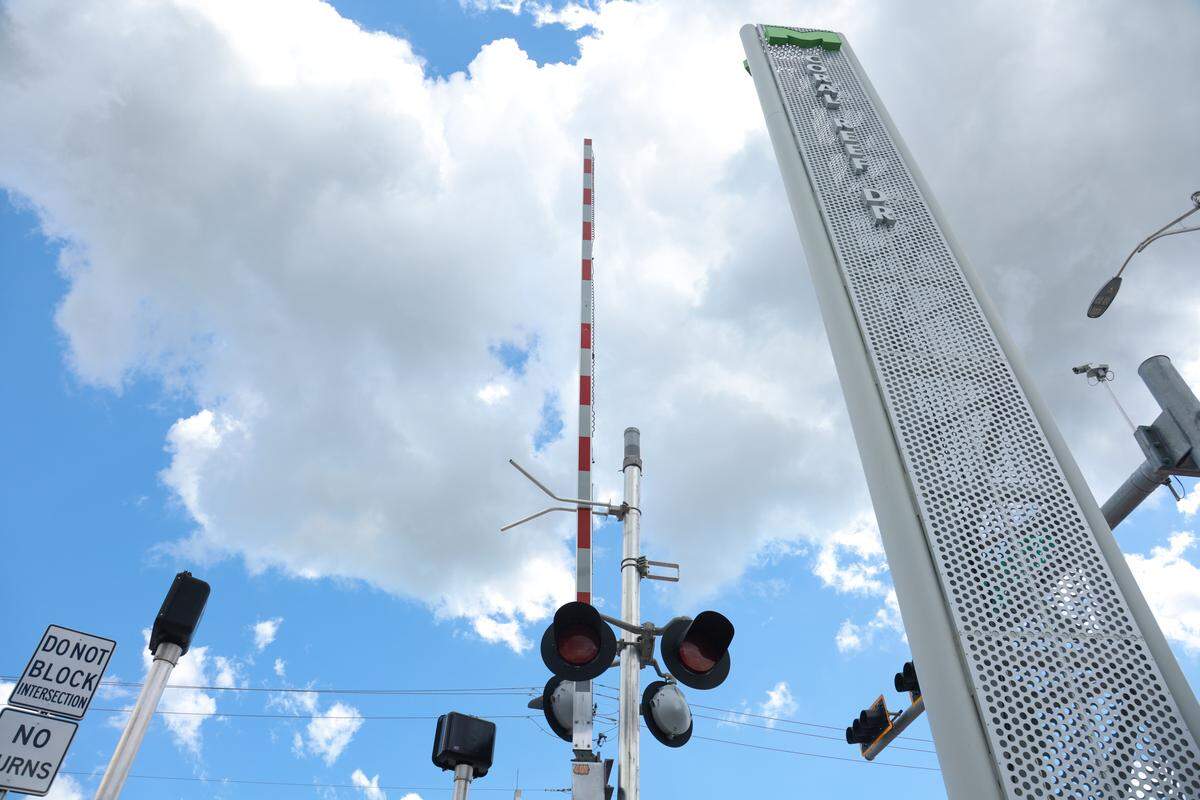
But while the arms will come down at every red light regardless of the time of day, buses will only get automatic green lights during limited rush-hour times during weekdays: 6 a.m. to 9 a.m. heading north and 3 p.m. to 6 p.m. heading south. Buses receive priority at intersections during other times but will still hit some red lights.
Can Miami-Dade sustain shorter wait times for buses?
Along with the physical upgrades at stations and intersections, Miami-Dade will be running more buses on the busway’s express routes. That means shorter scheduled wait times between arrivals. Under the old schedule, wait times were about 10 minutes during rush hour; it will be about seven minutes with Metro Express.
And while the previous standard express routes paused service during the day, the new Metro Express schedule runs all day, with scheduled 15-minute arrivals.
That’s the plan, at least. Maintenance issues with buses and vacant operator positions could force Miami-Dade to deliver later arrivals than what’s laid out in the schedule.
Will existing busway riders feel short-changed by the new routes?
While Metro Express will offer upgrades to commuters heading to Metrorail, the new service also means reworking other local bus routes along the busway. Routes 52, 97, 107 and 287 are being shortened and will no longer make stops along the busway.
This story was originally published October 23, 2025 at 5:00 AM.
CORRECTION: This article was updated with the correct afternoon window on weekedays for the Metro Express buses to receive automatic green lights. It runs from 3 to 6 p.m.