
Out of time: Residents forced to leave their South Florida mobile home park
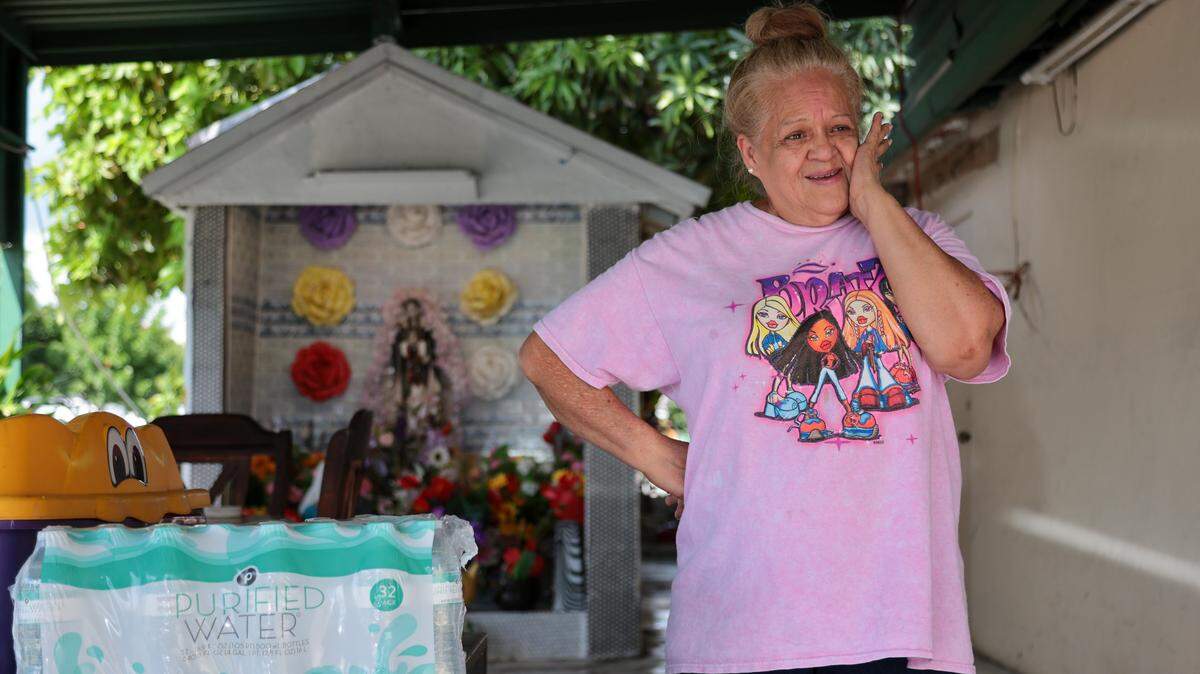
Li’l Abner Mobile Home Park was lifeless Monday afternoon — except for the people forced to leave their homes.
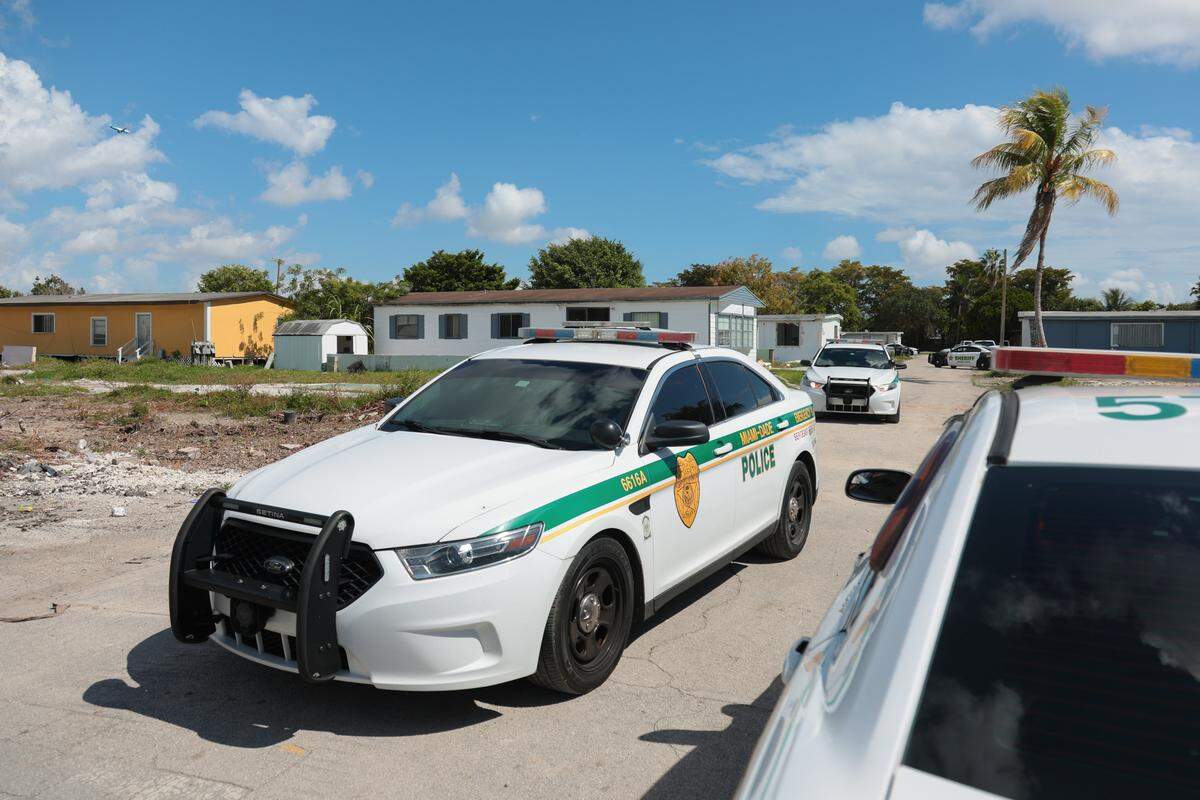
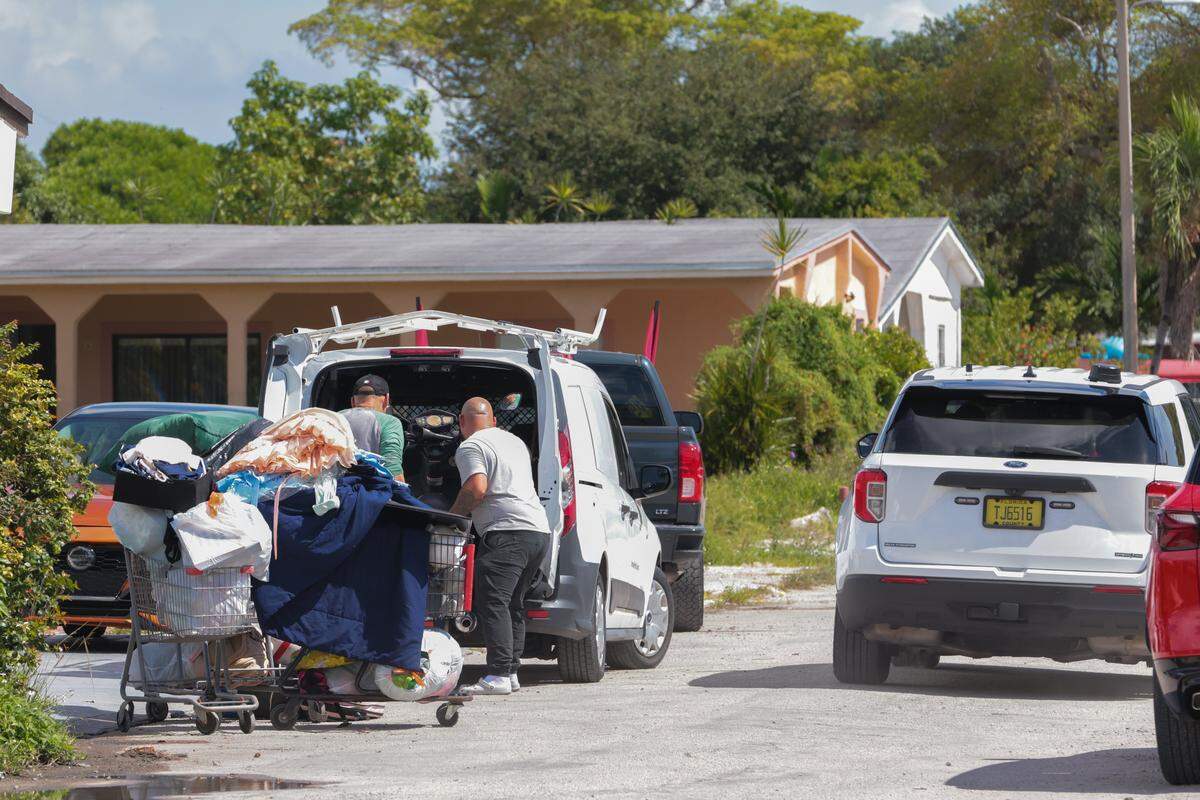
There was no alegria, joy, in the mostly Hispanic community. Police officers patrolled the neighborhood. U-Haul trucks rumbled through the park — for the people who could afford them. Some residents frantically emptied out their places, not knowing their next move.
Notices put on doors said people had to be out by 4 p.m. Tuesday, Oct. 21, a major development in residents’ yearlong legal battle with the park’s owner, CREI Holdings.
Hundreds of residents across 87 households were ordered to vacate their homes Monday — and 90 more mobile home owners will soon be served their writs, the Miami-Dade Sheriff’s Office confirmed.
In November, Li’l Abner’s 3,000 residents woke up to notices to vacate their properties by May 19. CREI Holdings, which has said it intends to develop the land beneath the trailers to build multi-family housing, offered those who left the park by the end of January a $14,000 buyout. Those who vacated by April and May were given $7,000 and $3,000, respectively.
But many of the mobile home owners paid multiple times that maximum buyout figure for their trailers — which are cemented into the ground and not especially mobile. Those sums and the time they were given to find alternative housing just weren’t enough, they argue.
About 210 of them filed a class action lawsuit against the park’s owner, alleging that the park’s ownership didn’t comply with Florida law governing mobile home park evictions. Li’l Abner’s owners reject that notion.
Their legal effort to stay the evictions, though, was unsuccessful, and now the park’s remaining residents will need to figure out where to go.
“Today’s a sad day,” said David Winker, one of the plaintiffs’ lawyers. But the evictions remain on appeal. “The fight continues,” he stressed.
Either way, the remaining residents — many of them low-income seniors — will receive nothing for their trailers.
Data from the U.S. Census Bureau shows the median Li’l Abner household earns $3,666 per month. An estimated 30% of the park’s population lives in poverty, more than double the percentage of people living at or below the poverty line across Miami-Dade.
And now, locked out of their homes, those residents will need to find their way in South Florida’s historically expensive housing market.
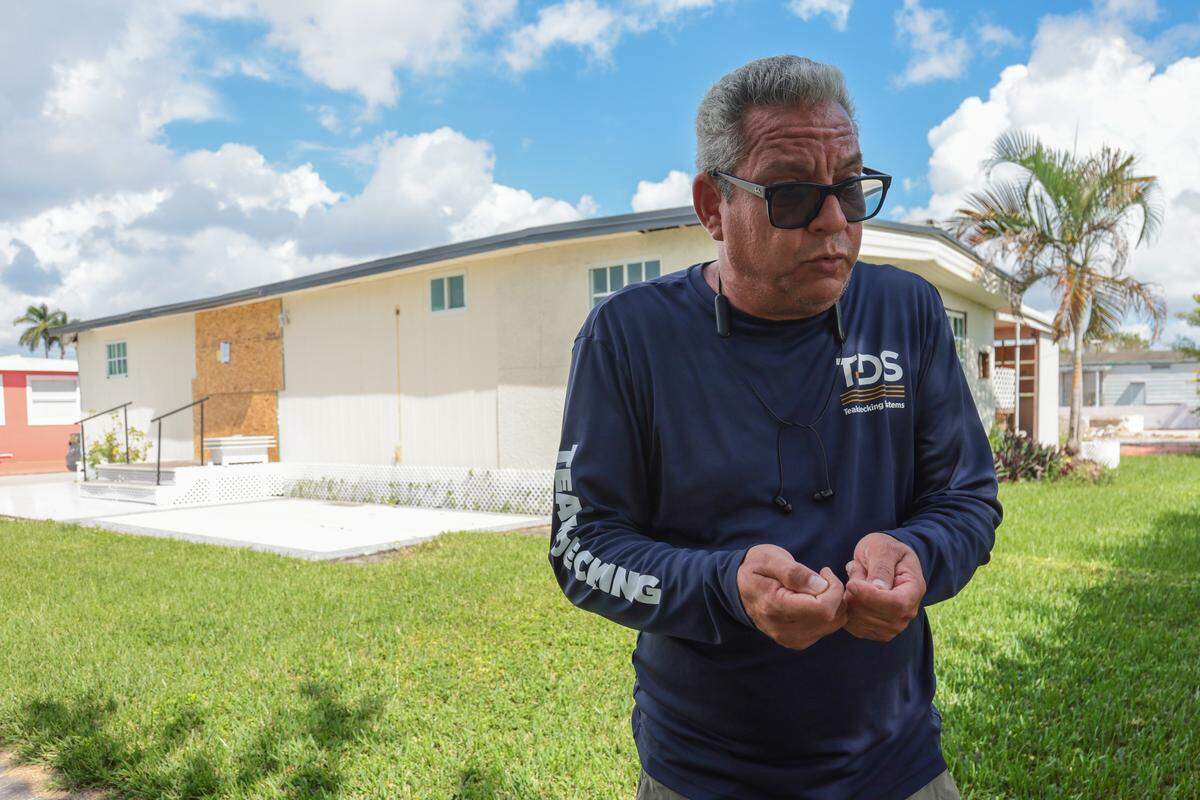
Resident Karel Hernandez was two hours away at his job in West Palm Beach when he got a call that police were in the neighborhood. He was surprised at what he saw when he arrived.
“The police are here locking up homes and I can’t take anything,” said Hernandez, 52.
Alex Lopez 33, is a construction worker who has lived in the park since 2007 with his parents Yolanda, 63, and his father, Santo Varela, 73. Santo has cancer.
“I got to drive him to hospital every two weeks for the chemo treatment,” Alex Lopez said.
Lopez grew up in the park and said that he has never seen Raul Rodriguez, the CEO of CREI Holdings. Meetings between residents and legal support had been held in the neighborhood, but Lopez said that Rodriguez never showed. Rising costs of rent in Miami drove the Lopez family and other neighbors to begin renting out efficiency apartments connected to their trailers. The Lopez family had two efficiencies connected to their mobile home. But once information about a possible eviction got out, those tenants quickly moved.
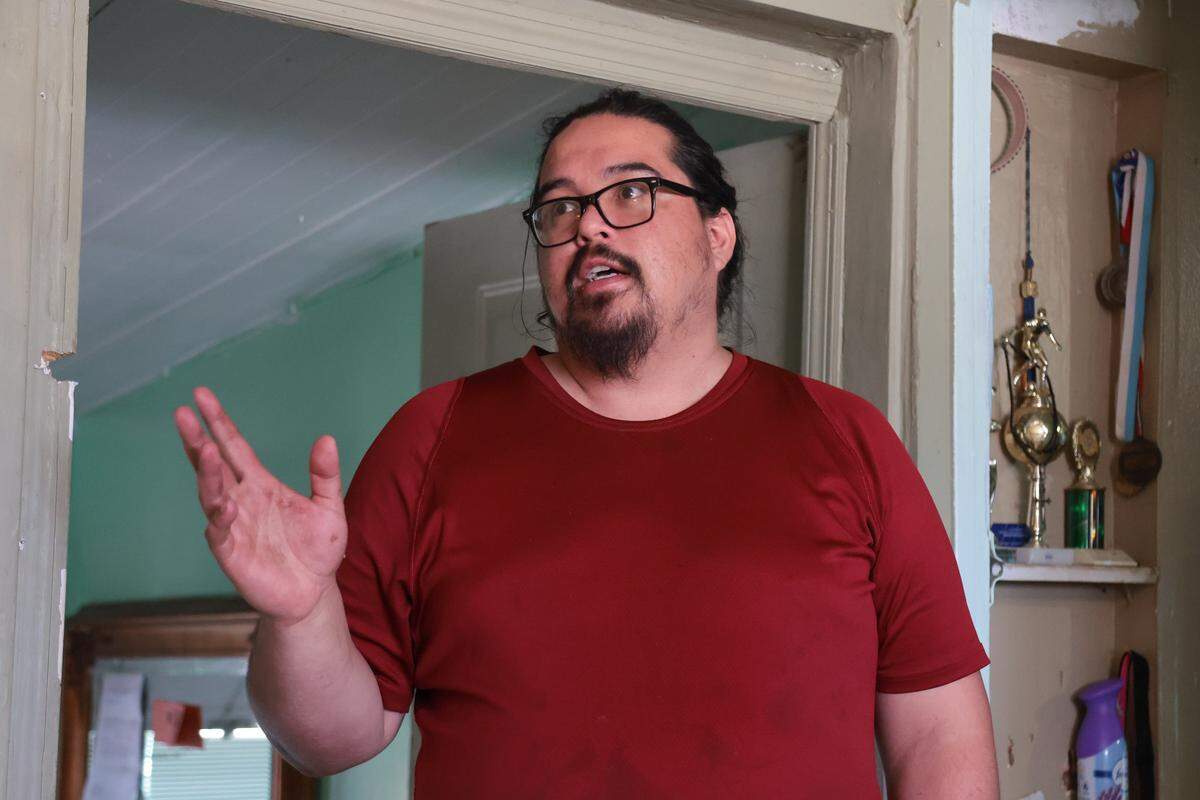
As barren as the mobile park looks during the day, Alex Lopez said that nightfall brings another issue: burglars. Many of the remaining mobile homes are stripped down for parts and materials by thieves, creating a dangerous situation. Some of them take anything they can find, he said.
Hernandez has slept next to his mobile home at night to protect his possessions inside. He retrieved many of his important belongings before his mobile home was shuttered.

Outside of the Lopez home was a life-sized altar to a Mexican version of the Virgin Mary, but Alex Lopez was focused on grabbing the essential items that his family would need.
“Like our documents, our family photos,” Lopez said. “Not big ticket items like a fridge, but just the necessary things to move around.”
Standing outside of his family’s former home, Lopez lamented a former neighbor across the street. The neighbor had spent $10,000 on renovating her mobile home just before the eviction.
Now, the home is vacant.
This story was produced with financial support from supporters including The Green Family Foundation Trust and Ken O’Keefe, in partnership with Journalism Funding Partners. The Miami Herald maintains full editorial control of this work.
This story was originally published October 20, 2025 at 5:48 PM.

%20Cropped.jpg)