
Cuba mystery a century later: Mirta Ojito debuts in fiction with ‘Deeper than the Ocean’
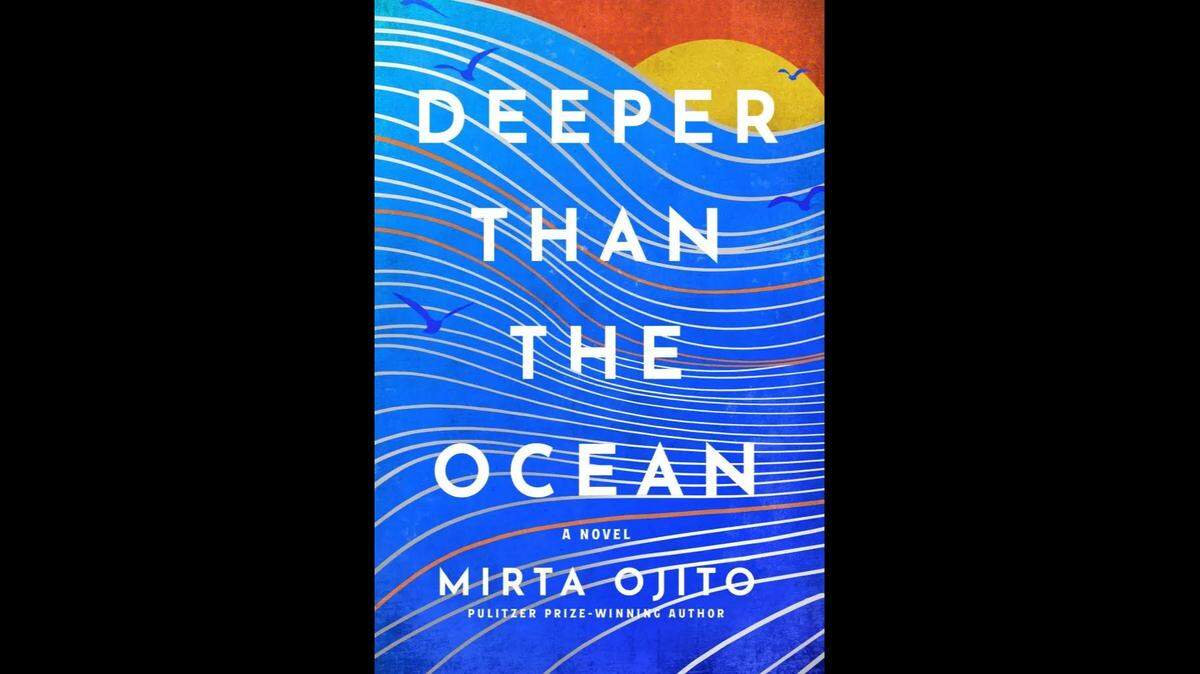
Renowned Cuban-American journalist Mirta Ojito, Pulitzer Prize winner and author of two acclaimed non-fiction books, takes a bold new step in her career with the release of her debut novel, “Deeper than the Ocean.”
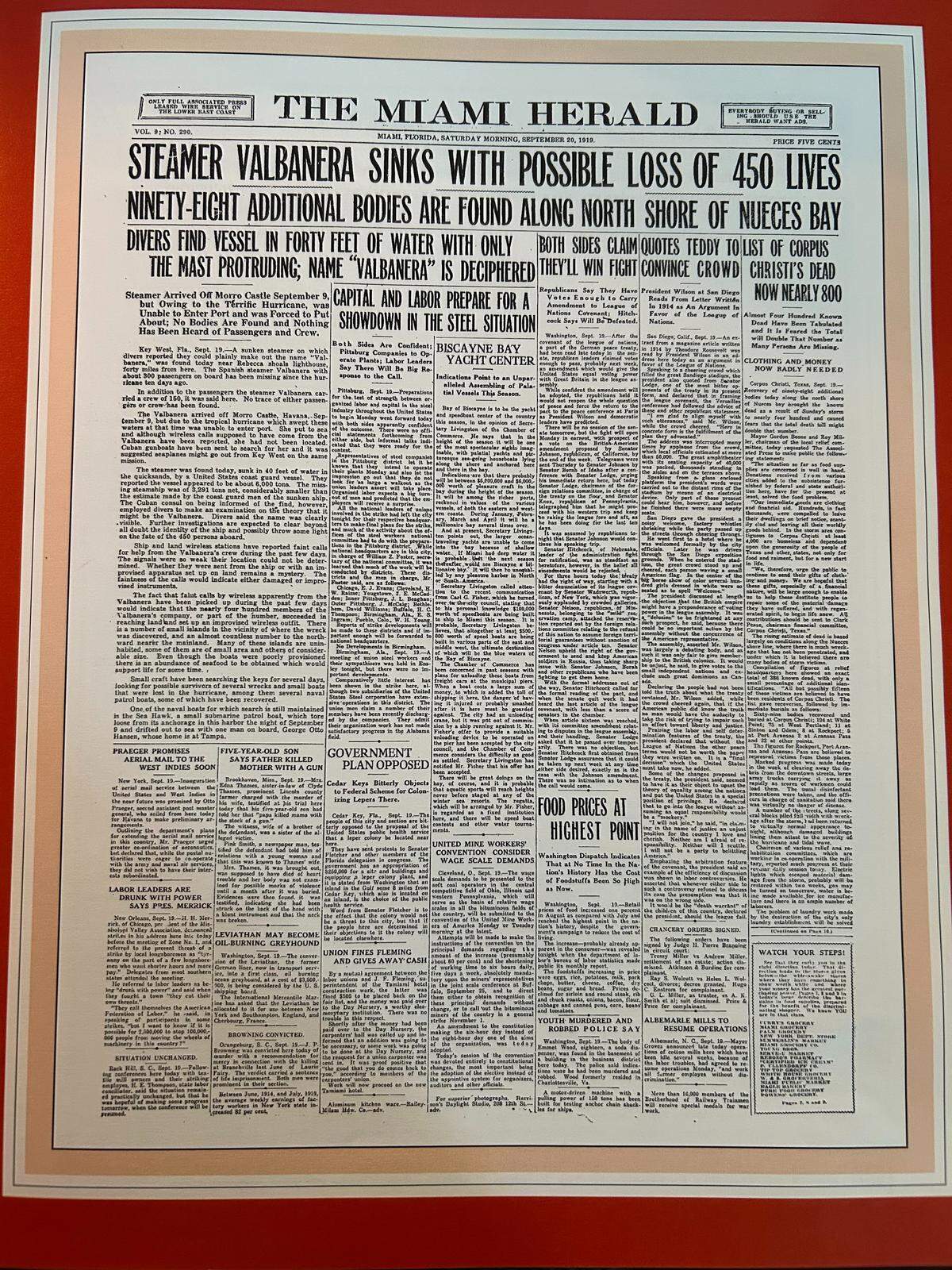
Set between New York, Key West, Cuba and the Canary Islands—and rooted in the historical shipwreck of the Valbanera in 1919, known as the “poor man’s Titanic” — the novel traces an emotional, multigenerational journey through identity, family silence, and the healing power of rediscovered memory.
Through a dual timeline structure, Ojito introduces us to Mara Denis, a freelance journalist who, in the middle of a routine assignment, uncovers a family secret that shakes the foundation of her identity. Her quest to understand who her ancestors really were leads her across oceans and generations in search of truth and self- understanding.
With elegant prose, emotional depth, and the narrative sensitivity of authors like Isabel Allende and Julia Alvarez, Ojito ventures into fiction without abandoning the journalistic precision that defines her voice.
In this interview, Mirta Ojito. a former reporter for el Nuevo Herald and the Miami Herald, discusses her novel, its inspiration and what it means to shift from reporting facts to crafting fiction.
Question: Deeper than the Ocean is your first novel after a remarkable career in journalism and non-fiction. Why did you feel this story needed to be told through fiction?
Ojito: The quick and true answer is that it’s fiction precisely because I continue to work in daily journalism and didn’t have the time it takes to properly research events than transpired more than one hundred years ago. The second reason is that I wanted to try my hand at writing a novel. I’m, more than anything else, a reader, and though I read non-fiction, I read mostly novels. So, I thought, why not? It took me forever, though.
Q: The Valbanera shipwreck is a real historical event, yet in your novel, it triggers an intimate and personal family mystery. What was the process like of researching and transforming that fact into fiction?
Ojito: I got the idea of the novel from a coffee table book I bought in Key West in 2006, when I was promoting my first book, Finding Mañana. That book, titled El misterio del Valbanera or The Mystery of the Valbanera, written by Fernando José García Echegoyen, was very complete. Later, I read other books and articles about the shipwreck, and I relied heavily on their work. I had to do very little original reporting for this book. Mostly, it’s a story that sprung from my imagination and the experience of my family as immigrants from the Canary Islands to Cuba and, later, from Cuba to the United States. This idea of migration through generations is really one of the themes I wanted to explore in the book.
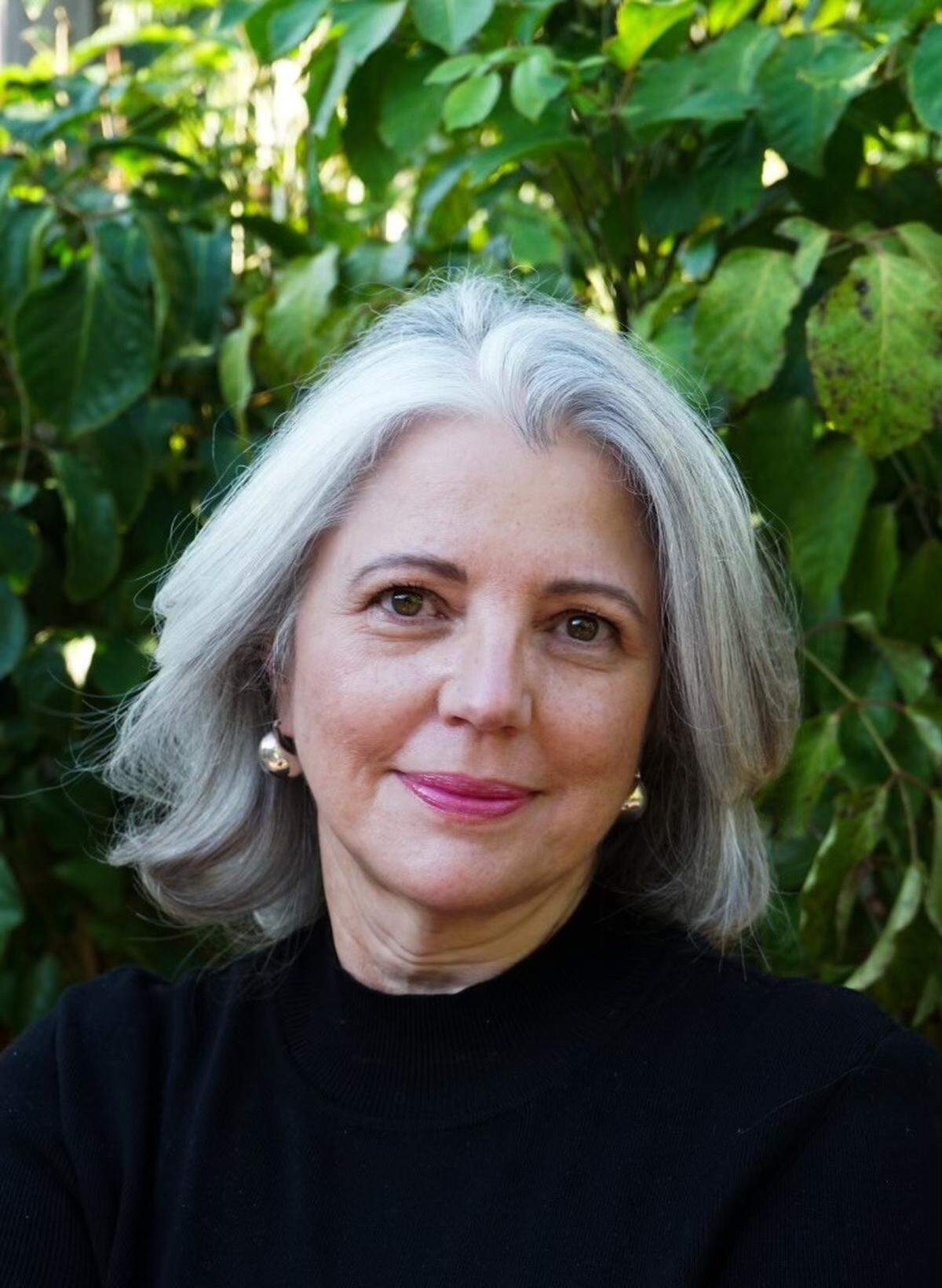
Q: Mara Denis, your protagonist, is a journalist like you. How much of your personal experience filters into her character? What do you share, and where do you diverge?
Ojito: It is said that the first novel of any writer is autobiographical, and this is true in this case. There is a lot of me in Mara, but there is a lot more of my mother’s family in the story of Catalina Quintana, the second voice in this dual narrative. In fact, I gave that character my maternal grandmother’s name. Her family came from the Canary Islands, though I don’t know when or how. The back story of Catalina is purely a work of imagination, but her life in Cuba, in the forgotten hamlet in the countryside where my mother was born, is very real. All the stories my mother told me during her life about growing up in a place called Sabanilla, in Villa Clara, found their way into my book.
Q: The novel moves between different geographies (Cuba, Canary Islands, New York, Key West) and historical timelines. How did you construct that narrative web without losing the emotional clarity of your characters?
Ojito: It wasn’t easy. I created profiles of each of my characters before I wrote a word about them. I knew when they were born, down to the exact day and hour of the day. I knew what they looked like, their mannerisms, the way they spoke, their level of education. And, of course, I knew their stories. Therefore, if at any point, I got confused with the story line, I’d go to a board I had up on the wall with dates and details about each character’s trajectory and story arch. It was sort of a web, but because it was so detailed it was easier to keep clarity as to their motivations, desires, and voices.
Q: The theme of identity—individual, cultural, migratory—has been present in your previous work. What new dimensions did you discover by approaching it through fiction?
Ojito: Fiction gave me the freedom to explore my own personal emotional baggage about immigration. I’ve spent my working life reporting on the lives of others, and, with my first book, a bit of my own, but, in that instance, I used my own childhood and adolescence to tell a larger story about Cuba, the Cuban revolution, and the on and off relations between Cuba and the United States. With this book, I touch on some historical events, but, mostly, this story dwells in the intimate spaces of family, where the true consequences of migrating are felt every day and, often, for generations, as in this book.
Q: Who is the ideal reader you imagined for this novel? And what do you hope readers take away after finishing Deeper than the Ocean?
Ojito: My ideal reader is anyone who wants to be transported by a good story. Beyond that, I don’t have an agenda. If, however, because of this book some readers become more curious about Cuba, or the Canary Islands, or the plight of migrants everywhere, that would be terrific.
Q: In a time when migration, belonging, and family are central to social discourse, do you believe fiction offers a different way of understanding these issues?
Ojito: I think fiction might make it more approachable, more palatable for those who are saturated by the relentless pace of the news. Ultimately, my novel is a book about loves - romantic love, filial love, a mother’s love- that transcend generations, politics and even death.
Q: For readers who want to find the book, where is it available and in what formats can they purchase it?
Ojito: It will be available Nov. 4, basically everywhere where books are sold and it’ll be in print, e-readers, and as an audio book.
Mirta Ojito will present her book at 7 p.m. on Nov. 6 at Books & Books, Coral Gables, and on Nov. 22 at 11 a.m. at the Miami Book Fair.
This story was originally published October 14, 2025 at 11:01 AM.