
What will time change do to our sleep? See details on ‘falling back’ in Miami
AI-generated summary reviewed by our newsroom.
- Clocks fall back one hour at 2 a.m. on Sunday, Nov. 2, marking standard time.
- Earlier sunrises and earlier sunsets follow in Miami until March 2026 shift.
- Daylight saving time sparks debate over energy savings, safety and disruption.
Daylight saving time ends at 2 a.m. Sunday, Nov. 2. We’ll turn the clocks back an hour — fall back — and return to standard time until next March.
So, what does that do to our sleep?
Here’s what to know about the time change:
How your sleep is affected

Whether you love or hate a time change, we get a break this time around. We’ll gain an hour’s sleep as we turn back the clock. That’s an hour of sleep we lost when we did a “spring ahead” earlier this year.
When do we fall back and spring ahead?

Standard time in 2025 starts at 2 a.m. Sunday, Nov. 2, when clocks will turn back one hour.
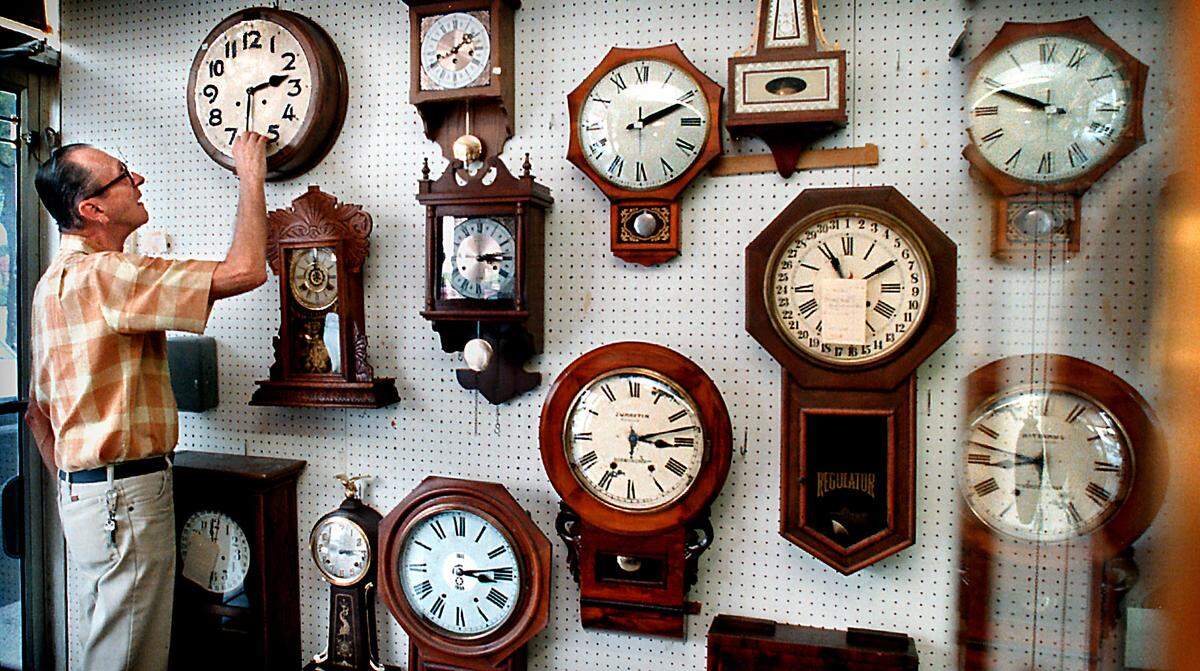
Your phone and computer will change the time automatically, but remember to turn your other clocks back an hour, including the oven and microwave, your watch and grandfather clock, before going to sleep on Saturday night, Nov. 1.
In 2026, daylight saving time returns at 2 a.m. Sunday, March 8.
What’s the time change fallout during morning and evening?

When the clocks fall back an hour, it’ll be lighter earlier in the morning and darker earlier in the evening..
Sunrise and sunset times in Miami when we change the clock:
When we move the clocks forward at 2 a.m. Sunday, Nov. 2, sunrise in Miami will be at 6:30 a.m. and sunset will be at 5:38 p.m.
Monthly sunrise and sunset times in Miami until next March:
- Dec. 2: 6:51 a.m. sunrise, 5:29 p.m. sunset
- Jan. 2: 7:08 a.m. sunrise, 5:42 p.m. sunset
- Feb. 2: 7:04 a.m. sunrise, 6:05 p.m. sunset
- March 2: 6:43 a.m. sunrise, 6:23 p.m. sunset
Why do we tinker with the clock?
Saving energy: Daylight saving time is all about a desire to save energy by extending sunlight later in the day during spring and summer. A study conducted by the U.S. Department of Energy found that the four-week extension of daylight saving time in 2008 saved about 0.5% of the nation’s electricity per day, or 1.3 trillion watt-hours —which is enough to power 100,000 households for an entire year.
Safety: Studies have also shown that the extra hour of daylight has resulted in safer roads, lower crime rates and economic benefits.
Opposition: Critics, however, say additional dark mornings could lead to grogginess for commuters and parents who drive their children to school, especially in the winter months.
Disruptions: Other concerns about daylight saving time included disruptions to harvesting schedules for farmers, interference with religious observances based on solar and lunar time, and potential delays in reworking computer systems programmed to switch twice a year.
What are the origins and opposition to the time change?
The start: One of America’s founding fathers, Benjamin Franklin, is often credited with the daylight saving time idea. Franklin wrote a 1784 essay about it as a way to conserve the need for lamp oil, while New Zealand entomologist George Hudson came up with the modern-day concept in 1895, so he had more daylight to look for bugs.
Wartime: But the idea didn’t gain traction among U.S. lawmakers until World War I, and then in World War II as a wartime measure. The Uniform Time Act in 1966 made the change in time an annual passage throughout the country.
School: And while proponents want to stop changing the clocks twice a year, opponents — mainly parents and teachers — argue that a permanent daylight saving time means darker mornings and increased safety risks for children heading to school, whether it’s new teen drivers on the road or students walking to a bus stop or nearby school.