
Miami-Dade commissioner works for a nonprofit, pushes for wider charity funding
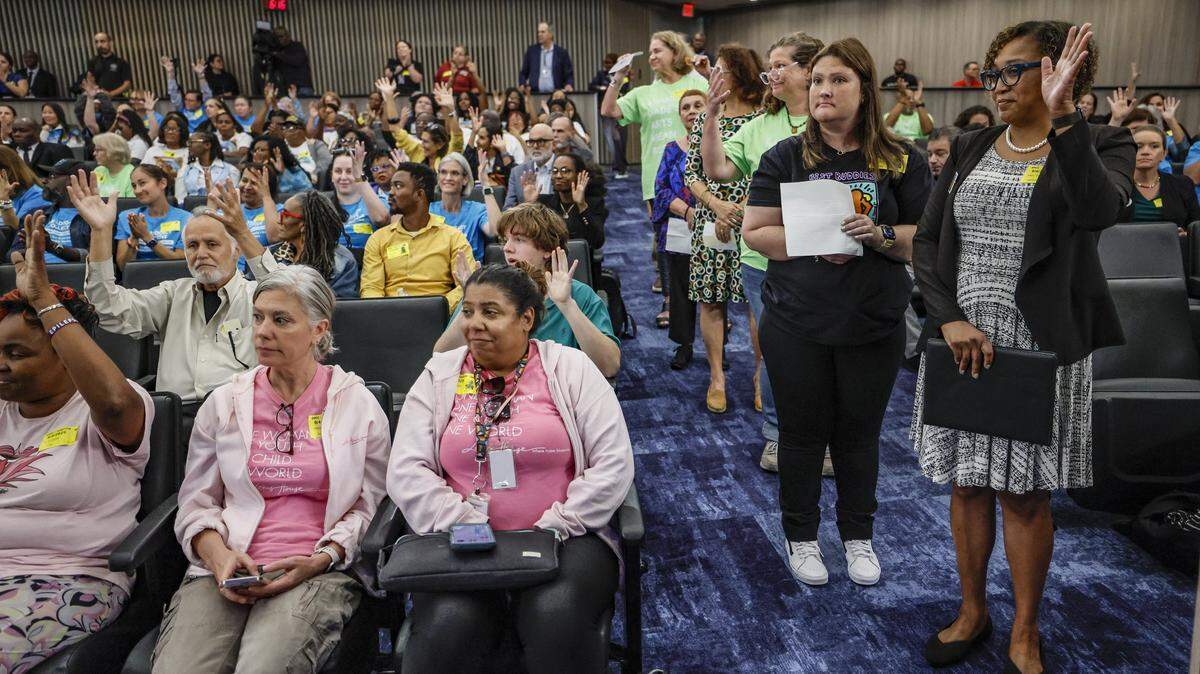
Local charities have a champion this year in Miami-Dade Commissioner Kionne McGhee, who recently proposed creating a new stream of government revenue to support nonprofits that use county money to help provide social services.
That’s a category that includes his employer, Children of Inmates, a well-known charity that tries to keep imprisoned adults connected with the sons and daughters they’ve left behind across Florida.
Children of Inmates is expected to receive $250,000 in the 2026 county budget set for a final commission vote after a 5 p.m. public hearing on Thursday at the Stephen P. Clark Center in downtown Miami.
McGhee’s job with the established nonprofit isn’t a secret for the part-time commissioner on a county board where outside employment is allowed.
He lists his nearly $100,000 salary from the charity in state-required disclosure forms and earlier this month announced that, because of his job, he needed to recuse himself from voting on legislation with the Children of Inmates funding in Mayor Daniella Levine Cava’s proposed budget.
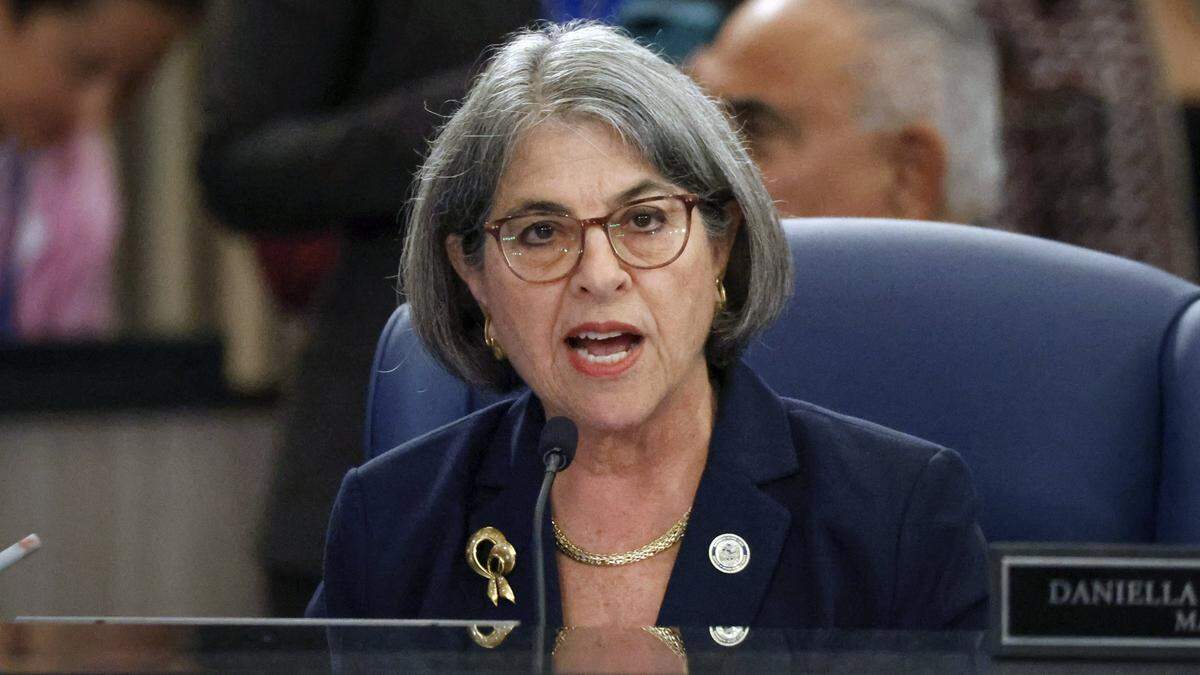
He’s also one of several commissioners who have had to make similar announcements over the years when they’ve worked at county-funded charities.
But it’s his new role as the top advocate for the county’s nonprofit grant funding that has McGhee’s paid work for Children of Inmates potentially overlapping with his legislative agenda.
After charities had to fight Levine Cava’s July proposal to eliminate most nonprofit grants from the county’s strained 2026 budget, McGhee two weeks ago introduced an ordinance to raise new dollars for the groups. McGhee, who is vice chair of the commission, is proposing that 2 cents of every dollar that Miami-Dade pays some private companies for goods and services go toward charitable funding.
The 2% deduction on eligible county payments is expected to raise about $20 million a year for nonprofits if it passes a vote by the full commission later this year. His legislation cleared a preliminary vote on Sept. 3, and McGhee said he won’t be recusing himself from future votes on the ordinance because it doesn’t say which organizations would receive the new money. He said he expects Miami-Dade to have nonprofits compete for the money created by his proposed funding plan.
“There’s no guarantee that there will be funding for any nonprofit that is currently receiving funding now,” McGhee told the Miami Herald this week. “It’s speculative to say what may be.”
For now, charity funding appears safe through most of 2026 after Levine Cava, herself a former nonprofit leader in the Miami area, backed off her initial plan to eliminate county funding for groups collectively known as “community-based organizations” or CBOs.
Her initial budget proposal struck about $40 million for social-services groups, as well as arts organizations that receive yearly allocations from Miami-Dade’s tax-funded budget.
She said the cuts were needed to avoid reductions in core county services like transit and public safety as Miami-Dade grapples with the fallout from state funding reductions and a slowing economy, plus past budget decisions by Levine Cava and commissioners that boosted union workers’ pay and reduced the county’s property-tax rates.
Charity leaders urged Levine Cava to reconsider, as did McGhee and other commissioners. Levine Cava eventually agreed to restore the full funding, crediting rosier revenue forecasts as various county departments and independent agencies reported higher-than-expected surplus figures that could be used to pay for the nonprofit grants.
“We clearly heard our residents’ feedback that funding community-based organizations, which provide vital resources particularly to vulnerable families in need, is a major community priority,” Levine Cava wrote in a memo released last week.
Even so, with a $94 million deficit forecasted in 2027, Levine Cava warned commissioners earlier this month that Miami-Dade would have to use one-time funding patches to bring back charity grants in 2026. “This is not a sustainable solution,” she said during the first budget hearing on Sept. 4.
Warnings like that have made McGhee’s 2% funding proposal welcome news for charity leaders already anticipating another budget fight for tax dollars next year.
“This is what the safety net looks like,” said Miriam Singer, chief executive officer of Jewish Community Services, a charity set to receive nearly $400,000 in Levine Cava’s revised budget for a $1.5 million program that brings meals to people who are elderly and homebound. “We have some seniors whose monthly incomes do not exceed $1,000. How can they live with dignity?”
Singer, a retired purchasing director for Miami-Dade government, said contracting rules mean the McGhee proposal wouldn’t immediately start generating replacement funds for the tax dollars backstopping Miami-Dade’s charity grants. “We’re hopeful the county will continue to fund CBOs for the next two years until a dedicated source of funding is established and funded,” she said, referring to McGhee’s plan.
While the McGhee plan would create a new source of revenue for county-funded charities, the money would still come from Miami-Dade. The county already deducts 2% from eligible contracts to fund its procurement operations.
The McGhee proposal would double that deduction, meaning a county vendor would receive only 96 cents for every dollar Miami-Dade owes the contractor.
Backers of the plan say Miami-Dade contracts are so sought-after that companies will eat the deduction and keep their prices low in order to beat out other bidders for county business. Skeptics predict the McGhee plan will ultimately increase what Miami-Dade pays for supplies and contractors.
“I would think they would just add that into the price,” said Miguel de Grandy, a partner at the Holland and Knight law firm who represents companies bidding on Miami-Dade contracts. “It increases the costs of goods and services.”
McGhee’s plan for a 2% purchasing deduction followed his effort to rally fellow commissioners to hold a special meeting to claw back a $21 million county subsidy of the 2026 World Cup games in order to replenish the charity dollars Levine Cava dropped from her budget proposal. But McGhee didn’t get enough commissioners to agree to the meeting, so he proposed the 2% purchasing deduction as a way to generate nonprofit funding in the future.
“It will be one of the main elements that will be used to fix the CBO” funding situation, McGhee told the Herald. He predicted the 2% purchasing deduction will generate “a substantial amount of money that will whittle down the amount that has to be subsidized by county dollars.”
Last year, four commissioners — Marleine Bastien, Oliver Gilbert, Raquel Regalado and McGhee — had to recuse themselves from votes on charity funding because they worked for nonprofits receiving county dollars.
This year, only Gilbert joined McGhee in missing the nonprofit vote because his employer, St. Thomas University, gets county charity funding. Bastien and Regalado no longer work for county-funded nonprofits.
McGhee, a former Democratic member of the Florida House, started working for Children of Inmates after being elected a commissioner in 2020 and earned $99,000 there in 2023, according to his most recent financial disclosure form.
A lawyer, McGhee received clearance from the county Ethics Commission in 2021 to take the job as director of external affairs for the nonprofit — a position described as focused on securing funding from private foundations.
At the time, Children of Inmates did not have money set aside in the county budget. But it did receive dollars from Florida and from an independent county board overseeing a Miami-Dade property tax focused on family services called the Children’s Trust. County commissioners have no authority over that tax or the Children’s Trust budget.
Children of Inmates reported more than $1 million in funding in 2023, before it was added to the county’s budget last year, according to the charity’s most recent tax return.
The nonprofit has helped nearly 3,000 families keep connections between children and an incarcerated parent through visits at jails and prisons in Miami-Dade and across Florida, Shellie Solomon, president of Children of Inmates, said in an email.
By keeping parental bonds alive, the charity hopes to break a frequent pattern of an adult’s prison time leaving a child adrift and more likely to be on track for their own path toward a cell. The visits also are designed to keep a home life viable for an inmate, creating an incentive to stay out of prison once a sentence ends.
“We see reduced recidivism. We see stronger family bonds,” Solomon wrote. “We see children — who could otherwise be left behind — given a chance to thrive.”
McGhee, an author whose life story of overcoming a troubled childhood in South Miami-Dade was made into a movie last year, said as part of his job at Children of Inmates he participates in the family visits and activities at detention centers. “These kids are traumatized in ways that many people wouldn’t appreciated,” he said.
Children of Inmates first appeared on the county budget last year as a late add by Levine Cava between the commission’s first and second budget hearings.
While the nonprofit lost its funding in Levine Cava’s initial 2026 budget proposal, it was restored to current levels along with the other charities that were in the mayor’s 2025 budget. The mayor’s office did not respond to an inquiry about last year’s inclusion of Children of Inmates in the budget.
McGhee attributed last year’s new county funding for Children of Inmates to recognition of the charity’s strong track record.
“In my humble opinion, it’s a sign they’re doing a great job for the community,” he said.
This story was originally published September 18, 2025 at 9:29 AM.