
Transit fares stay flat as Miami-Dade leaders scrap austerity and pass budget
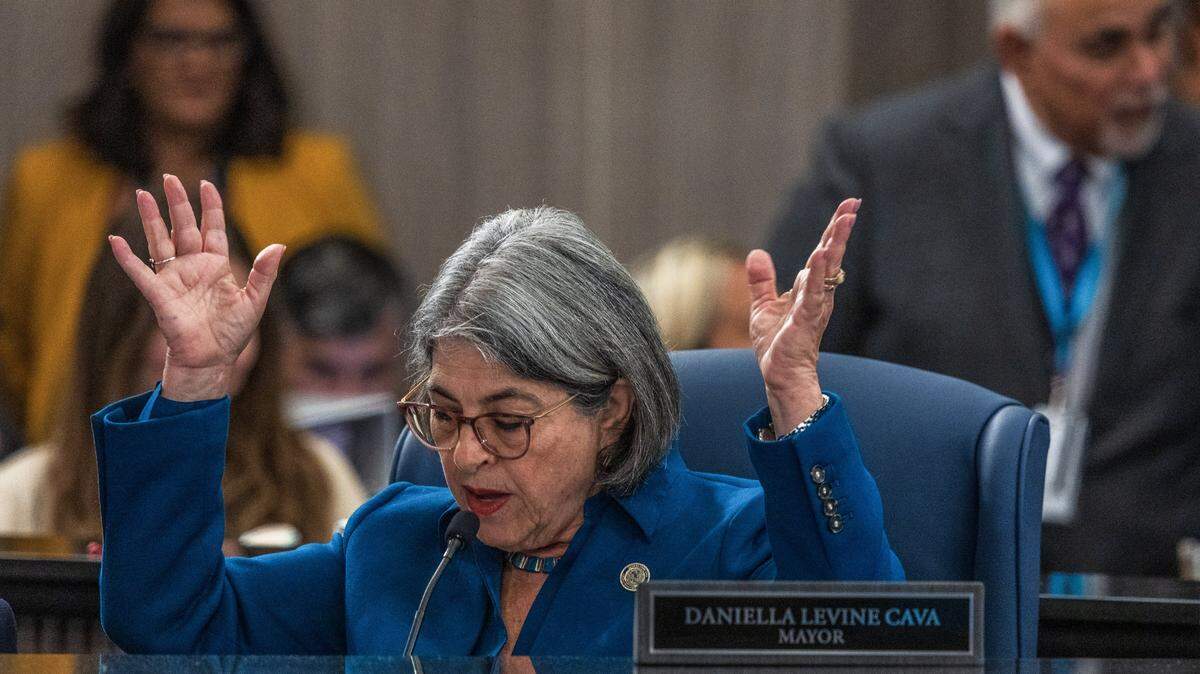
A planned increase in transit fares died Thursday night as Miami-Dade commissioners scrapped one of the last major austerity measures not already dropped by Mayor Daniella Levine Cava in the lead-up to passing her $12.9 billion budget proposal.
The 2026 budget keeps property tax rates flat and contains modest increases in trash and water fees. Transit riders won’t pay the 50 cents extra per bus or Metrorail trip that Levine Cava had proposed as a way to ease pressure on the county’s transit budget.
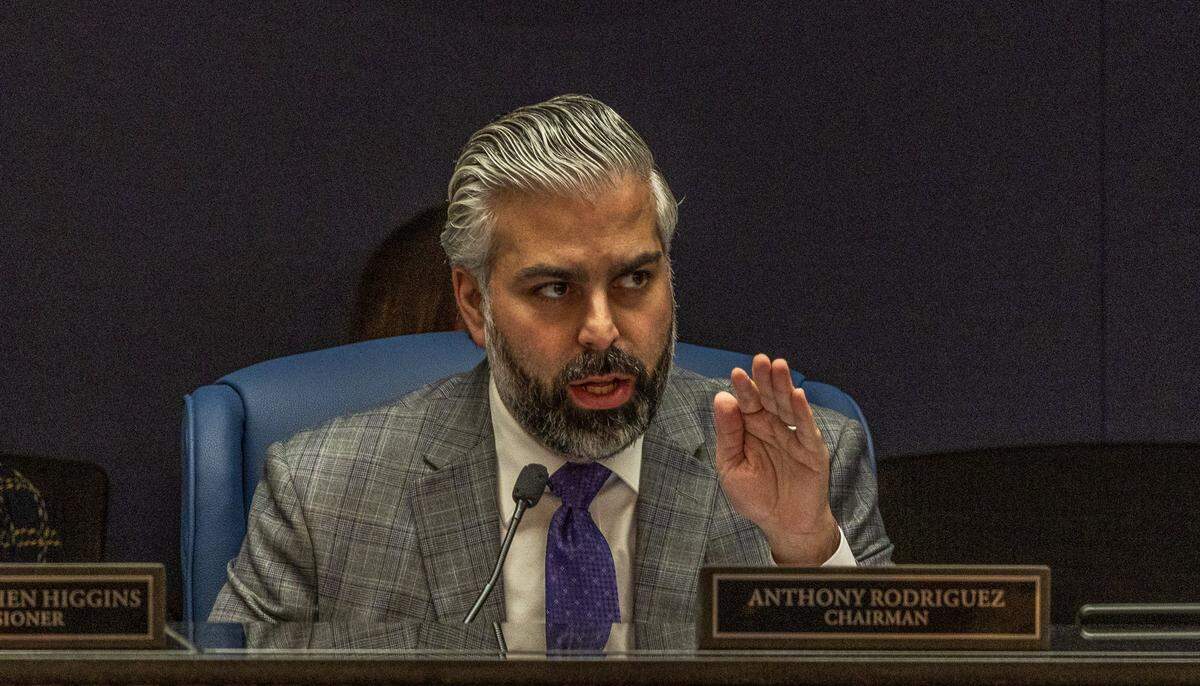
In a vote that came well before midnight at a meeting that adjourned at 4 a.m., Commission Chair Anthony Rodriguez won unanimous support to divert money from a reserve fund for future transit projects in order to eliminate the need for the $10 million in projected savings from higher fares.
Rodriguez’s change also allows Miami-Dade to drop the 25-cent increase on the rides Miami-Dade provides for people whose disabilities or medical issues prevent them from using the transit system. “Riders should not be forced to pay more,” Rodriguez said in a statement posted on social media shortly after his measure passed without discussion.
In scrapping what would have been Miami-Dade’s first transit fare increase since 2013, commissioners eliminated one of the few remaining major austerity measures in Levine Cava’s budget proposal. Other cuts had been proposed by Levine Cava in July to close a $402 million revenue gap but then were lifted in recent weeks as she restored charity funding and arts grants and dropped a plan for a higher gas tax.
With most of the fixes coming from one-time pockets of money that won’t be available in 2027, some commissioners warned the board and mayor that they weren’t fixing many of the county’s fiscal woes as the economy slows and past spending decisions require more dollars in the future.
“This is like using a Band-Aid for an amputation,” Commissioner Oliver Gilbert said. “Eventually we’re going to have to cauterize.”
The Levine Cava budget proposal forecasts a $94 million deficit in 2027 that would need to be closed with service cuts or extra revenue during next year’s budget process.
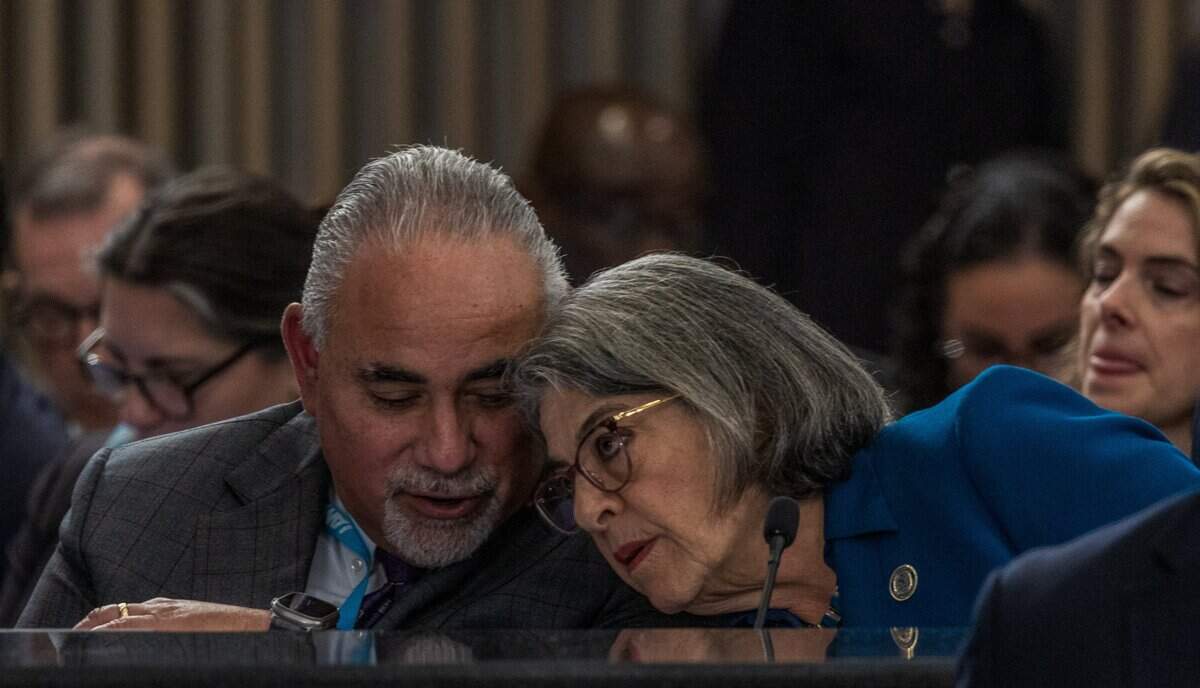
Commissioners’ final budget votes followed one of Levine Cava’s tensest interactions with a commissioner since she took office in 2020. At Thursday’s budget hearing, Commissioner Roberto Gonzalez offered a lengthy condemnation of both Levine Cava’s budget and what he said was her administration’s failure to provide requested information in the lead-up to the final budget hearing. “I’ve spent months trying to get answers to simple questions,” he said. “Everything is hide the ball.”
Her voice raised, the term-limited Democratic mayor accused Gonzalez, a Republican contender to succeed her in 2028, of trying to score political points in his comments. To refute his criticism of county marketing dollars, she held up a T-shirt promoting the commissioner that he had his staff handing out earlier that day at County Hall. “You do need to show some respect,” Levine Cava said.
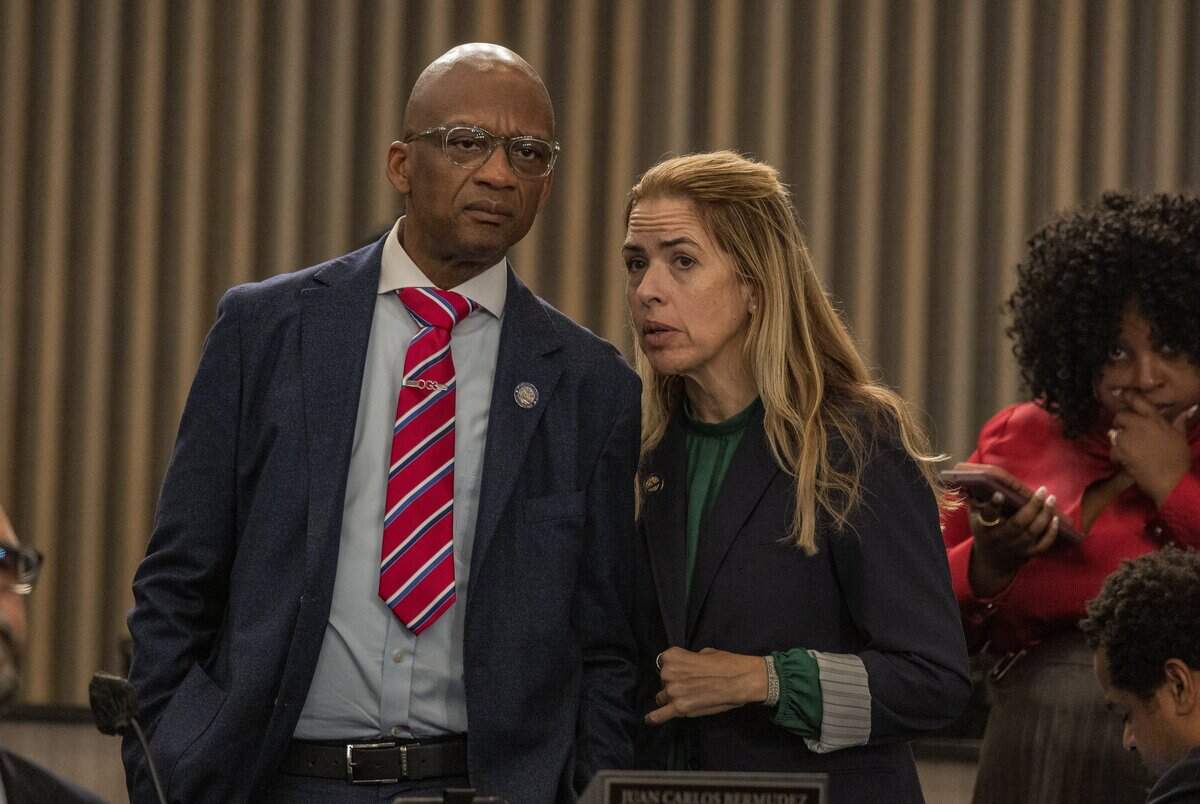
The nine-hour meeting concluded with commissioners passing all the legislation needed to enact the budget for the fiscal year that begins Oct. 1. The budget item with higher trash and water fees passed 7-5, the closest vote of the meeting. Commissioner Juan Carlos Bermudez, who has been away from the chambers after being hospitalized in July, did not attend the meeting.
Gonzalez and Rodriguez voted no, as did commissioners Marleine Bastien, René Garcia and Natalie Milian Orbis. “People can’t afford any more increases,” Bastien said after the vote.
Members of the public spoke for three hours after the budget hearing began at 7 p.m. following a two-hour delay while commissioners finished up an earlier meeting on PortMiami.
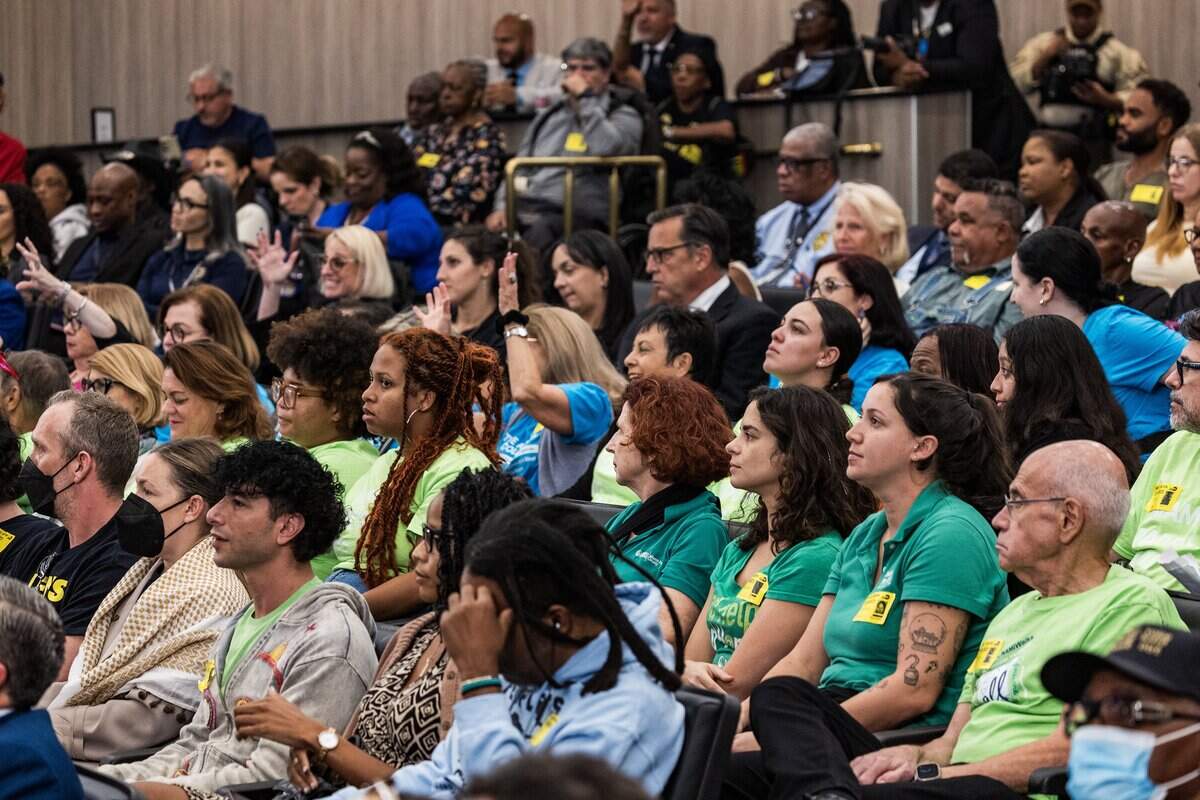
More than two dozen speakers called for Miami-Dade to divest itself from Israel bonds in the face of the humanitarian crisis in Gaza.
Leaders of nonprofit groups praised the restored grant dollars and urged Miami-Dade leaders to find new dollars to help them in future years.
“County support has become vital in supporting our space and programming,” said Sagrario Oquet, founder of the nonprofit Edge Zones art center in Miami.
Lavern Spicer, president of the Curley’s House food bank in Liberty City, said county money allows the nonprofit to help people who need it.
“We provide a safety net in our community,” Spicer told commissioners. “We feed these people with dignity.”
Once the public was done speaking, commissioners debated the budget for another six hours before adjourning. That made for another marathon budget session, with the first budget hearing held earlier this month adjourning shortly after 4:30 a.m.
Between that Sept. 4 hearing and Thursday, Levine Cava backed off two remaining bones of budgetary contention: reducing charity grants, which were fully funded in the budget that passed Friday morning, and using the county’s suburban Fire Rescue tax to pay for rescue helicopters, which are funded by the countywide property tax in the adopted budget.
The two-month journey away from Levine Cava’s proposed cuts and fee increases led commissioners to question why the austerity measures were proposed in the first place. “It doesn’t increase our confidence in the process if each time we raise our voice, suddenly we find resources,” Bastien said.
Levine Cava countered that her administration was able to plug revenue holes with dollars generated by evolving forecasts of both surplus money ahead of the 2025 budget year ending Sept. 30 as well as squeezing more savings from keeping vacant jobs on the county payroll open longer. “This was the result of hard work,” she said. “It was not magically finding money.”
Scattered cuts do remain, including the elimination of lifeguards at natural swimming holes in county parks and closing the Office of New Americans, which helps legal immigrants in Miami-Dade pursue green cards.
The adopted budget increases county water rates by 3.5% and the yearly suburban trash fee by about $5. It adds more than $80 million in tax funds over current funding for a $1 billion Sheriff’s Office budget, keeps intact the county’s planned $21 million cash subsidy of the World Cup games and preserves the MetroConnect neighborhood ride service that was scrapped in Levine Cava’s original budget. Instead of taking passengers on short rides for free, MetroConnect will charge $3.75 per trip and eliminate three of its current 13 zones: Civic Center, Kendall North and Waterford Business District.
Environmental groups failed to block a plan by Levine Cava to weaken the regulatory power of the county’s Division of Environmental Resources Management (known as DERM), a permitting agency that regularly clashes with developers. Levine Cava’s budget makes DERM its own department, but recently added language shifts much of DERM’s permitting power to the building department. Levine Cava said the switch would not change how Miami-Dade regulates development and would bolster DERM’s environmental mandate; environmental groups warned the change will doom a regulatory agency with a track record of rejecting ill-considered permits.
This story was originally published September 19, 2025 at 4:25 AM.