
Miami Gardens dog attack highlights dual problem of loose dogs, crowded shelters
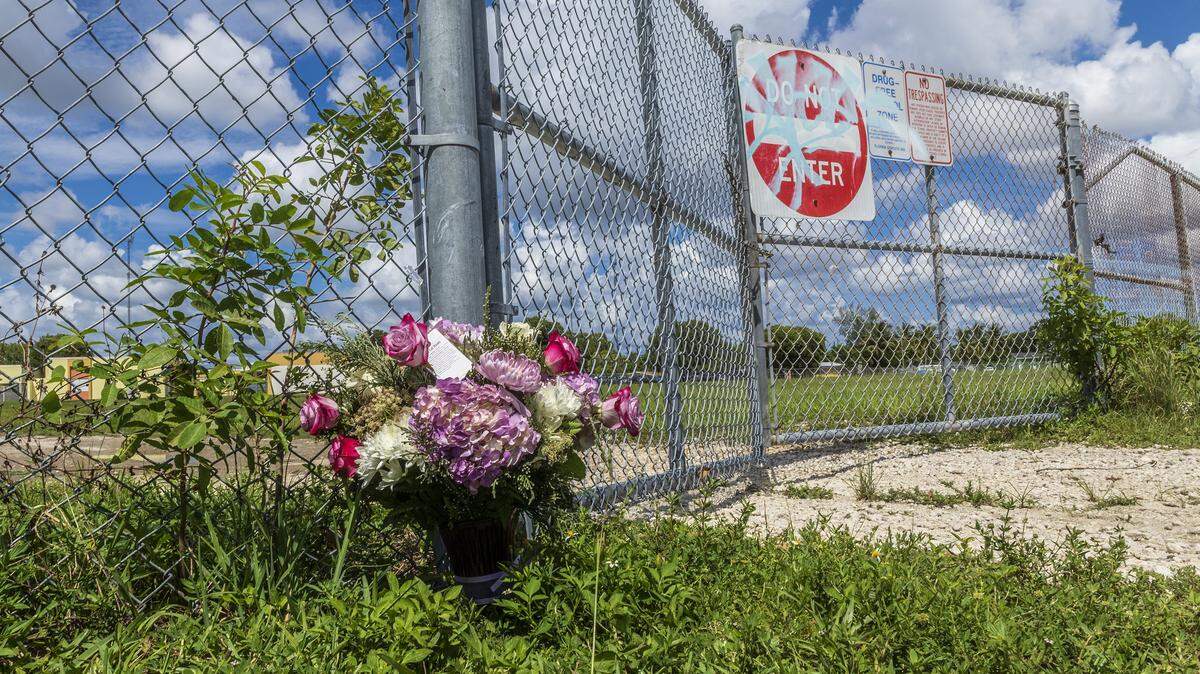
Two weeks ago, Tommie Rhodriguez woke up around 1:30 a.m. to a horrible noise outside her bedroom window. Even before she checked her Miami Gardens home’s camera footage, she knew what was outside: unleashed dogs.
The dogs were chasing stray cats and jumping onto a car. They ran away when she flicked her porch lights on, she said. But the dogs returned sometime later and killed a cat.
About a week later, just a few blocks away, 71-year-old Doreen Richards Broadbelt was killed in a dog attack as she walked to work on the morning of Labor Day. Broadbelt’s family said she had been complaining for a while about dogs bothering her on her walks to work.
“It’s very scary. It’s very, very scary,” Rhodriguez said. “That’s a horrible way to die.”
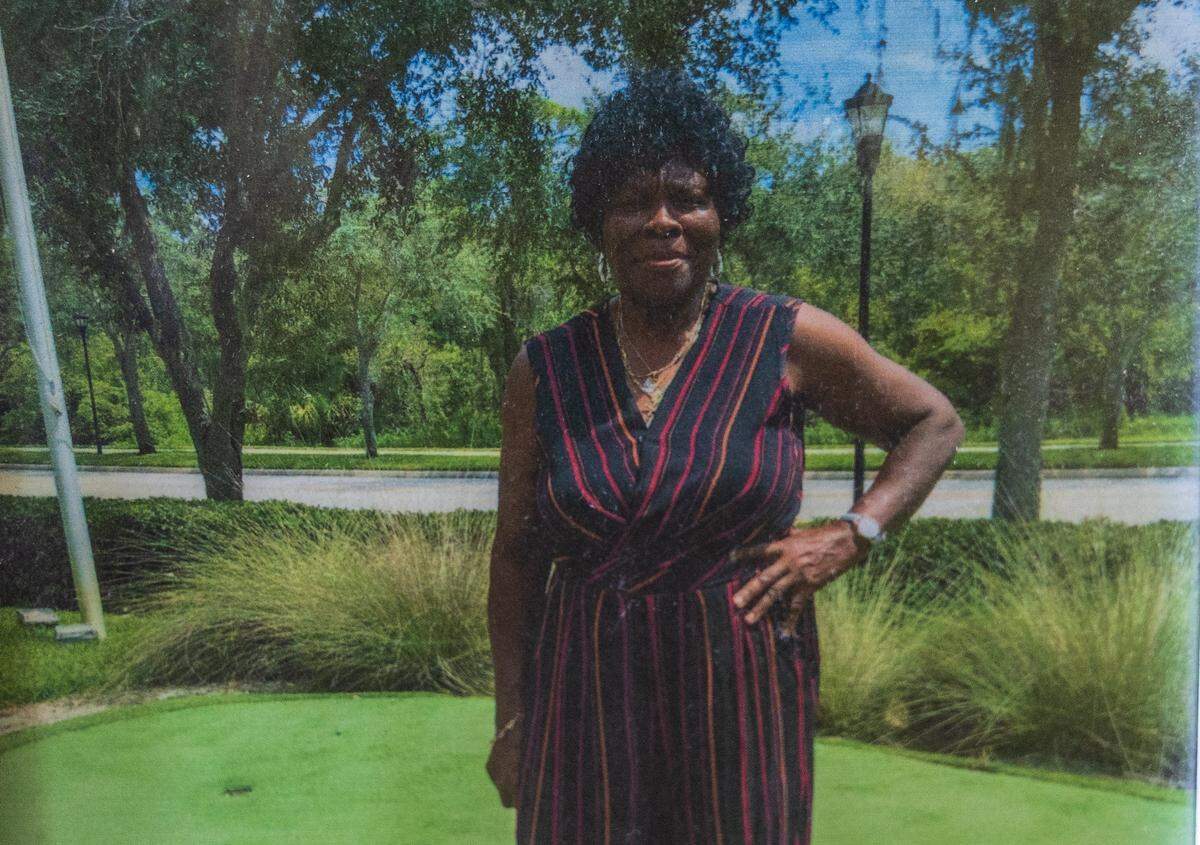
The horrific incident is drawing attention to the issue of loose, unleashed dogs across Miami-Dade, something that county leaders acknowledge is a problem. Last week’s attack came at a time when county administrators say Miami-Dade is experiencing a surge in unwanted dogs, brought on by the ripple effects of the pandemic and widespread disruptions in county services and the housing market.
Poll: Have you encountered dangerous dogs in Miami-Dade County? The Miami Herald wants to hear from you
Countywide, dog adoptions are down, and Miami-Dade’s main animal shelter in Doral has more dogs than it can handle. A no-kill policy that was strengthened in 2020 also means there are more dogs to manage than in the past. And residents in Southwest Miami-Dade say many loose dogs are being abandoned by irresponsible breeders.
As part of the efforts to reduce its shelter population, Miami-Dade in recent years has discouraged people from turning in seemingly stray dogs they find in their neighborhoods. Instead, Animal Services encourages people to temporarily house those dogs while trying to determine if an owner lives nearby.
All of those factors mean that today, when a dog is seen wandering the streets, it’s harder to get it in a shelter than it used to be.
Stray dogs aren’t considered safe on the streets for the public or for themselves. Miami-Dade Commissioner Oliver Gilbert said last week that roaming dogs are a countywide issue that needs to be addressed.
“We do need to talk about making sure people feel safe when they walk down the street across the county,” said Gilbert, a former Miami Gardens mayor whose county district includes the city.
In an interview, Mayor Daniella Levine Cava noted that dumping dogs is a top complaint in the agricultural area of South Miami-Dade known as Redland. It’s an issue she faced in her two terms as a county commissioner representing that area, and one that’s still a major hurdle in getting Miami-Dade’s stray-dog population under control.
“It’s a big issue,” Levine Cava said. “Our shelters are inundated in part because of the dumping of these dogs.”
The mayor and other county officials overseeing Animal Services said last week that it does not appear stray dogs were involved in the Miami Gardens attack, but the investigation continues and that conclusion could change.
‘Way too many animals out there’
While Miami-Dade’s new animal shelter in Doral can hold 350 dogs, the county currently has about 570 canines in custody, said Animal Services Director Annette Jose. “We’re over capacity,” she said.
To house the extra dogs, Miami-Dade is using its old shelter in Medley, which lacks air conditioning. Levine Cava noted that her 2026 budget proposal has funds for a new animal shelter in South Miami-Dade but that sterilization efforts need to increase significantly to turn the tide on the dog population. Dogs that haven’t been sterilized give birth to puppies, who in turn mature into dogs ready to reproduce as well. Each generation makes it harder to reduce the growth in dogs without homes.
“You have to stop the cycle,” the mayor said.
In 2012, Miami-Dade voters endorsed a tax plan that would have raised millions for dog sterilization efforts. Known as the “Pets’ Trust” tax, the initiative would have temporarily raised Miami-Dade’s property-tax rate to generate the extra dollars for spaying and neutering initiatives. While the non-binding straw poll passed by a wide margin, county leaders under then-Mayor Carlos Gimenez declined to increase the tax rates, saying they weren’t convinced the results reflected a consensus for higher tax bills.
Stray dogs having puppies adds to the problem of roaming dogs. So do dog owners who dump their pets instead of finding them homes.
.JPG "IMG_shelter.jpg_3_1_7ENEPAT5_L766457710 (1).JPG")
Lisa and Diego Hurtado, who own five acres in Southwest Miami-Dade and run a self-funded animal rescue, said they see abandoned dogs in the area daily. The two have a few dogs themselves that they brought back to health after they were abandoned.
Irresponsible dog breeders are largely to blame, the Hurtados said. They often see people selling purebred puppies on the side of Krome Avenue. And when dogs are too old to breed, the Hurtados said, the owners dump them on the street and drive away. Diego Hurtado said he saw someone abandon a dog the same day he was interviewed by the Miami Herald.
“They dump them, and they take off, and a dog goes crazy trying to chase the owner,” Diego said. “The dog just runs, runs their heart out trying to catch them.”
Sometimes the owners feel bad and stop their cars, he said. Other times, they speed off.
The resulting situation can be grisly. Diego said he recently saw a man shoot a dog to put it out of its misery after it got hit by a car.
“If they weren’t born wild, they won’t survive out there,” Diego said. “And when they get hungry, they’re going to do whatever they need to do to try to eat.”
Three years ago, Diego woke up to two dogs attacking his pony, Toby. The dogs were caught by Animal Services, but Toby died a few weeks later, the Hurtados said. Before that, loose dogs “had a field day” with their chickens.
Since then, Lisa said, the number of abandoned dogs has only increased. A “zero tolerance” approach to unregulated dog breeding is needed, she said.
“Something needs to be done,” she said. “There’s way too many animals out there.”
Miami-Dade’s animal shelters consistently packed
The county’s situation with unwanted dogs grew notably worse after the pandemic. Miami-Dade’s Animal Services Department and private pet clinics all but halted sterilization services for dogs and cats in 2020 as staff were sent home and medical supplies became scarce. With fewer dogs spayed and neutered, births spiked in the following years, and shelters soon found themselves swamped with unwanted pets as adoptions declined, according to Animal Services managers. Adding to the challenge was a surge in rents and housing prices during the pandemic, giving landlords more leverage in declining tenants with the kind of large dogs that are the hardest to get adopted from shelters.
Jose said a plunge in people willing to adopt shelter dogs left far less room for new unwanted dogs. While the average shelter stay before the pandemic was a week or less, now the average stay length is up to 115 days.
When the county’s shelter daily population was nearing a peak in 2023 — Jose said when she took over late that year, Miami-Dade was housing more than 800 dogs — Animal Services was even warning police not to rely on the county to accept stray pets in officers’ custody.
Jose said the agency still encourages residents to look for potential owners of stray dogs rather than drive them to the Doral shelter.
“Most stray dogs are just lost dogs a few blocks away from home,” Jose said. “However, if there is a dog that seems aggressive — or is a safety concern — we will come pick up the dog.”
Statistics show the county’s shelter system is taking in far fewer dogs than it did before the pandemic. Last year, the county took in about 6,500 dogs, according to published data. That’s about half of the intake amount reported in 2019, when roughly 12,000 dogs were turned in, according to that year’s report.
Adoptions are down, too: In 2019, nearly 5,600 dogs were adopted from the county. The adoption total was below 3,700 last year.
While Miami-Dade used to euthanize dogs and cats to make room for new stray animals, that practice ended more than a decade ago. The current no-kill policy limits when veterinary staff can euthanize animals — with the procedures allowed when an animal is deemed too sick or dangerous to live.
According to county ordinances, a dog is determined to be dangerous if it attacks, injures, kills, chases or approaches “a human in a menacing fashion” when unprovoked. If a dog that has not been officially declared dangerous severely injures or kills a person when unprovoked, authorities may confiscate the dog, and the dog’s owner is liable for the incident. The dog may be euthanized.
Statistics on animal bites show more incidents this year in Miami-Dade, with 2025 already passing 2024’s tally. So far this year, Animal Services has received 2,500 reports of animal bites, which can be minor or severe and includes bites by dogs, cats and other animals. Last year, there were 2,490 reports of animal bites. Before the pandemic, Miami-Dade’s yearly animal bite total was in that range, with about 2,300 reports, according to the county statistics.
A statement from Animal Services to the Herald noted that the agency “is committed to responding to resident calls regarding animals that appear aggressive or pose an immediate threat to public safety.” It encouraged residents who come across a dangerous-seeming dog to contact 911 instead of approaching the animal.
Dog behavior can be tricky for most people to understand and predict, said Newton Siqueira Jr., the director of Redland Dog Sanctuary, a group that takes care of dogs abandoned in the rural unincorporated area of Miami-Dade next to the Everglades.
Siqueira said even well-behaved dogs can behave aggressively just from excitement, especially when in a group. If one dog in a group becomes aggressive or agitated for whatever reason, the other dogs will react the same way, he said.
“Even a friendly dog will just follow the lead,” Siqueira said. “They don’t even understand why they’re doing it.”
Miami-Dade’s unwanted dog issue is vast and frustrating, Siqueira said, though he did not place blame on Animal Services.
“Everybody is running like a turkey on Thanksgiving,” he said. “Everybody is trying to find a solution, but they don’t know what else to do.”
Many of the dogs Siqueira’s sanctuary deals with are abandoned, purebred dogs, like the litters of Siberian Husky, Labrador and Doberman puppies he recently rescued. The dogs that do survive outdoors in Redland later reproduce, which means scores of loose, untrained, undomesticated dogs.
While they’re not necessarily aggressive, they aren’t readily adoptable, Siqueira said. Trained dogs have a better chance of being adopted, he said.
Miami Gardens dog attack still under investigation
In the case of the Miami Gardens dog attack, Animal Services had not received any calls from the neighborhood regarding stray or unleashed dogs, according to spokesperson Gabriella Dominguez.
Jose, the department director, said it doesn’t appear the fatal attack was by a homeless dog that might have ended up in a county shelter. “These dogs don’t appear to be stray dogs,” she said, based on the fact that investigators didn’t find any strays in the area.
In its statement to the Herald last week, Animal Services said its enforcement team “has been actively patrolling the area since the incident occurred, searching for stray dogs. However, as of now, none have been located.”
The Miami Gardens Police Department, which swabbed neighborhood dogs for DNA samples last week as part of its investigation, did not have an update on the whereabouts of the dog or dogs involved in the Labor Day attack as of Friday. Police are asking residents to call 305-474-6473 to report sightings of stray or aggressive dogs.
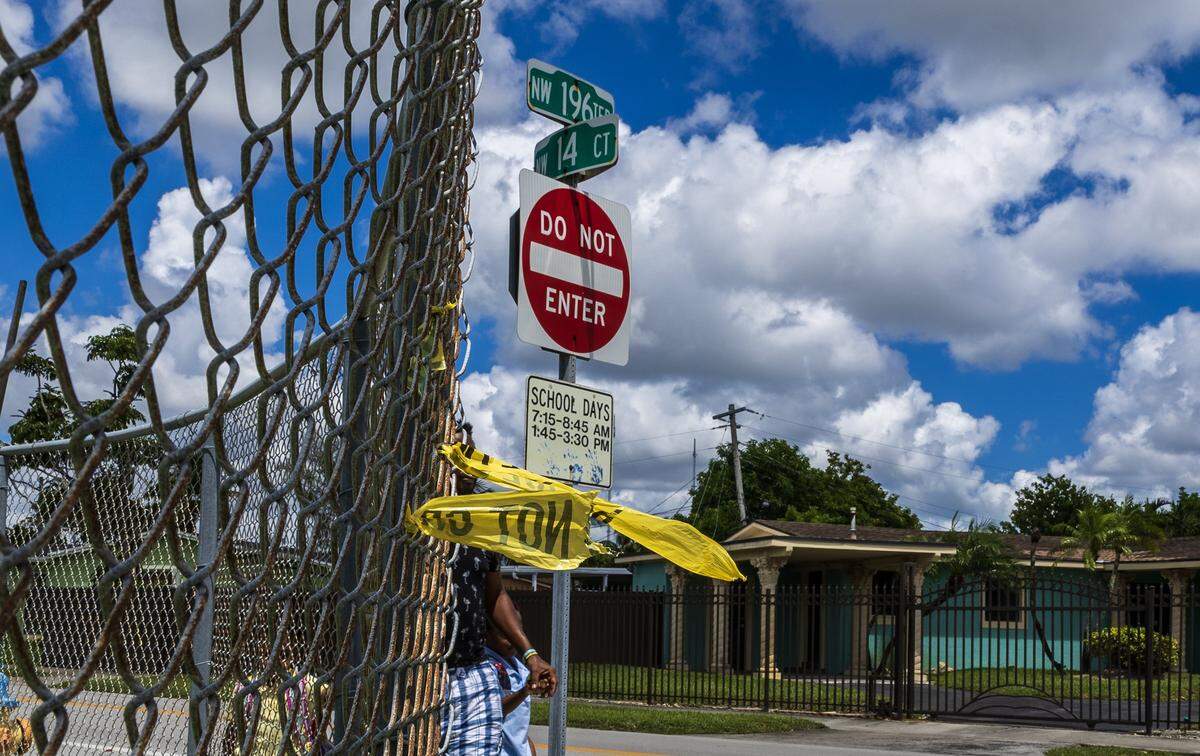
“Community vigilance is essential in helping to keep our neighborhoods safe,” Miami Gardens Police said in a statement.
The solution to Miami’s loose dog situation is going to take more than additional shelter space and funding, said Siquiera, the Redland Dog Sanctuary director. Maybe, he said, that starts with more dog behavioral experts working with the county and more education for people to be better pet owners in the first place.
“We don’t need more money,” he said. “We need more capability. We need more understanding of what’s going on so we can try to find a solution.”
This story was originally published September 8, 2025 at 2:44 PM.