
Four fights to watch in the Miami-Dade County budget battle for 2026
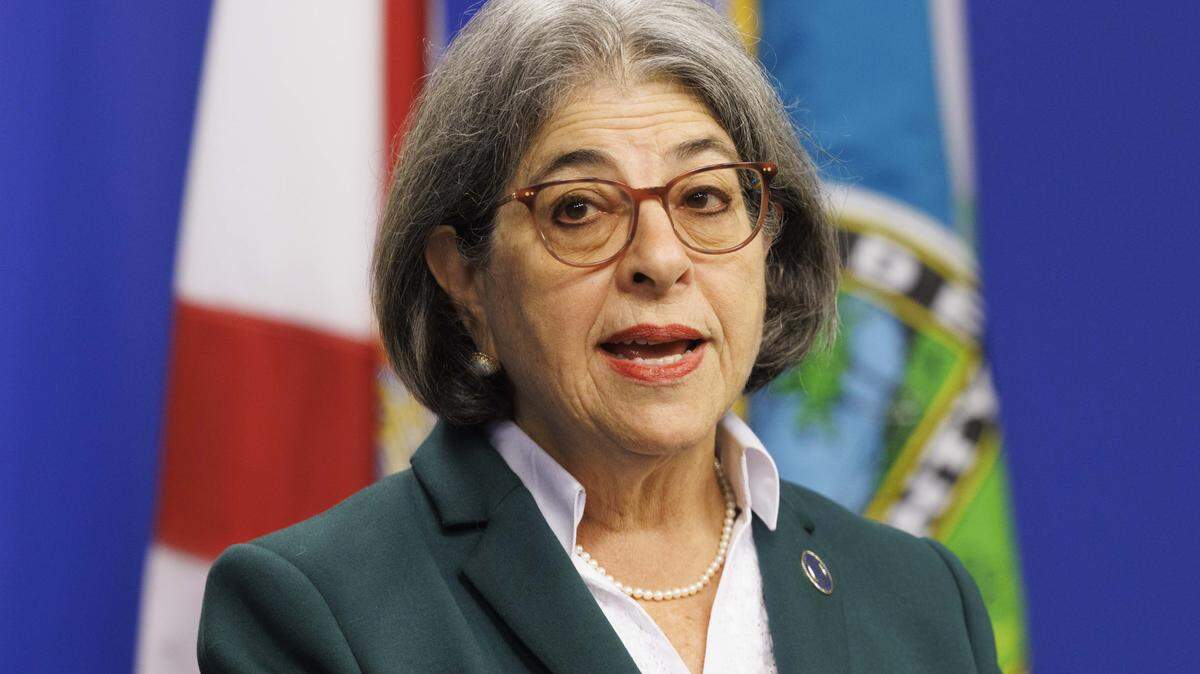
After patching some budget holes with newfound dollars, Miami-Dade County’s mayor defused some friction over the scattered funding cuts she proposed for 2026. But big fights remain.
As Mayor Daniella Levine Cava prepares for two crucial meetings in September when she’ll need County Commission votes to pass a 2026 budget, critics still have plenty of complaints and demands within the $12.9 billion spending plan.
Here’s a look at four spending fights still raging as the county’s Sept. 4 and Sept. 18 budget hearings approach:
Which property tax should pay for the county’s rescue helicopters?
To free up dollars for other expenses, Levine Cava’s 2026 budget proposal makes the county’s Fire Rescue Department pay for four rescue helicopters currently paid for by countywide property taxes.
The shift may seem logical: the Fire Rescue Department operates the choppers, after all. But the proposed move is controversial because of how Miami-Dade funds firefighting.
A special property tax paid by about 80% of the county’s homeowners funds the Fire Rescue Department, which is responsible for fire and ambulance calls everywhere in Miami-Dade but in the five cities with their own fire departments.
Property owners in those municipalities– Coral Gables, Hialeah, Key Biscayne, Miami and Miami Beach – don’t pay the county’s Fire Rescue property tax, but the county’s rescue choppers are available for medical evacuations in those cities.
That hasn’t been a source of friction so far because Miami-Dade pays the chopper budget with its countywide property tax– a levy paid by all property owners across the county, including all 34 municipalities.
By shifting the chopper budget from the countywide tax to the Fire Rescue tax, Levine Cava can free up property-tax dollars to patch holes in county budgets for sheriff, charity grants, transit and other problem areas.
But the county’s fire union contends the switch saps Fire Rescue funds from long-term plans to add fire trucks, stations and crews in areas of the county needing better coverage to lower response times.
“If there is a will to drive down response times by putting [rescue] units into service, they just need to be funded,” William McAllister, president of the fire union, told commissioners at a Wednesday workshop on the 2026 budget. Making the helicopter unit a new Fire Rescue expense is “suffocating our ability to meet that demand” for quicker responses.
Ray Jadallah, the county’s fire chief, said Miami-Dade remains on track to expand fire services even more after opening stations and purchasing new fire engines in recent years. He said Miami-Dade’s competitive real estate market is the main problem at the moment for opening new stations.
“It’s very difficult, land acquisition,” he said. “So we continue to search.”
Can charities claw back all of their cut grants?
On Tuesday, Levine Cava announced she was restoring more than overall $60 million in cuts from the original budget proposal she unveiled in July. The new money was raised largely from outside county agencies reporting surplus amounts from 2025 spending they’re required to return to Miami-Dade. Levine Cava is proposing using some of the extra money to restore about $18 million in non-profit grant funding, mitigating the original $40 million cut to the grants announced last month.
While Levine Cava warned the grant funding is one-time money that shouldn’t be counted on in 2027, charities providing help for the elderly, after-school programs and other services are urging the mayor and commissioners to find more money to restore the grants fully.
Will MetroConnect survive – or be replaced?
The free transit shuttle service known as MetroConnect would be eliminated in the Levine Cava budget – a savings of about $11 million. But there are efforts to keep MetroConnect running to fill gaps where bus routes don’t run. While the private company Via has the transit contract to run the service in more than a dozen zones across Miami-Dade, Commissioner Eileen Higgins said at the workshop that competitors are submitting proposals to provide shuttles at a lower cost, suggesting the final 2026 budget could have extra dollars to fund a MetroConnect replacement.
Commissioner Raquel Regalado said she didn’t want Miami-Dade to offer free shuttles and that MetroConnect riders should be paying fares like bus and Metrorail riders do.
“It’s still going to be subsidized,” Regalado said. “It’s just not free.”
How much of Sheriff Rosie Cordero-Stutz’s budget request will commissioners grant?
While an amendment to the Florida Constitution required Miami-Dade to turn its police department into an independent sheriff’s office this year, the County Commission still controls the agency’s funding. The budget proposal by Levine Cava, who used to oversee the county police department as mayor, increases sheriff funding by about 8% over current levels. “Obviously, public safety is always going to be Number One,” Levine Cava said at an Aug. 6 budget town hall. She noted the police budgets grew an average of 8% during her first term as mayor and that the proposal for 2026 matches what “we believe is reasonable and necessary” for the Sheriff’s Office.
Sheriff Rosie Cordero-Stutz is urging commissioners to overrule Levine Cava and provide about $90 million more than the mayor’s proposed $915 million funding from the county for the office in 2026.
“The requested funding keeps deputies on the street,” Cordero-Stutz told commissioners. “Without it, I will have over 260 vacancies by next summer. This should not be acceptable for any elected official in this county.”
This story was originally published August 23, 2025 at 5:00 AM.
CORRECTION: This article was updated with the correct list of five Miami-Dade municipalities with their own fire departments.