Could the Jungle Island parrots return to their old home? Talk has started
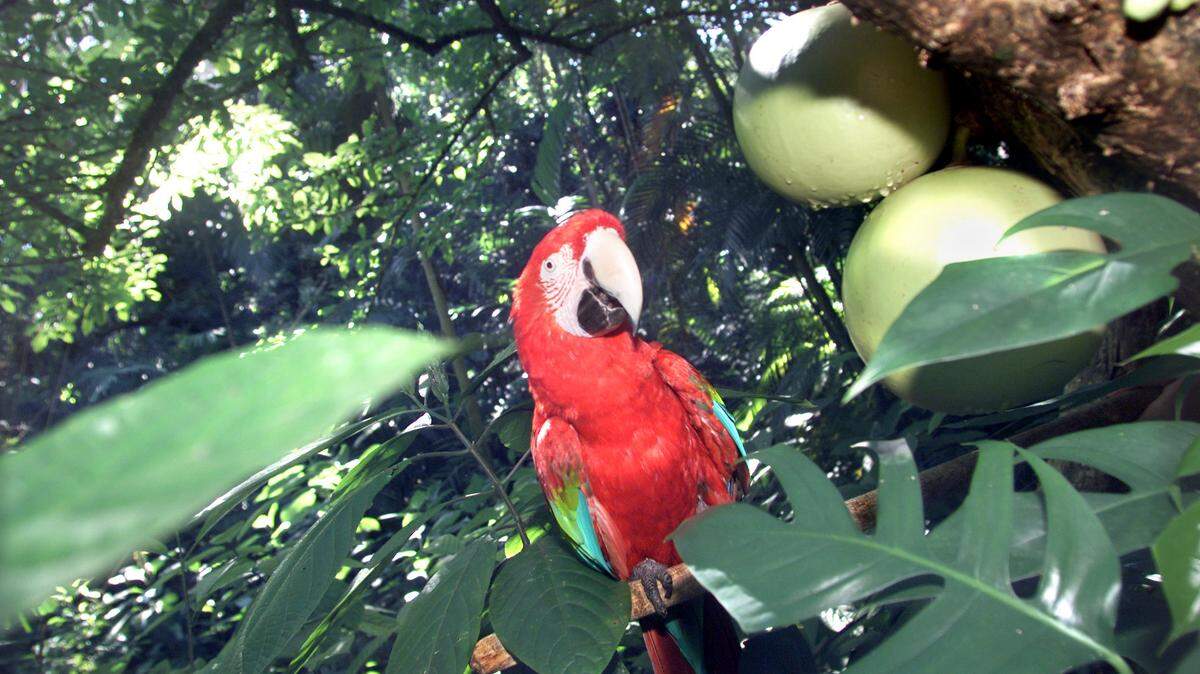
As many as 50 parrots could be returning to their original home as the Miami theme park Jungle Island and Pinecrest leaders explore the possibility of moving the birds south from Watson Island.
Discussions have started between the village of Pinecrest, where Parrot Jungle was a beloved institution off Red Road for 67 years, and the Jungle Island attraction off the MacArthur Causeway in Miami, the birds’ home since 2003.
“Jungle Island and Pinecrest Gardens are engaged in an exploratory feasibility study to assess potential collaborations concerning the future care and placement of some of Jungle Island’s birds. Community input by residents of the Village of Pinecrest will drive any decisions about this project,” read a joint statement issued by the attraction and the village.
The initiative is in its preliminary stages.
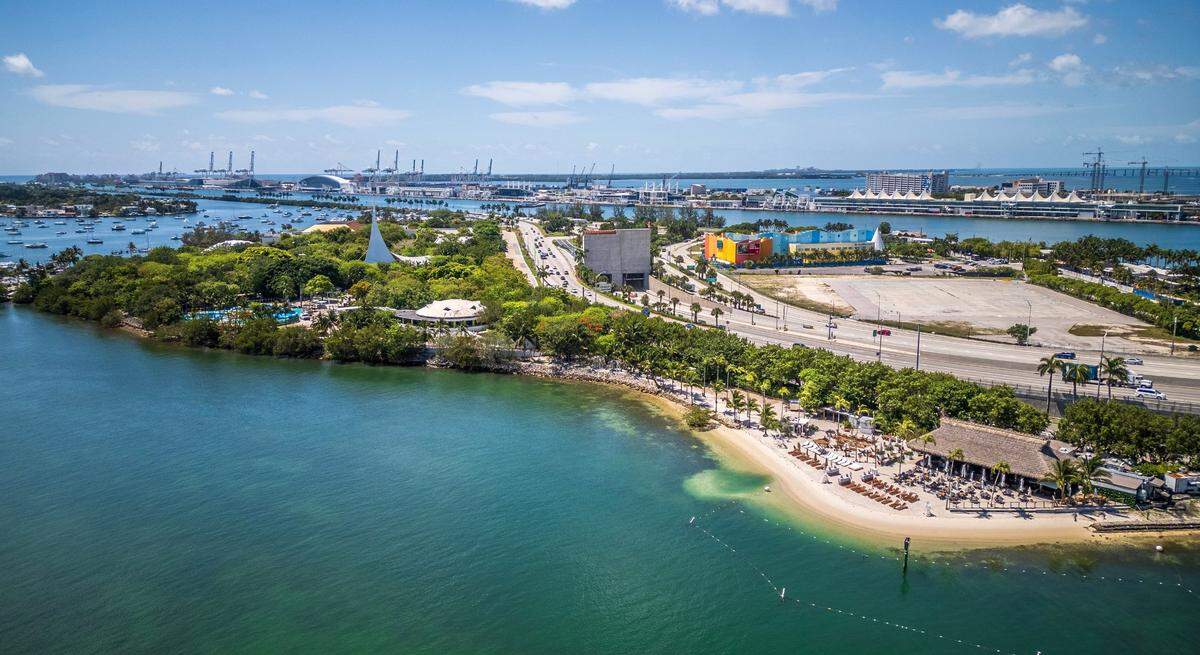
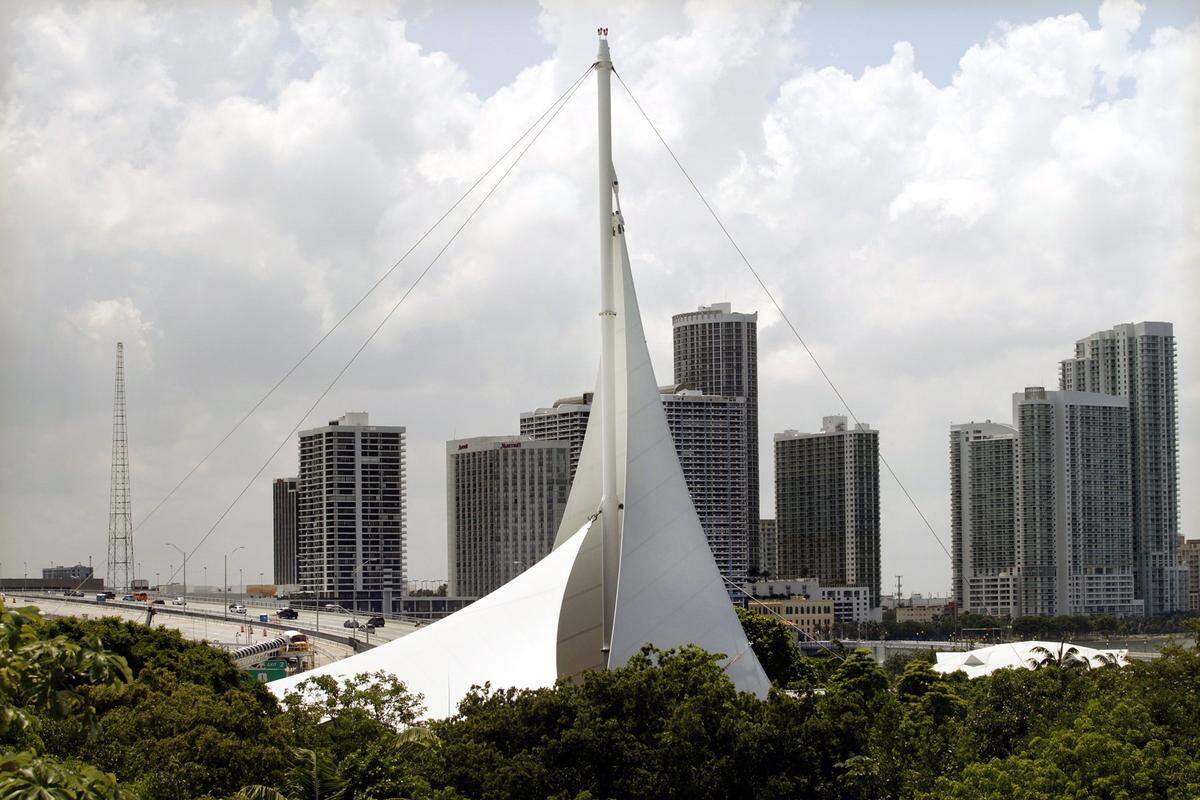
In November, city of Miami voters embraced a pair of ballot questions seeking approval for two redevelopment proposals to transform Watson Island, a city-owned piece of land located in Biscayne Bay off the MacArthur Causeway. On the north side, Jungle Island’s location, Ecoresiliency Miami aims to turn the tropical theme park into space for two high-rise condominiums fronted by a 13-acre public park, the Miami Herald has reported.
MORE: Condo development could replace a chunk of Jungle Island theme park in Miami
Next steps for Pinecrest parrots
“What happens is that the village was approached by the folks over at Jungle Island, and the village sees this as a once in a lifetime opportunity to continue to preserve Miami’s history,” said Pinecrest spokeswoman Michelle Hammontree.
The Pinecrest Village Council will call the shots on whether to accept a donation of the birds, which could include descendants of the original parrots, as well as a big bill. The council would also have to approve expenditures to house the birds on the property.
The council’s next budget workshop is scheduled for Aug. 20.
Funding, including about $80,000 in personnel costs, would have to come from the city budget, or be supplemented with philanthropic contributions. Additional workers would join an existing zoo staff that cares for animals on the property.
Options at Pinecrest Gardens
Three options for bird enclosures at Pinecrest Gardens would cost $1 million to $3 million, according to the feasibility report, which was prepared by Zoo Solutions, a Central Florida consulting service.
“The intent of the project is not to be a new version of Parrot Jungle, but to accentuate the existing gardens with the birds,” the report says.
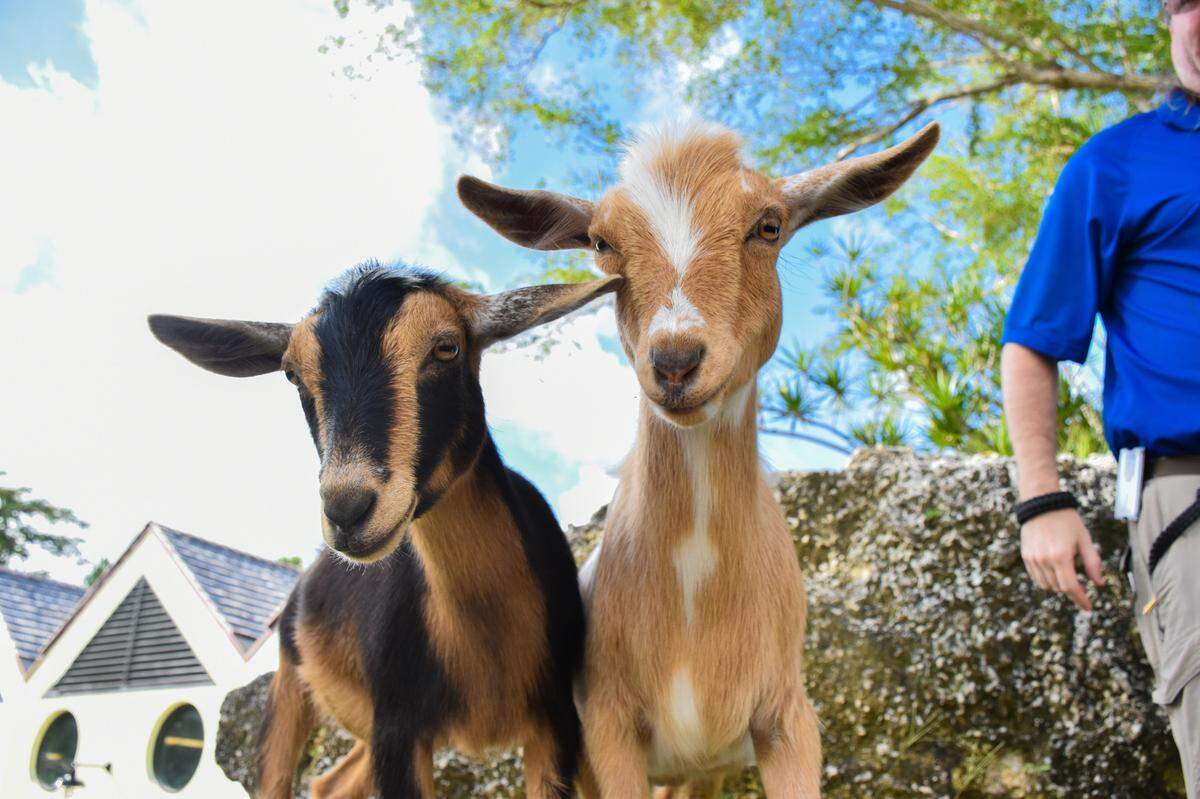
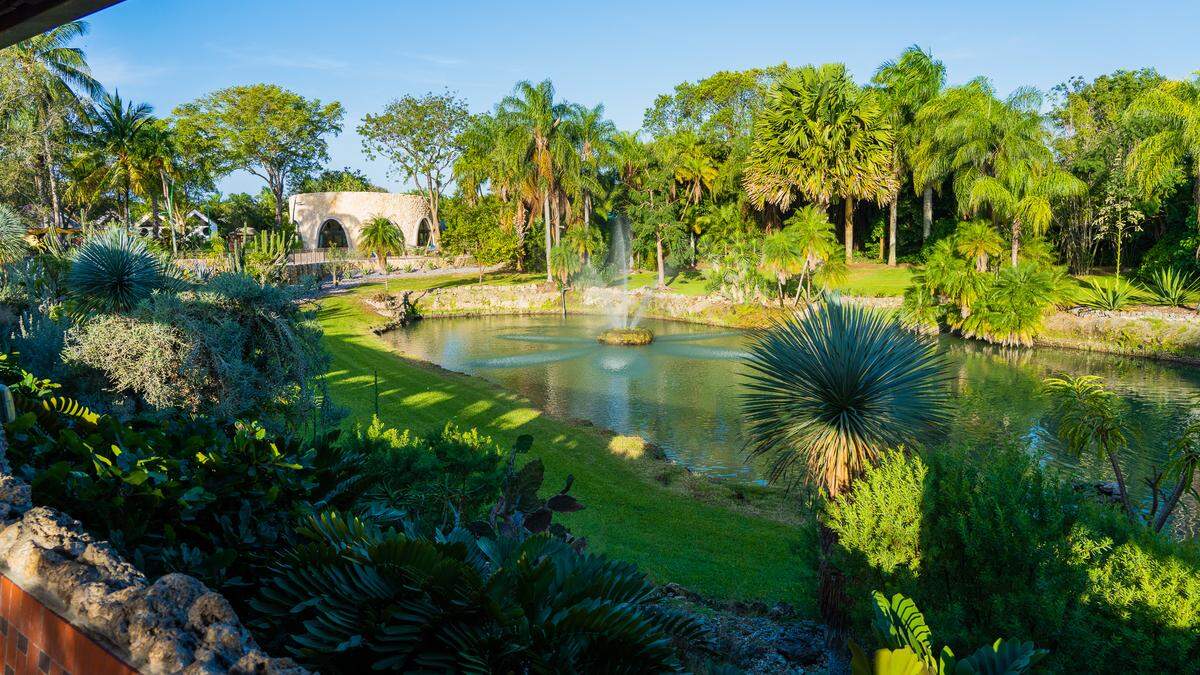
The 14-acre botanical garden houses some of the Parrot Jungle’s original attractions, its limestone and foliage, and animal exhibits include donkeys, swans, pigs, rabbits and mini cows in petting zoo enclosures. Pinecrest Gardens hosts cultural events including Jazz at Pinecrest Gardens concerts, family events, art exhibitions and farmers’ markets.
The current entrance fee at Pinecrest Gardens is $5.
“There’s no appetite to increase the entrance fee,” Hammontree said, even if the parrots come home where they would be viewed by patrons at their enclosures.
What about Bert the macaw?
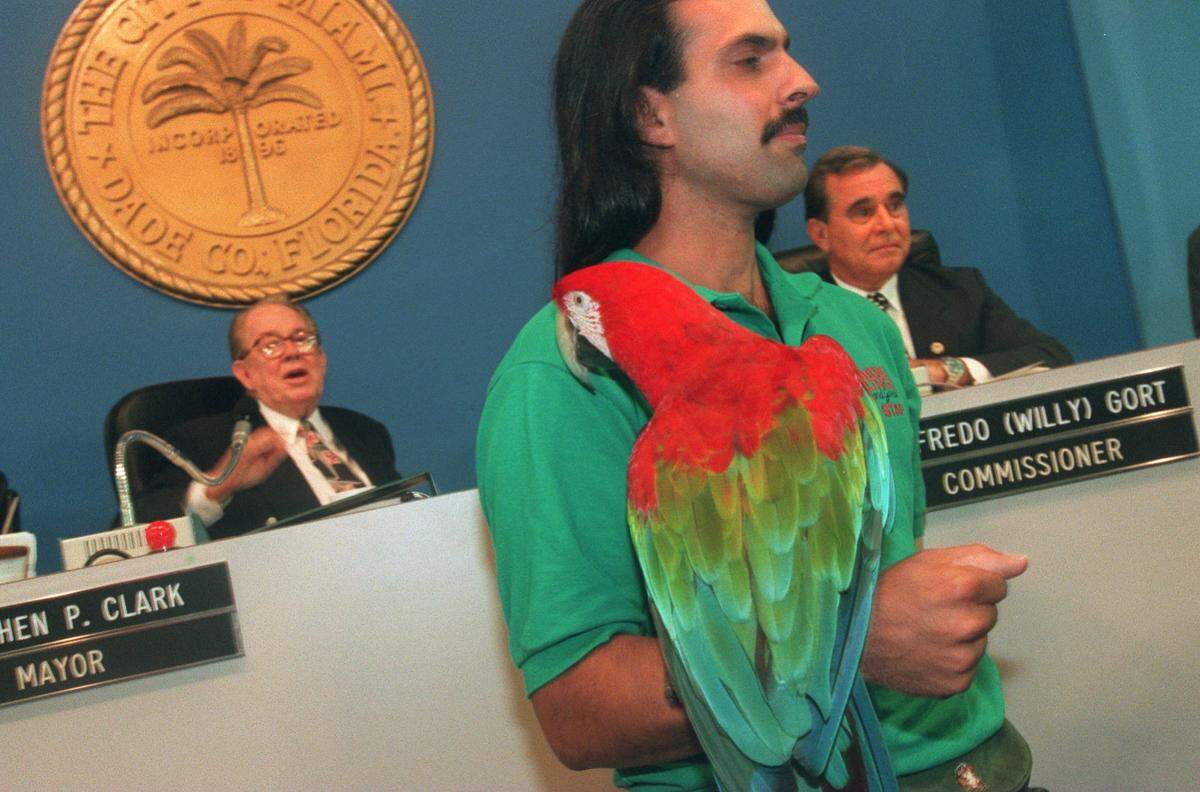
There’s no word on whether Bert, the green-winged macaw that called both Parrot Jungle and Jungle Island home, would be making his return if the deal happens.
Parrots in captivity that are well cared for can live more than 60 years.
“Both establishments share a profound commitment to conservation and animal welfare. Our collaborative efforts aim to ensure that any future plans prioritize the health, safety and enrichment of the birds, honoring the legacy of both attractions and the communities we serve,” the Jungle Island and Pinecrest Gardens joint statement said.
Israel Kreps, who represents Jungle Island, told the Miami Herald in an email that Jungle Island backs the joint statement and said the team of owners and developers have nothing more to add for now. Jungle Island is still open on Watson Island and redevelopment could still be months or years away.
Preserving Miami history
The preliminary talks between Pinecrest and Jungle Island hold weight, Hammontree said.
“We want to ... preserve that historic Miami feel when so many things are slowly disappearing,” she said.
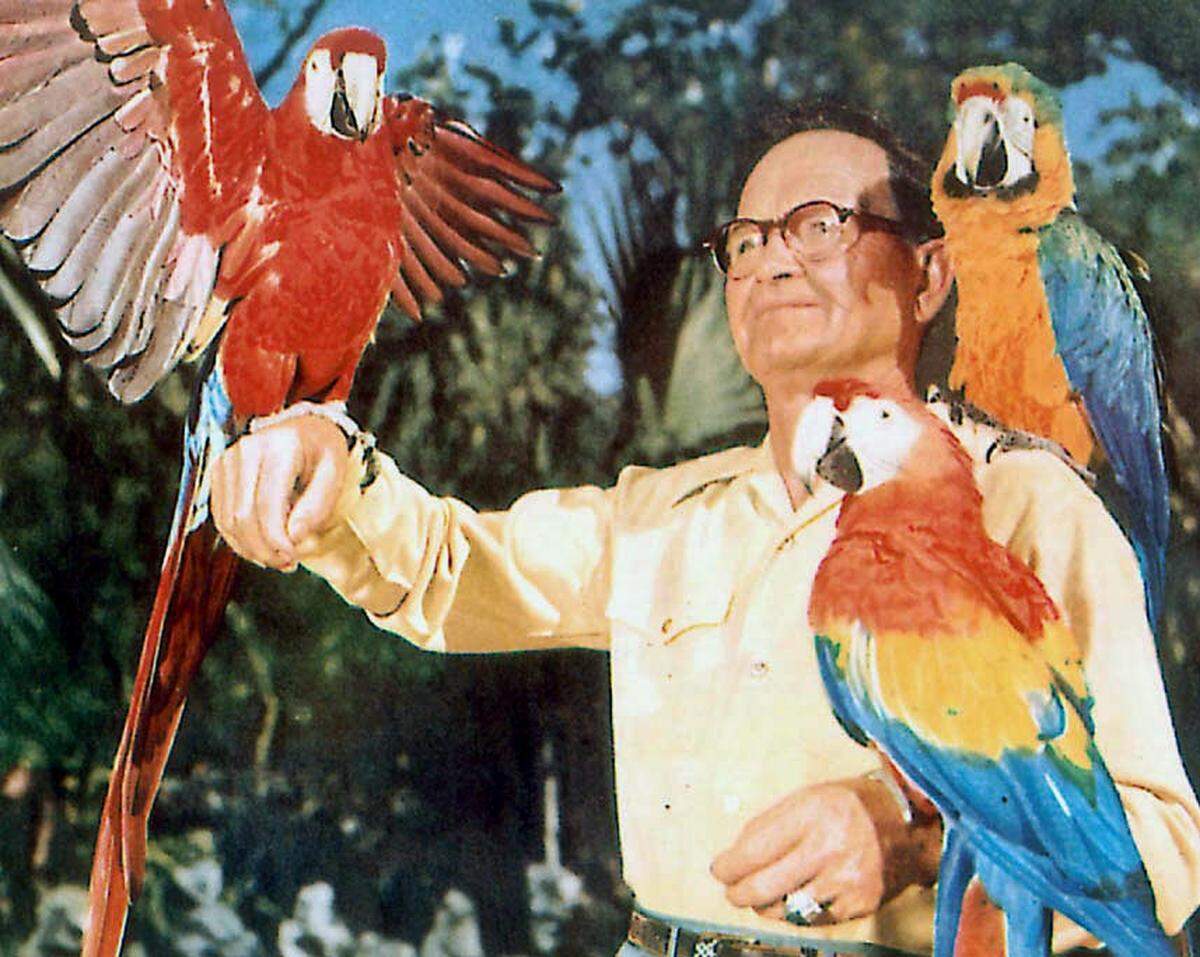
Parrot Jungle was founded by Franz and Louise Scherr in 1936 and its mosaic-like grounds and limestone buildings were designated historic by the Miami-Dade County Historic Preservation Board in December 1990.
By 1995, Parrot Jungle’s president, Bert Levine, envisioned a $26 million plan to move the attraction to Watson Island to secure a larger site for its jungle trails, tropical gardens and theaters.
Parrot Jungle ceased operations in Pinecrest and its birds and staff made the move to Miami with the opening of Jungle Island in 2003. Pinecrest took over operations of the 14-acre grounds the birds left behind and runs Pinecrest Gardens as a botanical garden, a park and a cultural attraction hosting jazz concerts, art exhibitions, a petting zoo.
Pinecrest Gardens was placed on the National Register of Historic Places in 2011.
Past to present
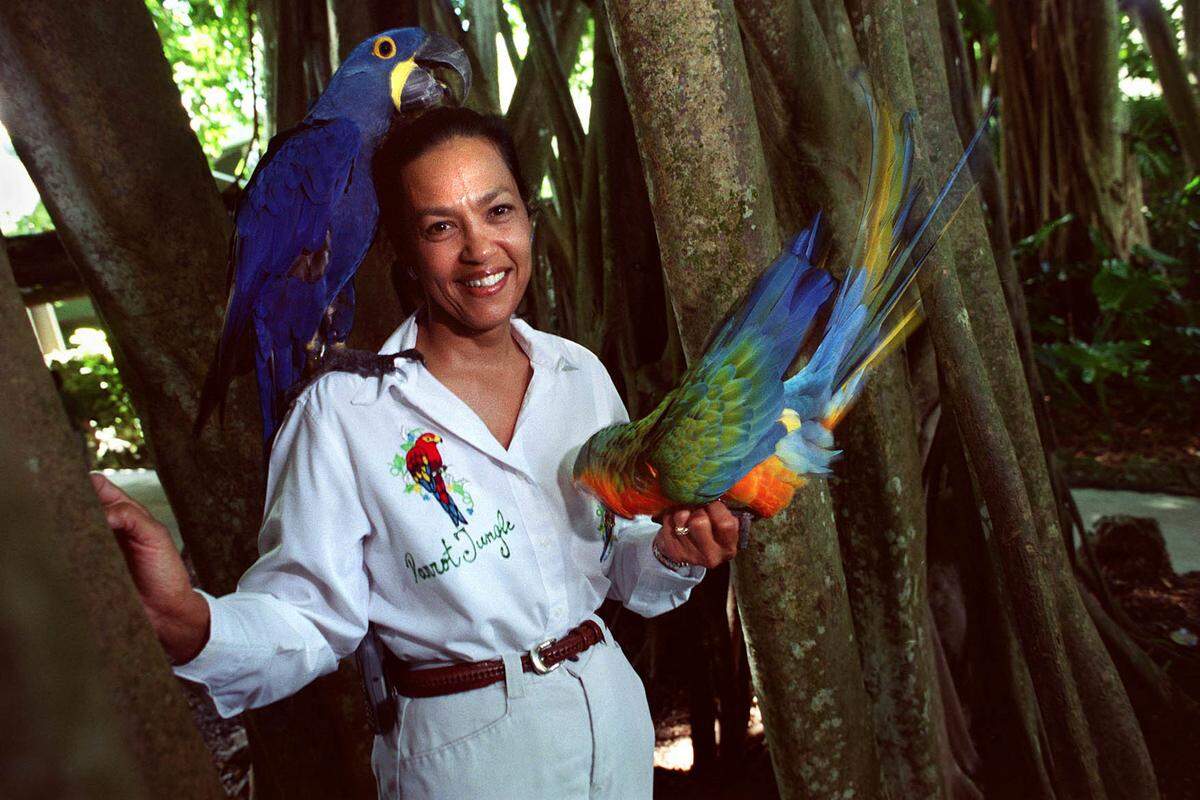
In August 2002, the Herald’s late garden writer Georgia Tasker walked through the original Parrot Jungle one last time to take in the parrots and other birds.
“The tourists still were feeding them — and the flamingos, which stopped marching on command in the 1980s and started having babies,” she wrote. “Children were playing among the branches of a giant banyan, as they have for decades. The cockatoos and macaws were on their show perches, waiting to perform, and the jungle was filled, really filled, with bird sounds. Never was there a noisier bird than a macaw, but cockatoos can get right up there. The metallic screeches sounded like music as they ricocheted off palms and oaks in the depths of the cypress slough.
“It is a spot that shows some of the area’s best handiwork,” Tasker, who died in 2023, wrote.
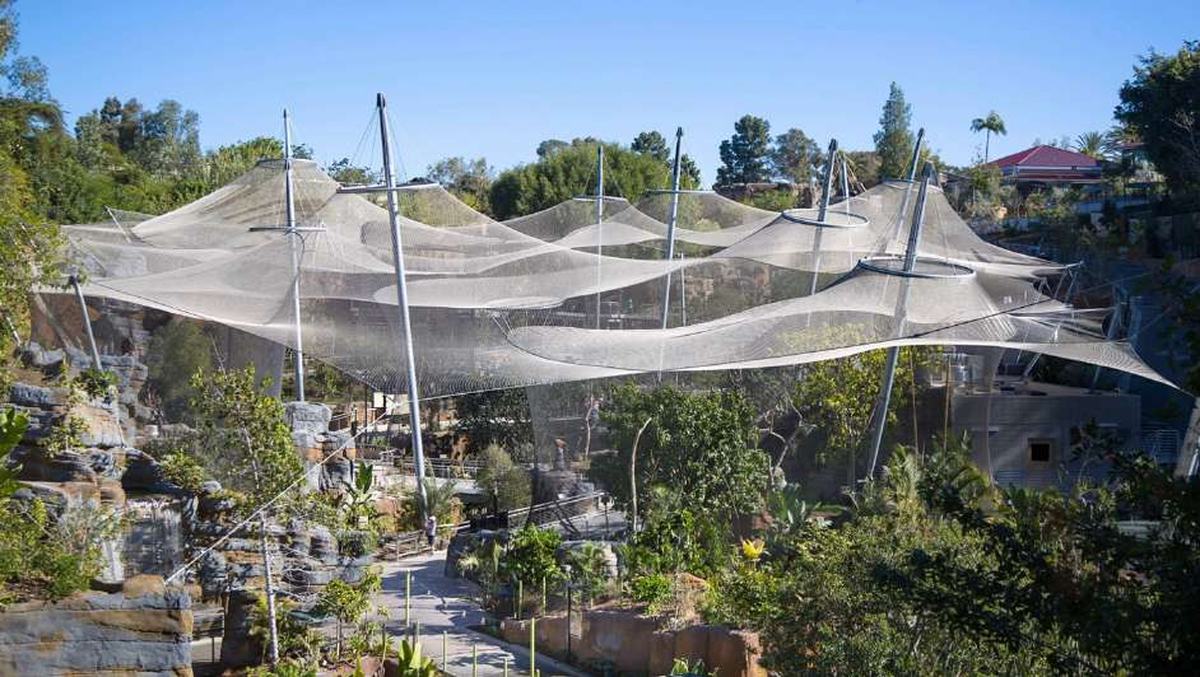
If the deal happens, Pinecrest Gardens may see a similar scene. The lower garden to the right of the main entrance could be fashioned into an open aviary, similar to what Zoo Miami visitors experience, Hammontree said.
“We’ll have a better idea once the budget hearings are over.”
This story was originally published July 18, 2025 at 2:20 PM.