UM booster John Ruiz’s company says it could close within a year
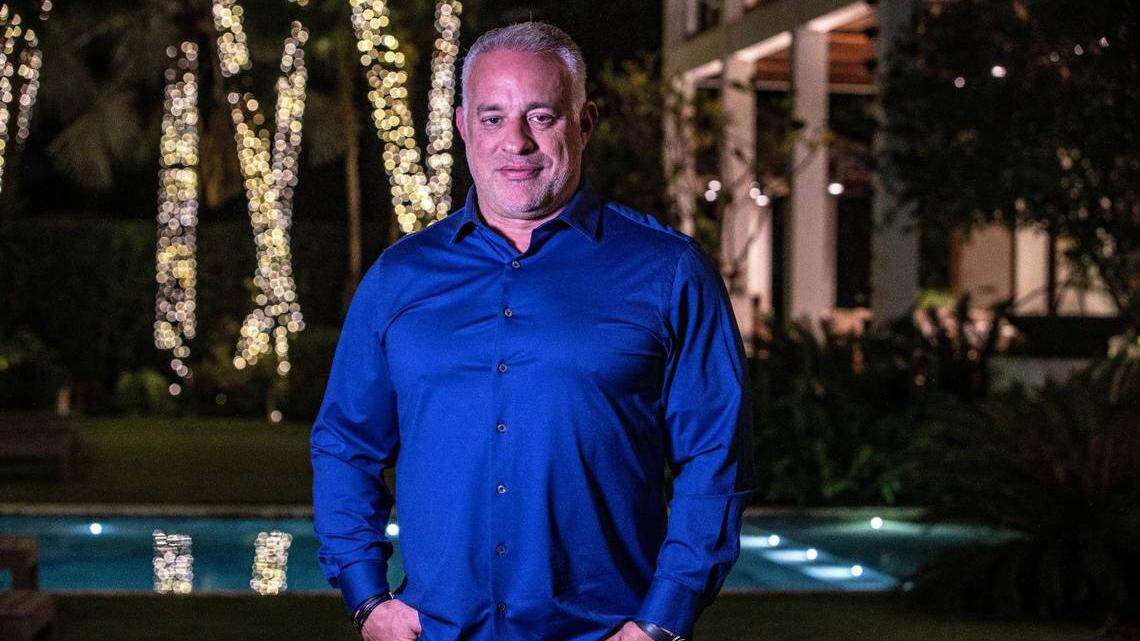
The slow collapse of John Ruiz’s insurance claims company appears to be nearing its end.
MSP Recovery, helmed by the brash attorney and University of Miami athletics booster, admitted that it has “substantial doubt” about its ability to continue to operate beyond the next year, according to its 2024 annual report filed this week with the Securities and Exchange Commission.
The Coral Gables company faced the possibility of defaulting on its loans after its independent auditor, Deloitte and Touche, raised concerns about its ongoing viability. To avoid shutting its doors, the publicly traded company has embarked on a restructuring plan with its creditors.
After years of anemic revenue, the company, which focuses on collecting insurance claims that were paid by the wrong party, said it will be establishing a subsidiary to try to extract as much income as possible from the company’s outstanding claims, the SEC filing says. But this new entity will operate independently of Ruiz’s company, with a new chief executive officer chosen by one of MSP Recovery’s creditors.
“Almost certainly, the company is going to be going out of business,” said Jay Ritter, a University of Florida business professor who specializes in startups.
Ruiz and other MSP representatives did not respond to multiple requests for comment about the company’s SEC filing. In a news release, the company’s founder and CEO said: “Our restructuring efforts and proprietary technology position MSP Recovery to scale recovery efforts with greater efficiency and impact.”
The admissions in the SEC filing by MSP Recovery represent a stunning decline for the company, which went public in May 2022 with an eye-popping valuation of more than $32 billion.
The company’s perceived value even briefly put Ruiz on Forbes’ list of billionaires.
And Ruiz certainly spent like a billionaire.
He made headlines for the millions of dollars his company said it showered on University of Miami student athletes through newly legal name, image and likeness (NIL) endorsement deals. And the Herald documented his extravagant spending, which included the purchase of seven waterfront mansions and a private Boeing passenger jet.
But the company’s revenue never matched its ambitious forecast of billions of dollars in insurance claims recoveries.
And, as the Herald revealed, the company has been under investigation by both the U.S. Securities and Exchange Commission and U.S. Attorney’s Office in Miami in connection with what it communicated to investors. The latest annual report contained no significant updates about the status of either investigation but conceded that an internal committee appointed in April 2023 in response to the federal investigations and other accounting-related matters has been costly to the company.
In the company’s latest annual filing, it also downgraded by $752.7 million the value of its assets, which consist primarily of insurance claims the company pursues. Overall, the company now said that its assets were worth just under $2 billion at the end of 2024, which is less than one third of what it said its assets were worth in June 2022, soon after the company went public.
Under the company’s business model, it seeks to recover health insurance payments on behalf of the federal government and private insurers that should have been paid by a different party.
But in the SEC filing, MSP acknowledged that its model has encountered another formidable problem besides debt: In 2022, a federal appeals court in Atlanta imposed a four-year statute of limitations on certain lawsuits brought by MSP — a ruling that would prevent MSP from bringing some of its claims.
The company reported $18.1 million in claims recovery income last year, more than double the $7.2 million in claims recovery income it reported in 2023 but a far cry from the lofty projections the company initially presented to investors when it was going public. In a May 2022 letter to stockholders, a company affiliate forecast that Ruiz’s company would collect more than $10 billion in recoveries in 2024, with more than $3.2 billion going to the company before taxes.
Ruiz made a name for himself for his company’s endorsement of numerous University of Miami athletes in the early days of NIL deals and for his proposals to build a stadium for the university’s football team, which never came to fruition.
His support of the athletics program got the university in hot water in 2023, when the Miami women’s basketball team was sanctioned by the NCAA after the organization found that Ruiz had provided an impermissible meal to the twin sisters Haley and Hanna Cavinder before they transferred to Miami from Fresno State.