How did Miami become the 305? We have Pitbull, but it’s not the only area code anymore
Miami loves the 305.
We tell people that’s where we live.
Florida International University puts it on its football helmets and plays at Pitbull Stadium, named for Mr. 305 himself.
It’s even the time, 3:05 p.m., that we like to take a cafecito break.
Not everyone is assigned the 305 area code in Miami-Dade County anymore. Some of us have 786, which started in 1998. And a third area code, 645, went into service in 2023.
MORE: A new area code is coming to Miami-Dade and the Florida Keys. What you should know
How the 305 started
There may be to too many phone numbers for the 305 to accommodate these days, but the area code remains the gold standard, the cultural identity of a region.
So, how did Miami get to be the 305? It all started in the 1940s.
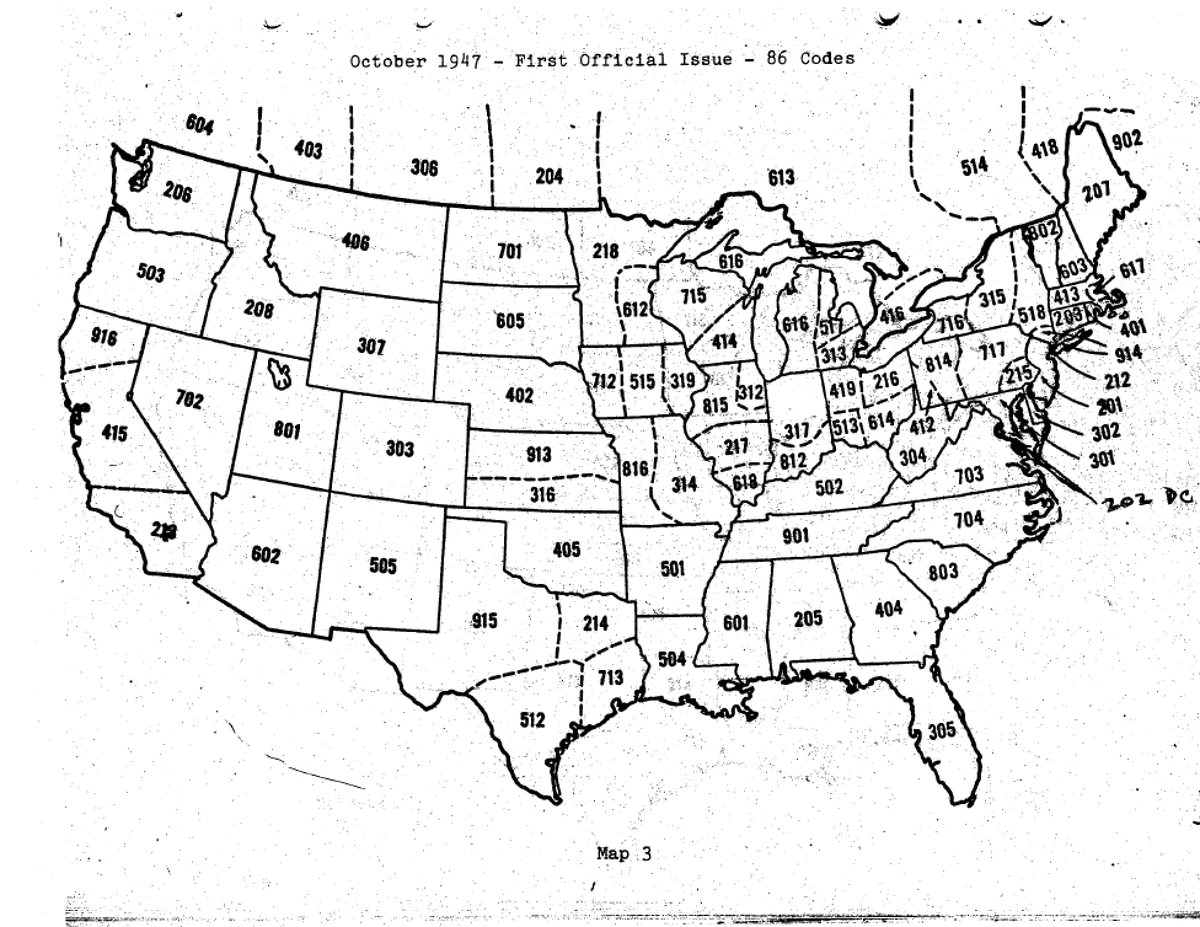
Before the 305 was Miami’s baby, the area code was used by all of Florida from the Keys to Tallahassee. It was one of the first 86 area codes in the country created through the National Numbering Plan in 1947.
But then, as Florida’s population boomed— as did the number of new residential phones, business phones, and later, cellphones, faxes and beepers — 305 numbers began to run out. It was time for the North American Numbering Plan Administrator to assign new area codes.
By 1953, Southwest Florida was given 813. By 1965, North Florida had 904, and by 1988, the 407 was created for Central Florida, the Treasure Coast and Palm Beach County (which even later got its own area code: 561). In 1995, Broward was put on notice: It would be known as 954, leaving Miami-Dade and Monroe with the highly prized 305.
Broward wasn’t happy.
MORE: Mr. 786? Miami Heat area code apparel caught in 305 oversight
The 305 vs 954 battle
How connected are we to the 305?
Well, just weeks after the Florida Public Service Commission voted to take Broward out of the 305 in August 1995, two Fort Lauderdale men sued to stop it, according to the Miami Herald archive.
“Broward County, which is a booming oasis, will be turned into a desert, an economic wasteland, a Third World Town,” if it were to lose its 305 status, the suit claimed.
At the time, 954 was one of 23 new codes being introduced in the U.S. and its territories between 1995 and February 1997 that did not have a 1 or 0 in the middle, according to the Herald at the time.
But there was a problem: Some switchboards and telephone systems in the United States and particularly overseas couldn’t process calls to these new area codes, requiring people to upgrade or replace their systems.
Business groups, including the Pompano Beach and Deerfield Beach chambers of commerce, worried the change would hurt Broward businesses and give Miami-Dade and Monroe counties an unfair advantage, particularly with tourists. They called for the commission to reverse its decision.
“We’re issuing a call to arms,” John Bauer, president of Basic Foods International, a Fort Lauderdale international food distribution company, told the Miami Herald in August 1995. “This is a matter of live or die for Broward County.”
Eventually, a truce was made, and Broward businesses could get a 305 number by paying a monthly fee for remote call forwarding.
Broward’s switch to 954 didn’t happen overnight. There was a one-year transition period when people could dial either 305 or 954. During this time, BellSouth and the commission worked to get the word out about the change.
This included a TV ad for a toll free number people could call if they needed help with the transition. Some people dialed 800 instead of 888 by mistake. It sent them to an operator who said: “Hello, lover, you’ve reached the hottest, most seductive adult phone service in America.”
This story was originally published December 18, 2024 at 6:33 AM.