
Historic Warner House, home of Miami Hispanic Ballet, gets help from The Villagers preservation group.
In my last column I wrote about the Biltmore Hotel and the journey of its lost tiles.
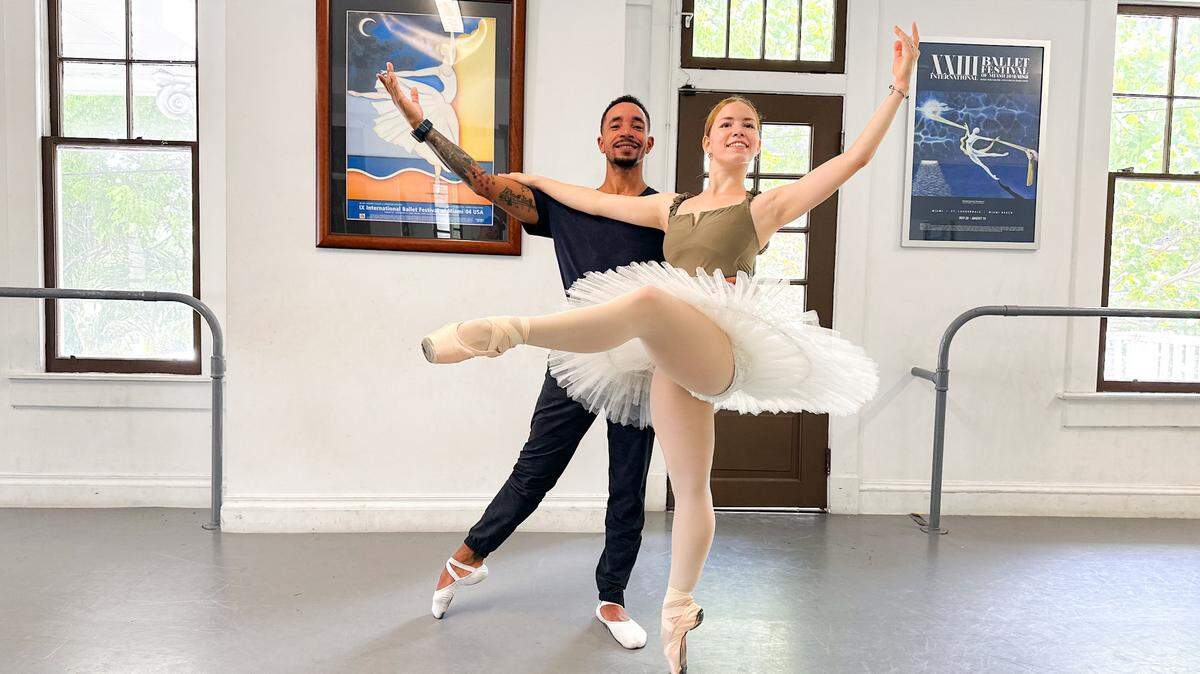
Another beautiful historic Miami building we can appreciate is The Warner House, current home to the Miami Hispanic Ballet.
Built in 1912 by architect George L. Pfeiffer, the house is at 111 SW Fifth Ave.
The Villagers, Miami’s oldest preservation organization, has been on a mission to preserve it for more than 40 years.
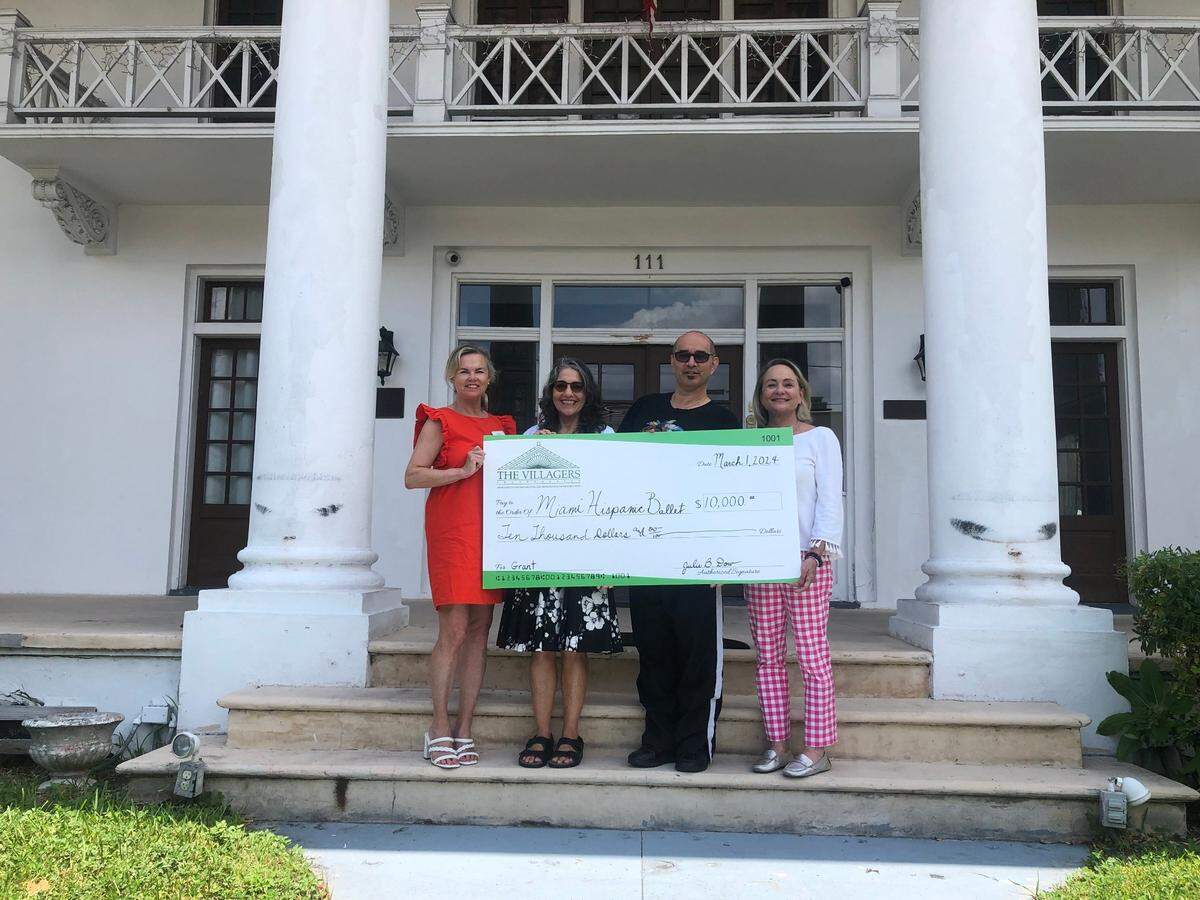
The group recently awarded $10,000 to the Miami Hispanic Ballet for work completed to repair the foundation and subfloor of the historic residence.
The space is utilized for ballet performance rehearsals and visiting ballet students from around the world, as well as theater companies, art exhibits and ballet lessons for children in the surrounding community.
“The Villagers members were instrumental in saving The Warner House from demolition in 1980, and we continue our commitment to preserving this important part of Miami’s early history,” said Kelley Schild, Villagers president.
For a bit of history, local pioneers James and Susan Warner and their family arrived in Miami for James to work in accounting with Henry Flagler. The family went on to found the Miami Floral Company, the first florist in the area.
After experiencing the 1906 hurricane, they wanted a home built to withstand future storms and, under the direction of architect Pfeiffer, they decided on reinforced concrete. The 22-bedroom home was built on an elevation with 16-inch walls, modern electricity and indoor plumbing, unique for the time.
Many years and hurricanes later, the home was purchased in the 1980s by Villagers Dolly McIntyre and Sallye Jude in partnership with Tim Blake and Maggie Wood to save the impressive Neoclassical structure. In 1983, the building was granted a spot on the National Register of Historic Places. The Villagers maintained it for more than two decades.
Then, in 2009, the Miami-Dade County Cultural Affairs Council awarded a grant to the Miami Hispanic Ballet to help purchase a permanent home. Meticulous restoration and maintenance restored the historic building to its former impressive status.
To learn more about advocating for Miami’s architectural heritage of historic sites and neighborhoods, visit www.thevillagersinc.org The group has a legacy of 58 years.
MARINE BAND CLARINETISTS PERFORM
Three members of “The President’s Own” United States Marine Band — in their full-dress uniforms — performed July 31 at a free concert at FIU’s Wertheim Performing Arts Center.
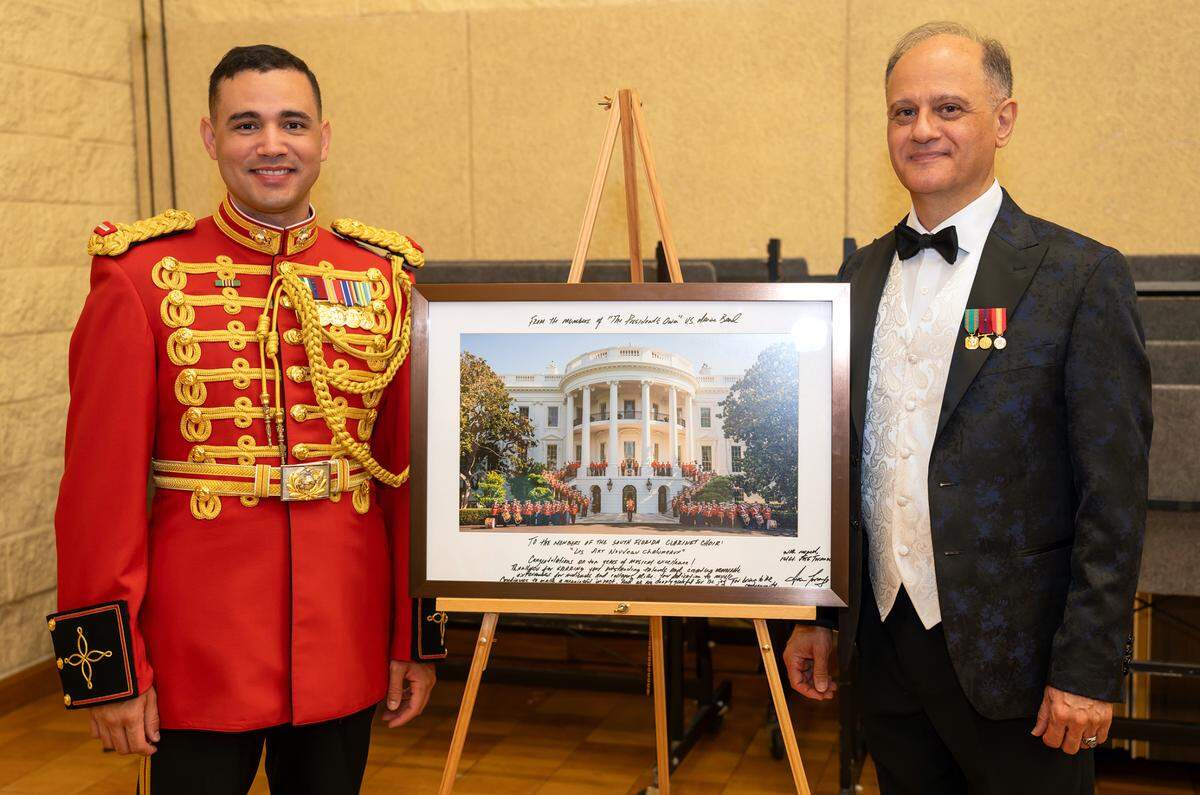
First Lieutenant Jose D. Toranzo was the guest conductor at the South Florida Clarinet Choir “Les Art Nouveau Chalumeaux” 10th anniversary concert. Toranzo is assistant director of the Marine Band and a 2014 graduate of Coral Gables High School
Other members of “The President’s Own” Marine Band who performed were clarinetists and Gunnery Sergeants Zachary Gauvain and Alexander Bullard.
The all-volunteer, 55-member Interscholastic Ensemble Clarinet Choir includes clarinet instructors, music educators and top-level high school, college and university students.
“We presented a very diverse and entertaining program to commemorate this momentous occasion. We were very honored to have my colleagues performing with us,” said Richard A. Zogaib, the ensemble’s director and former music librarian and clarinetist with “The President’s Own.”
After graduation, Toranzo enlisted in the Marine Corps and reported to recruit/combat training, and then to the Naval School of Music. He served tours of duty as both a horn player and instructor in the Fleet Marine Music Program. He studied with Russell Seifter, former principal horn of the Miami Symphony Orchestra.
Toranzo assumed his new duties as assistant director of “The President’s Own” in March and conducts the Marine Band and Chamber Orchestra in the national capital region and at the White House. Contact Zogaib at sofloclarinet@gmail.com or call (305) 598-2559.
TYPE 1 DIABETES GROUP CHANGES NAME
What was once considered a condition primarily diagnosed in childhood, Type 1 diabetes is now known to develop in patients of any age, regardless of family history.
To reflect this, the leading global T1D research and advocacy organization has changed its name to Breakthrough T1D and awareness strategies are changing too.
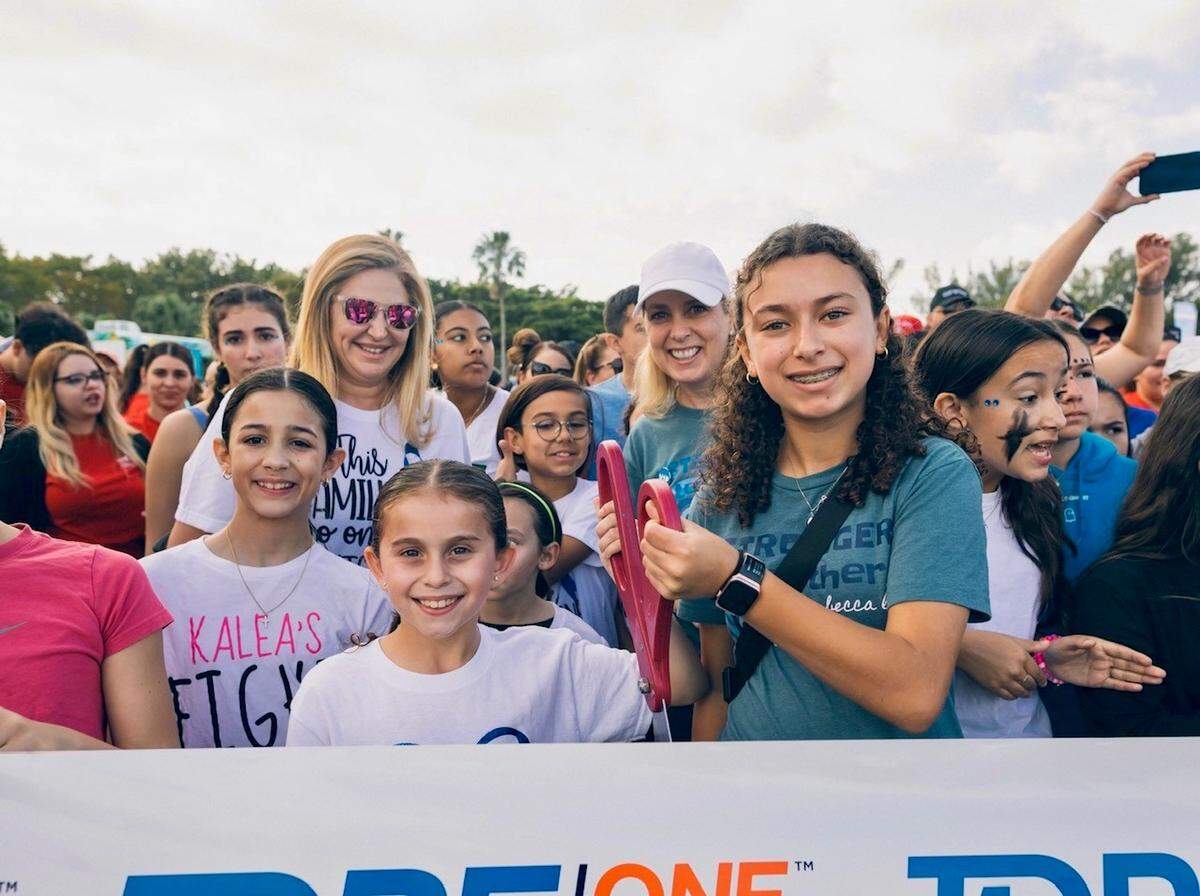
Until this summer, the nonprofit was known as the Juvenile Diabetes Research Foundation (JDRF). It was founded in 1970 by families of children living with the disease. “Our new name, Breakthrough T1D, puts our mission front and center. To accelerate life-changing breakthroughs to cure, prevent and treat Type 1 diabetes and its complications,” said Pam Morrisroe, chief marketing officer of Breakthrough T1D.
Breakthrough T1D rolled out its new name at the organization’s four-day Government Day conference in Washington, D.C., a meeting attende by volunteer T1D advocates from across the country.
“It is an honor to be CEO at this breakthrough moment as the organization takes a name that more accurately reflects our community and priorities,” said Aaron J. Kowalski, Ph.D., CEO of Breakthrough T1D.
“As an adult and scientist living with Type 1 diabetes, I believe our new name, Breakthrough T1D, will help to deepen engagement and support across the entire community as we drive toward curing Type 1 diabetes.”
T1D is an autoimmune disease that causes the pancreas to make very little insulin or none at all. The onset of the disease has nothing to do with diet or lifestyle.
Globally, it affects nearly 9 million people. The disease often presents in adulthood and accounts for nearly 50 percent of all T1D diagnoses.
Its causes are not yet entirely understood, but scientists believe that both genetic factors and environmental triggers are involved. There is currently no cure.
For local help learning about symptoms, testing and support, visit www.breakthrought1d.org/southernflorida/
Write to ChristinaMMayo@gmail.com with news for this column.