As if gators and iguanas weren’t enough in Florida, should you fear the banana spider?
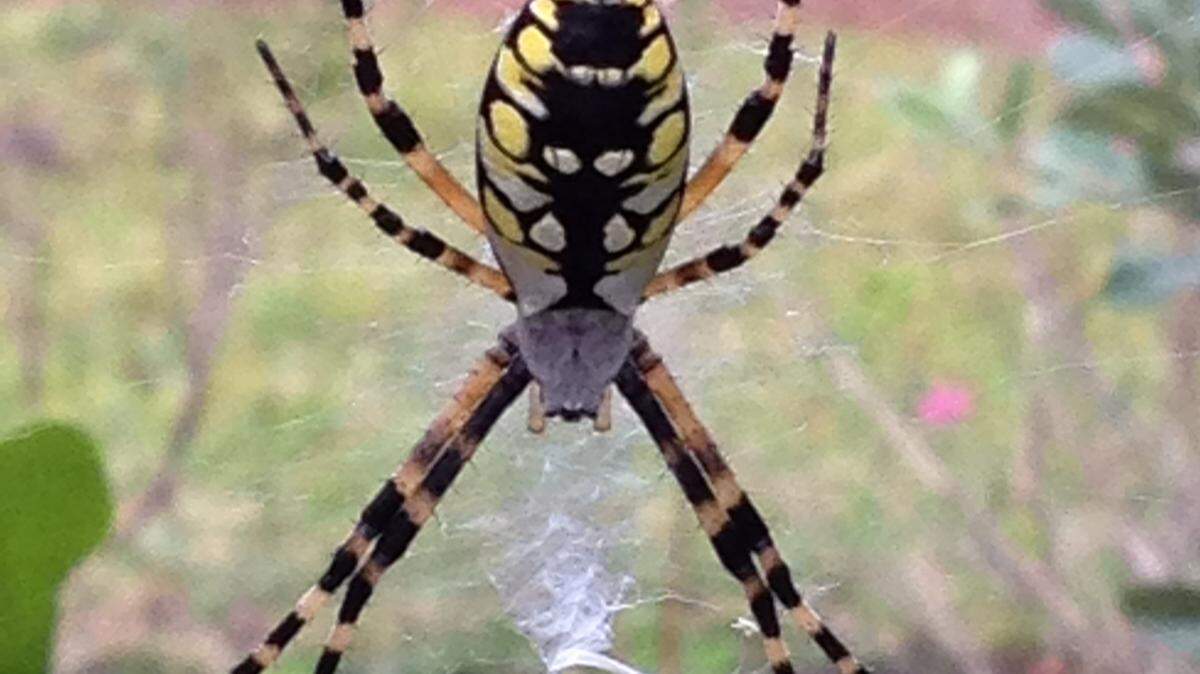
Ahh, summertime in South Florida. School is out And so are the critters.
Is that an iguana pooping on your porch? An amorous alligator lying on the canal bank? A cockroach feasting on your dirty dishes?
And, gulp, is that a huge spider in your yard?
We all know about the gators and roaches and iguanas. But what about this spider?
Here’s what to know about the banana spider:
The banana spider
Name: The arachnid can be a creepy sight for people who don’t like spiders. But it’s not that bad. Really. The banana spider refers to what is also called a golden silk orb-weaver (Nephila clavipes). The species is a common American spider that can be found throughout the country. “The golden silk orbweaver is a tropical climate spider. Its name comes from the color of its spider silk. The threads have a yellowish hue to them,” according to Insect Identification, a notable insect identification website.
Sightings: The spiders can be seen through Florida and are mostly found mid-to-late summer. They prefer to be in high humidity. Well, they should feel at home in Miami.
Others: Although several types of spiders are called a banana spider, they aren’t all related. Other spiders that take the name include the red-faced banana spider (and other Cupiennius), Brazilian wandering spider and the Hawaiian gardening spider.
MORE: These spiders aren’t creepy — they’re beautiful
All you want to know about the banana spider
Sure, banana spiders are giant and look quite vicious, but there are several other things to know about them:
▪ They mostly eat insects, but they are large enough to eat mice, lizards and snakes.
▪ The dragline silk of banana spiders can be stronger than Kevlar, which is used to make bulletproof vests.
▪ Some of these spiders seem to be able to control how ultraviolet light reflects off their body stripes. This helps them attract prey
▪ Females eat the males after mating.
▪ Their species is the oldest surviving spider genus. Fossil remnants are 165 million years old.
▪ Their silk can be used to make clothing or fishing nets.
What do they look like?
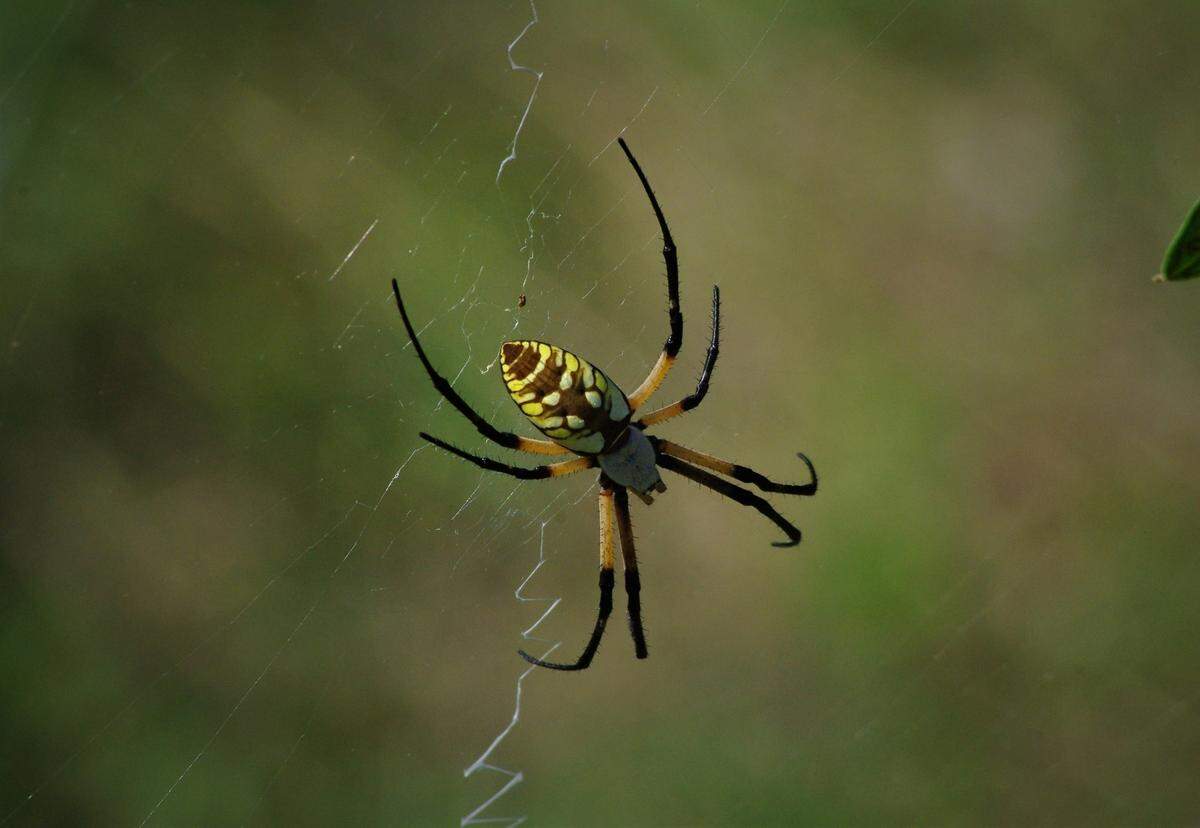
Description: Banana spiders can look ginormous, alarming to anyone who crosses its path. Bu tthey’re also pretty in a spider-y sort of way. “Banana spiders get their common name because their abdomen (back section) is a bright yellow. Female banana spiders can be 3 inches or more across with their legs spread out, while males are rarely more than 0.5 to 0.75 inches across. The black sections on their legs are fuzzy, like a bottle brush and their cephalothorax (the front body part, where there are eyes and legs) is a whitish color,” according to the Clemson Cooperative Extension Home & Garden Information Center through Clemson University.
Gender: Aside from size, both the male and female spider have different colors. “The female has yellow spots on a light orange/tan abdomen, while the males are dark brown and often go unnoticed completely. The females’ legs have brown and orange bands with two furry tufts on each leg, save for the third, shorter pair,” according to Ehrlich, a pest control company.
Are banana spiders dangerous?
Sure, they’re scary-looking, but they’re not dangerous. These arachnids are known for being gentle and pretty much harmless and only bite when they feel threatened. “This spider will only bite if you hold or pinch it, and the bite is not likely to be dangerous. You may feel pain and notice redness where the spider bites you, but these usually disappear quite quickly. The pain is typically less than a bee sting would cause,” according to healthline.
Where are they found?
Common locations: Banana spiders don’t shy away from potential predators. If you’re ever out doing yard work, walking a nature trail or riding your bike, it’s best to watch out. Generally found in trees or tall bushes, this is not a web you want to walk into. “They build webs up to 3 feet in diameter and sit, head-down, right smack in the center of them. This spider does not hide from its prey,” detailed Insect Identification.
Webs: Golden silk orbweavers prefer to weave their webs in locations that are on a slight incline as opposed to a location that provides a more vertical set-up, which is common among orb-weaving spiders. “These webs are incredibly strong with intricate designs. Female banana spiders weave the giant webs in forest areas, often along walking trails. They can even adjust the silk’s yellow hue to match the area’s sunlight conditions, making the web difficult to see. While this is primarily for the purpose of catching prey off-guard, it can also make webs inconspicuous to unsuspecting hikers,” according to Ehrlich.
This report was supplemented with information from the Miami Herald and McClatchy archives.
This story was originally published June 7, 2024 at 8:24 AM.