Interfaith march in Miami aims to unify religious groups, combat hate in Florida
The interfaith organization Mosaic Miami hosted its first march for unity last year with the goal of building community by bringing together people of different religions and backgrounds.
It came, by pure happenstance, the day after a racist mass shooting — a 19-year-old white gunman had killed 10 Black shoppers and employees at a supermarket in Buffalo, N.Y. This year’s march, planned for downtown Miami on Sunday, comes in the wake of more horrendous violence and even higher tensions surrounding the Hamas attack on Israel three weeks ago and the escalating conflict since in the Gaza Strip.
The timing actually underlines the message the group’s second annual march is meant to convey. It’s a gathering intended to counter rising complaints of antisemitism, Islamophobia and other hate speech and crimes.
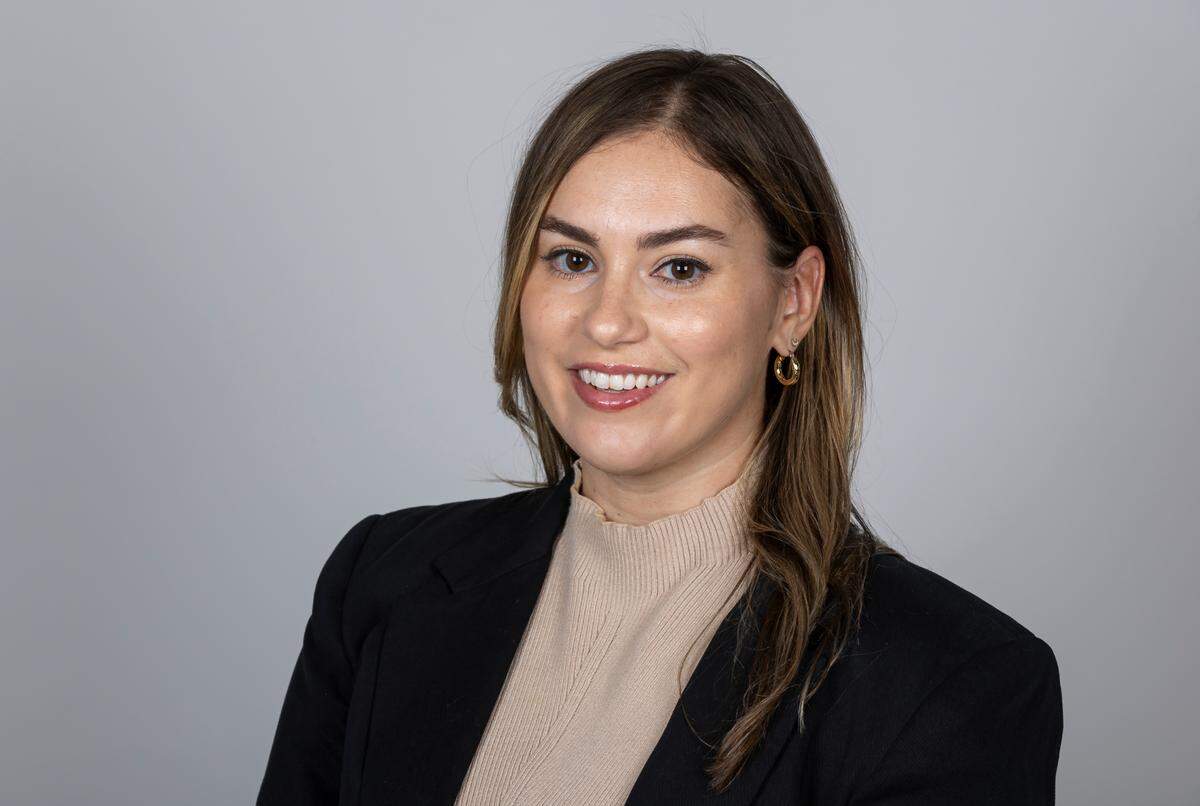
“In the midst of confusion, hurt, and heartbreak, Miamians are still courageous enough to come together in unity,” said Matt Anderson, executive director of Mosaic Miami. “We all might not be seeing eye to eye, but I think at our core, we still care about one another.”
The “We Are United March,” scheduled to begin at 3 p.m. on Sunday, invites other supporters to join the march for peace and unity alongside interfaith members from the Coral Gables Congregational United Church of Christ, Temple Beth Am, the coalition of South Florida Muslim organizations (COSMOS) and other groups. The peace march will begin at the Freedom Tower at Miami Dade College and end at The Underline in Brickell.
Many of the 26 organizations involved have religious origins, but some secular partners include businesses (Books & Books), nonprofits (The Miami Foundation) and some political leaders (Miami-Dade County School Board Member Luisa Santos).
They intend to show up to support Mosaic’s mission to bring all faiths, races and cultures together to promote understanding, despite differences. The group was founded in 1935 as the Miami Branch of the National Conference of Christians & Jews, but was re-branded earlier this year to Mosaic Miami to include all faiths and backgrounds.
Organizers have stressed the march is not intended to be a protest of the Middle East conflict and they will not permit outside banners, flags, or signs. They will, however, provide “We Are United” signage to ensure the messaging stays neutral and unified. Given the powerful underlying issues, that can be a challenge.
In weeks leading up to the event, a small rift between partners exemplified just how difficult it can be to bring groups together in the current climate. The coalition of South Florida Muslim organizations (COSMOS) had considered boycotting the march due to an issue they took with Mosaic’s messaging around the Middle East conflict. The COSMOS leadership board called the interfaith organization’s position “one sided,” and felt that Mosaic should have done more to recognize the loss of innocent Palestinian lives at the hands of the Israeli military.
“Human lives on both sides should have the same value for an organization which prides itself in bringing Diversity, Equality and Inclusion as part of their mission,” the statement from COSMOS read.
But, after talks with Mosaic leaders, the issue was resolved within days, and COSMOS rejoined the march. It’s an example of the bridge-building and dialogue the march is intended to promote.
“The point of building coalitions is not always to agree, but to listen and to understand your partners in the community,” said Anderson. “This is not a time to to react in a defensive manner.”
.jpg "final evening 48 hours in solidarity (1).jpg")
Sunday’s unity march comes against a backdrop of strained relations between Muslim and Jewish groups in Florida and across the country as violence continues in the Israel-Hamas war. In South Florida, pro-Israel and pro-Palestinian protests continue, including on some college campuses. Just this week, pro-Palestinian groups gathered for a 48 hour sit-in at the iconic Torch of Friendship on MIami’s Biscayne Boulevard to call for a ceasefire between the Israeli military and Hamas and to allow humanitarian assistance into Gaza.
Over two days, organizers said hundreds of people, including from the group Jewish Voice for Peace, turned out in support of the ceasefire as well as calls to create a state for Palestinian people.
Last week, Gov. Ron DeSantis ordered two state universities to deactivate chapters of Students for Justice in Palestine, claiming they had violated state laws prohibiting antisemitism. Jewish groups around Florida say they are feeling unsafe and are seeing rising instances of antisemitism. Muslims, too, have reported a rise in Islamophobia.
But the march for unity sends a message of hope for the future.
“What I’m hoping is that our attendees, in the midst of all this heartache and confusion, can see at least a glimpse of hope that there will be healing,” Anderson said.
If you go
What: We Are United March. Two-hour interfaith march against hate.
Where: Freedom Tower in downtown Miami, 600 Biscayne Blvd.
When: 3 p.m., Sunday, Nov. 5
Tickets: Free, but participants are encouraged to register.
This story was produced with financial support from Trish and Dan Bell and from donors comprising the South Florida Jewish and Muslim Communities, in partnership with Journalism Funding Partners. The Miami Herald maintains full editorial control of this work.
.jpg "IMG_6258_(1).jpg")
This story was originally published November 3, 2023 at 5:30 AM.