This jumpy, furry creature was born at Zoo Miami. Take a look at the adorable photos
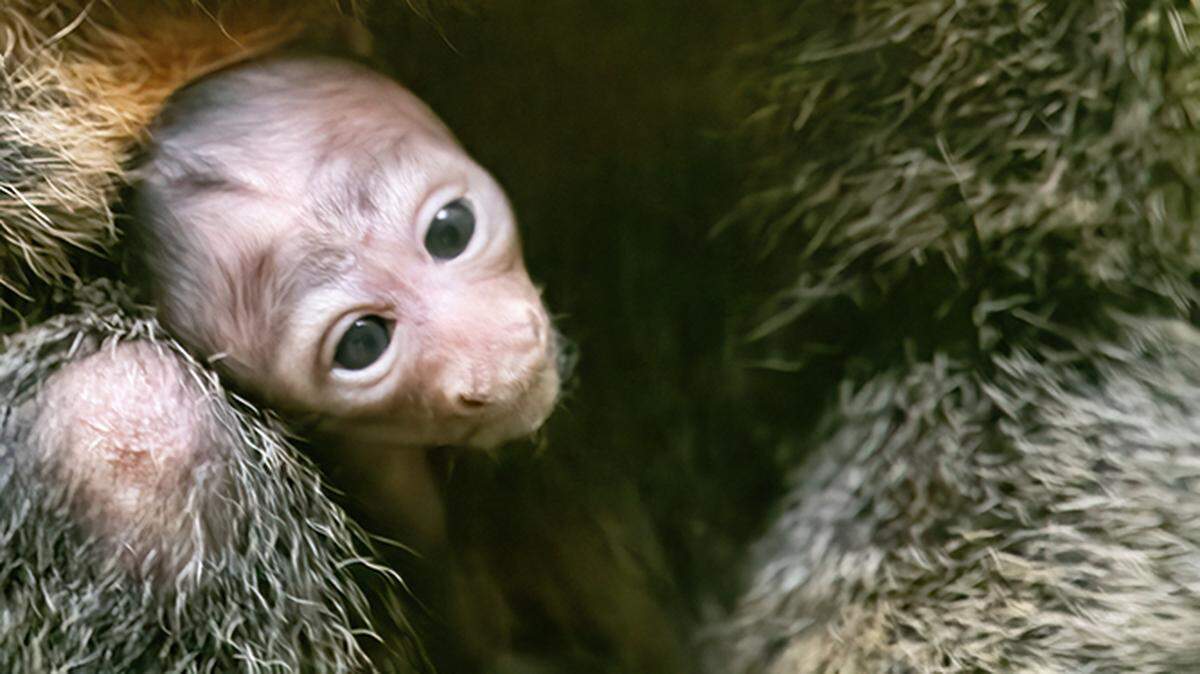
Zoo Miami is celebrating its newest member of the family — a newborn South American monkey whose species are able to jump up to 30 feet between trees to move around forests.
The white-faced saki monkey, a primate native to Venezuela, Guyana, French Guiana, Brazil and Suriname, was born Sept. 27, the zoo announced Thursday in a news release.
“Since the birth, mom and baby have remained isolated in a secluded holding area to ensure that they were able to properly bond without any disturbance,” the zoo said. “During the past week, the newborn has been observed nursing and appears to be in good health.”
The baby and its mother, 13-year-old Alejandra, were recently given access to their habitat “as part of a careful introduction back to a normal routine,” the zoo said. The newborn’s father, Macky, also is 13.
“She is very protective of her infant which makes it difficult to get a clear view of it as it is cradled on her chest covered in a thick coat of hair,” the zoo said.
For this reason, the baby’s gender hasn’t been confirmed.
Moving forward, mother and baby will be out intermittently in their habitat at the Flooded Forest Building at the zoo’s Amazon and Beyond Exhibit as the infant gets comfortable with its new surroundings.
Here’s what else you need to know about these primates:
What do you know about white-faced saki monkeys?
▪ Despite their name, only male white-faced sakis have the signature white face. They females are generally brown to gray.
▪ A mother’s pregnancy will last about 146 days (almost 5 months) and she will almost always give birth to a single offspring, according to the New England Primate Conservancy.
▪ Distinguished by their thick fur and bushy tails, adults grow to between 3 and 4 pounds.
▪ These monkeys are arboreal, which means they use their four limbs to navigate or swing through trees.
▪ They feed mostly on fruits, seeds, nuts and invertebrates.
▪ In the wild, white-faced sakis have a life expectancy of 15 years
▪ Their main predators are large birds of prey, jaguars, ocelots and large constrictor snakes.
▪ The biggest threats of these primates are habitat loss and capture for the pet trade.
▪ The International Union for Conservation of Nature gives the white-faced saki a Least Concern status because they are widely distributed and found in numerous protected areas.
Isn’t it adorable?
Check out more portraits of the new white-faced saki baby at Zoo Miami in this beautifully crafted gallery.