
Doral incinerator fire dilemmas: Where to dump Miami-Dade’s trash; where to rebuild?
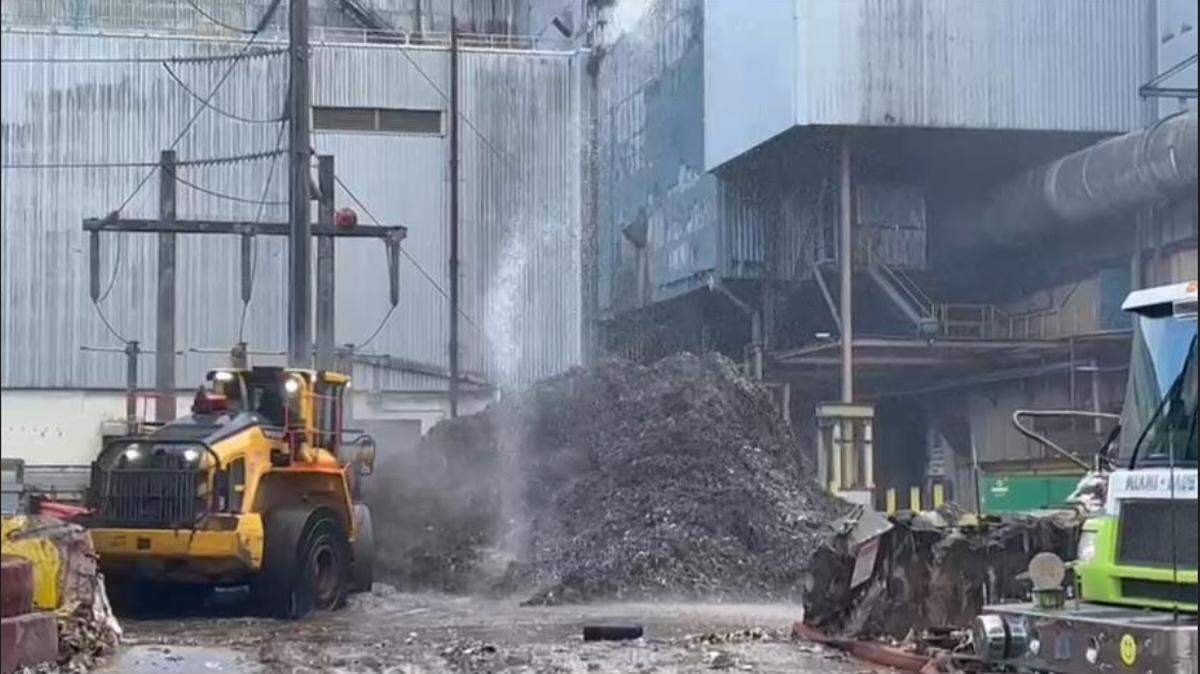
The fire that shut down Miami-Dade County’s incinerator plant four months ago also sparked an uncomfortable question for elected leaders: whether to build a new one someplace else.
Long a source of friction from neighbors who complain of garbage smells in their backyards, the Doral facility shut down in February after a fire destroyed the equipment needed to incinerate about 1 million tons of household trash a year.
That’s more than half of the garbage the county processes each year, trash now being diverted to landfills that already were running out of space in a county with nearly 3 million residents.
“It’s not a sustainable option,” said Mike Fernandez, director of Miami-Dade’s Solid Waste Department. “Landfills do fill up.”
READ MORE: After fire, Miami-Dade commissioners reverse vote to keep incinerator in Doral
The Feb. 12 fire not only paralyzed what Miami-Dade describes as the “centerpiece” of its waste-management system, it also disrupted a process on track to build a $1.5 billion modern replacement incinerator on the same location.
Last year, Miami-Dade commissioners hastily endorsed building the replacement facility on the same site after Mayor Daniella Levine Cava presented a consultant’s report describing that as the most efficient option.
The mayor asked for more study of three alternative locations, but commissioners passed a resolution on July 19, 2022, without debate declaring the Doral site the preferred location.
Less than a month after the fire, commissioners reversed that decision and agreed to start fresh on deciding where to put a modern incinerator. Commissioner Juan Carlos Bermudez, a former Doral mayor, led the effort. He was elected in November and lives less than a mile from the incinerator.
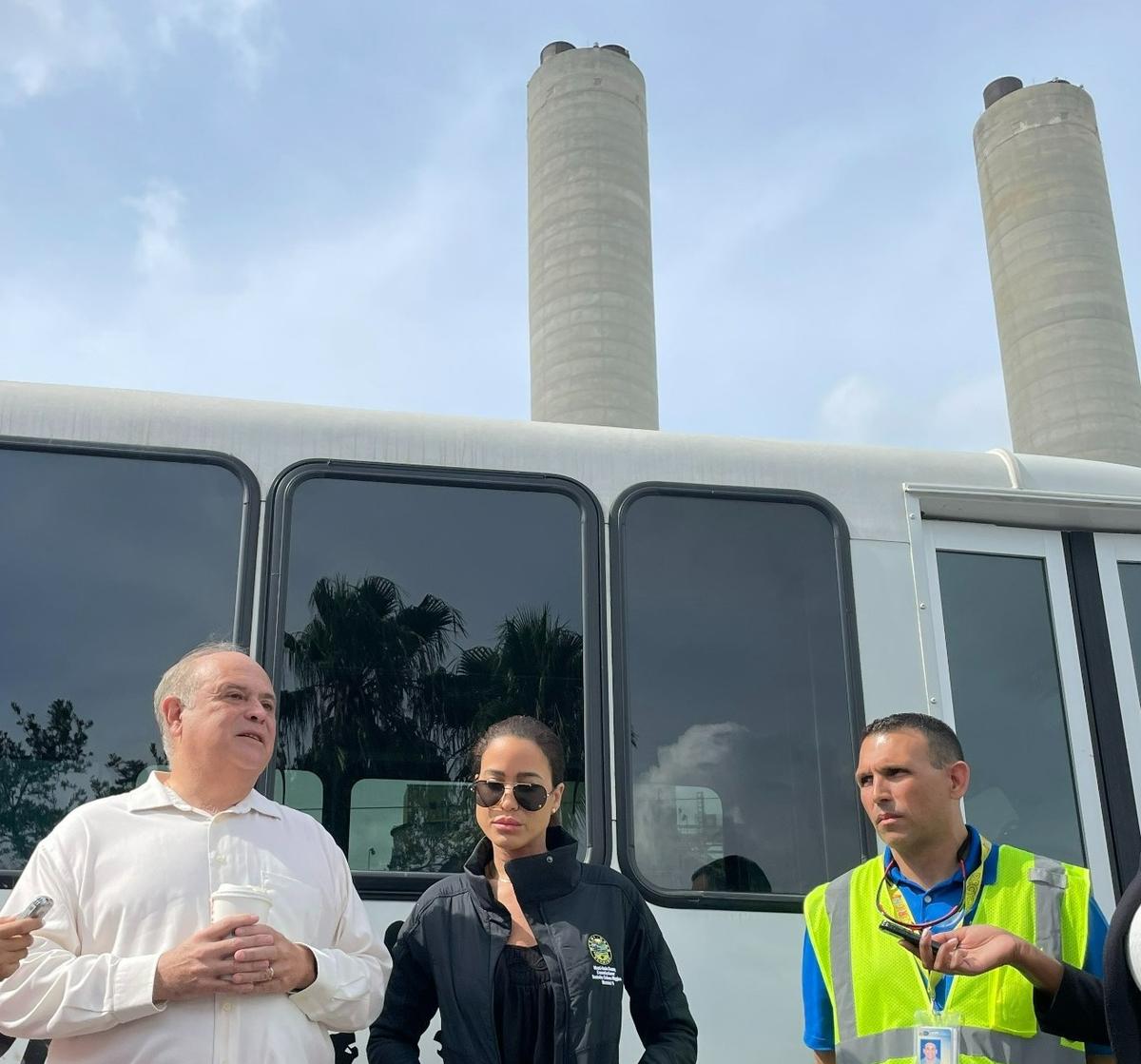
“My goal is what it was when I was mayor of Doral,” Bermudez said during a May 31 tour of the incinerator. “To try to convince my colleagues to find an alternate facility long-term that is not around an urban area. It’s not just about Doral.”
Mayor Daniella Levine Cava was scheduled to deliver her recommendation on the incinerator’s future this month, but won permission from the county commission to delay that deadline until September.
Opponents of the plant, run by the for-profit firm Covanta under a county contract worth $60 million a year, see the shutdown as a way for Miami-Dade to finally move the operation out of Doral.
Last week, Earthjustice and Florida Rising, advocacy groups against the incinerator , released a report documenting unhealthy air-quality levels outside the plant during the fire. The report also noted the February blaze was actually the fifth fire at the facility since 2019, a record the groups said highlighted why incinerators should not operate.
“No community should have to endure years of odor and pollution impacts and then suffer a worst-case scenario fire such as this one,” the report read.
Residential development has moved closer to the plant, which didn’t have subdivisions around it when the facility opened in the early 1980s. Neighbors are asking Miami-Dade for relief from having to live near a trash-processing plant that converts garbage to electricity.
“This plant has been here for 40 years,” said Odel Torres, 66, a retired federal worker who lives about a block from the Covanta facility. “It’s time for somebody else to take the next 40 years.”
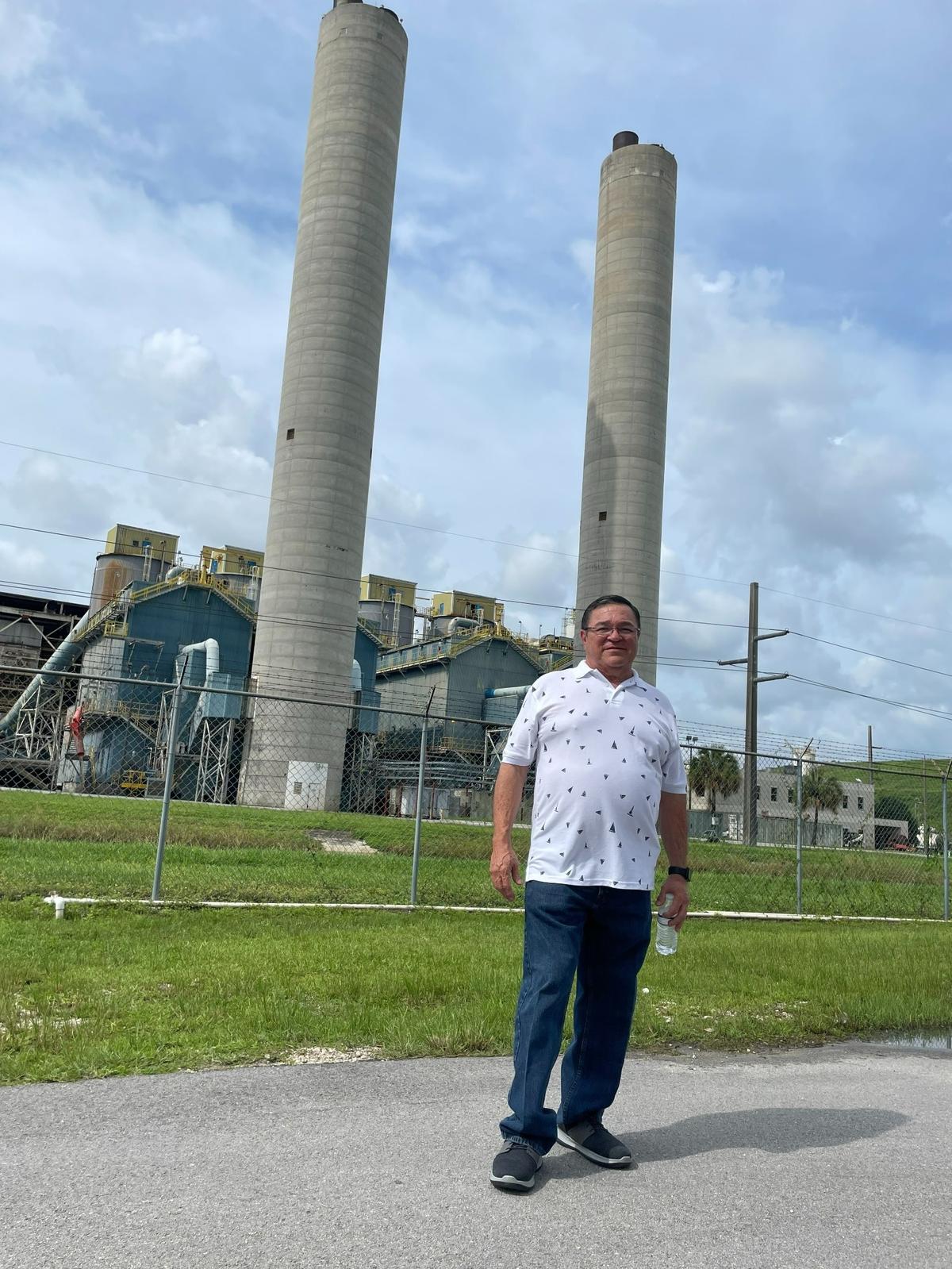
Torres was part of a group of neighbors that joined Bermudez and a fellow commissioner, Danielle Cohen Higgins, at the Covanta plant off of Northwest 97th Avenue for the publicly noticed tour, as required under Florida’s open-meetings law
Higgins represents South Miami-Dade, home to one of the rural options identified in the county report on the incinerator’s future that was published seven months before the fire.
She told the crowd she wanted to make sure Miami-Dade listened to everybody that might be affected by the big decision ahead on a modern incinerator.
“For me, a decision of this size, it’s important to have this meeting and continuous meetings —potentially in the other locations as well — so we’re able to make a decision that’s totally informed,” she said.
An April 27 memo from VEI Engineering, a Covanta consultant, estimated getting the county-owned plant running again would cost about $109 million and take about 8 to 10 months of design and engineering, then 12 to 15 months for construction. William Meredith, the Covanta executive overseeing the plant, said he’s predicting about 12 to 18 months after a county go-ahead to resume the incinerator operation.
For now, Miami-Dade is increasing garbage shipments to the South Dade landfill, which was slated to be full by 2029 before the increased shipments after the fire. Miami-Dade is also trucking garbage to landfills in Central Florida.
A Solid Waste spokesperson said the extra landfill tipping costs are so far below the roughly $60 million Miami-Dade was paying Covanta to operate the plant, so the change isn’t yet a drain on the agency’s budget. But with the county tapping existing contracts with Waste Management for the extra landfill space, it’s not known how much the shipping operation would cost long-term once the current allowances get used.
Raquel Regalado, a commissioner representing parts of Miami, said she wants the county to consider shipping garbage out of Miami-Dade on freight trains while the Covanta plant is down. She’s also floating the idea of a redevelopment taxing district around the incinerator to divert property taxes toward construction of a facility elsewhere.
“Once that land is no longer used for that purpose, all the homes around there are going to jump in property value,” she said. “I want us to have options. I want us to look at everything.”
Fixing the plant wouldn’t solve Miami-Dade’s trash problems in the long-term.
Built in 1982, the plant’s boilers, conveyor belts and other major pieces of equipment “have reached or are nearing the end of their expected lifespan,” according to an Oct. 18 Levine Cava memo issued months before the fire.
Months earlier, Levine Cava released a report that laid the groundwork for a commission decision on where to build a modern incinerator to replace the existing one. With modernized air-circulation designs, negative-pressure fans and other upgrades, Covanta executives said a new incinerator wouldn’t spark the odor complaints caused by the current one.
A July 2022 report by county consultant Arcadis concluded building a modern $1.5 billion incinerator plant on the current Doral site was the cheapest and quickest option, with construction forecast to last about seven years.
In her memo releasing the report, Levine Cava asked commissioners to authorize a second study before making a final decision on where to build the incinerator.
She narrowed the options down to three alternatives: one in Medley, about two miles north of the current facility, and two locations in southwest Miami-Dade past the county’s Urban Development Boundary and near the Everglades. The remote locations are about a mile from the eastern boundary of the Everglades National Park, on farmland south of the Ingraham Highway and near Southwest 408th Street.
Along with having to mitigate for wetlands and endangered panther habitat, the rural locations also would add about $80 million in construction costs and more than double the $11 per ton operating costs forecast for a new Doral facility.
In making a recommendation on next steps after the Covanta fire, Levine Cava will offer plant critics a long-term carrot of a “zero-waste” policy designed to reduce the county’s need to burn trash at all by investing more in recycling and other environmentally friendly practices.
In an October 18 memo accompanying a renewal of Covanta’s operating agreement, Levine Cava called the facility the “centerpiece” of the county’s garbage system and said shutting it down “would necessitate the landfilling of over one million additional tons of solid waste every year.”
In an interview Monday, the mayor drew a line between getting the Covanta plant running again and deciding where to build a facility to process the county’s trash in the future.
“We need to have a short-term solution,” she said. “And a long-term solution.”
This article was updated to reflect the position in a report by Earthjustice and Florida Rising that trash incinerators should not be operating anywhere.
This story was originally published June 6, 2023 at 7:33 AM.